Middle Eastern
97 remedies
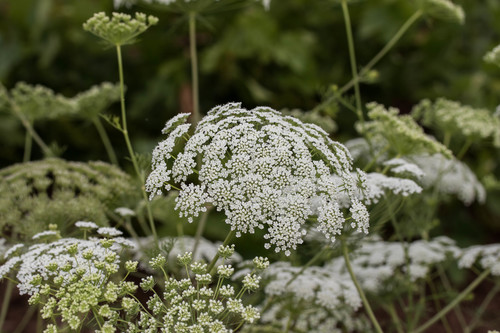 Aatrillal; hirz al-shayateenBishop's weed · Ammi majus
In Egypt around 2000 BC the plant's juice was rubbed on white patches of vitiligo before lying in the sun. In the 13th century vitiligo was treated with honey and the powdered seeds of 'aatrillal', since identified as Ammi majus; the name is still used for the seed powder. The Egyptian Pharmacopoeia lists the fruit for vitiligo.Egyptian Pharmacopoeia (1972), cited by WHO
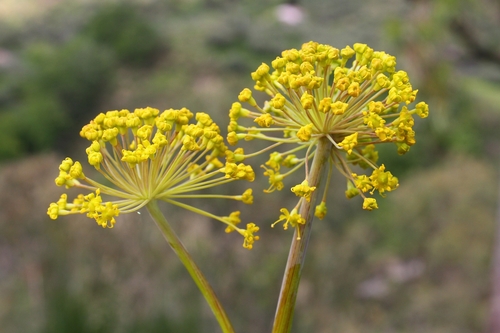 Adrîs / AdriâsDeadly carrot · Thapsia garganica
Recorded by Ibn al-Baytar in the early 13th century under an Amazigh name; the plant is still known in Morocco as derias, deryās or wrak darrias. Reviews of thapsigargin state that traditional practitioners have used the plant since the Middle Ages for rheumatic pain, lung diseases and female infertility.Ibn al-Baytar (early 13th century)
 AftimounGiant dodder · Cuscuta reflexa
Described as a medicine for old age and used for psychiatric disorders and disorders of the digestive and urinary systems; added to Ma'aljobon (whey) to strengthen its effect. Excessive amounts are said to cause diarrhoea and intestinal colic.
 Ajwain aromatic waterAjwain · Trachyspermum ammi
In Iranian traditional medicine the distilled aromatic water is drunk for gastrointestinal disorders.
 Almond oil (Oleum amygdalae)Almond · Prunus amygdalus
For dry skin conditions such as eczema and psoriasis.As reviewed by Ahmad 2010
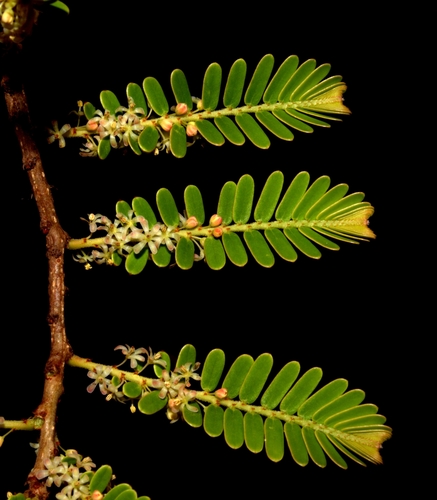 AmlaAmla (Indian gooseberry) · Phyllanthus emblica
Traditional use for stomach complaints, which prompted Iranian trials in reflux disease.
 Ammoniacum / Kandal / OoshiAmmoniac · Dorema ammoniacum
Iranian folk medicine for colic, digestion, boils, cough, worms, cystitis, painful periods, convulsions, poisoning and sciatica; in Jordan as incense and to lower blood sugar; in Baluchistan for dysentery and skin diseases; in Pakistan as an abortifacient.
 AnghuzehAsafoetida · Ferula assa-foetida
In Persia prized as a condiment called 'food of the gods' and added to many dishes.
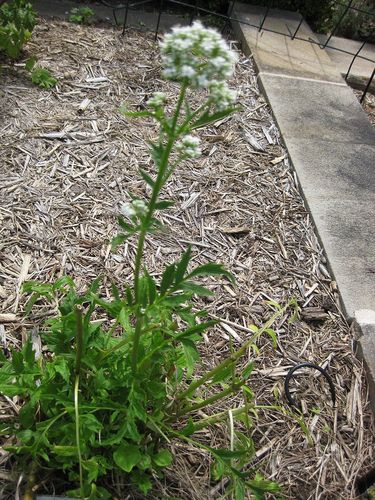 AnisePimpinella anisum
In Turkish folk medicine the seeds are used to stimulate appetite, as a tranquilliser and as a diuretic.
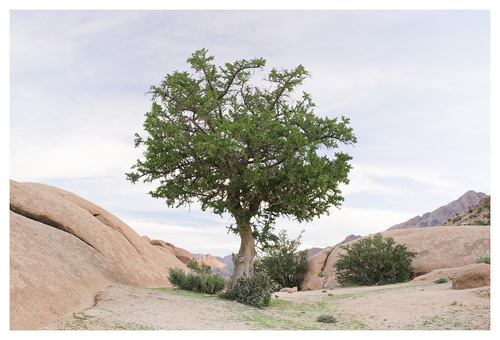 ArganArgania spinosa
First described in the 13th century by the physician Ibn al-Baytar, who reported its therapeutic value.Ibn al-Baytar (13th century)
 AsalWestern honey bee · Apis mellifera
Honey is praised in the Qur'an as containing 'healing for people'; Prophetic medicine (tibb al-nabawi) recommends it for stomach complaints.Qur'an, Surah An-Nahl 16:69
 Balessan (Arabian folk medicine)Balm of Gilead · Commiphora gileadensis
Bark exudate applied to burns, wounds and skin infections in Yemen and Oman; in Saudi Arabia used for wounds, burns, scorpion stings and, in Al Bahah, leishmaniasis; decoction of aerial parts as pain reliever, diuretic and laxative.
 BanafshehSweet violet · Viola odorata
Considered cold and moist. Violet oil (in sweet almond oil) is rubbed on the head and soles or dropped into the nose for insomnia, which is attributed to 'dryness of the brain'. It is also used for teething pain, dry cough, headache, dry skin, constipation from heat and dryness and nappy rash. Violet syrup (Banafsheh syrup) is recommended for respiratory infections.Aghili Khorasani; Nazem Jahan (as cited by Mohammadian-Dameski 2025)
 Barijeh (resin); Barazd or Ghasni (plant)Galbanum · Ferula gummosa
Considered warm in the second degree and dry in the third. Used for shortness of breath, cough and asthma, and as an antiepileptic, antispasmodic, carminative, painkiller, antiseptic and memory tonic. Also used for liver cysts and dyspepsia, and as an anthelmintic, anticatarrhal, antiallergic, appetiser and emmenagogue.
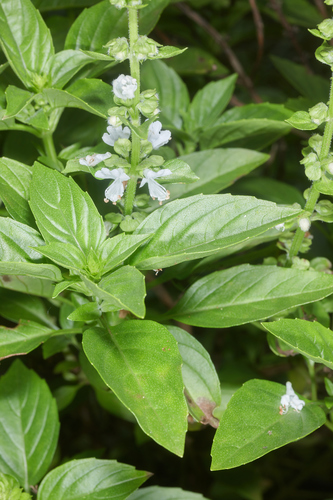 BasilSweet basil · Ocimum basilicum
Described as reducing inflammation and easing bloating and haemorrhoids; a traditional oil of basil in sesame is used on painful joints.Avicenna; Rhazes; Salehi Heravi (18th century), as cited by Askari et al. 2024
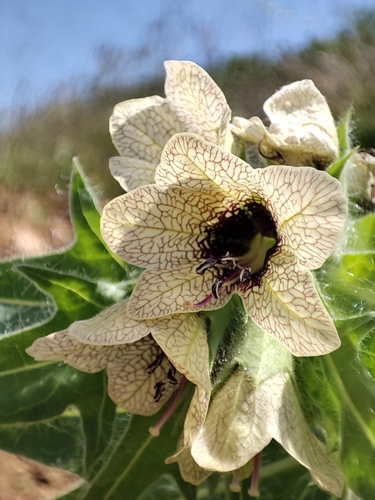 Bazrolbanj / banghdaneh (Iranian traditional medicine)Henbane · Hyoscyamus niger
Iranian physicians used it for chronic bronchitis, tremor, insomnia, neuropathic and abdominal pain, convulsions and psychosomatic disorders, as drops for earache and toothache, and in opium-withdrawal treatment.
 Black cardamomAmomum subulatum
Considered an aphrodisiac in the Middle East.
 Black nightshade (Libya, Yemen, Jordan)Black nightshade · Solanum nigrum
Libya: berries as diuretic, antispasmodic and emetic, for diarrhoea, fever, eye problems and bleeding; leaves as sedative and for wounds and itching. Yemen: expectorant, for diarrhoea and bleeding. Jordan: fruit as antispasmodic.
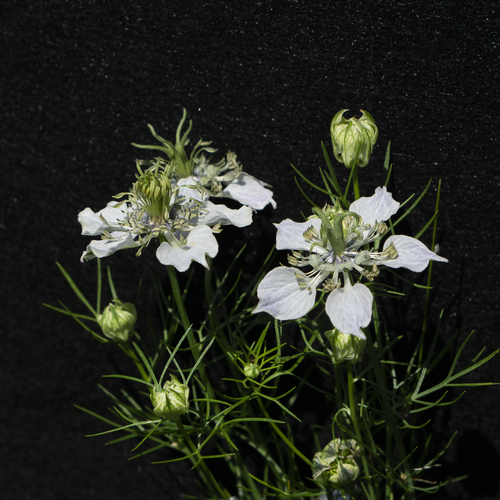 Black seedBlack seed (Black cumin) · Nigella sativa
Valued because of the saying attributed to the Prophet Muhammad that black cumin is a healing for every disease except death.
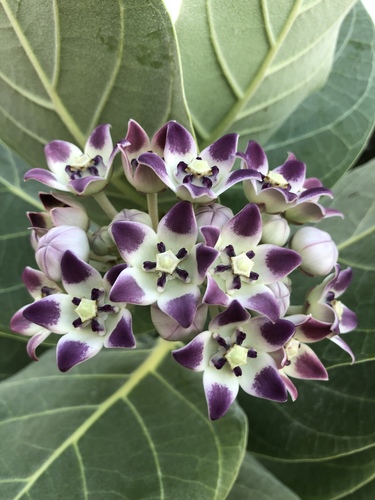 Calotropis (Saudi Arabian folk medicine)Apple of Sodom · Calotropis procera
Decoction of the aerial parts for constipation, joint pain, fever and muscular pain.
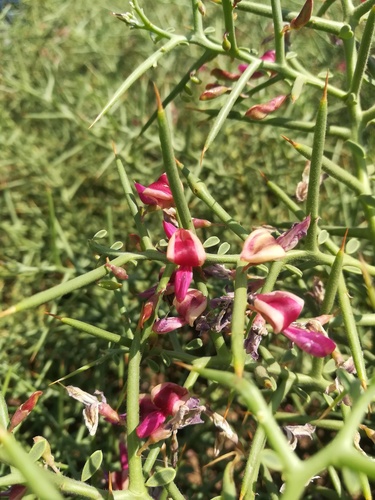 CamelthornAlhagi maurorum
Diuretic, anti-urolithiatic, diaphoretic, expectorant, anti-ulcer and aphrodisiac; for rheumatism, liver disease, urinary and gastrointestinal complaints and bilharziasis.
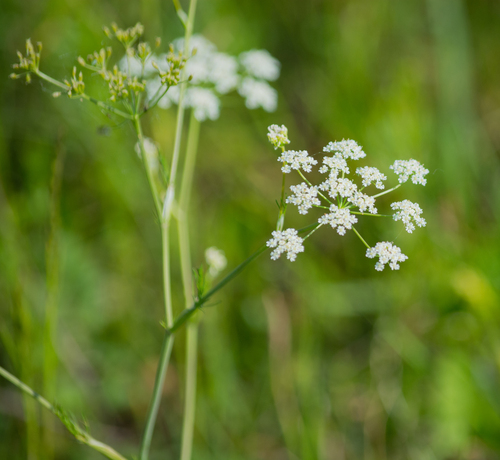 Caraway (Moroccan traditional medicine)Caraway · Carum carvi
A 2011 review reports caraway seed used in Moroccan traditional medicine as a diuretic and for diabetes and hypertension.
 Cedar of LebanonCedrus libani
Used in Lebanese traditional medicine for infectious diseases.As reported in Phytomedicine 2008
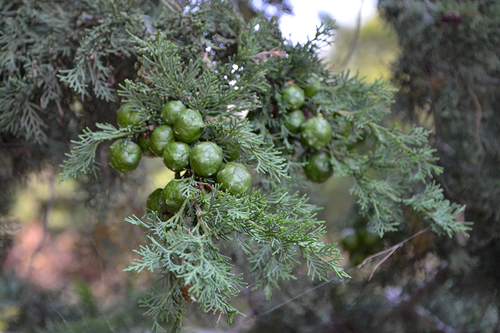 Cupressus sempervirens (Iranian / Islamic Traditional Medicine)Italian cypress · Cupressus sempervirens
One of the Iranian conifers with a long reputation in traditional medicine, used for urinary, digestive, nervous, respiratory and skin complaints.Major Islamic Traditional Medicine books surveyed by Akaberi et al. 2020
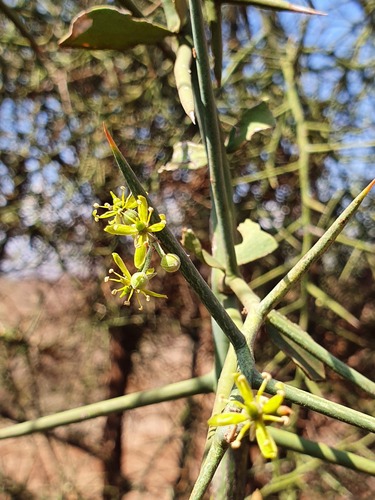 Desert dateBalanites aegyptiaca
Seeds and fruit used for infections, gastrointestinal complaints, parasitic disease and inflammation in traditional African and Middle Eastern medicine.Ezzat et al. 2026 (abstract)
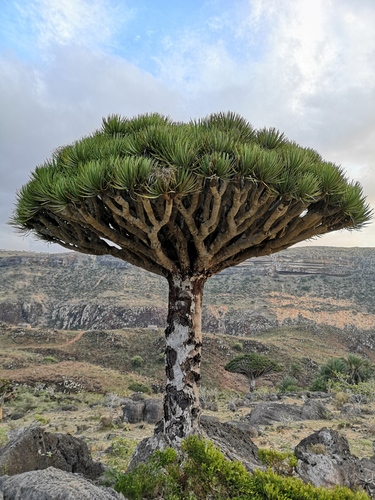 Dragon's bloodSocotra dragon tree · Dracaena cinnabari
Highly prized in the ancient world; around the Mediterranean used as a dye and a medicine. Socotrans use it to dye wool, glue pottery, freshen breath and as lipstick; the root for rheumatism and the leaves as a carminative.
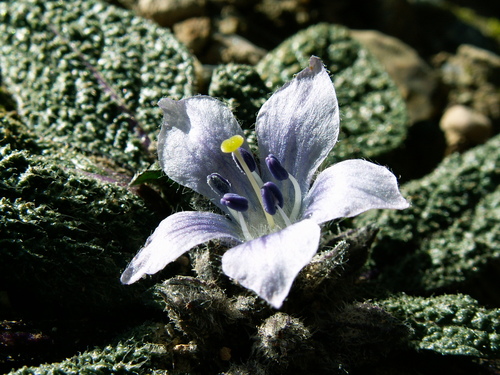 Duda'im / YabrouḥMandrake · Mandragora officinarum
The fruits were a fertility charm and aphrodisiac in Genesis; the Aramaic translation of Onkelos rendered duda'im as yabrouḥ, the root of the Arabic name. The pulling ceremony, with a dog used to uproot it, probably originated in the Near East.Genesis 30:14–16; Song of Songs 7:14; Targum Onkelos
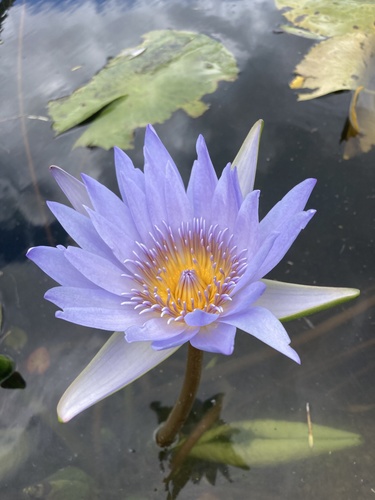 Egyptian blue lily (var. caerulea)Blue water lily · Nymphaea nouchali
Recorded in the Flora of Egypt as an ancient food and medicine; ancient Egyptians associated water lilies with religious symbolism.
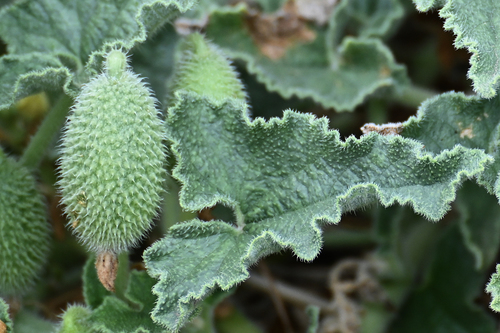 Elaterium (squirting cucumber)Squirting cucumber · Ecballium elaterium
Dried fruit juice for rheumatism, jaundice, sinusitis, fever, liver disorders and constipation, especially in Turkey; juice in the nose for sinusitis.
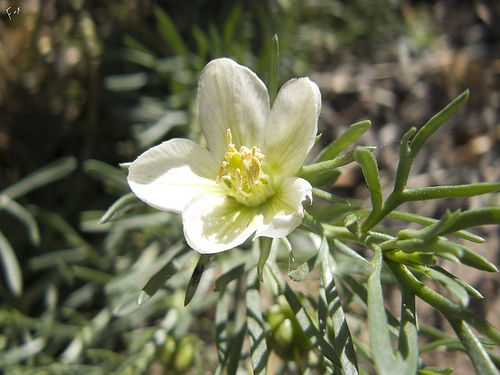 Espand / AspandSyrian rue · Peganum harmala
In Iran the seeds are burned to ward off evil, and the smoke was traditionally used to disinfect rooms and repel insects. The plant is also taken as a sedative and, illegally, as an abortifacient.
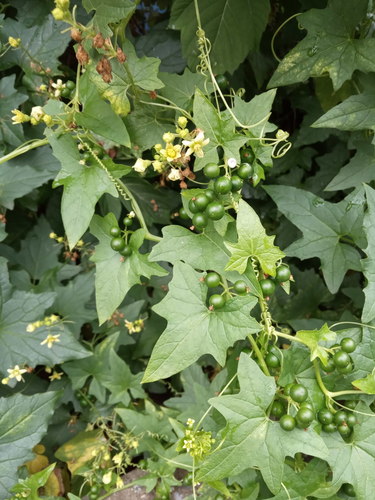 Fashra (Traditional Iranian Medicine)White bryony · Bryonia alba
Listed among antiepileptic remedies of Traditional Iranian Medicine.
 Fig (Hebrew Bible)Common fig · Ficus carica
A lump of figs laid on a boil: the prophet Isaiah's remedy for King Hezekiah.2 Kings 20:7
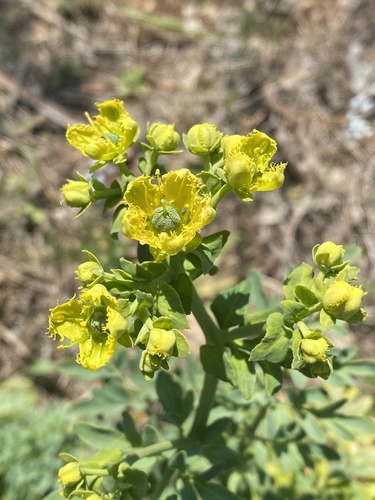 Figam (Arabic; Palestine)Fringed rue · Ruta chalepensis
Used in Palestinian traditional medicine for asthma, renal colic, arthritis, rheumatism, backache, bacterial and fungal skin disease, eye inflammation and ear infection; also as a cough remedy, antispasmodic, sedative and lice treatment, and for snake bite. Also used to flavour honey, wine and olive oil.
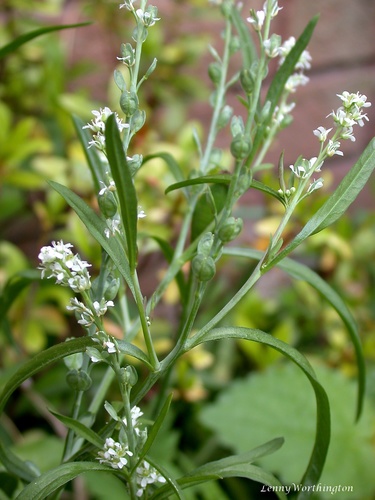 Garden cress (Arabic regions)Garden cress · Lepidium sativum
Seeds widely accepted in Saudi Arabia and other Arab countries for healing broken bones.
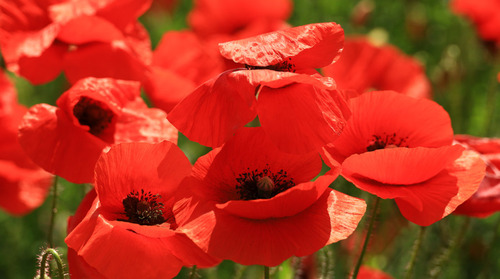 Gelincik (Turkish)Corn poppy · Papaver rhoeas
Turkish folk medicine uses the petals as a sedative for children, for diarrhoea, sore throat, nosebleeds and mouth wounds in children. The flowers are used for cough, asthma, insomnia, fever, menstrual disorders and haemorrhoids, and the roots as an anthelmintic. The fresh aerial parts are eaten as a vegetable in south-west Turkey.Turkish ethnobotanical surveys summarised by Çoban et al. 2017
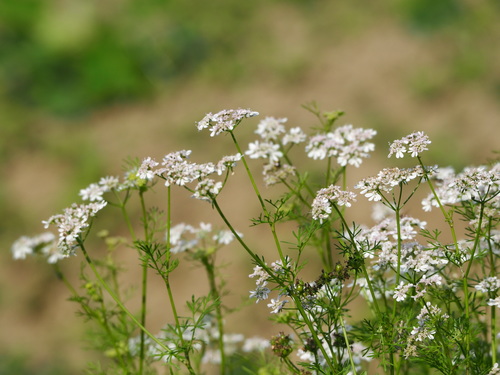 GeshnizCoriander · Coriandrum sativum
In Iranian traditional medicine the powdered seeds are carminative and diuretic and used for dyspepsia, loss of appetite, convulsions, insomnia and anxiety; the whole plant is diaphoretic and stimulant. In Morocco it is used for diabetes, indigestion, flatulence, insomnia, kidney disorders and as a diuretic.
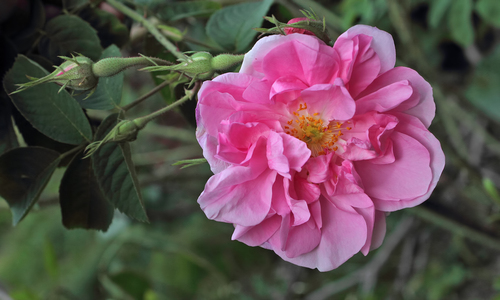 Gol-e MohammadiDamask rose · Rosa damascena
In Persian medicine Ibn Sina stressed the good effects of rose fragrance on the brain and heart. Rose water was given to soothe bowel spasms, and dried flowers for ulcers, infections, constipation, asthma and chronic bronchitis.Ibn Sina (Avicenna, 980–1037)
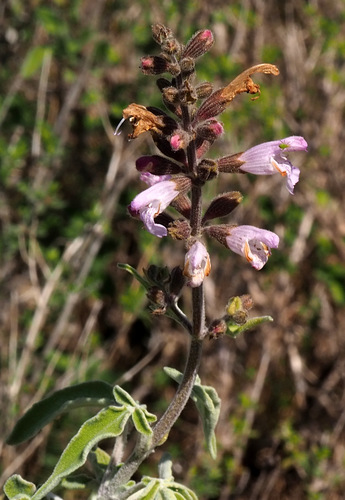 Greek sage (eastern Mediterranean)Greek sage · Salvia fruticosa
In non-EU Mediterranean countries the infusion or decoction is used as a carminative and stomachic, and the juice for poor appetite.
- Gum arabicSenegalia senegal
Used in the Middle East, as in Africa, for gastrointestinal problems, obesity and diabetes; its use for chronic kidney disease has been explored more recently.
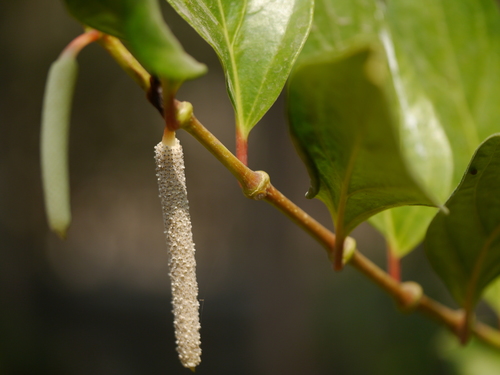 Hab-ul-urus / KababahCubeb · Piper cubeba
Known in Arabic medicine and North African cooking; in Morocco a spice in ras el hanout and pastries, and listed among plants used for cancer in folk medicine.
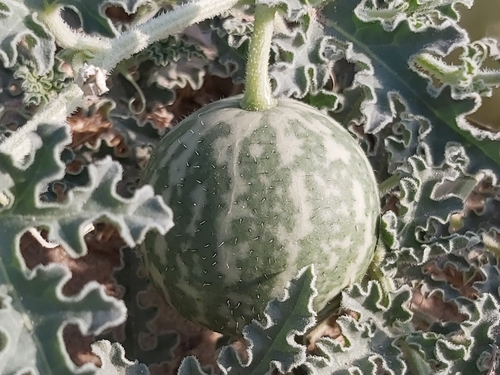 Handhal / colocynth (traditional Iranian medicine)Colocynth · Citrullus colocynthis
Recorded in traditional Iranian medicine as a purgative, anti-inflammatory, antidiabetic and analgesic, to promote hair growth, as an abortifacient and for epilepsy; practitioners used it cautiously because of colic, diarrhoea, bloody stools, kidney damage and its narrow therapeutic margin.Rahimi et al. 2012, review of traditional Iranian medicine
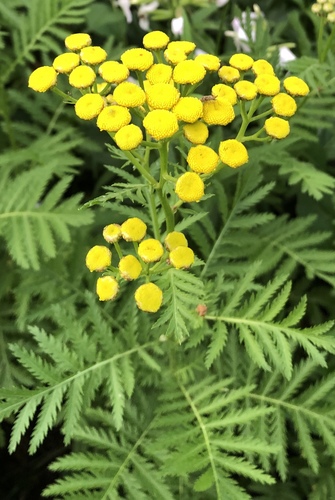 Hasheshet eldoodTansy · Tanacetum vulgare
In Syria used to expel intestinal worms, externally on wounds, and as an infusion for neurological and venereal complaints, cough, gastritis and respiratory infections.As reviewed by Khatib et al. 2023
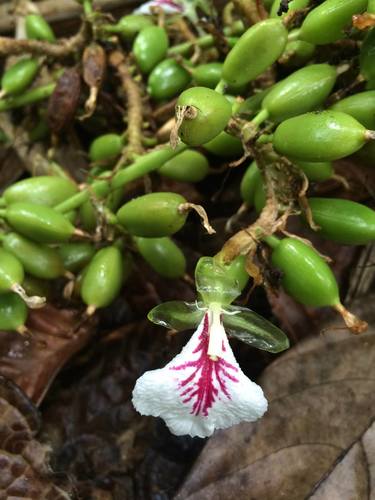 HeelGreen cardamom · Elettaria cardamomum
Brewed with coffee and chewed after meals for digestion and to freshen the breath.
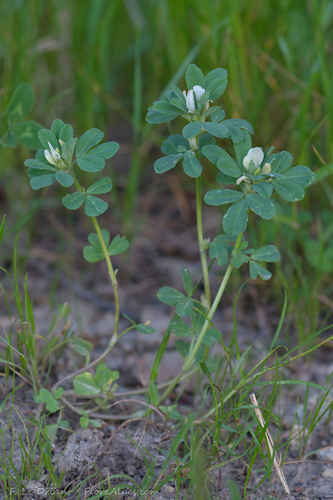 Helba / HilbaFenugreek · Trigonella foenum-graecum
Helba tea given in Egypt for wind and to prevent fever, including to infants; seed flour also added to bread.
 HelhalFrench lavender · Lavandula stoechas
In Algeria the leaves, stems and flowers are used as infusion, decoction or essential oil for anxiety and depression. It is also used as an antispasmodic and to disinfect wounds.
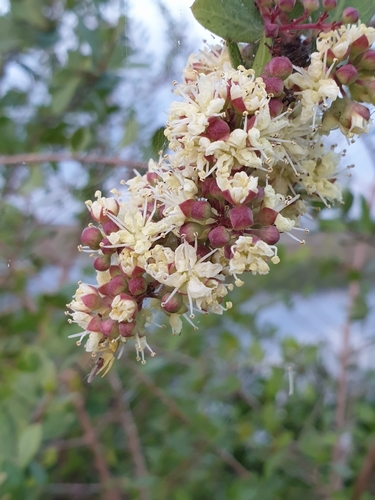 HinnaHenna · Lawsonia inermis
Crushed leaves applied to skin and hair for cosmetics, healing and social occasions across the Middle East, South Asia and North Africa, including on the palms and soles of infants.
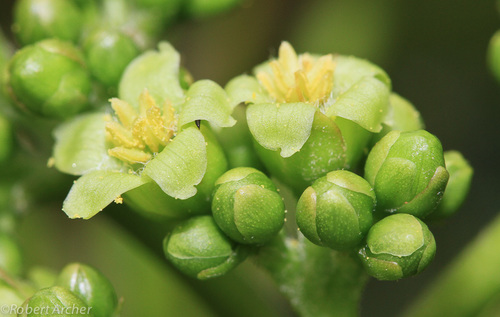 Jatropha latex (Yemen)Physic nut · Jatropha curcas
Latex applied to infected burn wounds and studied in Sana'a as an antimicrobial.
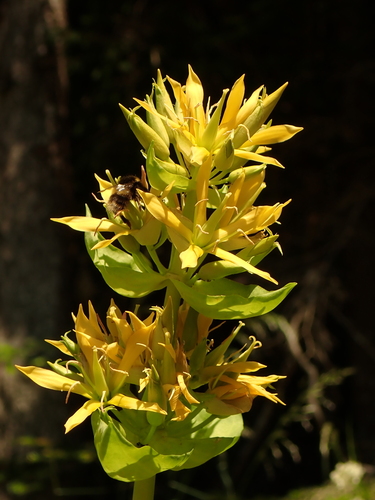 Jintiana (Iranian traditional medicine)Great yellow gentian · Gentiana lutea
Classed as hot and dry in the third degree. The root macerated in water was drunk for swelling of the liver, spleen and stomach, for muscle weakness, amenorrhoea and urinary retention; a vinegar plaster was put on wounds and venomous bites. Texts warn that it was also used to cause abortion.Avicenna, Canon of Medicine, and later Persian texts (as reviewed by Mirzaee et al. 2017)
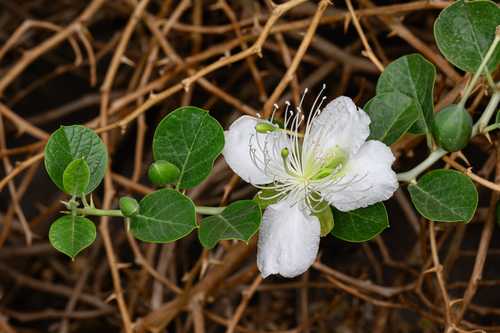 Kabir (UAE)Caper · Capparis spinosa
Native plant of mountains, wadis and roadsides, used in Emirati ethnomedicine for diabetes and metabolic disorders.
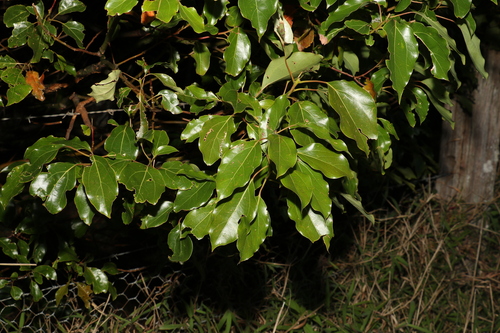 KafurCamphor tree · Cinnamomum camphora
Long used in Middle Eastern traditional medicine; Iranian traditional medicine holds that camphor reduces sexual desire.
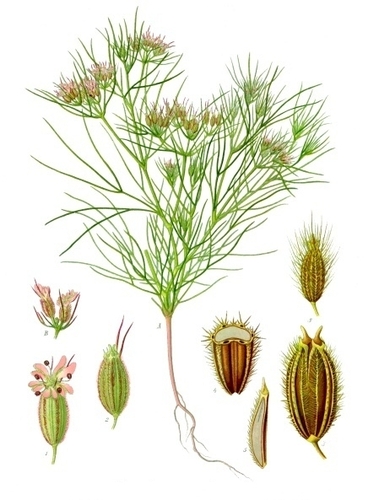 Kammun (Arabic) / cumin of Iranian medicineCumin · Cuminum cyminum
In Iranian traditional medicine a stimulant, carminative and astringent for gastrointestinal, gynaecological and respiratory disorders, toothache, diarrhoea and epilepsy. In Arabic medicine considered cooling and used in prescriptions for gonorrhoea, chronic diarrhoea and dyspepsia; as a poultice for abdominal pain from worms, and powdered with honey, salt and butter on scorpion stings.
- Karabaş otuFrench lavender · Lavandula stoechas
In Anatolia it is used for headache and migraine, as a painkiller, and to help people stop smoking.
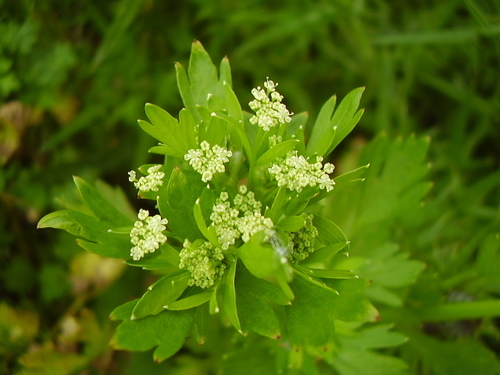 KarafsCelery · Apium graveolens
Arab and Islamic literature distinguishes five kinds (Bustani, Maiee, Sakhuri, Nabti, Jabli). Wet leaves were said to cool the stomach and liver, act as a diuretic, help menstrual problems and kidney stones, increase semen and relieve bad breath; one authority advised avoiding celery if a scorpion sting was feared.Avicenna; al-Razi; al-Biruni; Ibn al-Qayyim, al-Tibb al-Nabawi (Prophetic Medicine)
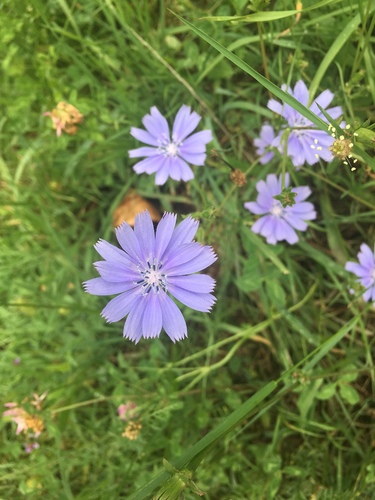 KasniChicory · Cichorium intybus
In Iran the whole plant is recorded as eupeptic, stomachic, depurative, choleretic, laxative, tonic, antipyretic and for low blood pressure; a chicory distillate is drunk as a herbal drink and is believed to improve male fertility.
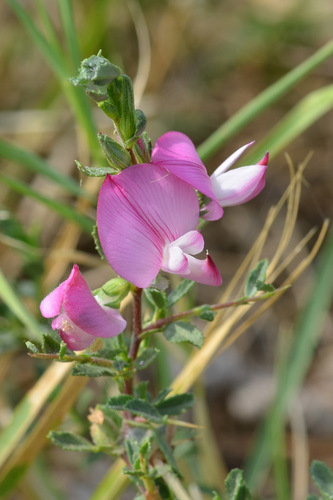 KayişkiranSpiny restharrow · Ononis spinosa
In Turkey Ononis species are folk remedies used as diuretic, antiseptic and antimicrobial aids.
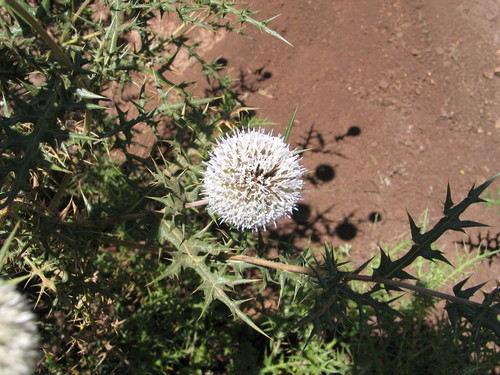 Kebericho (Ethiopian Jewish community in Israel)Kebericho · Echinops kebericho
Used traditionally in Israel, where the knowledge was probably brought by Ethiopian Jews.
 Khakshir (Iranian folk medicine)Flixweed · Descurainia sophia
Cold syrup with sugar and chicory drunk for 'cooling'; hot syrup with sugar as a laxative. In Qom it is among the herbs most often given to newborns with jaundice or to their nursing mothers.
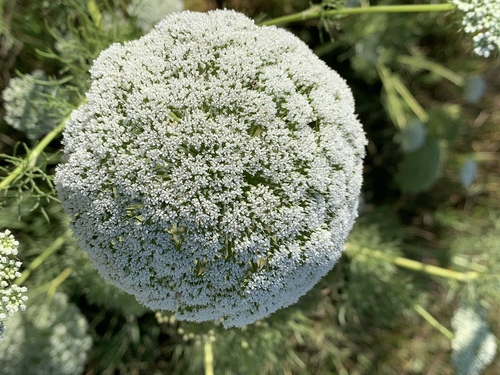 Khella, khella baladiKhella · Ammi visnaga
Fruit decoction for renal colic and kidney stones (ancient Egypt, Iraq, Palestine), kidney inflammation, and as a diuretic; regarded as one of the most recommended plants for urinary tract infections. Arabic names include swak al-nabi.Ebers Papyrus tradition, as reviewed by Khalil et al. 2020
- Khobbah / Khaksheer (Traditional Persian Medicine)Flixweed · Descurainia sophia
Seed considered warm and moist; used to evacuate black bile and so for palpitation, dyspepsia, varicose veins, varicocele, constipation and haemorrhoids; also for skin darkening, urticaria, measles eruptions, hoarseness and impotence. Headache was the side effect most often recorded, and tragacanth was added to prevent it.Aghili, Makhzan al-Adviyah; Hakim Momen, Tohfat al-Momenin
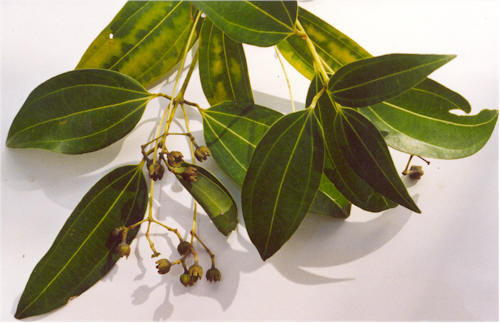 KinnamonCeylon cinnamon · Cinnamomum verum
Listed among the spices of the holy anointing oil.Exodus 30:23
- Loshtak (Armenia)White bryony · Bryonia alba
In pre-Christian Armenia the root was an occult object and a drug for all diseases; the medieval Armenian physician Amirdovlat used it as a panacea to prevent premature ageing.Amirdovlat, medieval Armenian medical writings (as reviewed by Panossian et al. 2021)
 LubanFrankincense · Boswellia sacra
Resin chewed or soaked overnight in water and drunk for digestion, coughs, colds, fever, muscle pain and dental infections; burned to perfume and fumigate homes; said to sharpen memory.
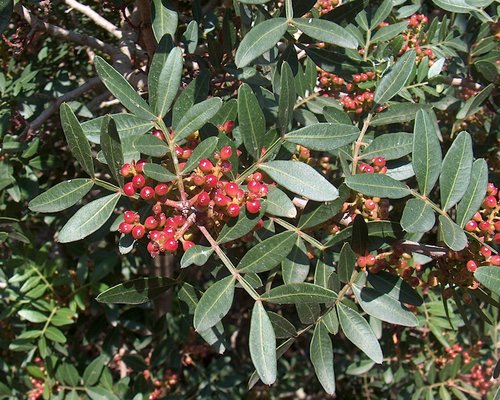 MasticMastic tree · Pistacia lentiscus
Al-Razi, al-Kindi and Abu Marwan Abd al-Malik prescribed it in formulas to fill decayed teeth, strengthen the stomach and aid the liver; folk use continues in Iraq, Iran and Turkey.
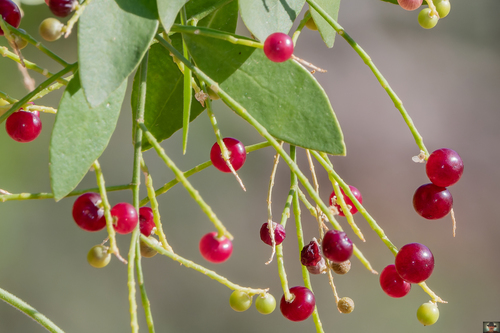 Miswak / siwak (from the arak tree)Toothbrush tree · Salvadora persica
Chewing stick for cleaning and whitening the teeth, used by ancient Arabs and strongly recommended by the Prophet Muhammad, who used it on waking, before prayer and on entering his home. Use is especially strong in the Middle East and North Africa, where it carries religious as well as cultural significance.Hadith tradition (as summarised by Farag 2021)
 MurrMyrrh · Commiphora myrrha
Resin applied to wounds and mouth ulcers, taken for stomach complaints, and burned to fumigate homes.
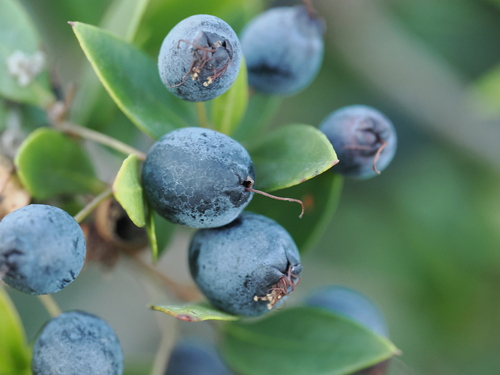 Myrtle (Iranian traditional medicine)Myrtle · Myrtus communis
Iranian traditional medicine: the fruit as an antidiarrhoeal, carminative and cardiac tonic, and the syrup for abnormal uterine bleeding. Ancient uses of the plant also included respiratory and digestive disorders, wound and burn healing, oral lesions, toothache and insect bites.
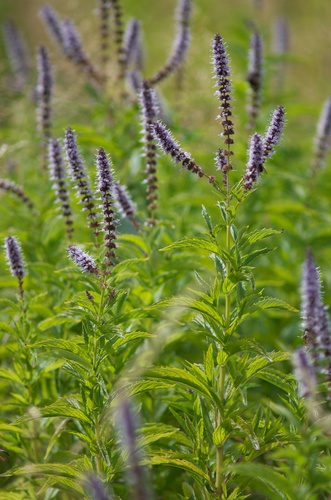 Na'na'Spearmint · Mentha spicata
Aerial parts as an antidote (tiryaq ingredient) for scorpion venom and dog bites.Classical Persian tiryaq literature, reviewed 2025
- NaanaaSpearmint · Mentha spicata
Leaf decoction or infusion drunk or inhaled for colds and respiratory distress (Aseer, Saudi Arabia); one of the well-known plants of old Arab medicine.Aseer ethnobotanical study 2025
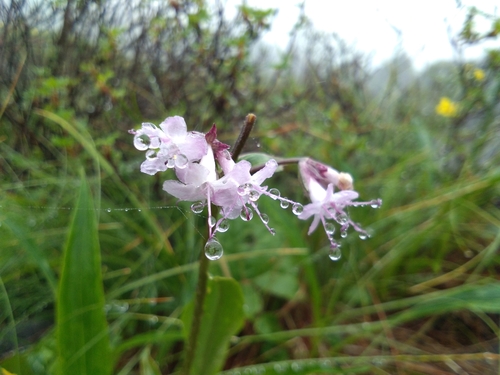 Nerd / spikenardSpikenard · Nardostachys jatamansi
One of only five plants named directly as medicinal in the Bible, where nard (an imported plant) appears in the Gospels.Mark 14:3; John 12:3
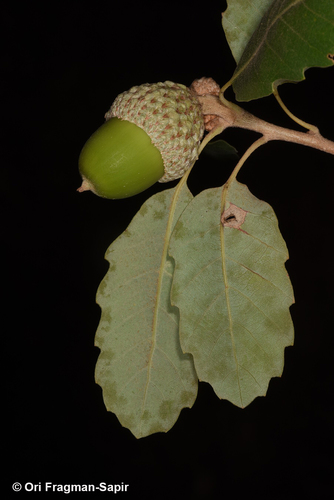 Oak gallAleppo oak · Quercus infectoria
Used medicinally in Greece, Asia Minor, Syria and Iran, and in traditional Uyghur medicine for diarrhoea, bleeding and skin disease.
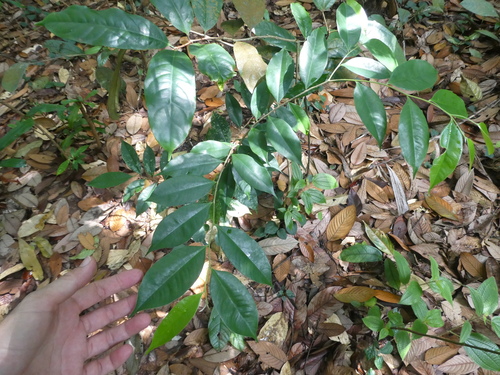 OudAgarwood · Aquilaria malaccensis
Arabian traditional medicine uses agarwood essential oil in aromatherapy; oud is also a major perfume and incense material.
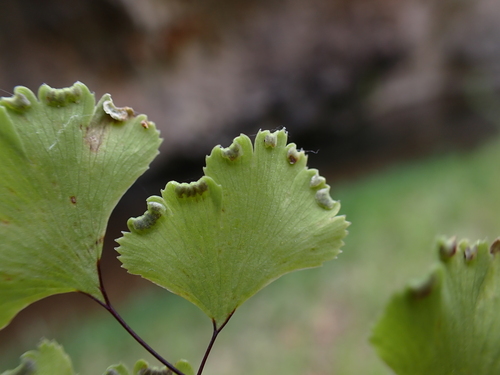 Parsiavoshan (Pare-siavashan)Maidenhair fern · Adiantum capillus-veneris
Mainly for lung complaints such as asthma, cough and chest pain; also diuretic, anti-inflammatory and a hair tonic.
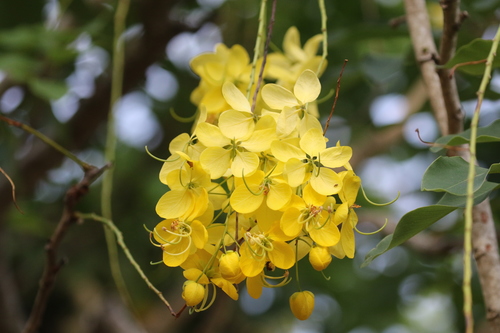 Persian medicine: Cassia fistula pulpGolden shower tree · Cassia fistula
Widely given as a mild laxative to many groups of patients; the syrup is made by boiling the pod pulp in water and cooking the extract gently with sugar and almond oil.Persian Medicine textbooks (cited by Mozaffarpur and colleagues)
 Purslane (Traditional Persian Medicine)Purslane · Portulaca oleracea
Described in the major Persian medical texts; among the herbs used for heavy menstrual bleeding.Avicenna, Canon of Medicine; Rhazes, al-Hawi; Jorjani, Zakhireh Kharazmshahi
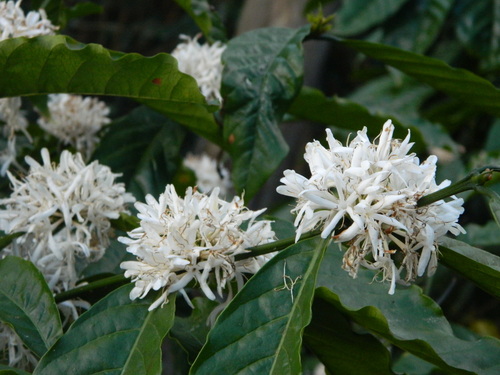 QahwaArabica coffee · Coffea arabica
Drunk by Sufis in Yemen in the 15th century to stay awake for night devotions, then spread through the Ottoman world as a social drink.
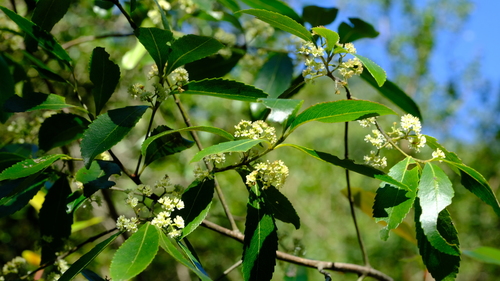 QatKhat · Catha edulis
Chewed daily in Yemen, often for 4–6 hours at a time, for euphoria, energy and alertness; deeply rooted in social life and ceremonies.Al-Motarreb et al. 2005; Patel 2019
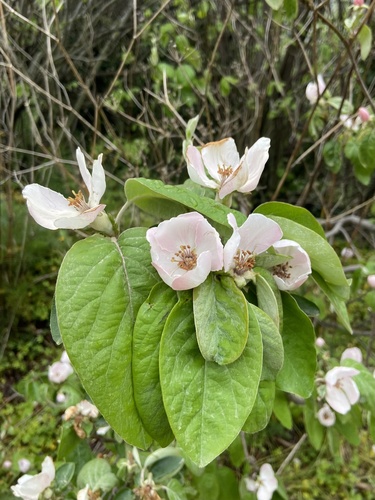 Quince sauceQuince · Cydonia oblonga
Concentrated quince fruit extract ('quince sauce') is traditionally used for a variety of gastrointestinal disorders, as described by the Iranian authors who tested it in reflux and pregnancy sickness.Shakeri et al. 2018
 Roghan-e qust (qust oil)Costus · Dolomiaea costus
In Iranian traditional (Persian) medicine a compound oil of bitter qust root with cinnamon, marjoram, valerian, cloves, nutmeg, sweet flag and galbanum in olive oil is applied to the skin as a resolvent, heating tonic for the nerves and organs and for sexual desire, and against 'melancholic and phlegmatic' fevers and chills.Iranian traditional medicine books, as cited by Fallah et al. 2024
 Sa'edNutgrass · Cyperus rotundus
In West Asian folk medicine for leprosy, fever, thirst and blood illnesses; in Egypt as an anthelmintic, aphrodisiac, diuretic, sedative, carminative, stimulant and tonic, and for renal colic and stomach pain.
 SalepEarly purple orchid · Orchis mascula
Salep, a drink and medicine made from ground orchid tubers, began in the Middle East in antiquity. Across its range it is taken for coughs, fever, diarrhoea, intestinal problems, weakness, poor appetite and low sexual desire. In Iraq, O. mascula is recorded as a fertility plant and aphrodisiac under the Doctrine of Signatures.
 SanaSenna · Senna alexandrina
Praised as a purgative in Prophetic medicine (al-tibb al-nabawi) and traded from Arabia and Egypt; Arab physicians introduced it to medieval Europe.
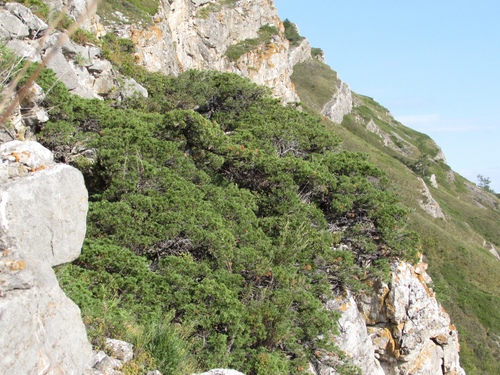 SavinJuniperus sabina
Iranian folk medicine uses it as an abortifacient, hypnotic, diuretic, anti-ulcer, anti-rheumatic, anticonvulsant and anti-diarrhoeal remedy; in Saudi Arabia the aerial parts are used for abortion, as a diuretic, emetic and stimulant; in Turkey as an anthelmintic, diuretic and digestive.
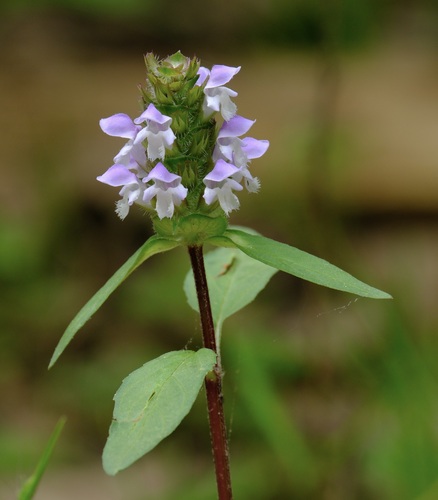 Self-heal (Turkish and Iranian folk medicine)Self-heal · Prunella vulgaris
Turkish folk medicine for rheumatism, colds and heart disease; Iranian herbal medicine for sore throat, bleeding, pneumonia, headache, dysentery, haemorrhoids, diabetes and eye inflammation.
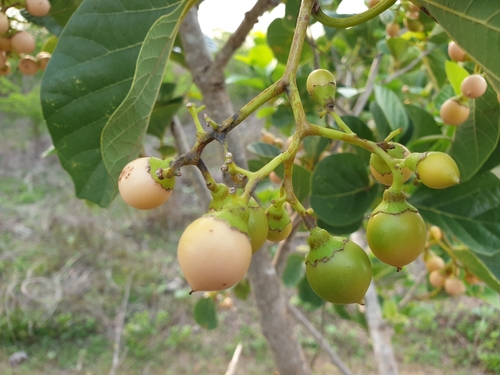 Sepestan / LasuraAssyrian plum · Cordia myxa
Persian medicine: emollient for the respiratory tract and nasopharynx, for cough with thick secretions and asthma.
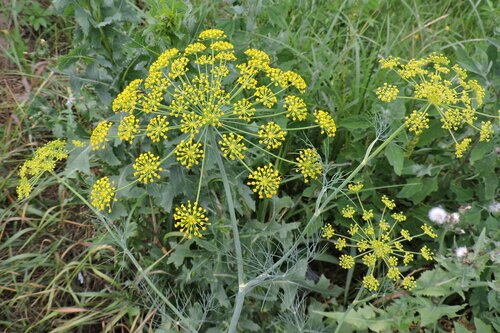 Shebet (Persian medicine)Dill · Anethum graveolens
In Persian medicine dill was used as a skin softener and purifying agent, and dill oil was applied topically for obesity; both uses have recently been tested in small Iranian trials.
 ShihWhite wormwood · Artemisia herba-alba
Widely used in Iraqi folk medicine for diabetes; used traditionally in Lebanon for neurological complaints, where an ethanol extract bound the GABA-A benzodiazepine site in the laboratory.
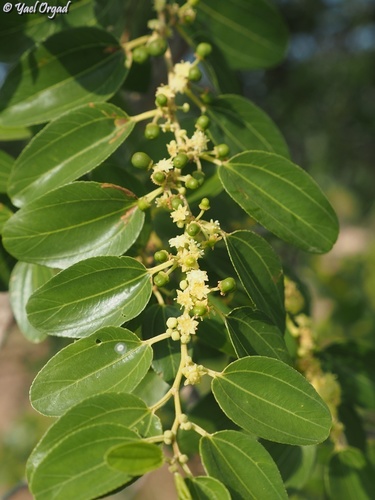 Sidr / nabqChrist's thorn jujube · Ziziphus spina-christi
Among Arabs and Bedouins of the Levant and Arabia, used for toothache, arthritis and muscle pain, eye inflammation, stomach disorders, worms, diarrhoea, wounds, skin disease and hair problems; leaves used to wash the dead, a custom apparently unique to this tree and Islam. Regarded as holy because the Qur'anic lote tree is identified with it.Qur'an LIII:13–18 and LVI:28–32; 10th- and 13th-century Arabic medical sources
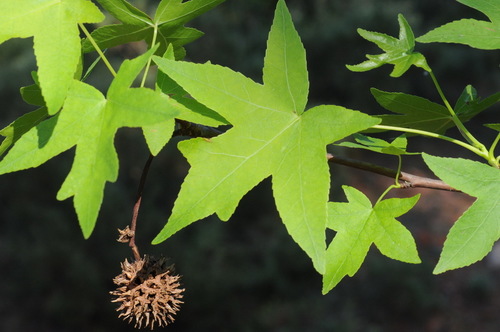 Sigla / Styrax liquidus (Turkish sweetgum oil)Oriental sweetgum · Liquidambar orientalis
Anatolian folk remedy applied to wounds, burns and skin irritations and taken for peptic-ulcer complaints; produced in the Köyceğiz and Marmaris districts of Muğla from trunk exudate.
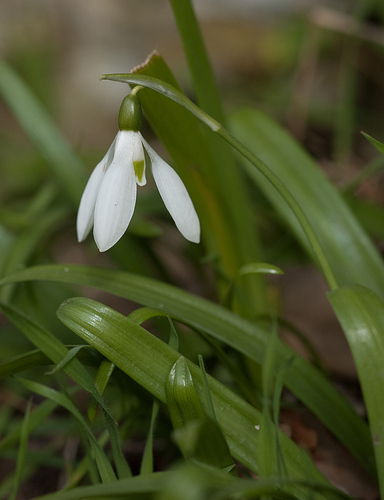 Snowdrop (Turkish folk glossary)Caucasian snowdrop · Galanthus woronowii
An older Turkish glossary classed snowdrop as cardiotonic, stomachic and emmenagogue, and it was reportedly once used to induce abortion in early pregnancy.Baytop, as cited by Kong et al. 2020
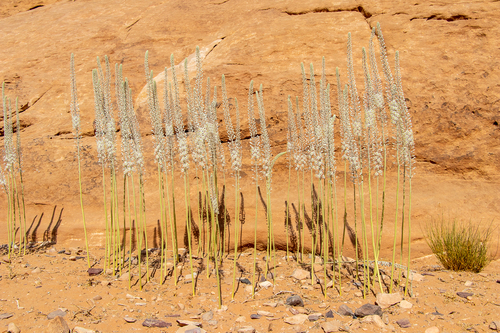 Squill oxymel (Persian medicine)Sea squill · Drimia maritima
Bulb boiled in vinegar and then honey to make oxymel, used for phlegm-type dyspnoea, asthma, chronic bronchitis, cough and hoarseness, and also for melancholia, paralysis, dyspepsia, jaundice, ascites, sciatica and arthritis. Iranian healers also bake the bulb in bitter-vetch (Vicia ervilia) paste, and used it to repel mice and insects.
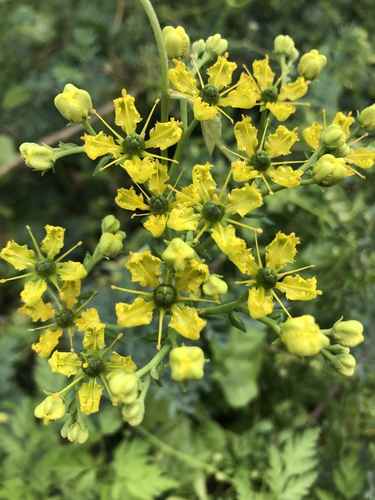 SudabRue · Ruta graveolens
Hot and dry in temperament; for barren uterus, menstruation, constipation and abortion; regarded as moderately toxic, to be used with caution in pregnancy. In Iran it is known as a 'cure-all'.Makhzan al-Adwiyyah (Persian medicine)
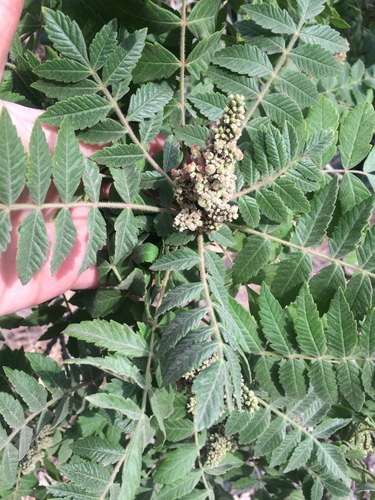 SumacRhus coriaria
Described in traditional Persian medical books as strengthening the stomach and digestion.
- SumacRhus coriaria
Used as a sour spice and medicinal remedy across Middle Eastern countries; recorded traditional uses include haemorrhoids, diarrhoea, eye inflammation, diabetes, liver and urinary complaints, and fruit preparations applied to skin injuries.
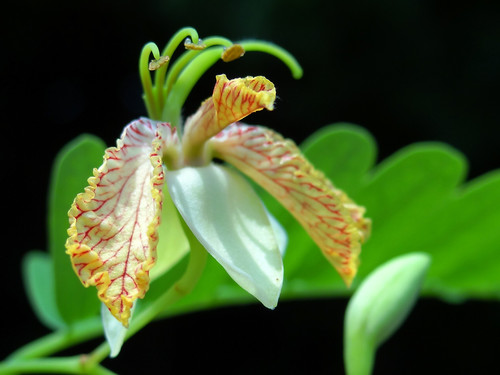 Tamr hindiTamarind · Tamarindus indica
Arab physicians made it known as the 'Indian date' and passed it into medieval European pharmacy as a gentle laxative.
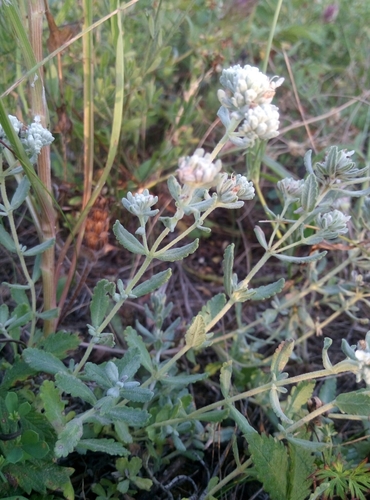 Teucrium polium (mountain germander)Felty germander · Teucrium polium
Tea or powdered aerial parts for diabetes, high blood fats, gastrointestinal complaints, blood pressure, urinary infections, headache and wounds (Syria, Turkey, Iran). In Turkey it is taken in the last months of pregnancy and after childbirth for digestion and to increase breast milk; an Iranian case report describes a large dose taken with the intention of causing abortion.
- Tsori / balm of Gilead; apharsemonBalm of Gilead · Commiphora gileadensis
One of only five plants named directly as medicinal in the Bible. Josephus, Pliny the Elder, Dioscorides and Tacitus praised the balsam of Judea as holy oil and perfume and as a cure for many diseases.Genesis 37:25; Jeremiah 8:22, 46:11
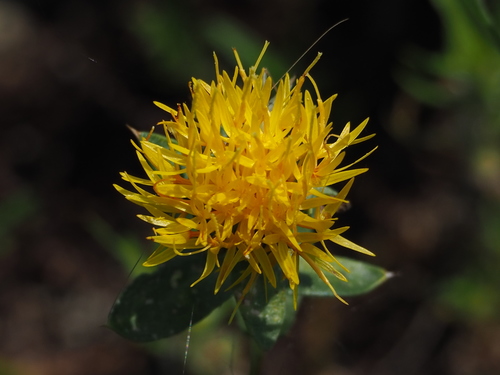 Usfur (Arabic)Safflower · Carthamus tinctorius
Iranian traditional (Persian) medicine uses it for skin patches, baldness, phlegm and colic; the flower and seed are laxative, and the seed oil was used for rheumatism and paralysis.Razi (Rhazes), cited by Bai et al. 2025
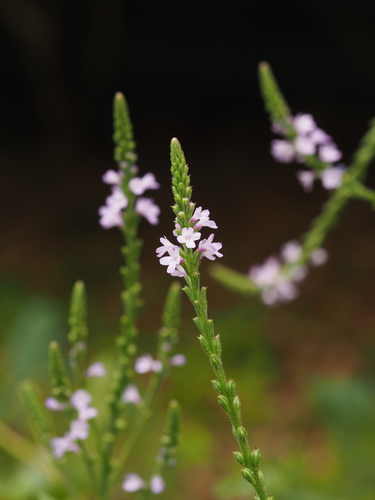 Vervain (Iranian folk use)Vervain · Verbena officinalis
Aerial parts used by local Iranians for convulsions.
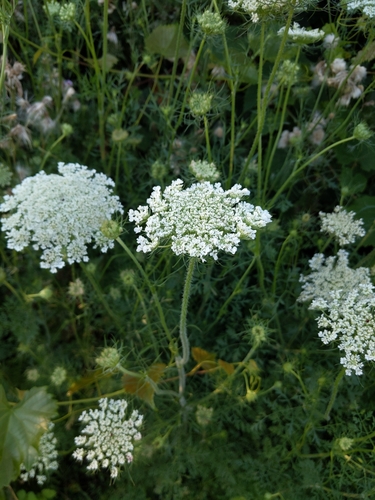 Wild carrot (Persia, Lebanon)Wild carrot · Daucus carota
Persian medicine: leaf and root diuretic and for cough, pleurisy and ulcers; seeds diuretic and emmenagogue. In Lebanon the seeds were a vermifuge, diuretic, snakebite antidote and remedy for sterility.
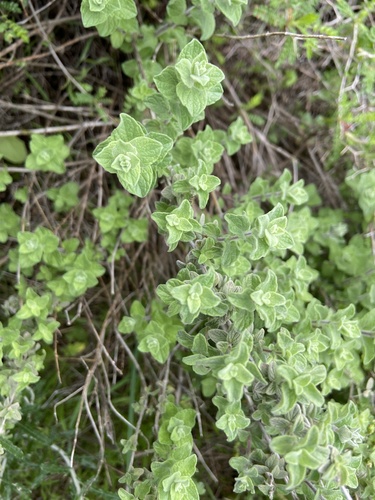 Za'atarSyrian oregano · Origanum syriacum
Folk remedy for stomach and intestinal pain, heart disease, cough, colds, wounds, toothache and anxiety; also a daily food, the main ingredient of the za'atar dish shared at breakfast and added to maté in coastal Syria.Arab, Palestinian and Syrian folk medicine as reviewed by Alwafa et al. 2021 and Mesmar et al. 2022
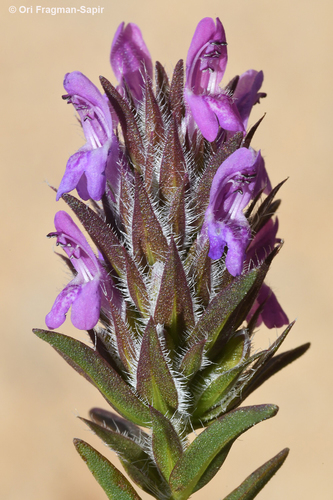 Za'atar (Lebanon)Spiked thyme · Thymbra spicata
Leaves and flowers eaten in salads and drunk as tea infusions; also an ingredient, with Origanum syriacum, sumac and sesame, of the za'atar mixture.
- Zahter / karabaş kekik (Turkey)Spiked thyme · Thymbra spicata
Aerial parts brewed as tea for stomach aches, kidney stones, respiratory infections, gastrointestinal disorders, cardiovascular problems, diabetes, high cholesterol, headaches and inflammation; also for bronchitis, rheumatism and colic. Wild-harvested and exported dried as part of the kekik trade.
 ZanjabilGinger · Zingiber officinale
Named in the Qur'an (76:17) as a flavouring of the drink of paradise; used in folk medicine for digestion and colds.
 ZereshkBarberry · Berberis vulgaris
Described as deeply rooted in Iranian traditional medicine, where it has been used for lowering blood sugar and for inflammation; the sour red fruit is edible.Salmanizadeh et al. 2026 (Iran J Basic Med Sci)