La Botica / Inmunidad e infección
Fiebre
176 remedios
Acude al médico si
Fiebre de más de 39,5 °C, en un bebé de menos de tres meses, con una erupción que no desaparece al presionar con un vaso, o de más de tres días.
Referencia, no receta. Nada de esto es consejo médico. Las hierbas pueden interactuar con medicamentos y ser peligrosas en el embarazo; informa a tu médico o farmacéutico de todo lo que tomes.
Evidencia sólida
SólidaUn medicamento aprobado, o ensayos y revisiones de buena calidad y coherentes.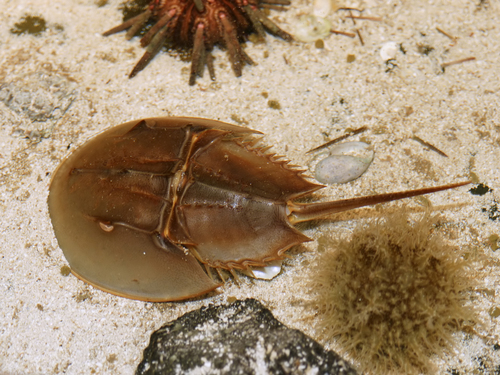
Atlantic horseshoe crab
Limulus polyphemus
LAL detects bacterial endotoxins, which cause fever and shock if injected, so every batch of injectable drugs, vaccines and implanted devices is tested with it or an approved alternative; it replaced the slower rabbit pyrogen test after FDA approval in 1977. This protects patients indirectly; no one takes horseshoe crab blood as medicine.

Autumn crocus
Colchicum autumnale
Colchicine is the approved treatment for familial Mediterranean fever, an inherited periodic-fever syndrome, in adults and children from 4 years; it reduces attacks and the long-term risk of amyloidosis.
Evidencia limitada
LimitadaPocos ensayos o pequeños, resultados mixtos, o sobre todo estudios de laboratorio y en animales.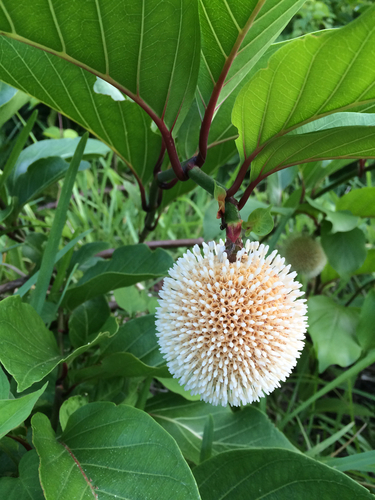
African peach
Sarcocephalus latifolius
Aqueous root-bark extract (50–200 mg/kg by mouth) reduced yeast-induced fever, pain and inflammation in rats and mice, supporting its traditional use for the symptoms of malaria fever.
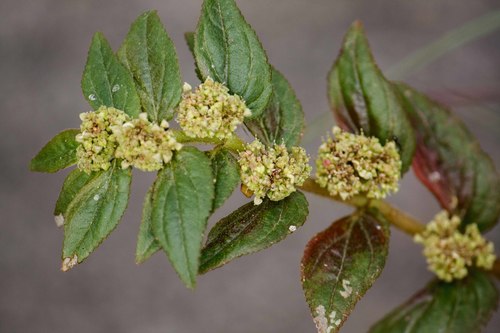
Asthma weed
Euphorbia hirta
In the Philippines tawa-tawa decoction is the most popular home remedy for dengue fever. A systematic review found only one human study (dengue patients in Lahore), which reported higher platelet counts after 24 hours in adults aged 30–55 but not in younger patients; animal studies also showed raised platelets. The reviewers judged the evidence inadequate for clinical use.
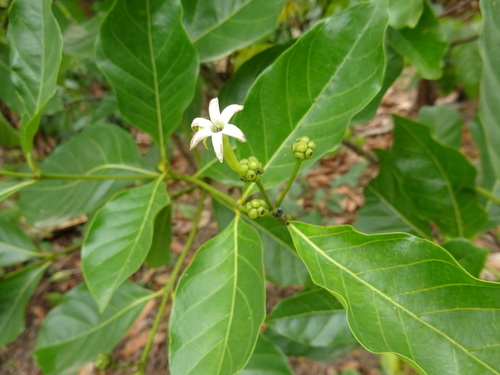
Brimstone tree
Morinda lucida
Leaves are used locally for fever in Nigeria; an aqueous leaf extract lowered yeast-induced fever in rats.
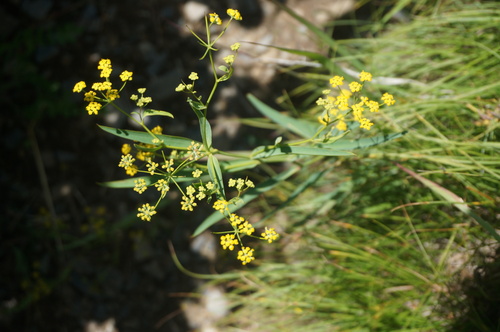
Chinese thorowax
Bupleurum chinense
Saikosaponins lower fever in animals. WHO cites old Chinese clinical reports, without controls, in which fevers of influenza and colds subsided within 24 hours in most of 143 patients, and another in which the effect was transient unless antibiotics were also given; WHO itself lists no use as supported by clinical data.
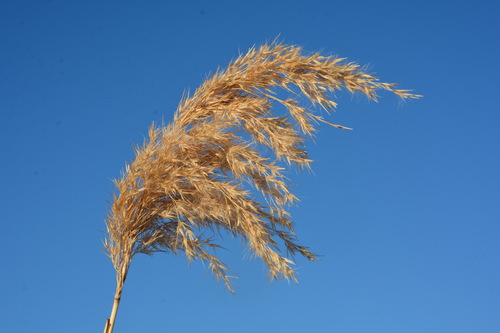
Common reed
Phragmites australis
In the same review, mixtures containing Lu gen shortened fever by about 2.7 hours compared with placebo (low-certainty evidence). Lu gen lowered yeast-induced fever in mice. Classical Chinese texts use it to relieve high fever.
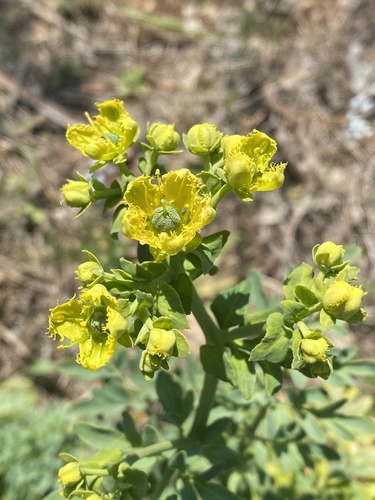
Fringed rue
Ruta chalepensis
An ethanolic extract of the aerial parts reduced yeast-induced fever in mice. It is used for fever in folk medicine, including by pregnant women in Ethiopia. No human trials were found.
Gambian tea bush
Lippia multiflora
A traditional fever remedy. In rodents, only the highest dose of the essential oil tested (8 ml/kg by mouth) reduced yeast-induced fever. Not tested in people.
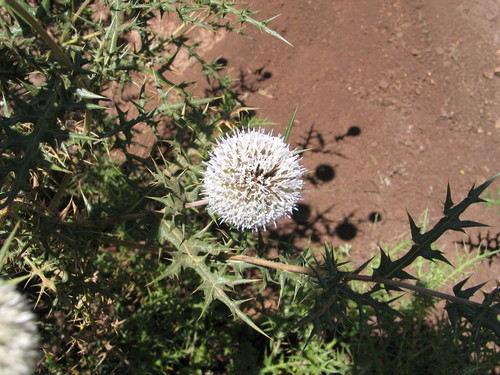
Kebericho
Echinops kebericho
Smoke of the root is inhaled for fever in Ethiopian traditional medicine. A methanol root extract and its fractions lowered induced fever in mice, most at 400 mg/kg.

Patala
Stereospermum chelonoides
A root decoction is used traditionally for intermittent and puerperal fevers. A stem-bark extract lowered yeast-induced fever in rats about as much as paracetamol.
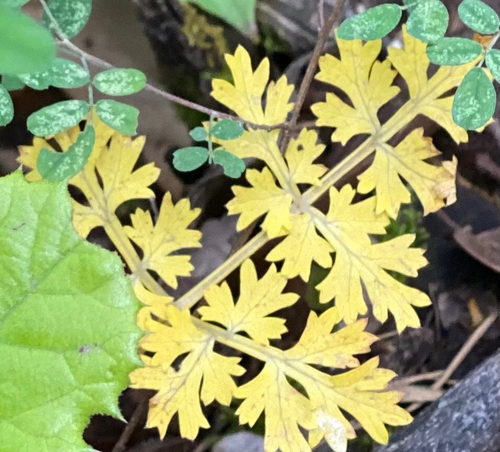
Qiang huo
Notopterygium incisum
Antipyretic activity has been reported in pharmacological studies of Notopterygium extracts, matching its traditional use for feverish colds; animal and lab data only.
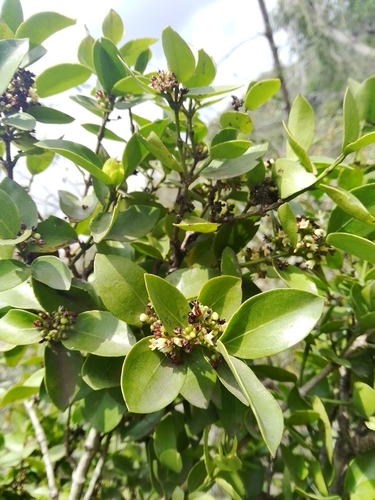
Red bitterberry
Strychnos henningsii
The same extract lowered experimentally induced fever in rats. Kenyan communities use the plant for fever; there are no human studies.
Schizonepeta
Nepeta tenuifolia
Nepetalactone and powdered herb lowered fever in rat and rabbit models, and a spray made from the herb reduced fever in mice infected with influenza. No human data.
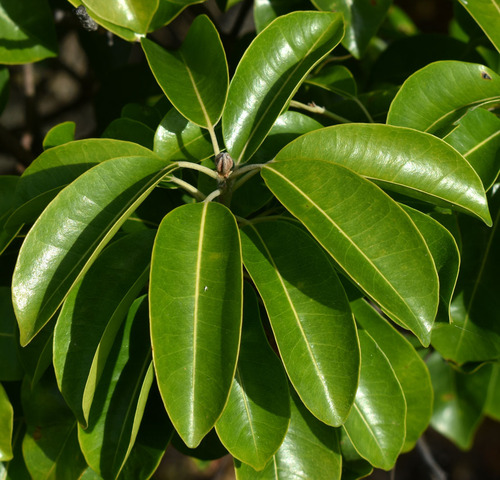
Spanish cherry
Mimusops elengi
Used for fever in Indian medicine; a 2010 rodent study reported anti-inflammatory, analgesic and antipyretic activity of its extracts.

Stool wood
Alstonia boonei
Used as an antipyretic; a methanol stem-bark extract reduced induced fever in mice.
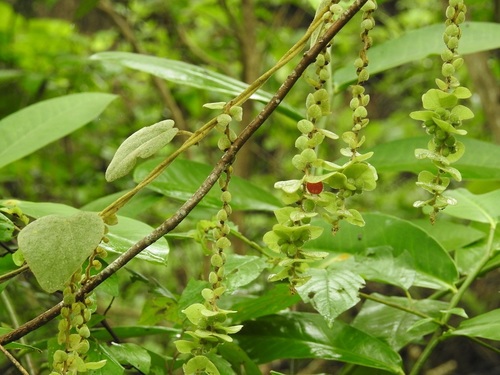
Velvet leaf
Cissampelos pareira
Fever is among its main traditional uses in India. An alcoholic extract reduced fever in rats and, in cell culture, inhibited all four dengue virus serotypes and protected mice from dengue infection without lowering platelets. A 2024 review states that it has shown efficacy and safety in dengue clinical trials but gives no details, and no published trial was found.
Uso tradicional
TradicionalLargo uso documentado, prácticamente sin ensayos clínicos.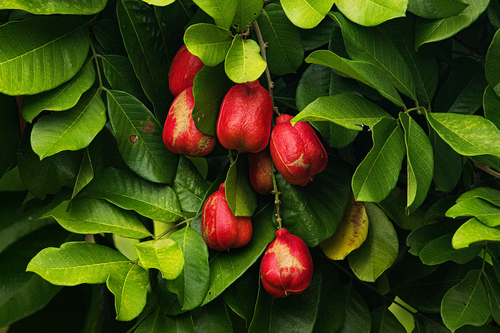
Ackee
Blighia sapida
Recorded West African use for fevers; no clinical studies.

African baobab
Adansonia digitata
Baobab was used as a substitute for cinchona (quinine bark) in traditional preparations against fever, and the leaves as a fever remedy and diaphoretic in Kenya; untested in trials.
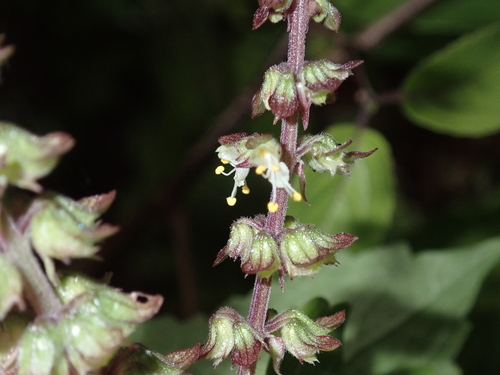
African basil
Ocimum gratissimum
Used as a febrifuge and as an ingredient in several West African malaria remedies; antimalarial effects have been studied only in mice.
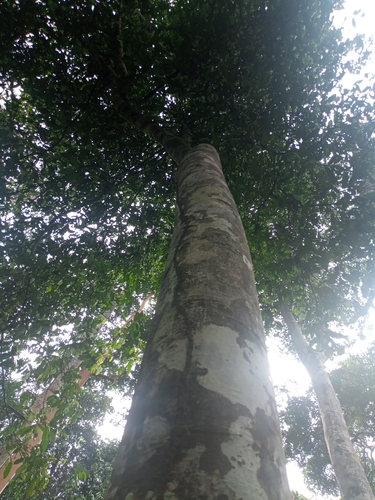
African yellow wood
Annickia chlorantha
Bark and root decoctions are used for fever, chills and yellow fever, and aqueous bark extracts showed antipyretic effects in animals. In Libreville, Gabon, it was the most-cited plant for COVID-19-related symptoms (mostly fever and cough), taken in bark decoctions with Alstonia congensis and cloves.
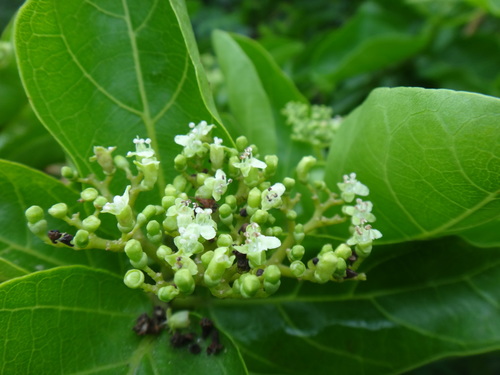
Agnimantha
Premna serratifolia
Roots are listed for fever in Ayurvedic sources; leaves rubbed with pepper are given for colds and fevers, and flowers for cold and fever. Stem bark has been used against malaria.
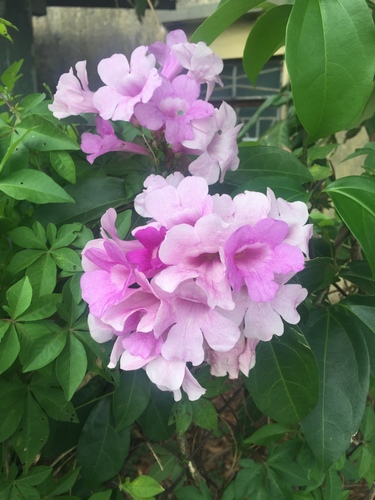
Ajo sacha
Mansoa alliacea
Used for fever in Ecuador and as an antipyretic among Amazonian communities.

Akuamma
Picralima nitida
Seeds are traditionally used to treat fever.
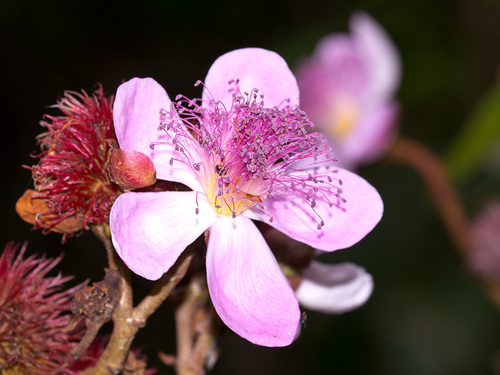
Annatto
Bixa orellana
Antipyretic use of seeds, leaves or fruit pulp is recorded in Argentina, Brazil and Peru and is one of the uses shared across countries.
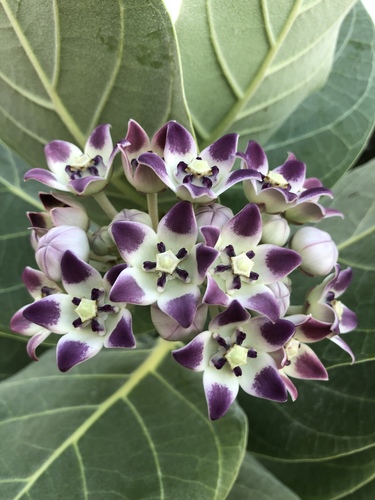
Apple of Sodom
Calotropis procera
Used for fever in Saudi Arabian and other traditional medicine.
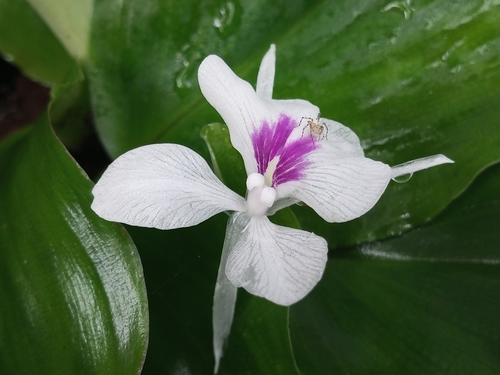
Aromatic ginger
Kaempferia galanga
Used for fever (jwar) in Ayurveda and in Indian folk medicine.
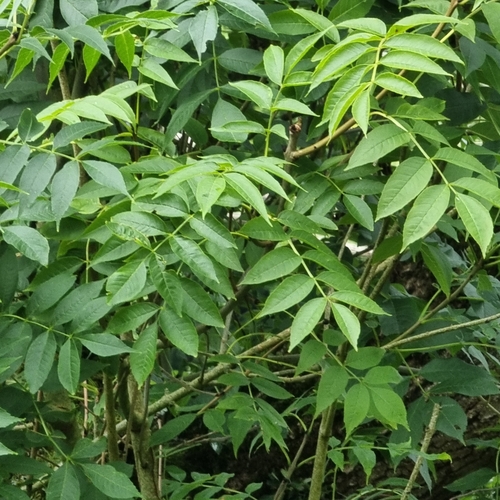
Ash
Fraxinus excelsior
From the early 20th century the leaves were mainly recommended against fever and rheumatism, according to the review cited by EMA.
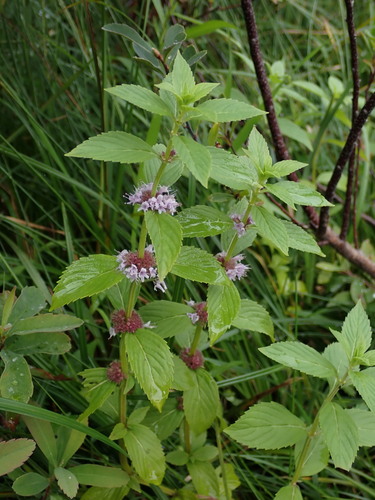
Asian mint
Mentha canadensis
A fever tea among the Cherokee, Iroquois (for children), Cree, Flathead, Kutenai, Keres and Algonquin, according to NAEB records.
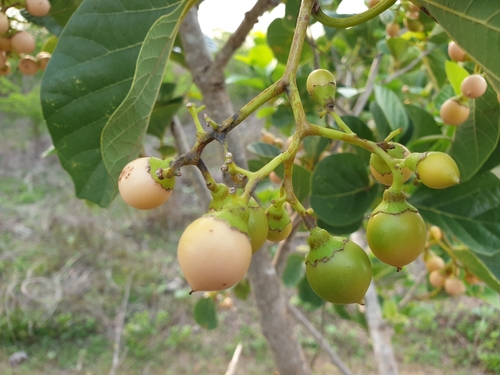
Assyrian plum
Cordia myxa
Ibn al-Baytar recorded it for fevers caused by sanguine, bilious or saline phlegmatic humours.

Atis
Aconitum heterophyllum
Used as an antipyretic and 'anti-periodic' for intermittent fevers, and recorded as a substitute for quinine; there are no clinical trials.
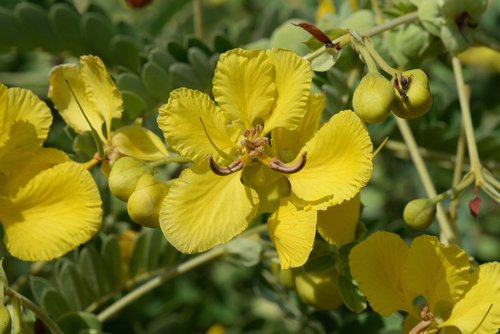
Avaram
Senna auriculata
Dried flower powder is taken for fever as well as by diabetics.
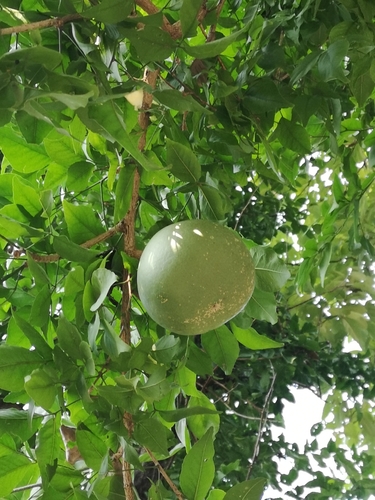
Bael
Aegle marmelos
Leaves are used for fever and intermittent fever, the root for fevers (including as part of the Ayurvedic formula dashamula), and a bark decoction by villagers for fever and cough.
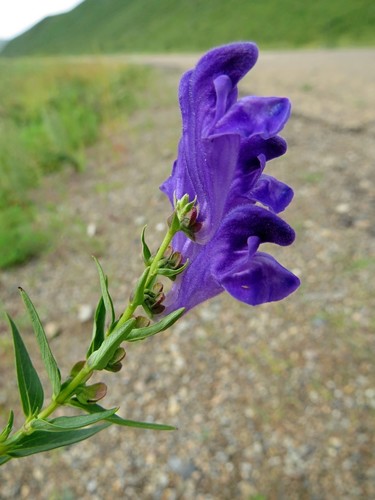
Baikal skullcap
Scutellaria baicalensis
Fever is the first of the uses recorded in the Chinese and other pharmacopoeias cited by WHO. An uncontrolled Chinese report of a root decoction in 63 children with respiratory infections described benefit in 51, with no comparison group.
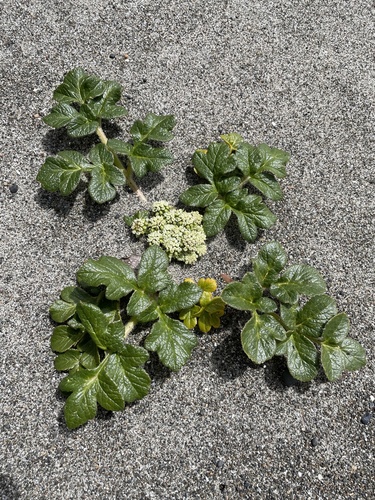
Beach silvertop
Glehnia littoralis
Used to reduce fever in China, Japan and among Mongolian healers.

Beard lichen
Usnea barbata
Usnea species are used in Asia, Africa and Europe for pain relief and fever control.
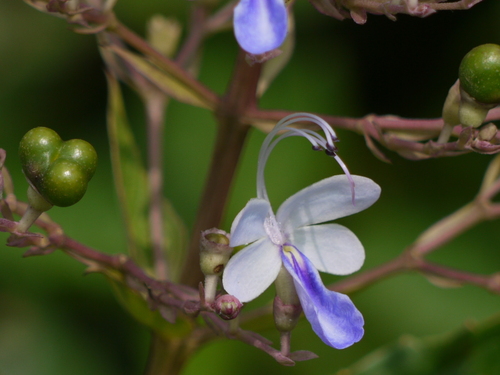
Bharangi
Rotheca serrata
Traditionally used in India for fever, especially malarial fever.
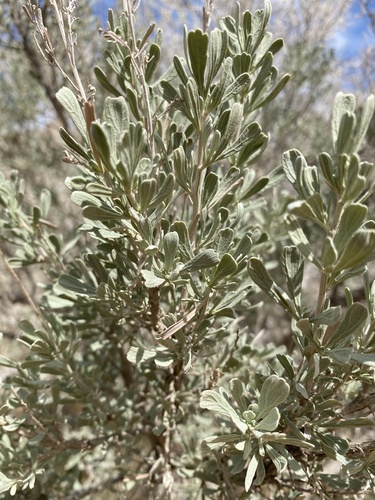
Big sagebrush
Artemisia tridentata
Gosiute leaf infusion for fevers.
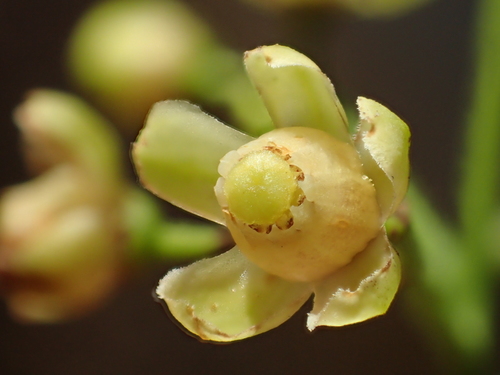
Big-leaf mahogany
Swietenia macrophylla
Antipyretic properties are attributed to the plant in Chinese and other traditional pharmacology, without clinical study.
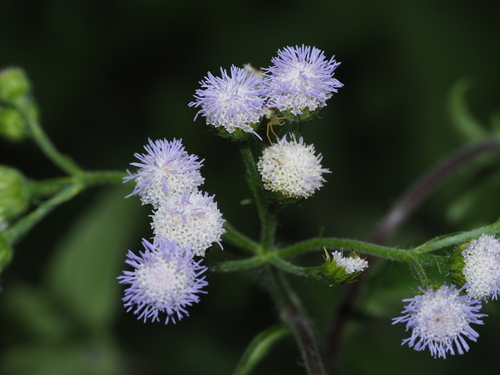
Billygoat weed
Ageratum conyzoides
Used for fever and inflammation in India and for measles in Nigeria, according to a 2026 review; antipyretic and anti-inflammatory activity comes from animal studies.

Bitter bark
Alstonia constricta
Bark and latex are used for fever in Aboriginal medicine in Queensland.
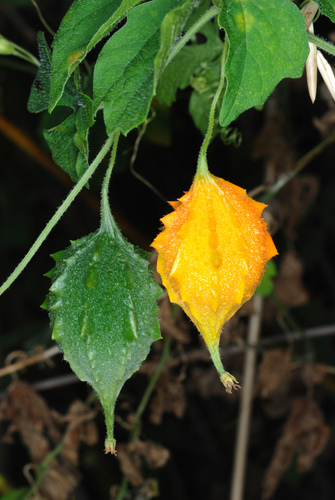
Bitter melon
Momordica charantia
Listed by WHO as a traditional use; untested.
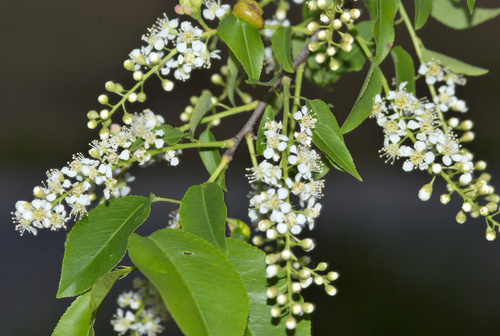
Black cherry
Prunus serotina
Cherokee bark infusion or decoction for fevers, including the 'great chill'; Iroquois for colds and fever.
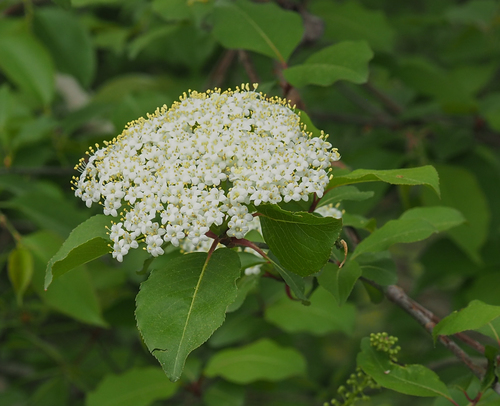
Black haw
Viburnum prunifolium
Cherokee: a compound infusion for fever, smallpox and ague, and the root bark as a diaphoretic and tonic.
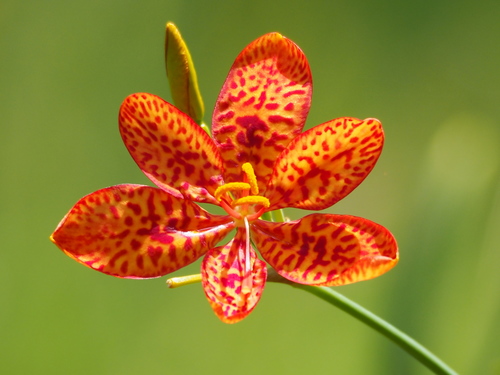
Blackberry lily
Iris domestica
Used in Chinese medicine as an antipyretic and antidote.
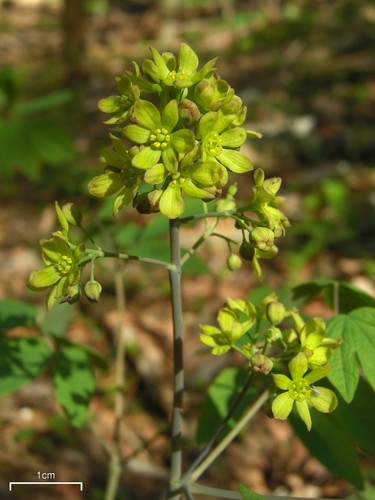
Blue cohosh
Caulophyllum thalictroides
Omaha and Ponca gave a root decoction for fevers, considered highly effective; the Iroquois used it 'for any kind of fever'.
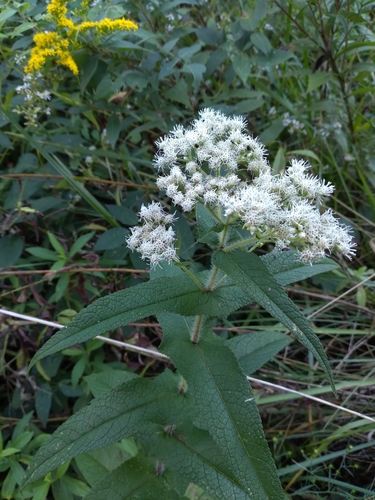
Boneset
Eupatorium perfoliatum
The best-recorded use: Cherokee, Delaware, Iroquois and Menominee infusions for fever and chills, and the settler and African-American folk remedy for fevers including dengue. Not confirmed by clinical research.
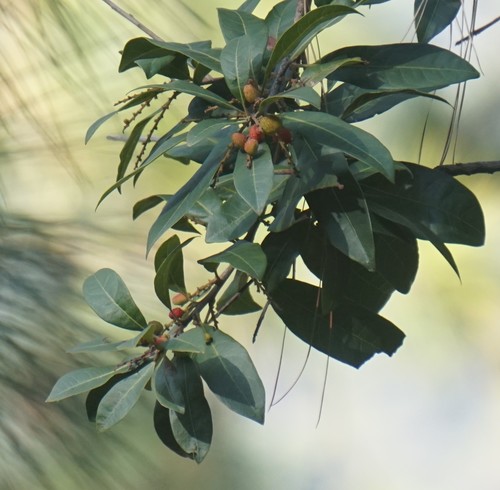
Box myrtle
Morella esculenta
Fruit, bark and leaf are used for fever in Meghalaya (Khasi) and in Vietnam and southern China; Katphaladi Churna is used for fever. Antipyretic activity has been reported in animals.
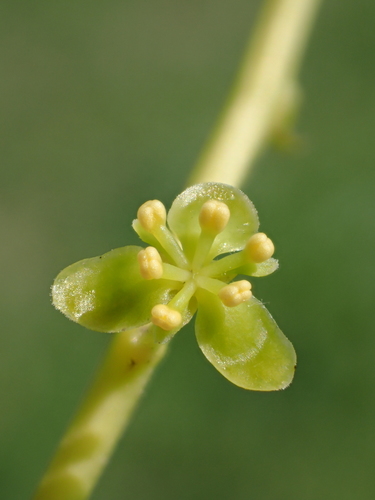
Brotowali
Tinospora crispa
Used for fever in the Philippines, Thailand, Indonesia, Cambodia, Vietnam, China and Bangladesh.
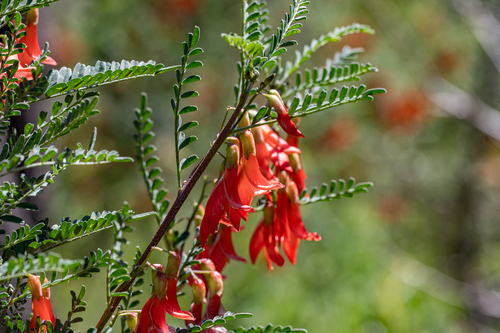
Cancer bush
Lessertia frutescens
Nama and Khoi-San communities use decoctions for fevers and wounds.
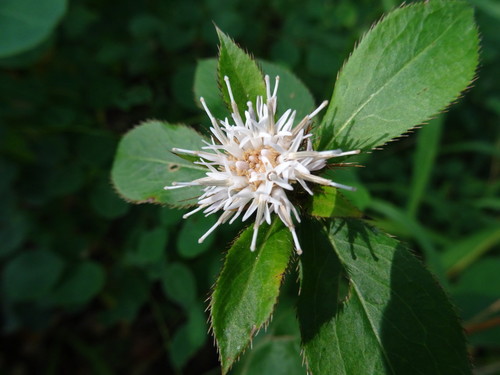
Cang zhu
Atractylodes lancea
In Thailand khod-kha-mao is used mainly for fever, common colds and non-infectious digestive upset.
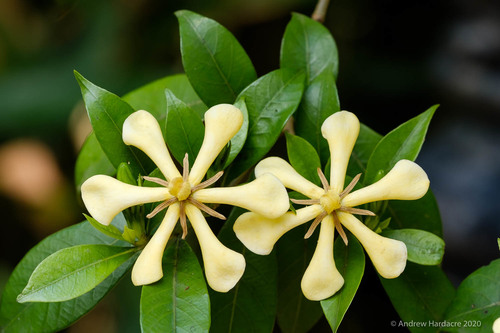
Cape jasmine
Gardenia jasminoides
TCM uses it to 'purge fire', 'clear heat' and 'cool the blood'; no clinical testing of the single herb.
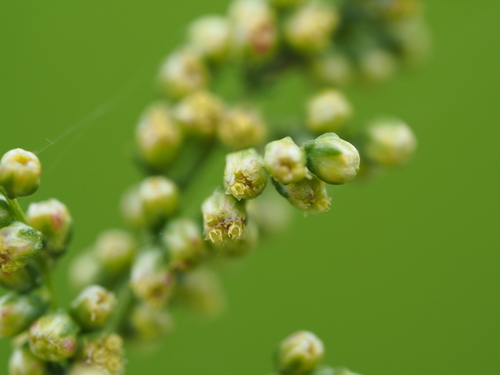
Capillary wormwood
Artemisia capillaris
Traditional Chinese medicine used yin chen for fever (pyrexia), jaundice and painful urination; no clinical trials of the herb for fever were found.
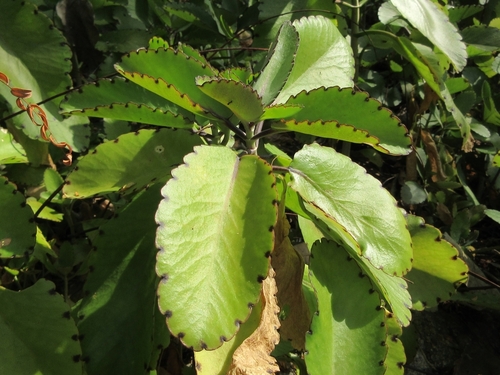
Cathedral bells
Bryophyllum pinnatum
In a systematic review of Indonesian ethnobotanical studies it was the plant most often cited for fever (9 use reports); no clinical trials.
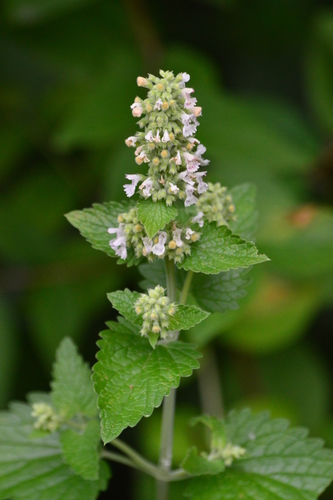
Catnip
Nepeta cataria
Given in warm infusion as a diaphoretic in fevers (King's American Dispensatory); Cherokee and Chippewa people took an infusion or decoction of the leaves for fever.
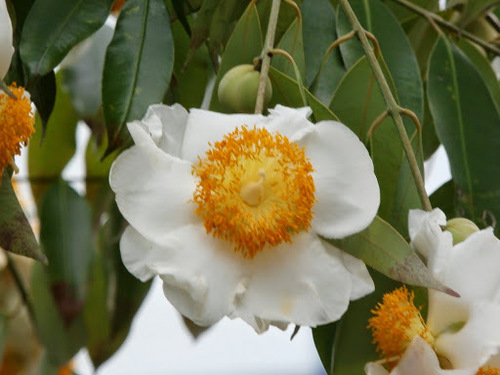
Ceylon ironwood
Mesua ferrea
Used for fever across its range; the flowers are an ingredient of Pra-Sa-Chan-Dang, a Thai traditional fever remedy.
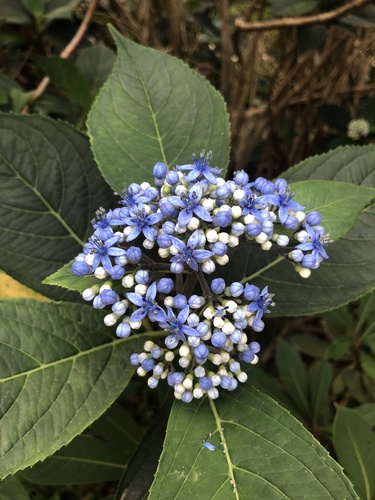
Chang shan
Dichroa febrifuga
Changshan was used for malarial fevers in East Asia, recorded first by Zhang Zhongjing.
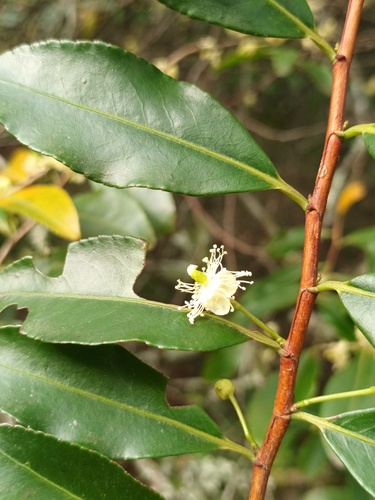
Change tree
Aphloia theiformis
Used for fever and malaria in Indian Ocean ethnomedicine.
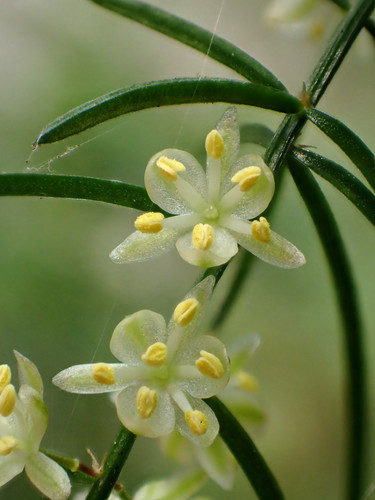
Chinese asparagus
Asparagus cochinchinensis
Listed in folk use for fever.
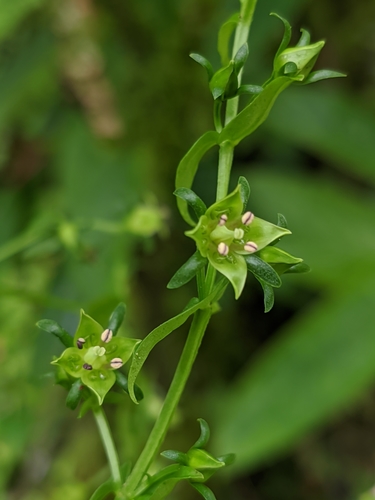
Chiretta
Swertia chirayita
A traditional remedy for chronic and intermittent fevers across South Asia; in Nepal a whole-plant decoction is given for 'tremor fever'. No clinical trials.
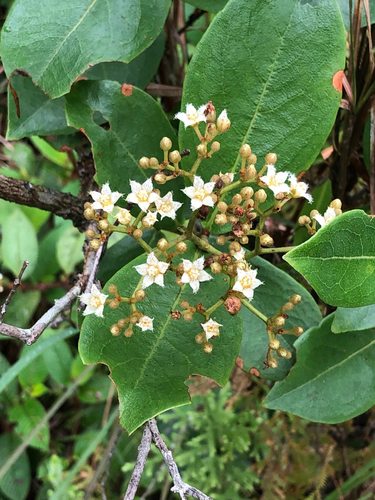
Christmas berry
Psorospermum febrifugum
Members of the genus have been used as febrifuges, as the species name suggests.
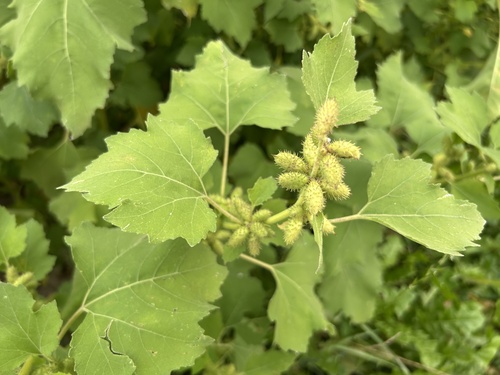
Cocklebur
Xanthium strumarium
The Houma of Louisiana took a decoction of the root for high fever (Speck 1941).
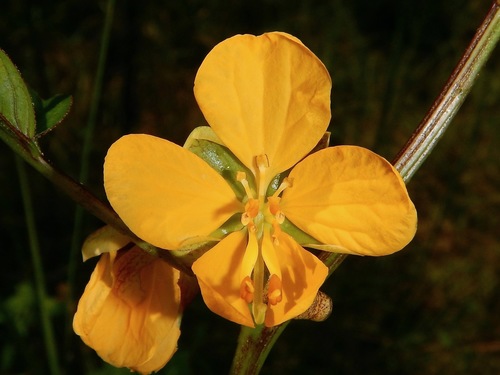
Coffee senna
Senna occidentalis
The roots are described as febrifuge and the leaves are used for fevers in Indian and other folk medicine; no clinical studies were found.

Cogongrass
Imperata cylindrica
Used in Chinese medicine for thirst in febrile disease; an extract reduced induced fever in mice.
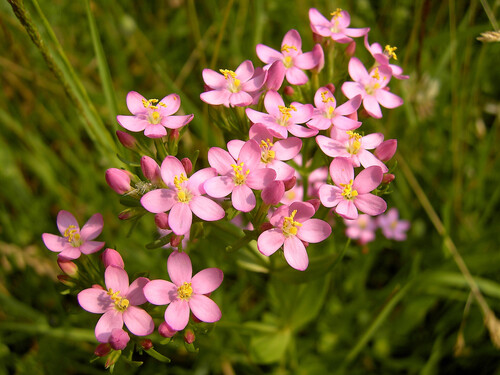
Common centaury
Centaurium erythraea
Historically used as a febrifuge for intermittent fevers, according to the handbooks cited by EMA; no clinical testing.
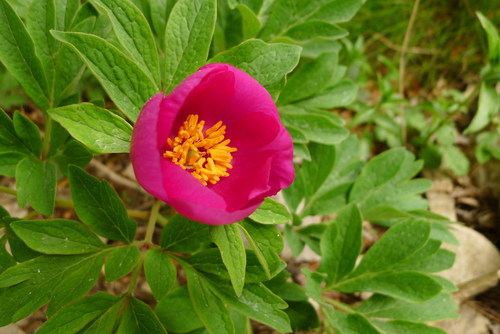
Common peony
Paeonia officinalis
Part of the same southern European folk use. No clinical testing was found.
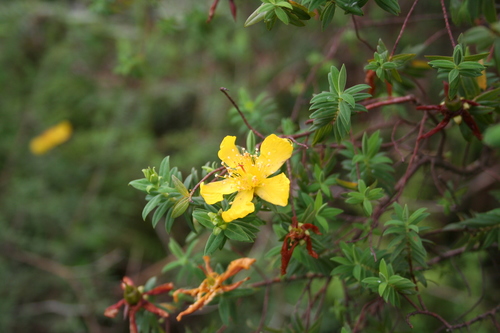
Curry bush
Hypericum revolutum
Used in Ethiopia to treat febrile illness in people. This has not been tested clinically.
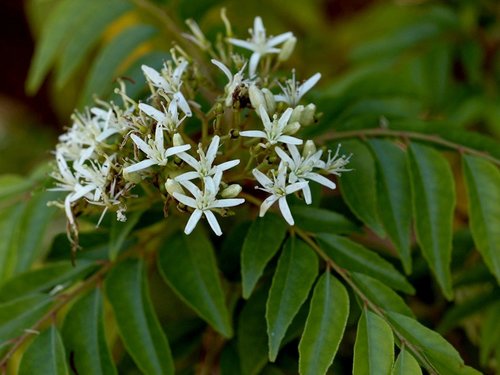
Curry leaf
Murraya koenigii
Used for chronic fever in Sri Lanka. Untested.
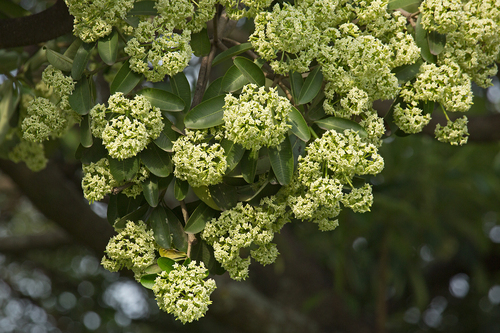
Devil tree
Alstonia scholaris
Ayurveda indicates saptaparna for jvara (fevers). It is one of four ingredients of AYUSH-64, a government-developed Ayurvedic formula used for malaria and other febrile illnesses; trials of the formula do not isolate this herb.
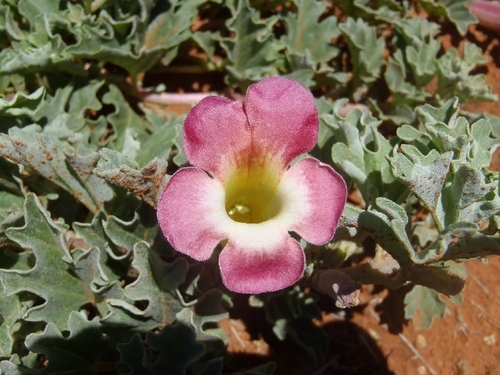
Devil's claw
Harpagophytum procumbens
Southern African healers used infusions and decoctions for fever, pain, in childbirth and as a tonic, and the dry powder as a wound dressing.

Durian
Durio zibethinus
In Malaya a decoction of the leaves and roots was prescribed as a febrifuge and leaf juice was applied to a feverish patient's head; a Malay prescription combining durian root with other plants was recorded in 1930. Untested clinically.
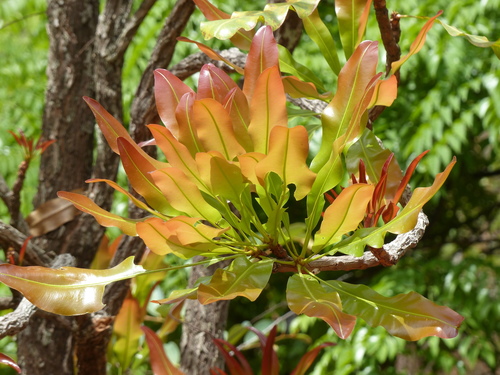
Dwarf red ironwood
Lophira lanceolata
Healers in the West Region of Cameroon use the stem bark for fevers and malaria; African folk medicine more widely uses the plant for fever.

Early purple orchid
Orchis mascula
Langham (1579) recorded the tuber as antipyretic and against consumption; this is historical use only.
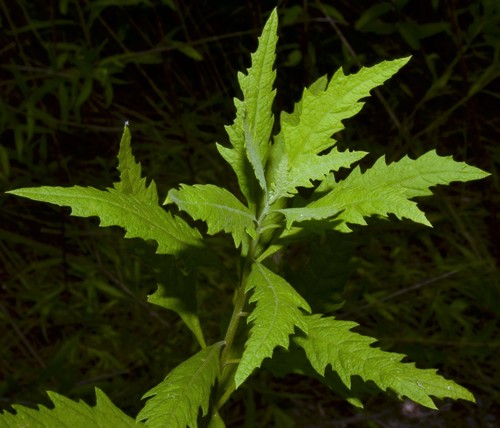
Epazote
Dysphania ambrosioides
Used in Moroccan folk medicine as an antipyretic; a 4-year-old girl given four cups of infusion plus a whole-body poultice for fever died within hours of multi-organ failure.

Fever bush
Dicoma anomala
Known as fever bush; used for fever among the Basotho of the eastern Free State and in Setswana-speaking North West Province, South Africa. Not tested in people.

Fever tea
Lippia javanica
Used to treat fever throughout its range. Not tested in people.

Feverfew
Tanacetum parthenium
The name comes from its use for 'intermittent fevers'; WHO lists fever among folk uses not supported by experimental or clinical data.
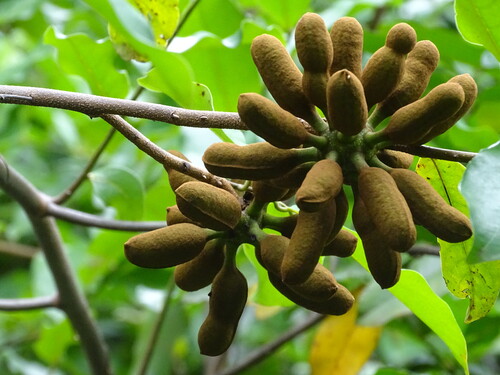
Finger root
Uvaria chamae
One of fourteen Ghanaian plants used in folk medicine for fever and malaria that were screened in the lab; fever is also among its recorded uses in West Africa.
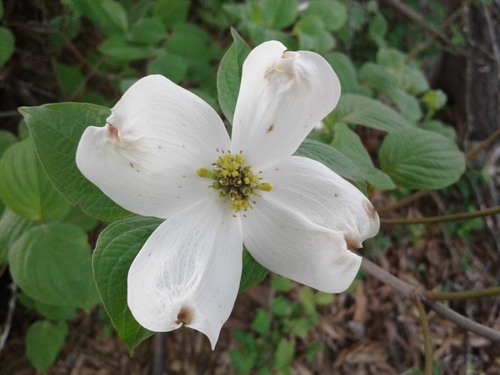
Flowering dogwood
Cornus florida
Cherokee healers used the root bark as a febrifuge, and the Houma drank a decoction of root or bark scrapings for fever. King's American Dispensatory (1898) recommends the dried bark for periodic and typhoid fevers. Nineteenth-century writers also say twigs were chewed to prevent fevers.
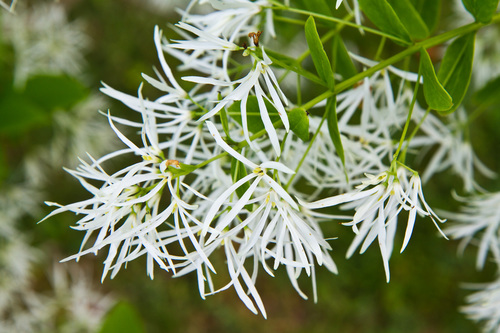
Fringe tree
Chionanthus virginicus
Earlier editions of King's recommended an infusion of the root bark in bilious, typhoid and intermittent fevers. By 1898 the editors noted it was 'now but very little used' for these.
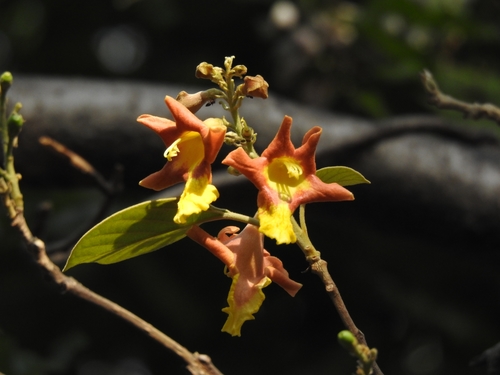
Gamhar
Gmelina arborea
Recorded in Indian traditional medicine for fever and burning sensations; leaf paste is applied to the forehead for headache in fevers. Not tested clinically.
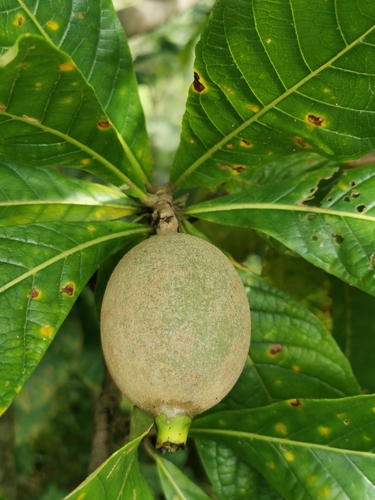
Genipap
Genipa americana
The leaves are used traditionally for fever. Not tested clinically.
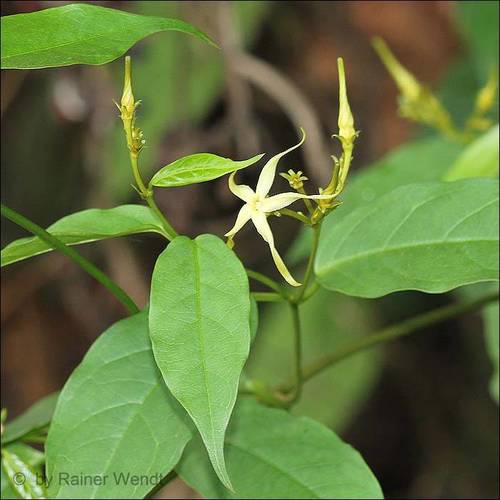
Ghana quinine
Cryptolepis sanguinolenta
The root is used in West Africa for fever, and roots and leaves for pyrexia, malaria, hypertension and inflammation.
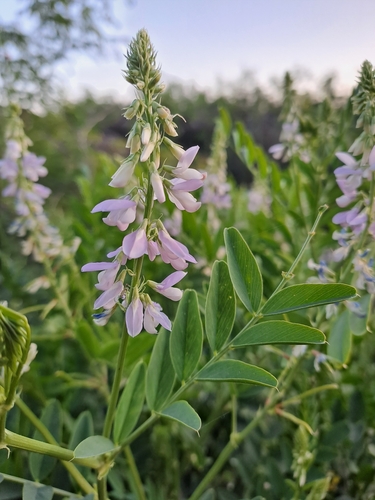
Goat's rue
Galega officinalis
Historically used for malignant fevers, bubonic plague, tuberculosis, epilepsy, worms and other infections; no evidence.
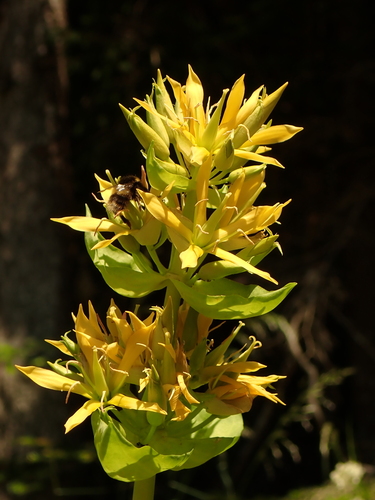
Great yellow gentian
Gentiana lutea
WHO records traditional use as a febrifuge and tonic, with no clinical data.
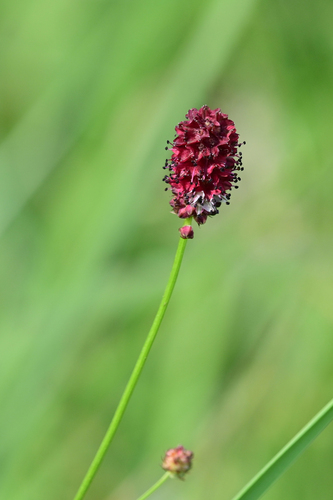
Greater burnet saxifrage
Pimpinella major
Part of the same Lower Austrian tradition for fevers and infections.
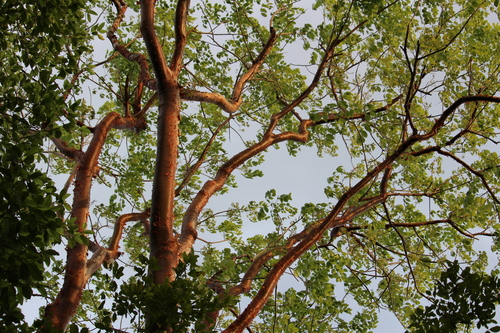
Gumbo-limbo
Bursera simaruba
Used mainly as an antipyretic across Mesoamerica: bark macerations are applied as washes against fever. No clinical studies exist.
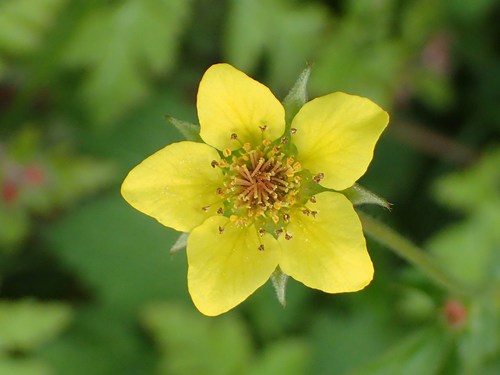
Herb bennet
Geum urbanum
The aerial-part infusion was used for fevers, leucorrhoea and haemorrhages.
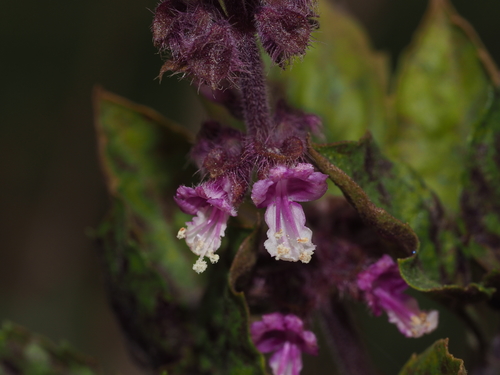
Holy basil (Tulsi)
Ocimum tenuiflorum
Recorded in Ayurveda for fevers; roots and stems traditionally used in malaria. Not clinically tested for fever.

Indian aconite
Aconitum ferox
In the Indian Himalaya the tubers, after detoxification, are recorded for fever, throat pain, tonsillitis and stomach ache; there are no clinical trials.
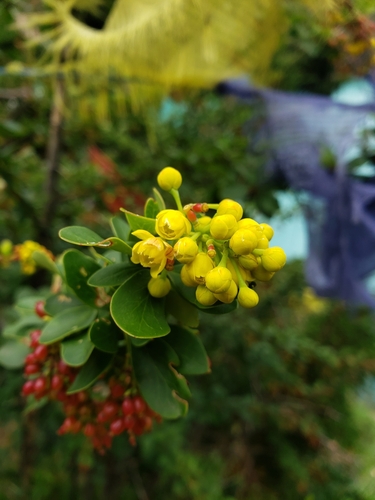
Indian barberry
Berberis aristata
Used as an antipyretic and for malarial fever in Ayurveda.
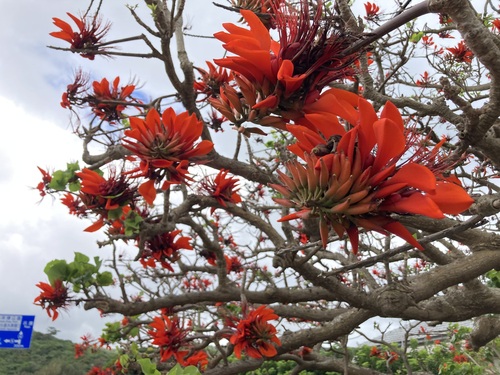
Indian coral tree
Erythrina variegata
The bark is an ingredient of the Thai antipyretic remedy Mahanintangthong, and leaves and bark are used for fever in India; not tested clinically.
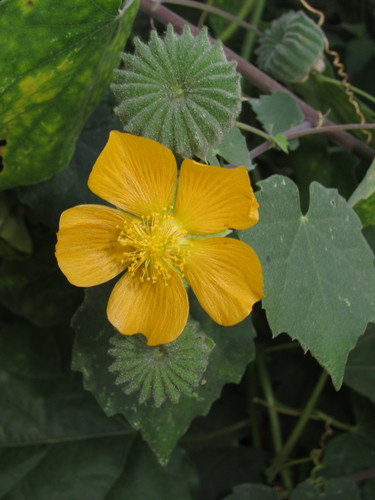
Indian mallow
Abutilon indicum
Bark is recommended as a febrifuge in Ayurveda, and a root infusion is given for fever. Untested.
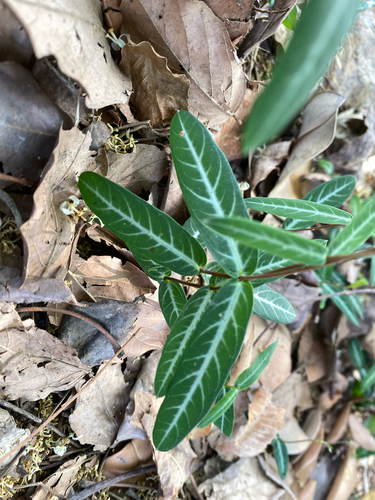
Indian sarsaparilla
Hemidesmus indicus
Listed among Ayurvedic and wider Indian traditional uses of the root for fever; untested in humans.

Ipecacuanha
Carapichea ipecacuanha
With opium, ipecacuanha was a main ingredient of Dover's powder, given for fevers and agues for some 200 years from the eighteenth century.
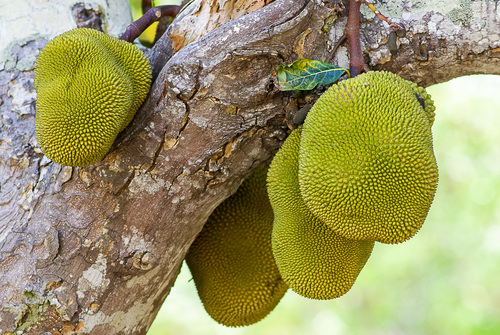
Jackfruit
Artocarpus heterophyllus
Parts of the tree are used for fever in traditional medicine; not clinically tested.

Jelly ear (wood ear)
Auricularia auricula-judae
In Chinese food medicine, soups made with the Asian wood ear (A. heimuer) are taken for colds and fevers in the belief that they 'reduce heat'. Untested.
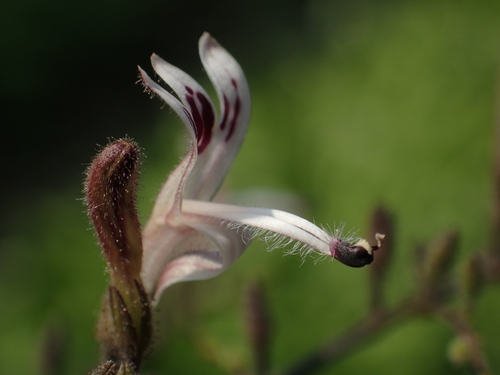
Kalmegh
Andrographis paniculata
Used in Chinese medicine and in Thailand to bring down fever; WHO records a decoction of 3 g twice daily for fever.
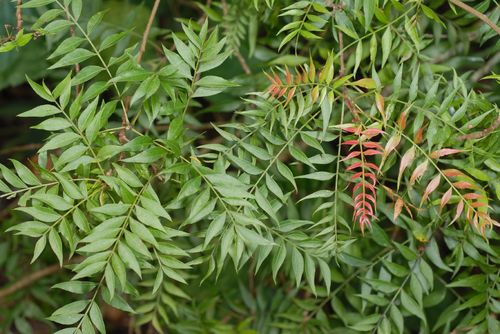
Karkatashringi
Pistacia integerrima
Galls are listed in traditional use for fever, vomiting and liver disease (hepatitis).
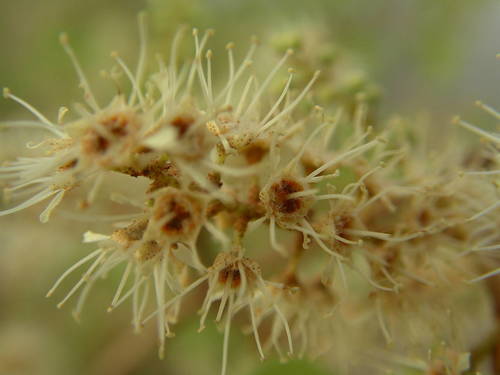
Kinkeliba
Combretum micranthum
Leaf infusions are taken for fever.
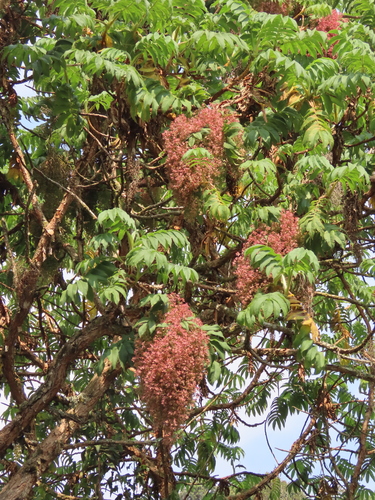
Kosso
Hagenia abyssinica
Bark, flowers, roots and leaves are used for fever, stomach ache, colds and cough.
Kudzu
Pueraria montana var. lobata
Chinese materia medica from the Shennong Bencao Jing onward record the root for fever, thirst and vomiting; it is classed as sweet, pungent and cool, 'relieving muscle fever'.
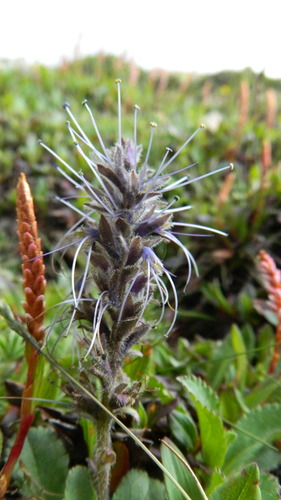
Kutki
Picrorhiza kurroa
Pharmacopoeial and traditional use for fever, including periodic (malarial) fevers.
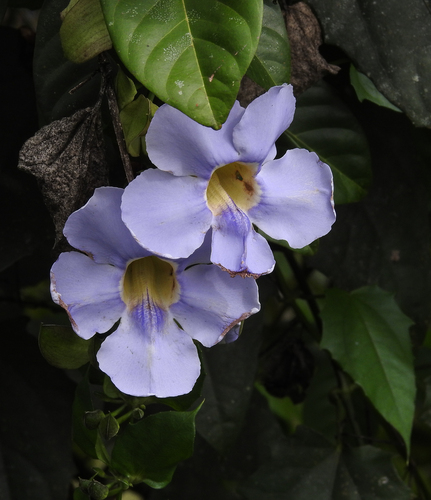
Laurel clock vine
Thunbergia laurifolia
Approved on the Thai essential medicines list for its antipyretic property; not tested in clinical trials.
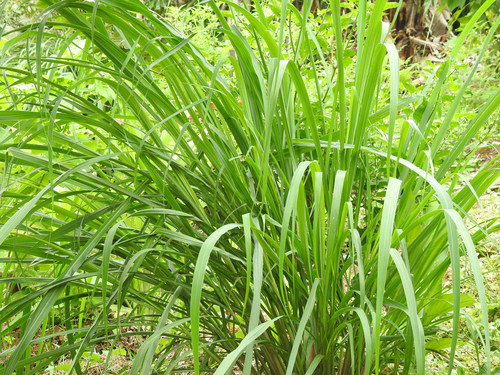
Lemongrass
Cymbopogon citratus
Leaf decoctions are a traditional antipyretic in north-eastern Thailand; one of its English names is 'fever grass'. Not clinically tested for fever.
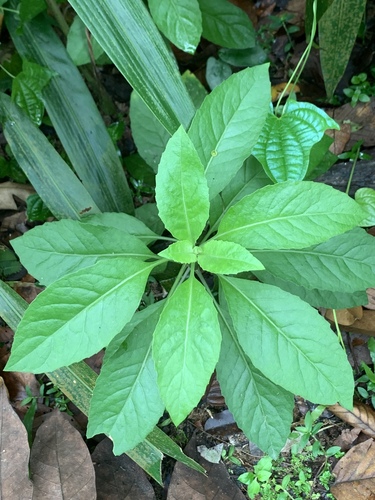
Longevity spinach
Gynura procumbens
Used for fever in Vietnam; no clinical data.

Lophatherum
Lophatherum gracile
The Chinese Pharmacopoeia (2020) lists it for feverish heartburn and thirst; in formulas with talc, apricot seed and bupleurum it is given for fever. Extract flavonoids are anti-inflammatory in lab tests, but there are no clinical trials.
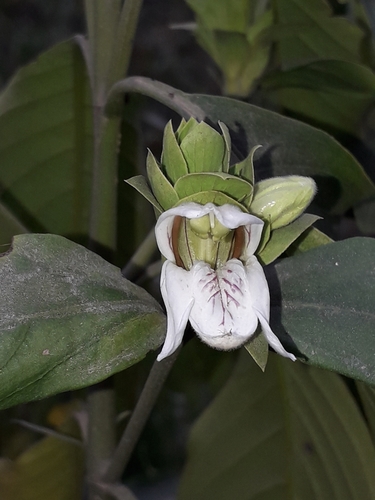
Malabar nut
Justicia adhatoda
Also traditionally given for colds, headache, fever, jaundice and diarrhoea.
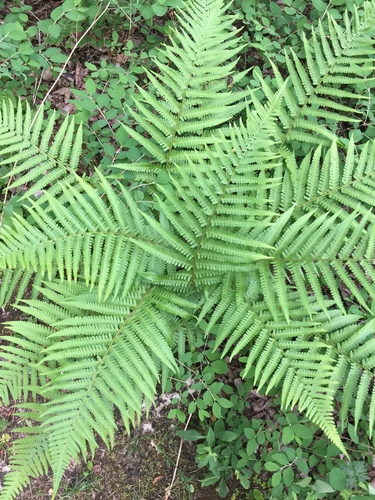
Male fern
Dryopteris filix-mas
In inland southern Italy a root decoction was recorded (by one informant) for fever and infections.
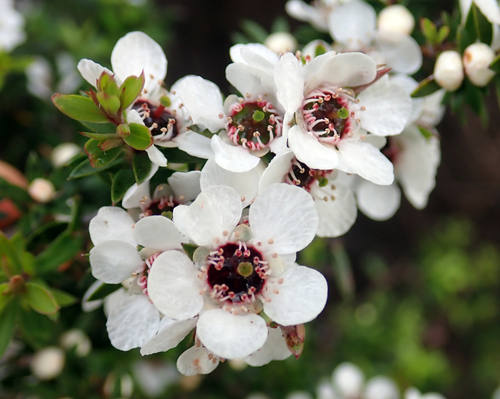
Mānuka
Leptospermum scoparium
Māori made infusions of mānuka to treat fevers; not clinically tested.

Maqui
Aristotelia chilensis
Used by the Mapuche as an anti-inflammatory for fever; untested.
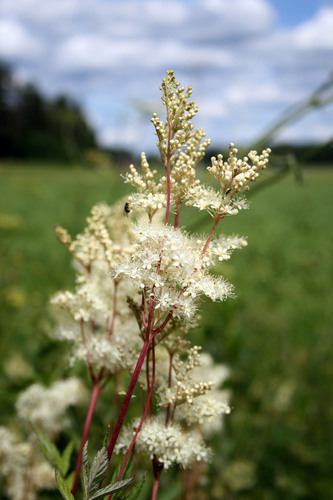
Meadowsweet
Filipendula ulmaria
Older European handbooks describe the flowers as a diaphoretic for flu, colds and chills; tea yields only trace salicylates, so it is not equivalent to aspirin.
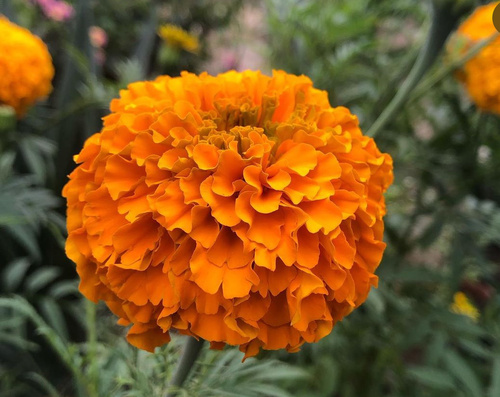
Mexican marigold
Tagetes erecta
Used for fevers in Yucatán, Tabasco, Oaxaca and Veracruz; Hernández recommended it for intermittent fevers and Brunfels (1530) gave it in warm water for fever. No clinical data.
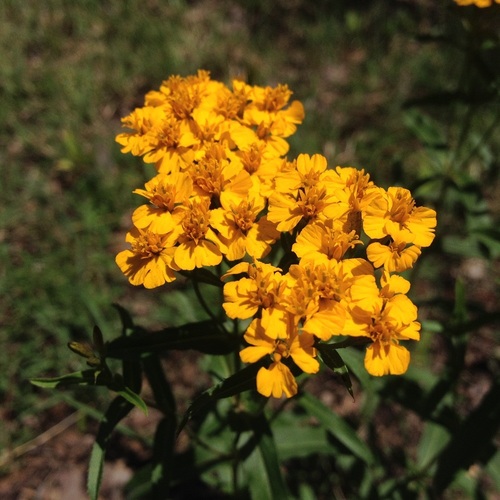
Mexican tarragon
Tagetes lucida
An infusion is taken, and the smoke of the burning plant inhaled, for intermittent fevers; the Florentine Codex also mentions fever.
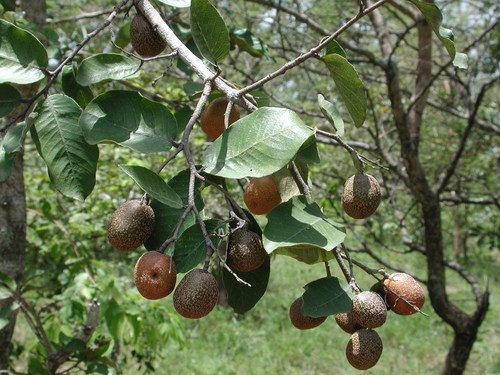
Mobola plum
Parinari curatellifolia
Fever and pneumonia are among the uses recorded for the plant in African traditional medicine. It has not been tested clinically.

Neem
Azadirachta indica
Leaves, bark and other parts are used for fever and infection in South Asian traditional medicine, without clinical proof.
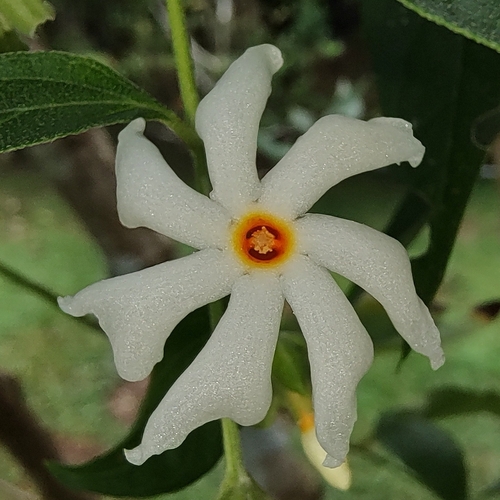
Night jasmine
Nyctanthes arbor-tristis
Its main traditional use in India is for intermittent and chronic fevers, including 'fever with rigors'. A leaf extract lowered yeast-induced fever in rats. It has not been tested in people for fever outside the malaria studies.
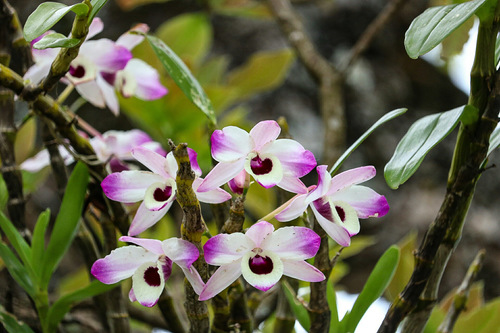
Noble dendrobium
Dendrobium nobile
Used to 'clear heat'; dendrobine shows antipyretic and analgesic effects in animal studies.

Nutgrass
Cyperus rotundus
Used for fever in Ayurveda and West Asian folk medicine.

Patchouli
Pogostemon cablin
Patchouli and its preparations, especially patchouli water, are used in China at all stages of heat illness and heat stroke management; mechanistic work is computational only.
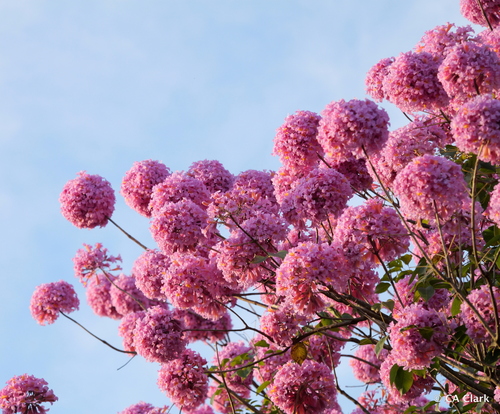
Pau d'arco
Handroanthus impetiginosus
Traditionally used across Latin America for fever and malaria.
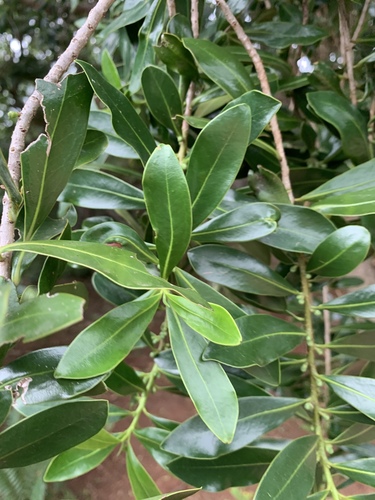
Pepper-bark tree
Warburgia salutaris
Used for febrile complaints and malaria; antimalarial activity has been shown in vitro.
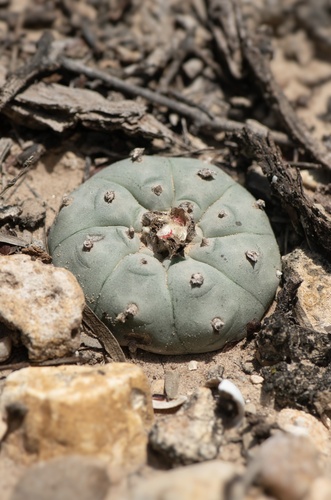
Peyote
Lophophora williamsii
Recorded Indigenous uses include fever, flu and tuberculosis.
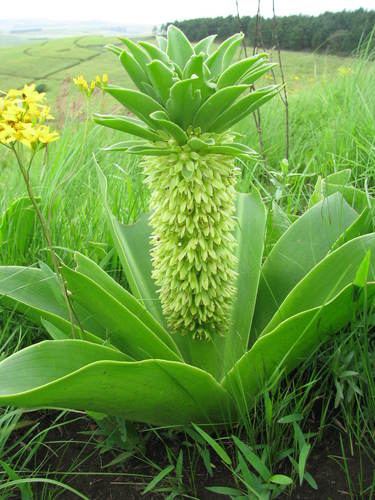
Pineapple flower
Eucomis autumnalis
Decoctions are used for fevers, biliousness, colic and flatulence. No clinical testing.
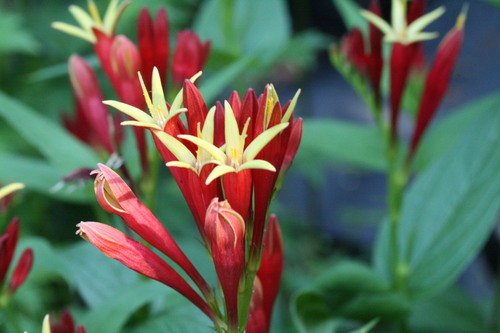
Pinkroot
Spigelia marilandica
Barton (1802) quoted Dr Garden's use of the decoction in 'worm-fevers' and thought it useful in some feverish illnesses of children. This is 18th–19th-century clinical opinion only.

Pointed gourd
Trichosanthes dioica
Leaf juice is used as a febrifuge, and Ayurveda classes the leaves as antipyretic. No clinical trials were found.
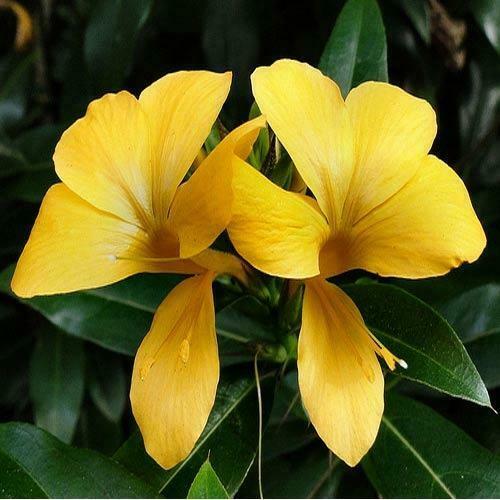
Porcupine flower
Barleria prionitis
Fever is among its recorded traditional uses.
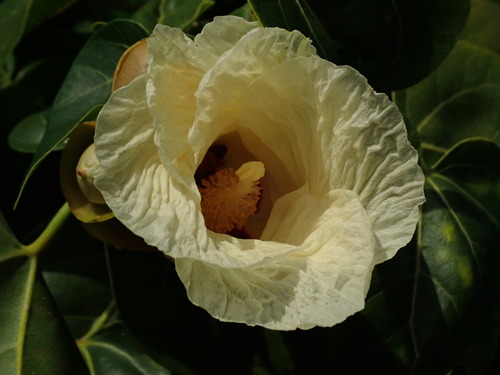
Portia tree
Thespesia populnea
In Tahiti and the Society Islands, seeds crushed and mixed with water, or with coconut water, are used to bathe or give by mouth to feverish children. In a 2023 survey it was the second most cited fever remedy. Seed extracts had antipyretic effects in animals.
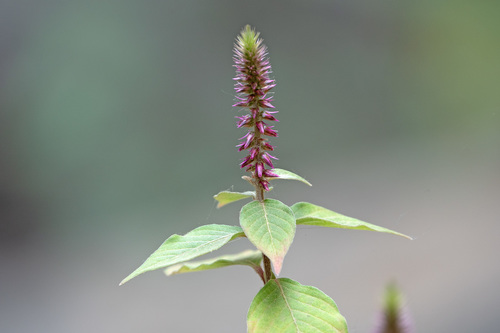
Prickly chaff flower
Achyranthes aspera
Used in Chinese medicine for colds with fever, tonsillitis, diphtheria and mumps, as a heat-clearing herb. Not clinically tested.
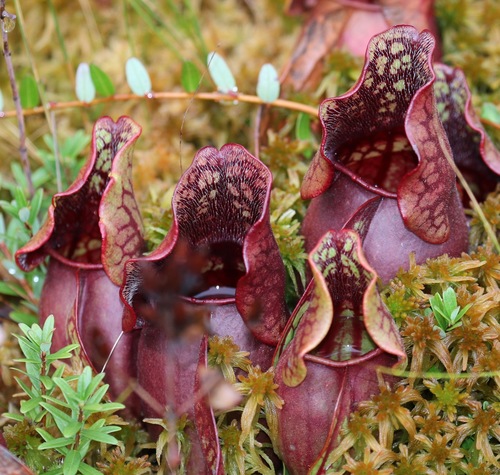
Purple pitcher plant
Sarracenia purpurea
Iroquois infusions of the leaves were taken for high fever, chills and shakiness.
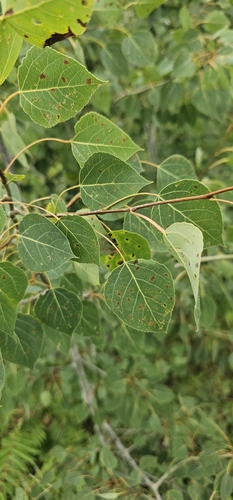
Quaking aspen
Populus tremuloides
Indigenous North Americans and settlers in the western US extracted a substance from the bark as a substitute for quinine.
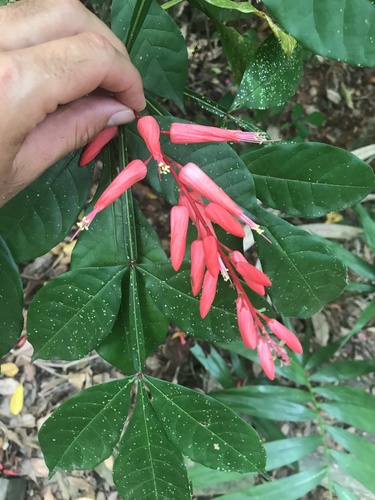
Quassia
Quassia amara
A febrifuge in French Guianese Creole medicine, and widely used there during the COVID-19 pandemic.
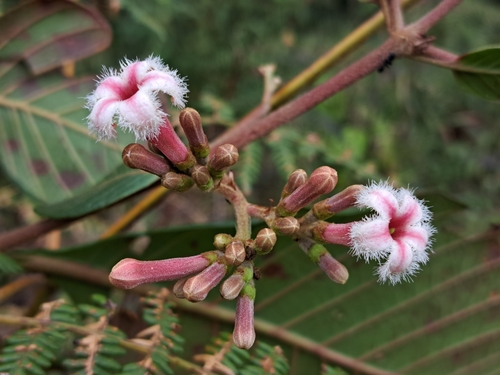
Red cinchona
Cinchona pubescens
The bark was not part of the Inca pharmacopoeia but appears to have been used by Andean peoples against shivering, and was first documented in Spanish use in Peru around 1630.
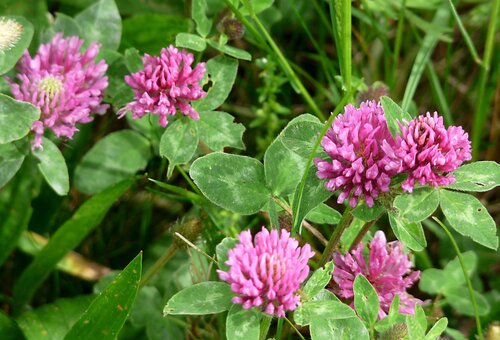
Red clover
Trifolium pratense
Cherokee healers gave an infusion for fevers; untested clinically.
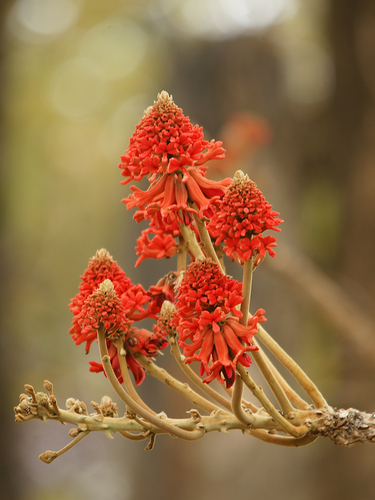
Red-hot-poker tree
Erythrina abyssinica
Fevers are treated together with malaria using decoctions of the root and bark across East Africa.

Rehmannia
Rehmannia glutinosa
The Chinese Pharmacopoeia, as cited by WHO, lists symptomatic treatment of fevers, skin eruptions and sore throat.
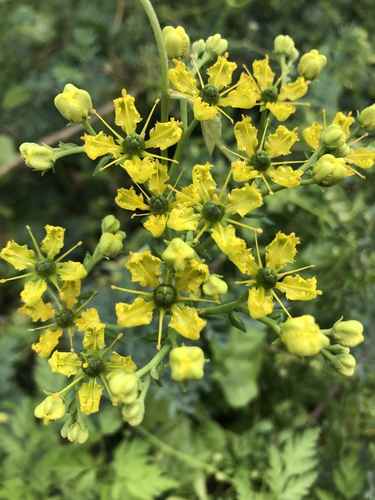
Rue
Ruta graveolens
In Chinese medicine it 'clears heat and detoxifies' and is used for colds, fevers and children's fevers with convulsions.
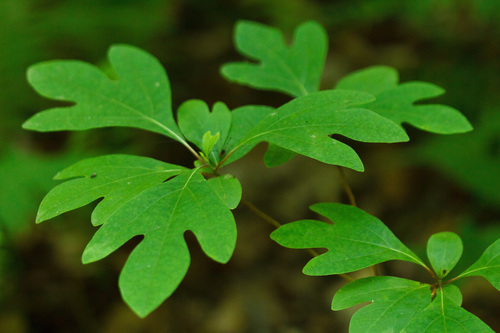
Sassafras
Sassafras albidum
Root-bark infusions were taken for fevers (MSK) and ague (Cherokee); Iroquois women took a root infusion for fever after childbirth.
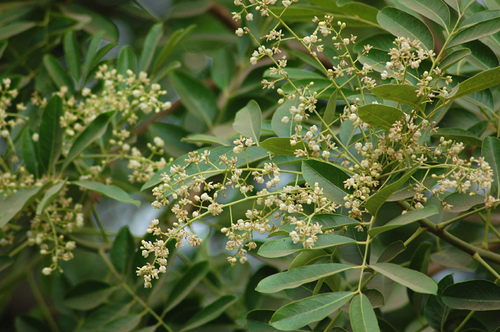
Senegal mahogany
Khaya senegalensis
Recorded traditional uses include fever, headache, rheumatism, jaundice and epilepsy; these are cited in trial introductions but have not been tested in people.
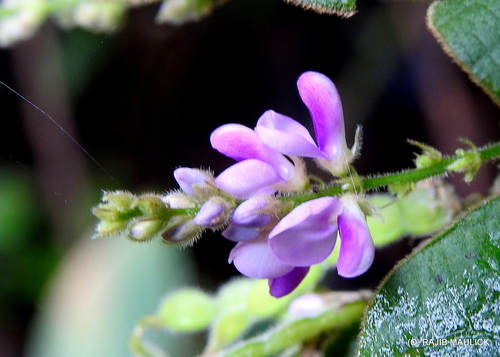
Shalaparni
Desmodium gangeticum
Used as a febrifuge in Ayurveda; tribal communities in Kerala's Western Ghats use it for fever, including typhoid fever. Untested in people.

Siberian musk deer
Moschus moschiferus
Used in Tibetan medicine to prevent and treat epidemic febrile illnesses; only computer-modelling studies have followed.
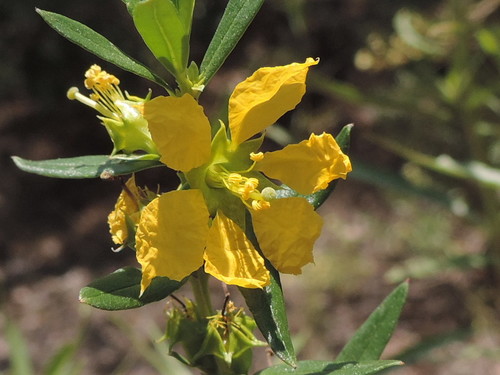
Sinicuichi
Heimia salicifolia
The aerial parts have a wide folk reputation from Mexico to Argentina as sudorific and antipyretic.
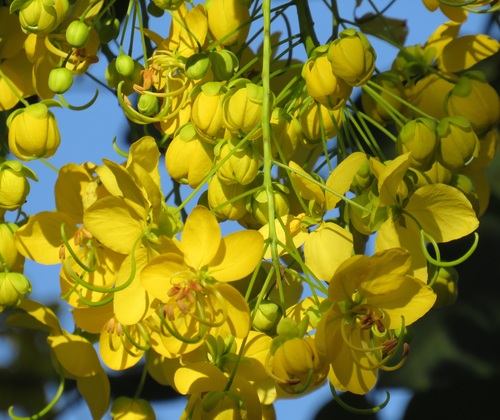
Sjambok pod
Cassia abbreviata
Fever and headache are recorded uses.
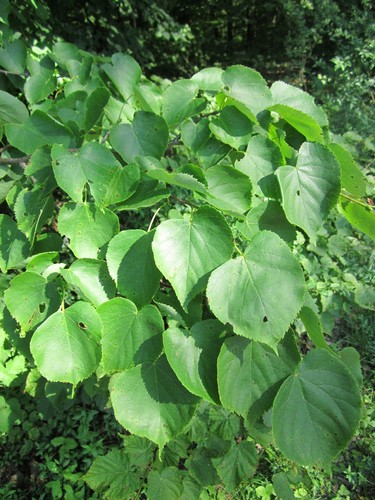
Small-leaved lime
Tilia cordata
Since the Middle Ages it has been drunk hot as a 'sweat tea' to promote perspiration. Germany and Poland have authorised it as a diaphoretic for feverish colds. EMA folded this into its common-cold indication.
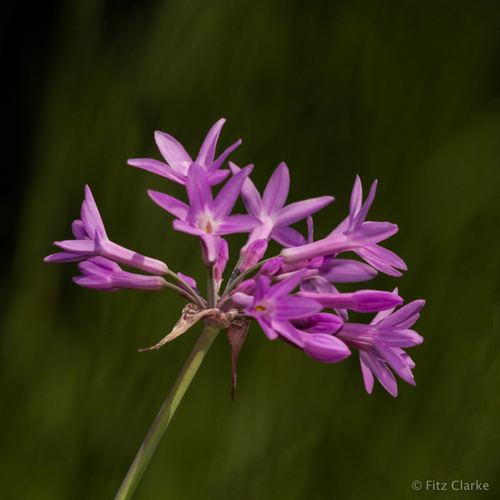
Society garlic
Tulbaghia violacea
Fever and colds are among its main folk uses in South Africa.
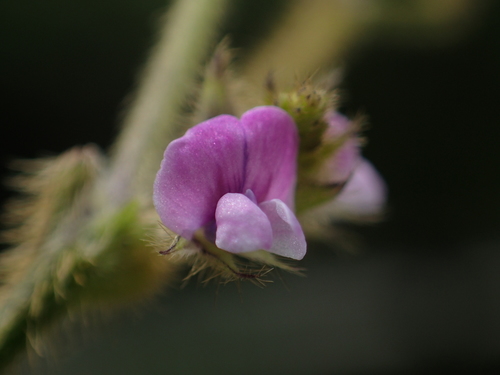
Soybean
Glycine max
Li Shizhen lists fermented soybean for 'cold damage' fevers, seasonal epidemics and the irritability and stuffiness that come with them.

Spiked ginger lily
Hedychium spicatum
Fever is a classical indication of Shati.
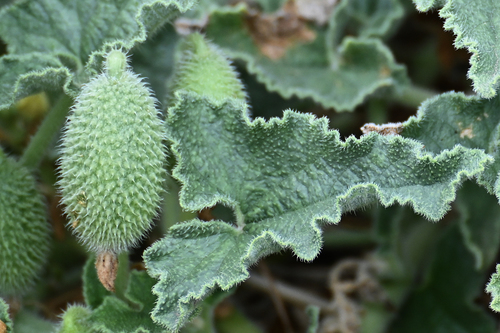
Squirting cucumber
Ecballium elaterium
Used for fever and flu in Mediterranean folk medicine, as an infusion, fruit mixture or inhaled spray.
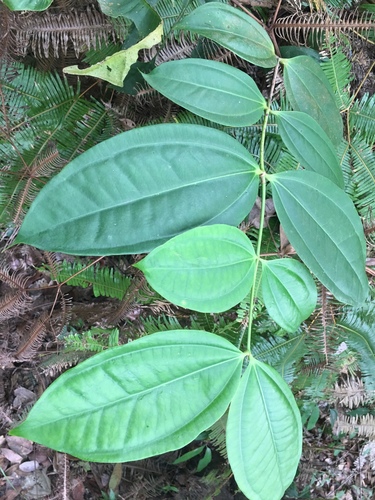
St Ignatius bean
Strychnos ignatii
In 1832 the seeds were described as used in Manila for intermittent fevers; Jakun healers in Johor, Malaysia, drink a stem decoction or infusion for fever, and it was their most-cited plant in a study of tuberculosis remedies.
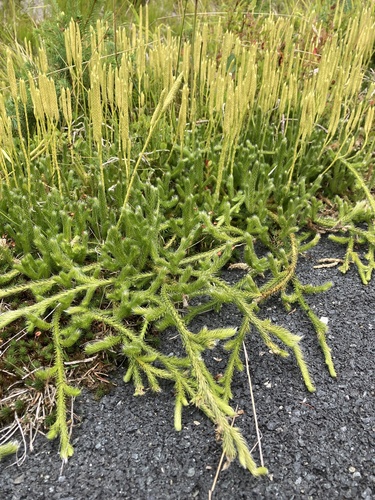
Stag's-horn clubmoss
Lycopodium clavatum
The Montagnais (Innu) took a brew of the plant for weakness and fever.
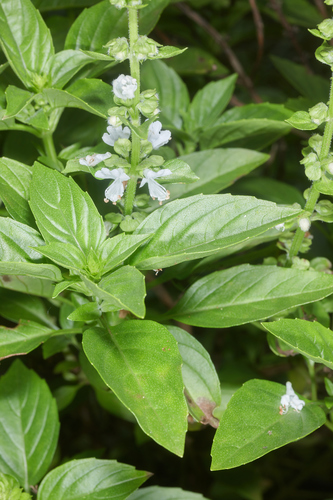
Sweet basil
Ocimum basilicum
Recorded in Indian ethnobotanical surveys as a leaf-and-seed decoction for fever; untested clinically.

Sweet violet
Viola odorata
Used as an antipyretic; Iran registers violet syrup as a traditional antipyretic and antitussive. A small trial of violet oil drops in children with febrile neutropenia has been done, but its results are not summarised in the sources read here.
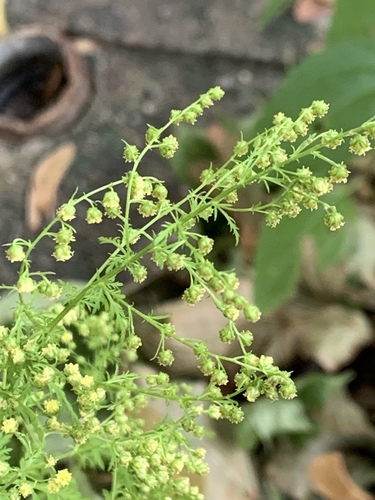
Sweet wormwood
Artemisia annua
Used in traditional Chinese medicine for intermittent fevers, which are now related to malaria.
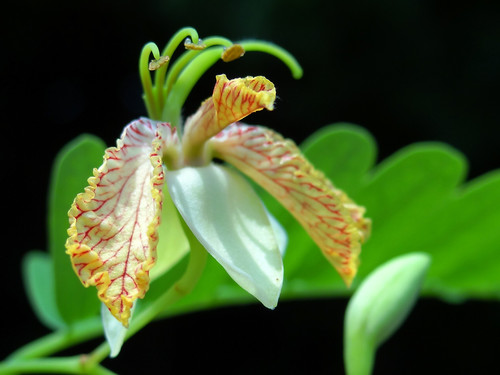
Tamarind
Tamarindus indica
In Southeast Asia the pulp is applied as a poultice to the forehead in fever; in West Africa and the Americas pulp drinks are taken for fever and sunstroke.
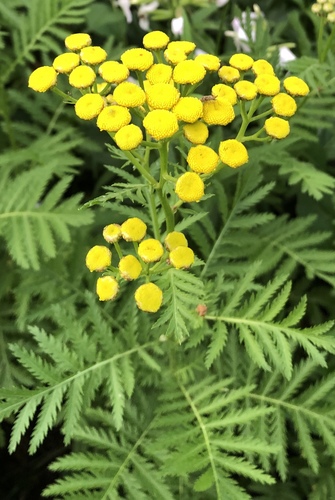
Tansy
Tanacetum vulgare
The Chippewa took a compound infusion of the leaves to 'break up a fever' and to cause sweating; the Ojibwa used the plant as a fever medicine.

Teak
Tectona grandis
Leaves are used in traditional medicine for fever and malaria; there is no clinical evidence.
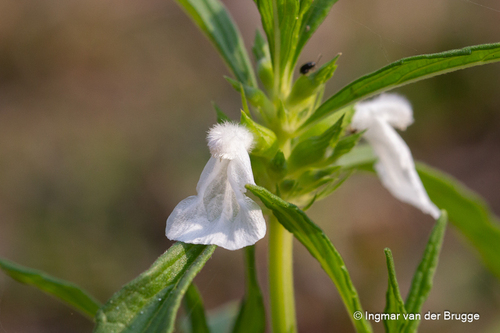
Thumbai
Leucas aspera
Used traditionally as an antipyretic; flowers are valued as a diaphoretic. Untested in people.
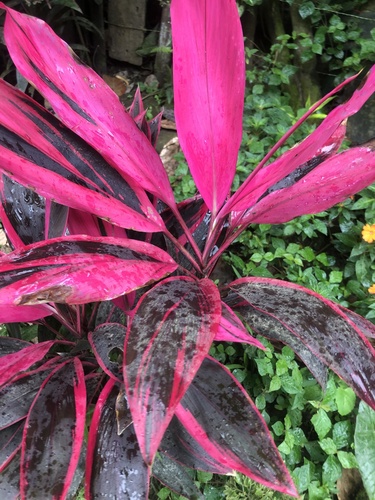
Ti plant
Cordyline fruticosa
Leaf shoots are used for fever, headache and general body pain in East Sepik, Papua New Guinea; the Kadazan-Dusun of Sabah use the roots for high fever. Untested.

Tiger milk mushroom
Lignosus rhinocerotis
Recorded among the uses of the wild sclerotium by Indigenous peoples of the region ("Aborigines" in the source); not clinically tested.
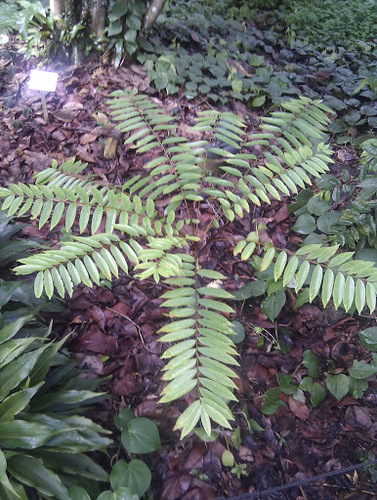
Tongkat ali
Eurycoma longifolia
Root bark is used in folk medicine for fever and diarrhoea.
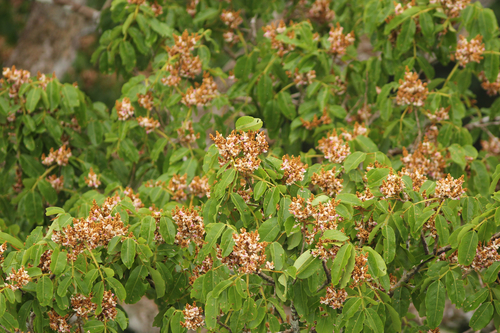
Tonka bean
Dipteryx odorata
In the 17th century the Capuchin missionary Claude d'Abbeville recorded that the Tupinambá of Maranhão took the powdered seeds dissolved in water against fever. Amazonian medicine still lists fever among its uses. It has never been tested clinically.
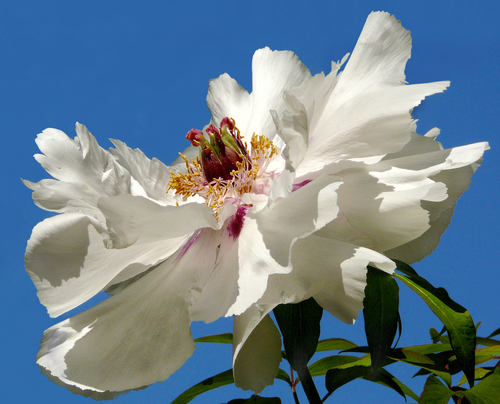
Tree peony
Paeonia suffruticosa
Chinese medicine uses the raw bark as an antipyretic, to 'clear excessive heat and cool the blood'; no clinical trials of the bark alone were found.

Tree turmeric
Coscinium fenestratum
Used as a febrifuge in South and Southeast Asia; untested clinically.
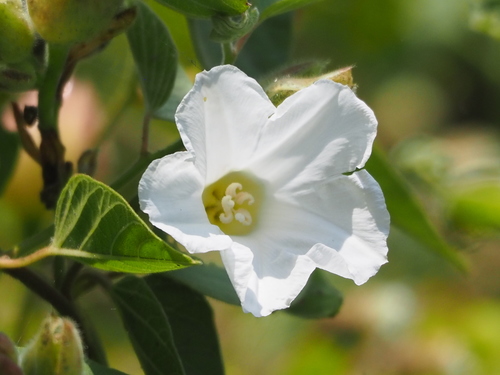
Turpeth
Operculina turpethum
Listed in Ayurveda as jvaraghna (fever-reducing), and also used for worms, ascites, oedema, anaemia, splenomegaly, gout and bloating.
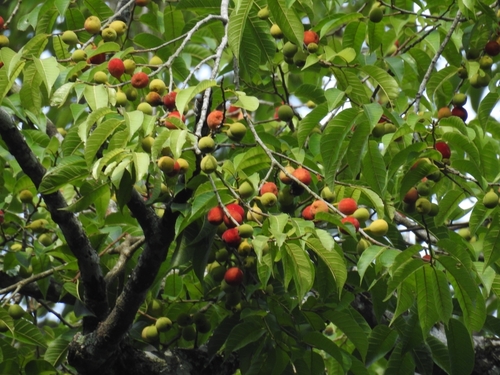
Upas tree
Antiaris toxicaria
Seeds, latex, bark and leaves have been used as antipyretics in tropical Africa and Asia; there are no clinical studies, and the plant is highly toxic.
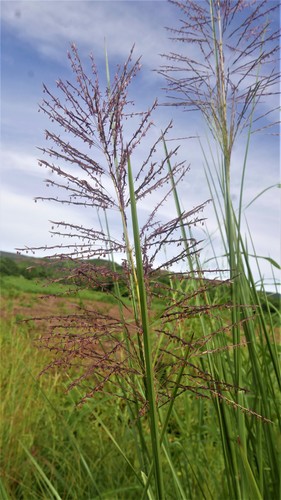
Vetiver
Chrysopogon zizanioides
Ushira is valued in Indian systems as cooling and astringent, and has been used for heat stroke, fever, headache, inflammation, digestive and skin complaints and wounds.
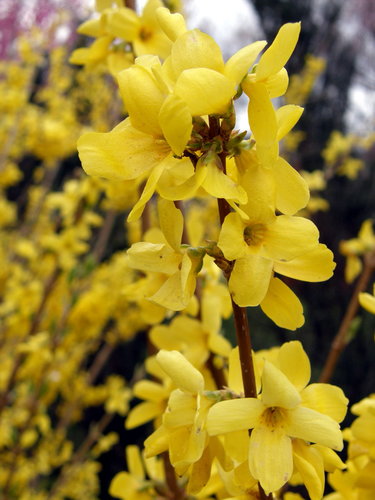
Weeping forsythia
Forsythia suspensa
Chinese herbal texts and the Chinese Pharmacopoeia describe Forsythiae Fructus as heat-clearing and detoxifying, used for fever, inflammation, carbuncles and erysipelas.
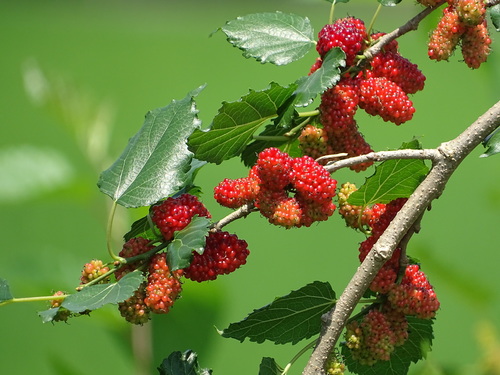
White mulberry
Morus alba
A 2023 review records the leaves as a traditional sweat-inducing, cooling and fever-reducing remedy; the traditions are not named. No clinical trials.
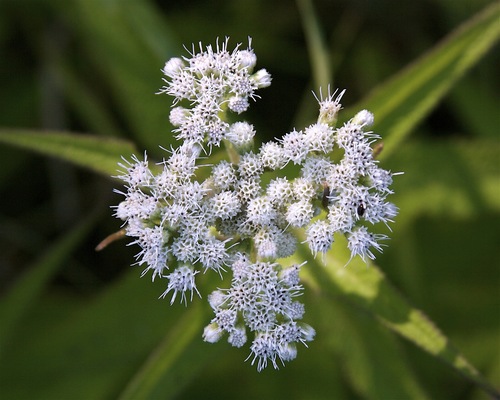
White snakeroot
Ageratina altissima
Recorded Cherokee use: taken for fever and ague.
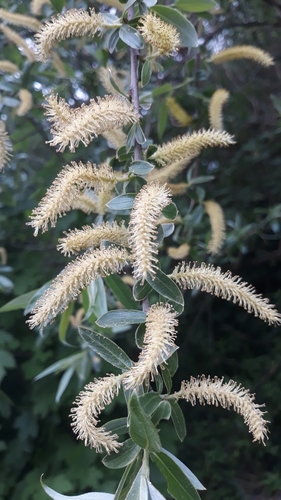
White willow
Salix alba
EMA traditional use for fever associated with the common cold; see a doctor if fever exceeds 39 °C or lasts more than 3 days.
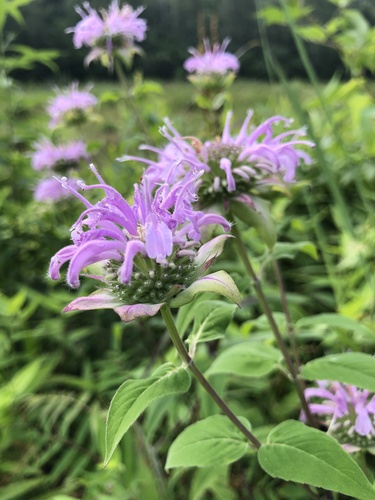
Wild bergamot
Monarda fistulosa
Cherokee used infusions as a febrifuge and to 'sweat off flu' and 'bring out measles'; Flathead took infusions for fevers, flu and chills.
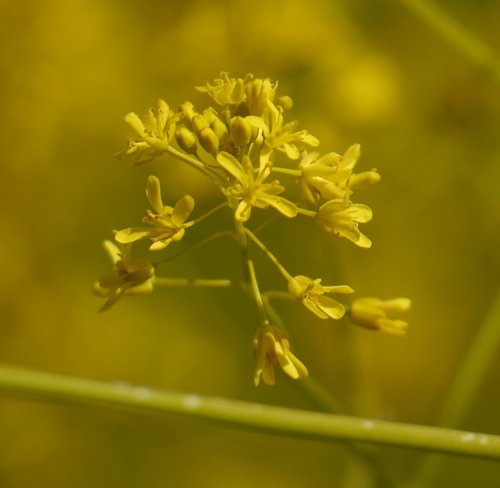
Woad
Isatis tinctoria
Classified in Chinese medicine as heat-clearing and detoxifying; the bitter root was used in Europe against scarlet fever.
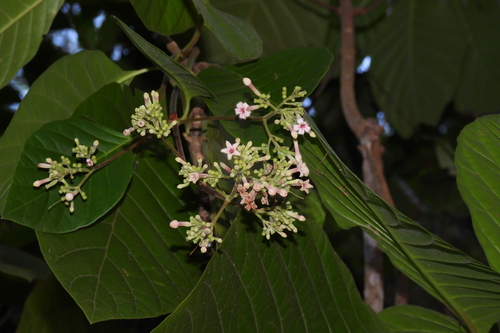
Yellow cinchona
Cinchona calisaya
The bark's reputation began as a remedy for the intermittent fevers of malaria, discovered by Jesuits in Loja (Ecuador) in the 17th century.
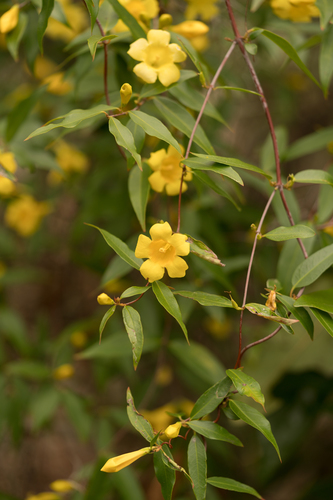
Yellow jessamine
Gelsemium sempervirens
Traditionally used for fever, despite its toxicity.
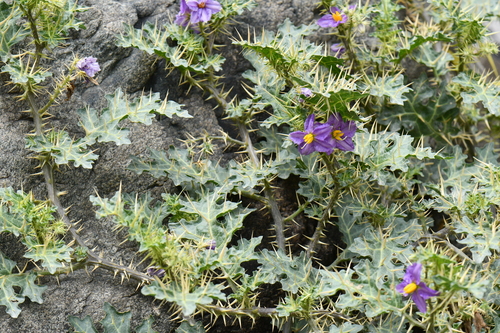
Yellow-berried nightshade
Solanum virginianum
Root paste with black pepper and ajwain, or stem decoction, is used for fever in South Asian folk medicine.
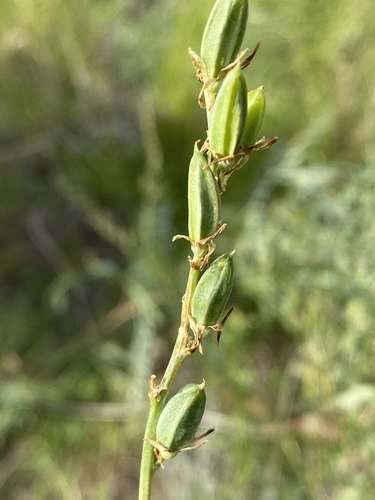
Zhi mu
Anemarrhena asphodeloides
Used for febrile disease, 'tidal fever' and night sweats from yin deficiency, and as an ingredient of Bai hu tang, a classic antipyretic formula. In LPS-induced fever in rats, Bai hu tang lowered temperature and inflammatory markers more than gypsum alone; no human trials of the herb were found.