Memoria y cognición
43 remedios
Acude al médico si
Pérdida de memoria que empeora, o confusión que aparece de repente.
Referencia, no receta. Nada de esto es consejo médico. Las hierbas pueden interactuar con medicamentos y ser peligrosas en el embarazo; informa a tu médico o farmacéutico de todo lo que tomes.
Evidencia moderada
ModeradaVarios ensayos, en su mayoría positivos, o una monografía de la EMA de ‘uso bien establecido’.
Evidencia limitada
LimitadaPocos ensayos o pequeños, resultados mixtos, o sobre todo estudios de laboratorio y en animales.
African nutmeg
Pycnanthus angolensis
A dichloromethane fraction of the stem bark (25–100 mg/kg) improved performance in maze tests in mice with drug-induced amnesia and lowered brain acetylcholinesterase activity.
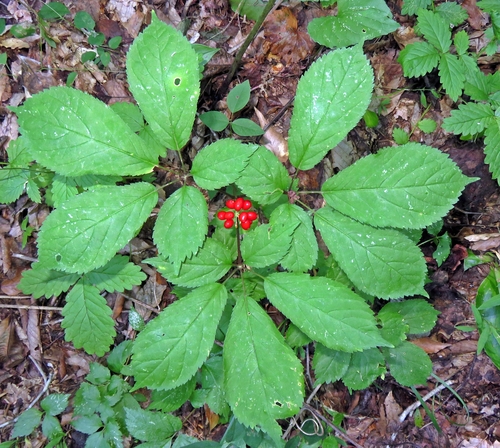
American ginseng
Panax quinquefolius
A 2026 review of double-blind trials reports that 100–400 mg doses of standardised extract improved attention and working memory in healthy adults and in people with schizophrenia. There are few trials.
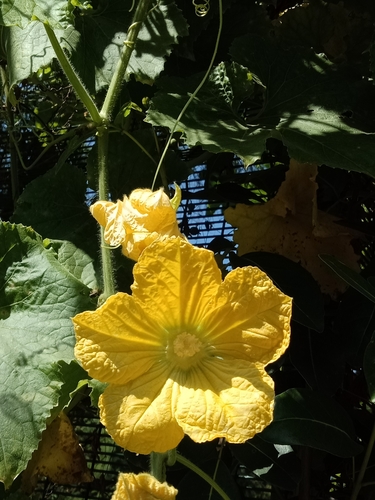
Ash gourd
Benincasa hispida
Classed in Ayurveda as a Medhya Rasayana. A review found only two clinical trials; in one, Kushmanda Ghrita given as nasal drops (Pratimarsha Nasya) for two months improved memory-span and anxiety scores about as much as Yashtimadhu Ghrita.
Asian ginseng
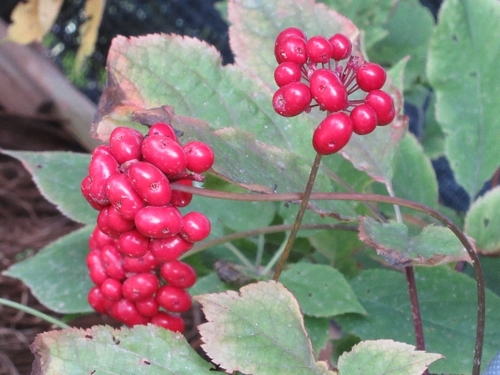
Panax ginseng
A Cochrane review found a lack of convincing evidence that ginseng improves cognition in healthy people, and no high-quality evidence in dementia. NCCIH notes small studies suggesting effects on attention and reaction time in middle-aged adults.

Brahmi (Water hyssop)
Bacopa monnieri
A 2012 systematic review of six 12-week trials (300–450 mg extract daily) found Bacopa improved 9 of 17 free-recall memory tests; the authors called the evidence limited and other cognitive effects unproven. Trials in healthy older adults found better delayed word recall.

Butterfly pea
Clitoria ternatea
Used in South India as a medhya rasayana to improve memory and intellect; extracts enhanced learning and memory in rodents, and a flower-root combination (200 mg/kg) improved memory in an Alzheimer's model in rats. No human cognitive trials were found.
Ceylon ironwood
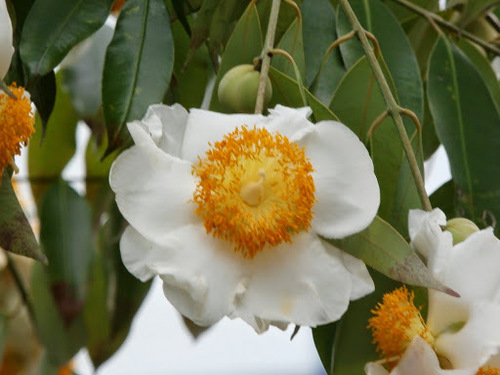
Mesua ferrea
An ingredient of the Ayurvedic Brahma Rasayana, credited with improving memory. Flower extract inhibited acetylcholinesterase and β-amyloid aggregation in vitro and improved memory in mice given scopolamine.
Chinese asparagus
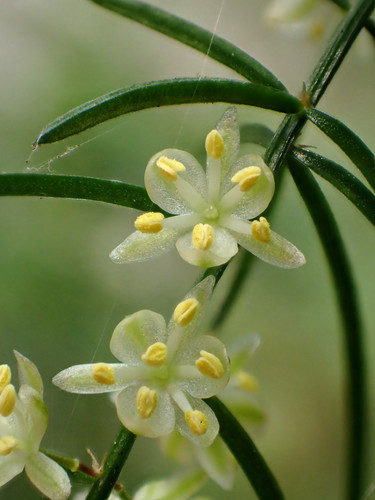
Asparagus cochinchinensis
Root extract increased nerve growth factor secretion and reduced oxidative stress in mice, and the Chinese formula Qisheng pill, which contains it, has been studied for Alzheimer's disease; no human data.
Chinese raspberry
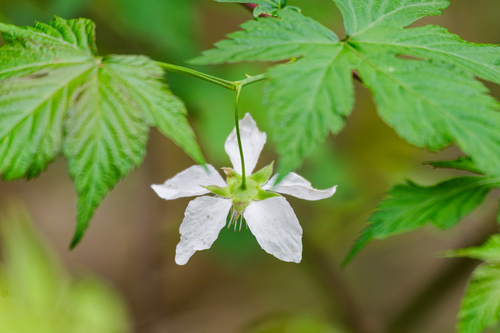
Rubus chingii
Reported in laboratory and animal studies to improve learning and memory and to delay ageing; not tested in people.
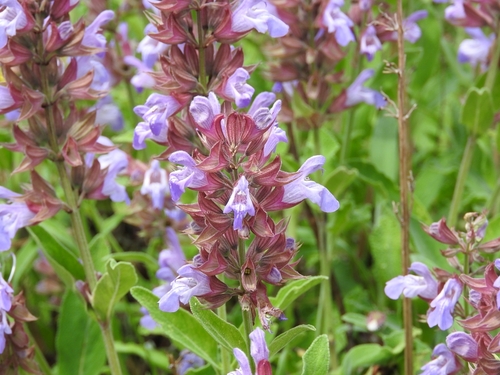
Common sage
Salvia officinalis
A 4-month placebo-controlled trial in 42 people with mild to moderate Alzheimer's disease found better cognitive scores with sage extract (60 drops daily); single-dose studies in healthy volunteers reported better memory. Trials are small.
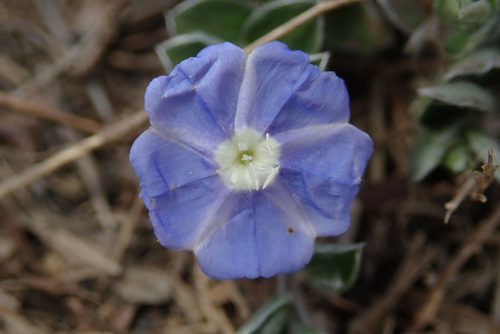
Dwarf morning glory
Evolvulus alsinoides
Ethanol extracts (100–200 mg/kg by mouth) improved learning and memory and reversed scopolamine-induced amnesia in rats and mice. No human memory trials were found.

Greek mountain tea
Sideritis scardica
The same single trial found small effects on some cognitive tasks; extracts inhibited reuptake of serotonin, noradrenaline and dopamine in rat brain preparations, and reduced amyloid in Alzheimer's model mice, but these are not evidence of benefit in people.
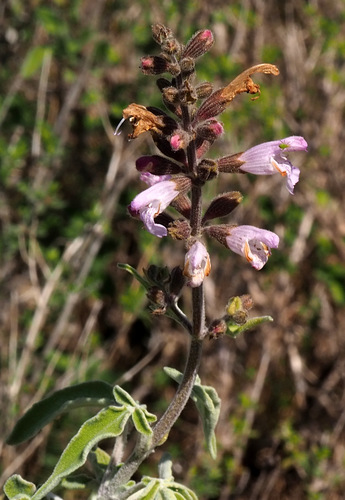
Greek sage
Salvia fruticosa
Extracts and the essential oil inhibit acetylcholinesterase in vitro, and a hydroethanolic extract reduced scopolamine-induced amnesia in mice; no human studies were found.
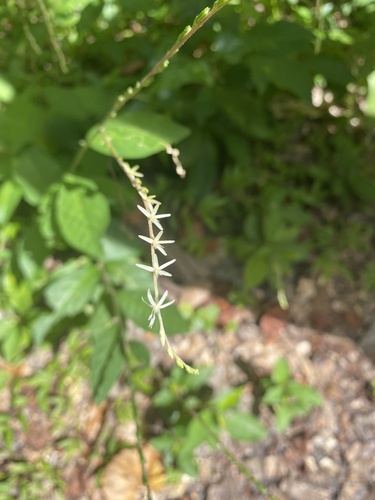
Guinea hen weed
Petiveria alliacea
Folk use for memory deficits and dementia; extracts improved learning in rats and mice in several studies. No human data.
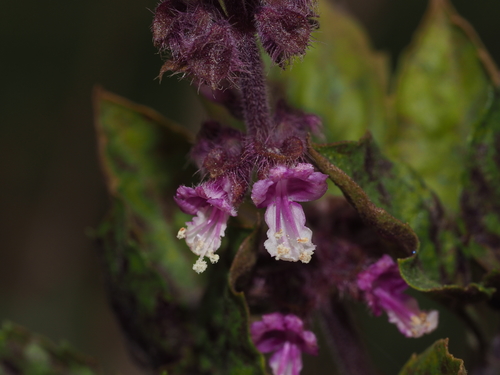
Holy basil (Tulsi)
Ocimum tenuiflorum
One well-designed trial in 40 healthy adults (300 mg extract daily for 4 weeks) reported better attention and cognitive flexibility, with working memory improving only after two weeks.
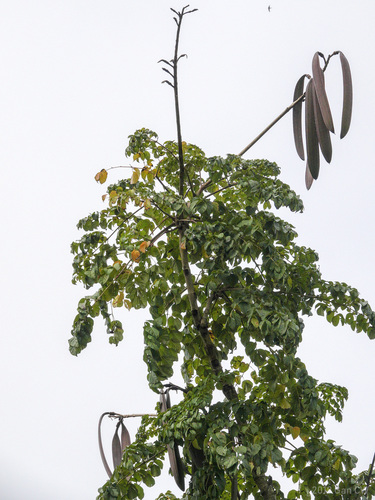
Indian trumpet tree
Oroxylum indicum
In a randomised double-blind trial of 82 adults with self-reported cognitive complaints, 500 mg twice daily of a standardised extract for 12 weeks improved episodic memory and some computer-based tasks (word recall, working memory) more than placebo, but not the MoCA score or questionnaires. It is the only controlled human trial so far.
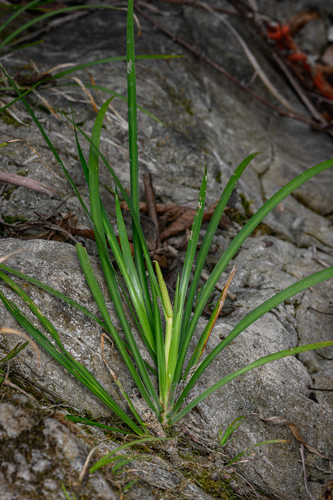
Japanese sweet flag
Acorus gramineus
The rhizomes of A. gramineus (used in Japan) and A. tatarinowii (used in China) are widely used for amnesia in traditional Chinese medicine. Rhizome oil, extracts and asarones improved memory in many rodent models; human data are limited to Chinese trials of β-asarone combined with tenuigenin, not the herb itself.
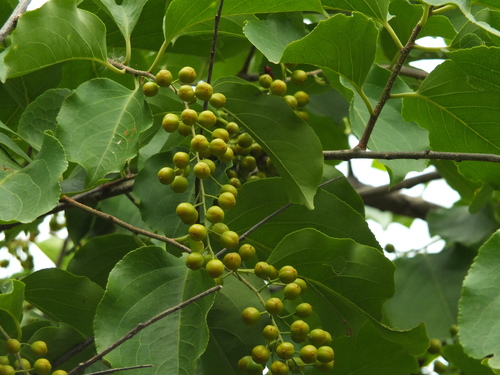
Jyotishmati
Celastrus paniculatus
Ayurveda uses the seeds to sharpen memory and intellect. Seed extract (80 mg/kg) improved memory and markers of synaptic plasticity in rats; a 2026 review states that randomised human trials are absent.
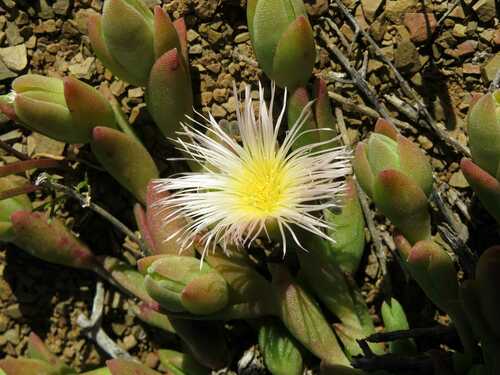
Kanna
Mesembryanthemum tortuosum
In a 3-week crossover trial in 21 healthy adults, 25 mg Zembrin daily improved executive function and cognitive flexibility; other small trials found EEG changes but no effect on reaction time or mood.
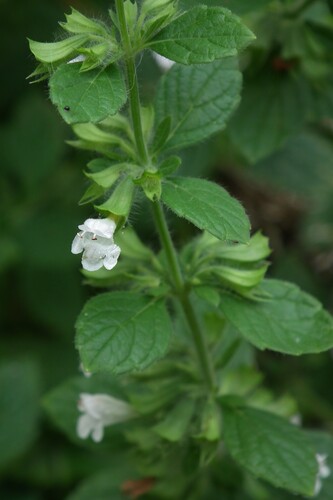
Lemon balm
Melissa officinalis
In a 20-person crossover trial a single 1600 mg dose of dried leaf improved memory and calmness, while lower doses slowed some tasks. A 42-patient Iranian trial reported better cognition in mild-to-moderate Alzheimer's disease at 4 months; a larger 96-week Japanese trial in 323 older adults with mild cognitive impairment found no difference on its main cognitive measure.
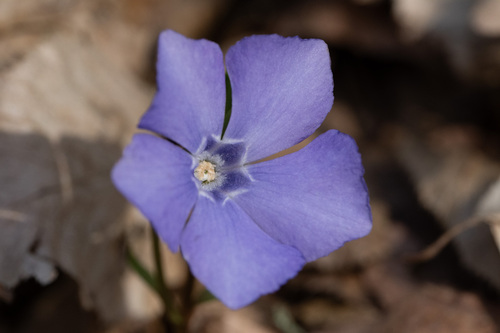
Lesser periwinkle
Vinca minor
Small studies of vinpocetine suggest better short-term memory and cognition in older people, but a systematic review found no benefit in dementia or Alzheimer's disease, and no cognitive gains were seen in healthy volunteers or people with epilepsy at the doses tested.
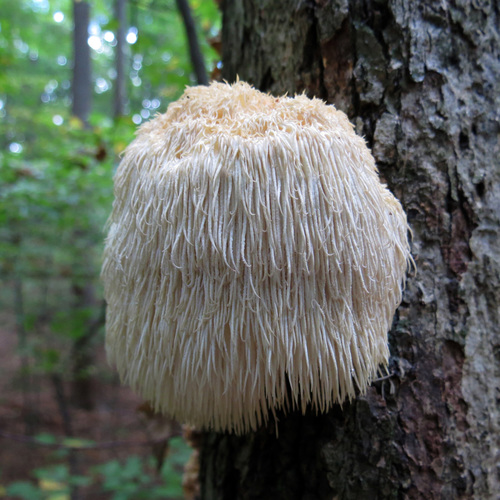
Lion's mane
Hericium erinaceus
In a Japanese trial of 30 adults aged 50–80 with mild cognitive impairment, 3 g a day of dried fruiting body for 16 weeks improved cognitive scores over placebo, but the gains faded within 4 weeks of stopping. A 49-week pilot in 49 people with early Alzheimer's using an erinacine-rich mycelium product reported better MMSE scores. A 2023 review of memory supplements found the evidence insufficient.
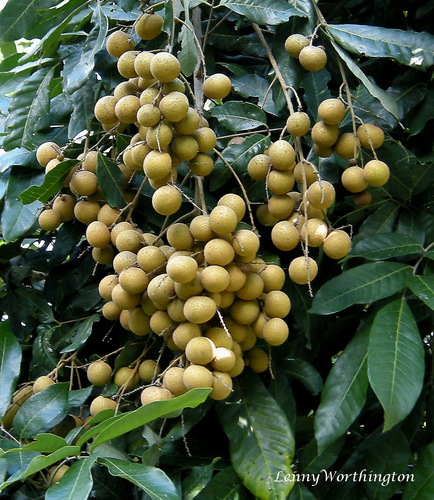
Longan
Dimocarpus longan
Guibi-tang and Kami-guibi-tang, both containing longan aril, have been tested in a handful of small trials for memory complaints, mild cognitive impairment and Alzheimer's disease with mixed results; the contribution of longan itself is unknown.
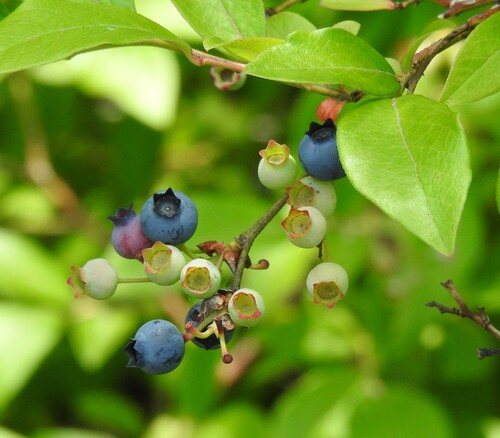
Northern highbush blueberry
Vaccinium corymbosum
A 2020 systematic review of 12 randomised trials (mostly freeze-dried blueberry powder, in children and older adults) found 8 reported improvements on some memory or cognitive tests, but doses, products and tests varied too much to combine.
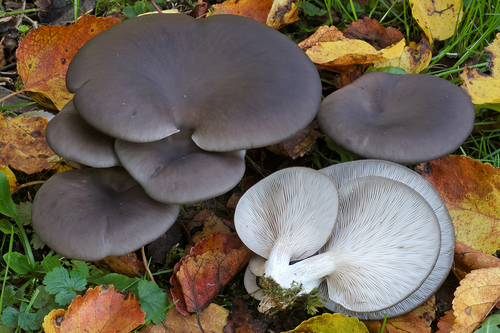
Oyster mushroom
Pleurotus ostreatus
In 80 healthy adults aged 60–80, eating oyster mushroom four times a week for 12 weeks improved delayed word recall and recognition and lowered negative mood compared with placebo; one trial.

Pellitory
Anacyclus pyrethrum
Anti-amnesic, anticonvulsant and antidepressant effects, and inhibition of enzymes linked to Alzheimer's disease, are reported in animal and laboratory studies only.
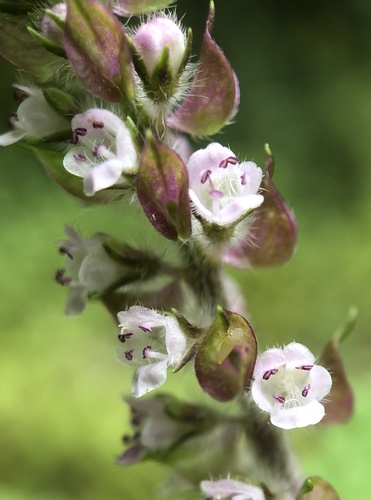
Perilla
Perilla frutescens
In a 12-week double-blind RCT in 100 Korean adults with cognitive impairment, 500 mg/day of a purple perilla leaf ethanol extract improved K-MMSE-2 and ADAS-Cog scores more than placebo, without safety concerns; a single trial.
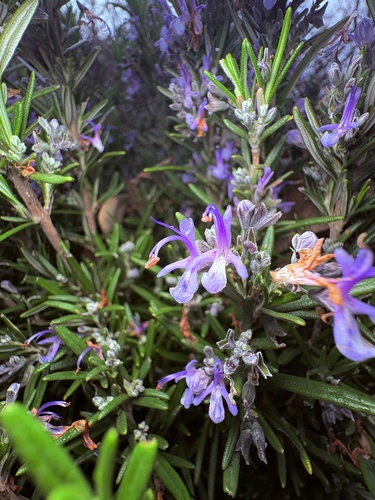
Rosemary
Salvia rosmarinus
In a crossover study of 28 older adults, a low dose of dried leaf (750 mg) slightly improved speed of memory, while the highest dose (6 g) impaired it. Evidence is small and short-term.
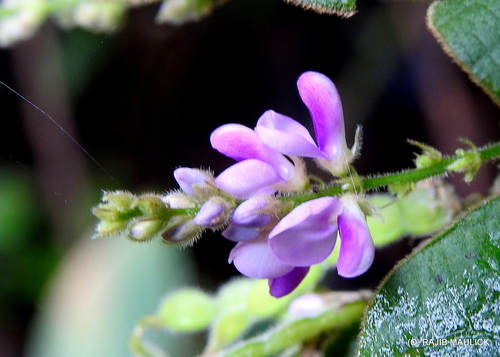
Shalaparni
Desmodium gangeticum
An aqueous extract (50–200 mg/kg for 7 days) improved learning and reversed drug-induced and age-related memory loss in mice, and lowered brain acetylcholinesterase. No human data.
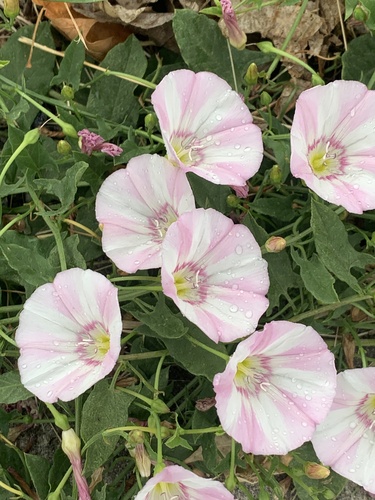
Shankhpushpi
Convolvulus prostratus
Classed in Ayurveda as medhya (intellect-promoting). In rats, root extract inhibited acetylcholinesterase and showed antioxidant effects in scopolamine-induced memory impairment; reviews of the plant cite memory-enhancing and anti-Alzheimer effects mainly from animal and cell studies. No adequate human trials found.
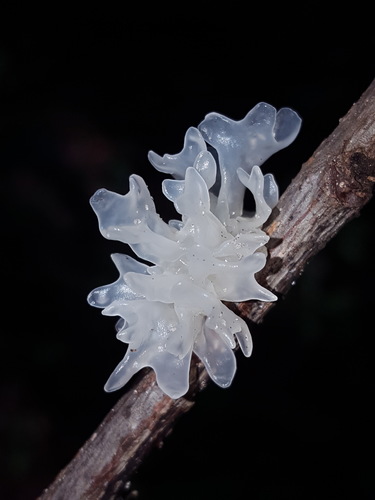
Snow fungus
Tremella fuciformis
In one 8-week double-blind, placebo-controlled trial of 75 people with subjective cognitive impairment, Tremella polysaccharides improved subjective memory complaints and some measures of short-term memory and executive function. Adverse events were similar to placebo. The trial was small, short and exploratory.
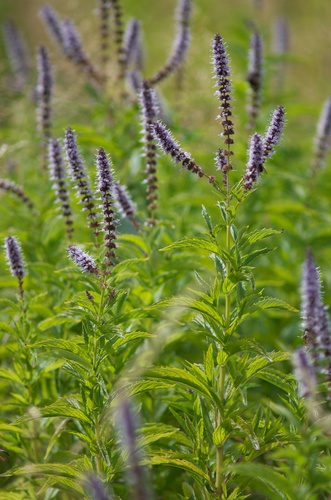
Spearmint
Mentha spicata
In a 90-day RCT in 90 adults with age-associated memory impairment, 900 mg/day of a rosmarinic-acid-rich spearmint extract improved working-memory quality by 15% and spatial working memory by 9% versus placebo, and improved ease of falling asleep.
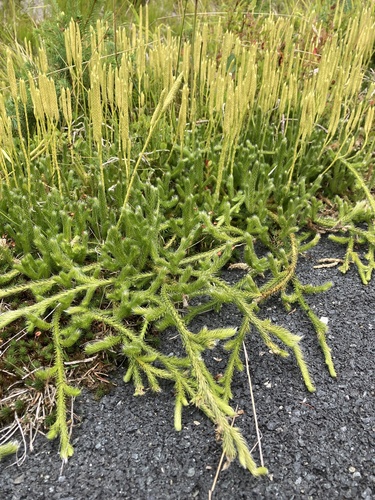
Stag's-horn clubmoss
Lycopodium clavatum
In rats, 28 days of a methanol extract of the aerial parts (10 mg/kg by mouth) lowered acetylcholinesterase activity and lengthened step-through latency in a passive-avoidance memory test, with no rise in liver or kidney markers. No human data.
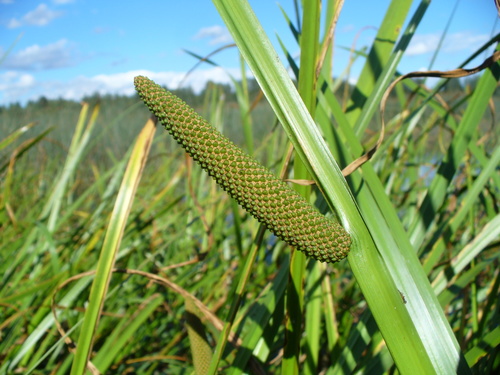
Sweet flag
Acorus calamus
Tested only in small trials of multi-herb Ayurvedic or Unani formulas: a randomised two-group study of Guduchyadi Medhya Rasayana in 138 older people with memory impairment, and a 24-patient double-blind trial of Davaie Loban capsules in Alzheimer's disease, both reporting better cognitive scores. Calamus alone has not been tested for memory.
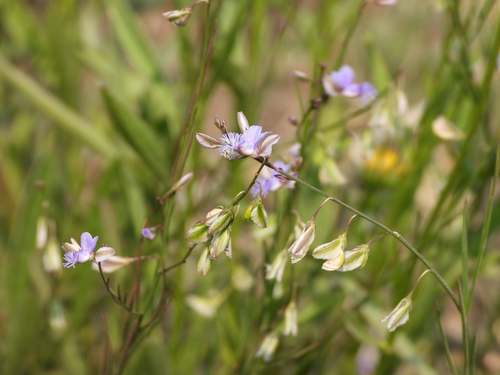
Thin-leaf milkwort
Polygala tenuifolia
In a randomised, double-blind trial in older people (28 on BT-11, 25 on placebo), total CERAD scores and word-list recognition rose more with the extract. In a 4-week double-blind trial in healthy adults, BT-11 improved immediate verbal recall and working-memory errors compared with placebo. Both trials were small and from the same research group (the healthy-adult trial used a Korean memory test).
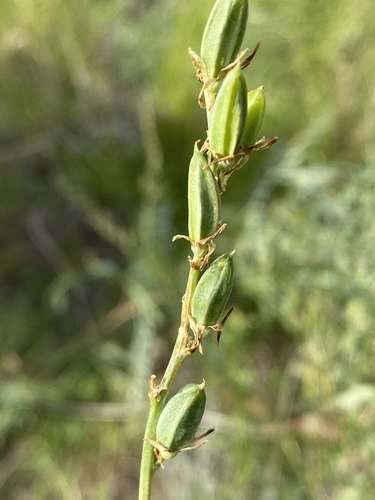
Zhi mu
Anemarrhena asphodeloides
Timosaponin AIII improved learning and memory deficits in mice; anti-Alzheimer effects are mainly from lab studies.
Uso tradicional
TradicionalLargo uso documentado, prácticamente sin ensayos clínicos.
Desert broomrape
Cistanche deserticola
Used for dizziness, tinnitus and memory loss attributed to insufficient 'essence and blood'. A capsule of its total glycosides is used clinically in China for vascular dementia, but no trial of it was found in this review.

Frankincense
Boswellia sacra
Arabian folk medicine holds that the resin improves memory. Only animal and lab work exists.

Galbanum
Ferula gummosa
Persian tradition uses it as a memory tonic. A 2016 review found that studies of the plant are limited to lab and animal experiments.
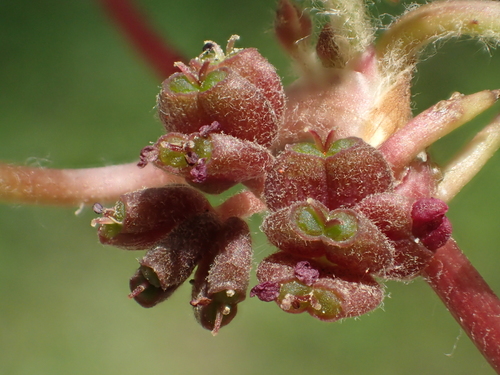
Gotu kola (Indian pennywort)
Centella asiatica
WHO lists use as a 'brain tonic' among folk uses not supported by experimental or clinical data.
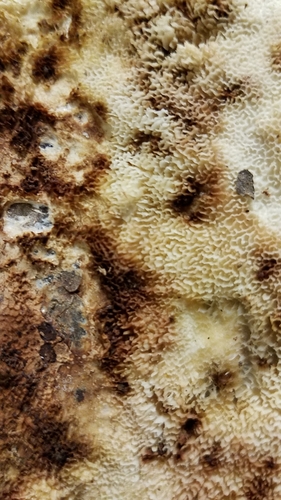
Poria
Wolfiporia cocos
Traditionally used in China to improve memory and delay senile decline; not tested in clinical trials.