Vejiga hiperactiva y micción nocturna
10 remedios
Acude al médico si
Sangre en la orina, dolor, fiebre o síntomas nuevos en hombres de más de 50 deben revisarse.
Referencia, no receta. Nada de esto es consejo médico. Las hierbas pueden interactuar con medicamentos y ser peligrosas en el embarazo; informa a tu médico o farmacéutico de todo lo que tomes.
Evidencia limitada
LimitadaPocos ensayos o pequeños, resultados mixtos, o sobre todo estudios de laboratorio y en animales.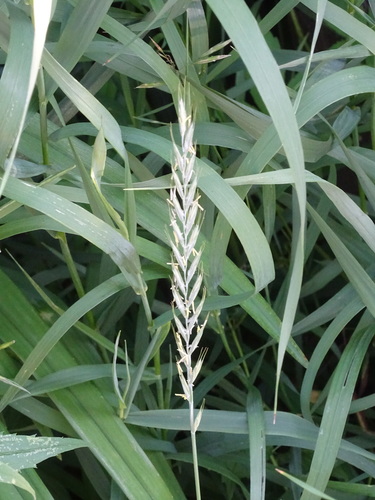
Couch grass
Elymus repens
In an uncontrolled post-marketing study of 313 patients with irritable bladder, urethritis, cystitis or prostatitis, 32–53% were free of symptoms after 12 days of a fluid extract. The EMA judged this unsuitable for assessing efficacy because there was no control group.
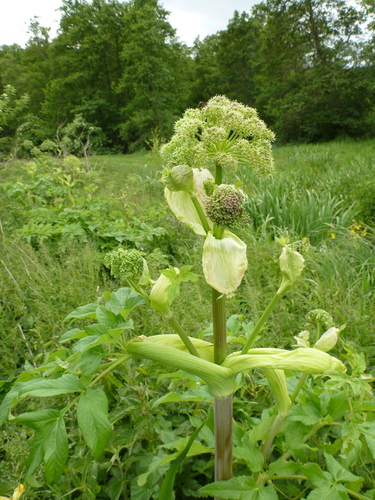
Garden angelica
Angelica archangelica
Trials of the Icelandic leaf extract SagaPro: in 69 men with nocturia (Sigurdsson 2013) it did not reduce night-time voids overall versus placebo over 8 weeks, with benefit only in a subgroup; in a 6-week triple-blind pilot in 143 adults with overactive bladder (López-Seoane 2025, industry co-funded) it reduced daytime voids and the IPSS storage score versus placebo, with a non-significant trend for nocturia and no change in urgency.
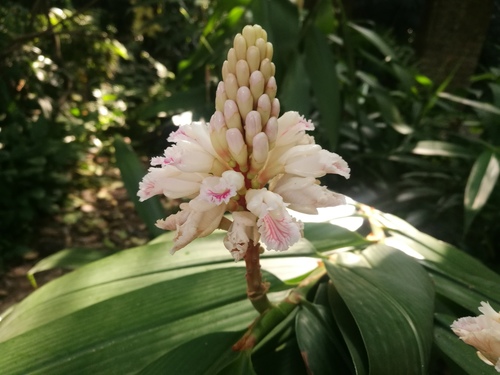
Sharp-leaf galangal
Alpinia oxyphylla
Its main traditional indication is frequent urination, night-time urination and enuresis. Seed extracts reduced urine volume in mice, and the compound liangzhiin relaxed carbachol-contracted rat bladder strips; there are no clinical trials of the herb alone.
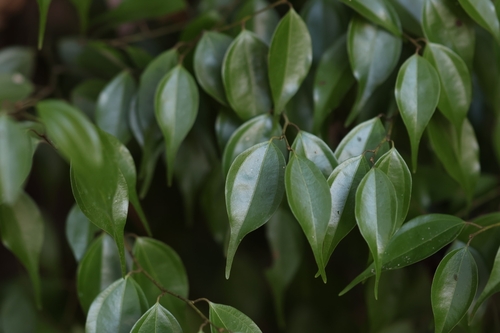
Wu yao
Lindera aggregata
Wu yao was often used for frequent urination in ancient times, but this use has not been systematically studied. It is the main herb of Suoquan Wan. In a randomised trial in children with bedwetting, desmopressin plus Suoquan gave more complete responses than behavioural treatment (37.5% vs 6.3%) and fewer relapses than desmopressin alone. Extracts improved bladder emptying in diabetic mice. The herb has not been tested alone in people.
Uso tradicional
TradicionalLargo uso documentado, prácticamente sin ensayos clínicos.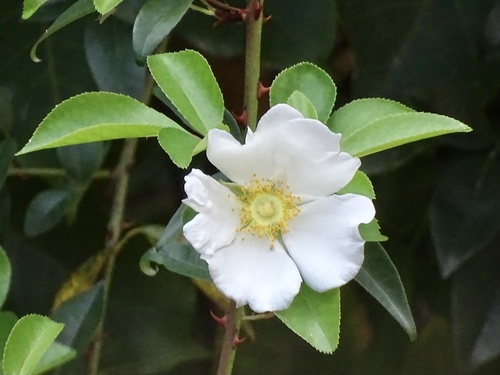
Cherokee rose
Rosa laevigata
The Chinese Pharmacopoeia lists the fruit for frequent urination and enuresis ('consolidating the essence and shrinking urine'); it is said to reduce night-time urination. A hospital report attributes improvement in age-related urinary incontinence to root extracts, but no controlled trials were found.
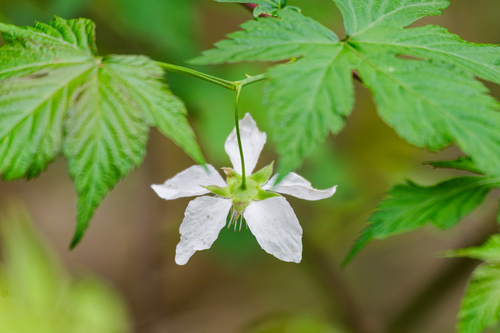
Chinese raspberry
Rubus chingii
The dried fruits have been widely used in Chinese medicine for 'kidney' enuresis (bedwetting) and urinary frequency for centuries; no clinical trials were found.
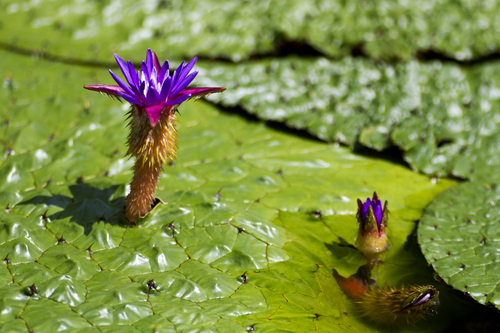
Fox nut
Euryale ferox
The Bencao Gangmu (1578) and the Chinese Pharmacopoeia record it for urinary incontinence, enuresis and frequent urination; Japanese Kampo sources also list urinary incontinence. Not tested in trials.
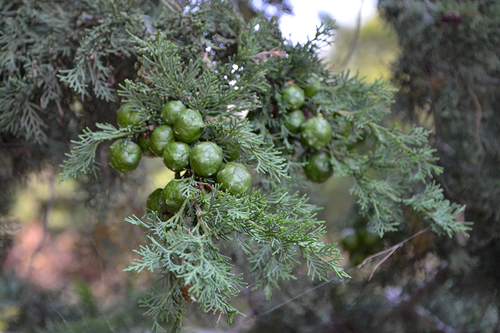
Italian cypress
Cupressus sempervirens
Used as a diuretic said to improve bladder tone and to treat urinary incontinence and bed-wetting. Untested.
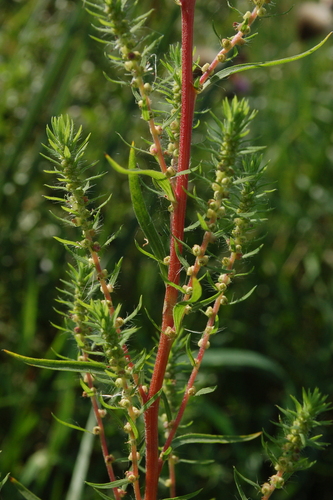
Kochia
Bassia scoparia
Classical Chinese herbals record it for frequent urination, urinary incontinence and abnormal vaginal discharge, and the Shennong Bencao Jing for promoting urination. Not clinically tested.

Pumpkin
Cucurbita pepo
The EU monograph also covers lower urinary tract symptoms of overactive bladder, on the basis of long-standing use; WHO cites only an open, uncontrolled study in 58 people with irritable bladder.