La Botica / Todo el cuerpo y tónicos
Mordedura de serpiente
17 remedios
Acude al médico si
Una mordedura de serpiente venenosa es una emergencia médica: quédate quieto, quítate anillos y ve al hospital para recibir antiveneno. Ningún remedio vegetal ha demostrado neutralizar el veneno.
Referencia, no receta. Nada de esto es consejo médico. Las hierbas pueden interactuar con medicamentos y ser peligrosas en el embarazo; informa a tu médico o farmacéutico de todo lo que tomes.
Evidencia limitada
LimitadaPocos ensayos o pequeños, resultados mixtos, o sobre todo estudios de laboratorio y en animales.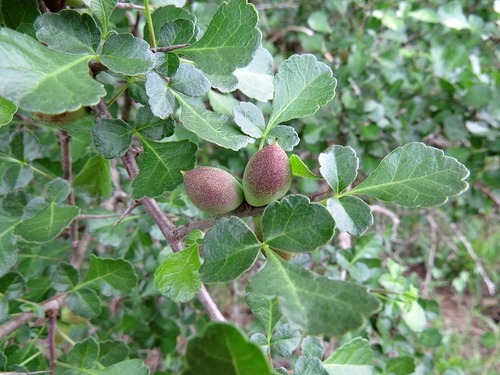
African myrrh
Commiphora africana
In Kenya the bark is chewed for snakebite. Stem-bark extracts strongly inhibited (>90%) the phospholipase A2 enzyme of puff adder and two cobra venoms in lab assays. The authors concluded this supports the local use, but no animal or human envenomation study was found. Snakebite needs antivenom and emergency care.
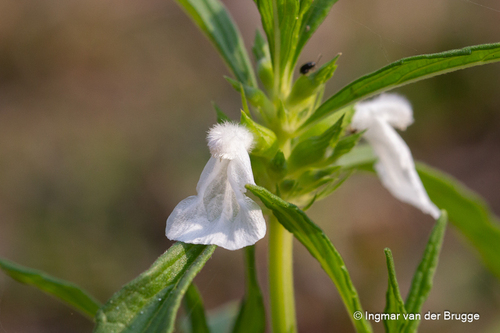
Thumbai
Leucas aspera
Bruised leaves are applied to snakebites in Indian folk practice. In mice, a leaf extract and a triterpenoid isolated from it reduced the lethal and oxidative effects of Indian cobra (Naja naja) venom, and in the test tube the extract neutralised venom protease, hyaluronidase and haemolytic activity but not phospholipase A2. No human data: snakebite needs emergency hospital care and antivenom.
Uso tradicional
TradicionalLargo uso documentado, prácticamente sin ensayos clínicos.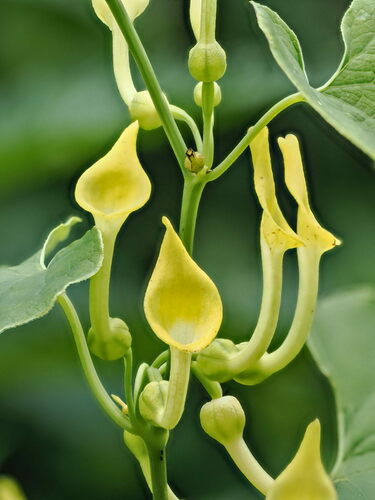
Birthwort
Aristolochia clematitis
Ancient texts used birthworts against snakebite, among many other ailments. No modern evidence; the plant itself is the poison of concern.
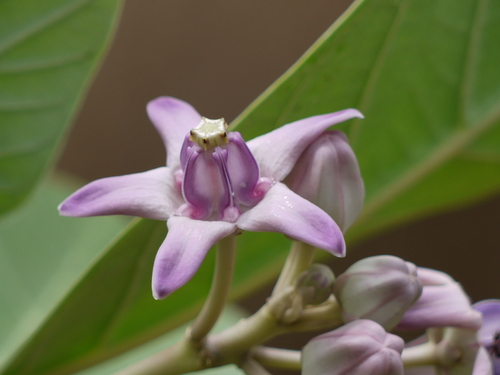
Crown flower
Calotropis gigantea
In the same Nepal review it was the leading plant for bites and stings. In India healers also use it for snakebite, but a case report notes there are no studies supporting this, and a woman given the latex to drink after a snakebite went into cardiogenic shock.
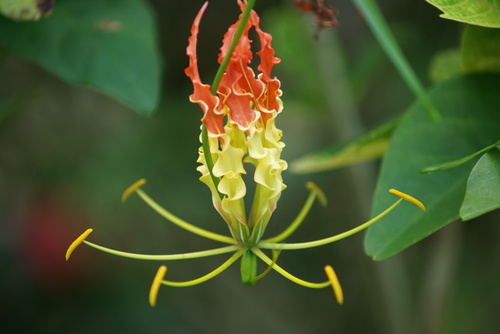
Flame lily
Gloriosa superba
In southern Tamil Nadu and elsewhere, the roots and leaves are used as an antidote to snake bite. This is untested, and the plant is itself highly poisonous.
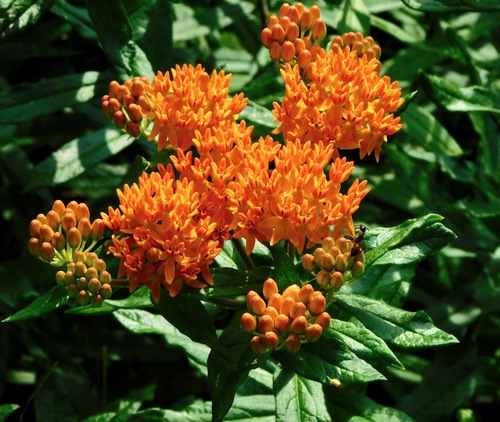
Pleurisy root
Asclepias tuberosa
Rappahannock bound bruised leaves onto snakebites.
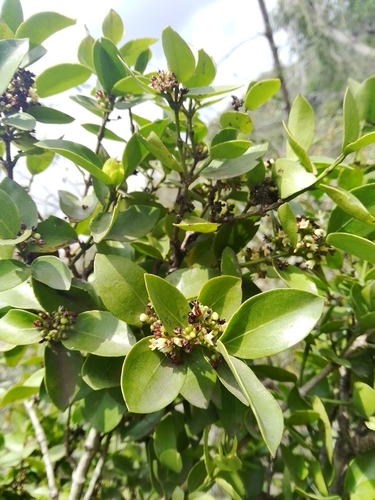
Red bitterberry
Strychnos henningsii
Among the plants most often cited for snakebite by Kamba people in Mwingi West, Kenya: fresh roots are chewed and swallowed to bring on vomiting, and leaves are cooked and drunk. The bark is also used for snakebite in South Africa. Not tested against venom.
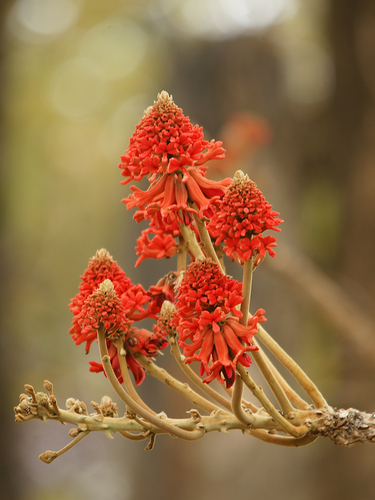
Red-hot-poker tree
Erythrina abyssinica
In Uganda, Kenya and Tanzania sap or pounded root and bark are applied to snakebites, and decoctions are drunk as an antidote to poisons.
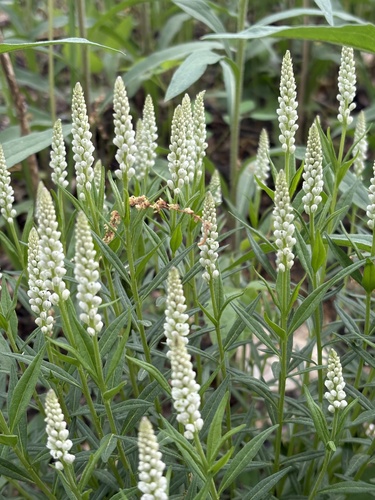
Seneca snakeroot
Polygala senega
Used for snakebite by the Cherokee (root chewed, some swallowed and the rest poulticed on the wound); WHO lists snakebite as a folk use not supported by experimental or clinical data.
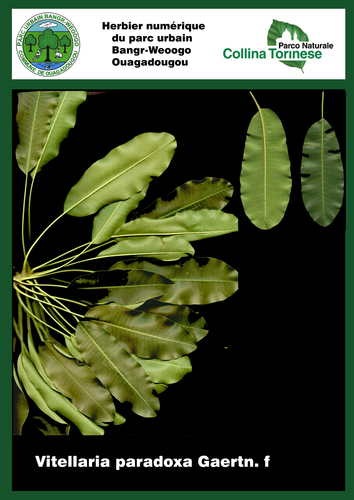
Shea tree
Vitellaria paradoxa
Traditional healers in Burkina Faso apply the sun-dried, charred and powdered trunk into incisions at the bite and give about a tablespoon in water to drink; it was among the most cited antivenom plants (10% of healers). There is no evidence it neutralises venom; antivenom is the effective treatment.
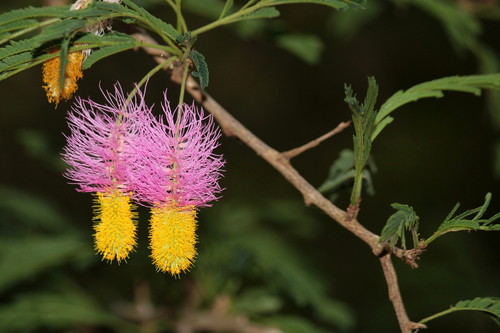
Sickle bush
Dichrostachys cinerea
One of the most-cited snakebite plants in a 2022 systematic review of Tanzanian ethnomedicine: leaves are chewed and the paste put on the bite, or roots and bark chewed or macerated and applied. A leaf extract was reported elsewhere to inhibit spitting-cobra (Naja nigricollis) venom activity in the laboratory. Snakebite needs antivenom and emergency care.
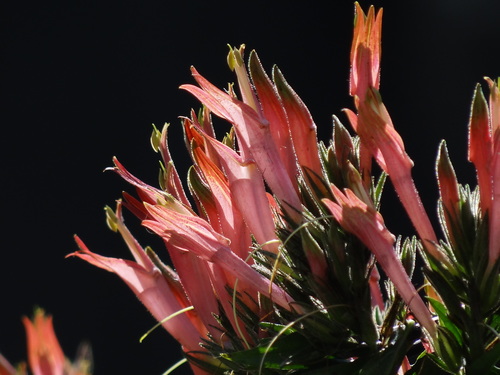
Snake grass
Clinacanthus nutans
Used as an 'anti-venom' for snakebite in Southeast Asian folk medicine; there is no evidence it neutralises venom in people, and snakebite needs antivenom and emergency care.
Snake jasmine
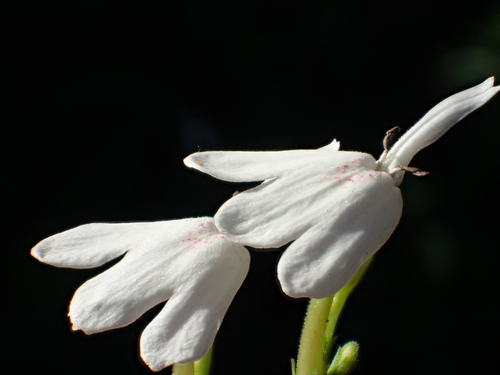
Rhinacanthus nasutus
A root decoction is used as an antidote for snakebite in Thai and other traditions; there is no evidence of benefit, and snakebite requires antivenom.
Tian nan xing
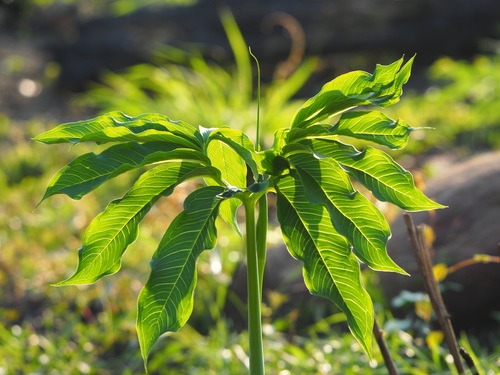
Arisaema heterophyllum
Snakebite is among the traditional uses recorded for the genus Arisaema in Chinese medicine. No data were found for this species specifically.
Trellis vine
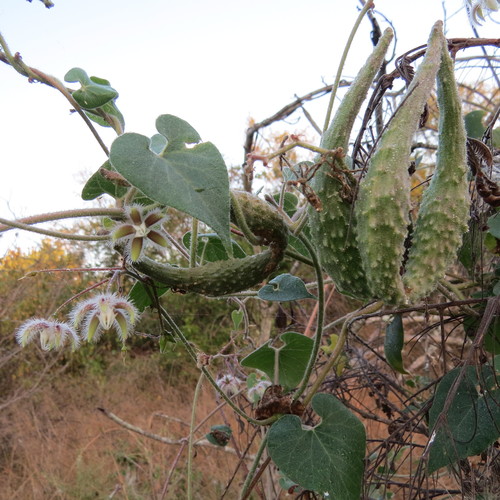
Pergularia daemia
Namibian healers in the Oshikoto region reported using it for snakebite, mental illness and fertility problems, with high agreement among informants; Indian sources also list it against snake venom. Support beyond tradition is limited to computer docking of its sterols against cobra-venom enzymes.
Velvet leaf
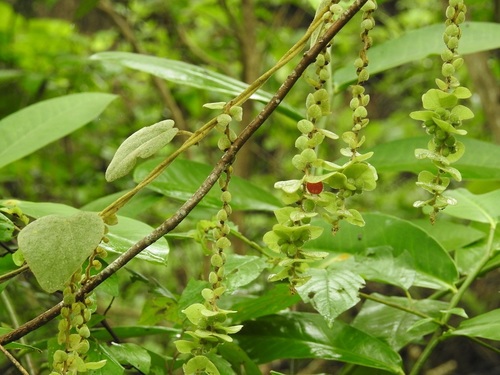
Cissampelos pareira
The species most often recorded for snakebite in Central America: it was one of only nine species named in at least three of 34 sources reviewed. Antivenom activity has been reported in the laboratory for Cissampelos species, but there is no clinical evidence; it is no substitute for antivenom.
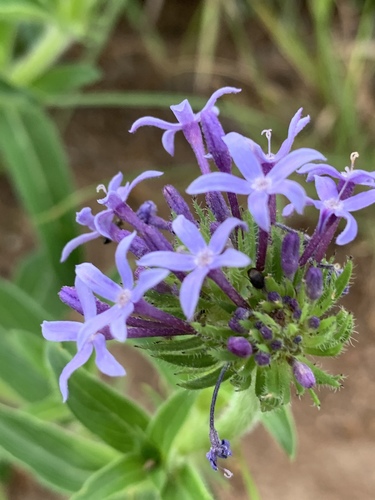
Wild verbena
Pentanisia prunelloides
Recorded in Zulu medicine as an antidote to snakebite; untested.