- Animals
- ›Chordates
- ›Vertebrates
- ›Ray-finned Fishes
- ›Carps, Characins, Catfishes and Allies
- ›Minnows, Suckers, Carps, and Loaches
- ›Carps and Minnows
- ›Cyprinids
- ›Cape Carps
- ›Hampala
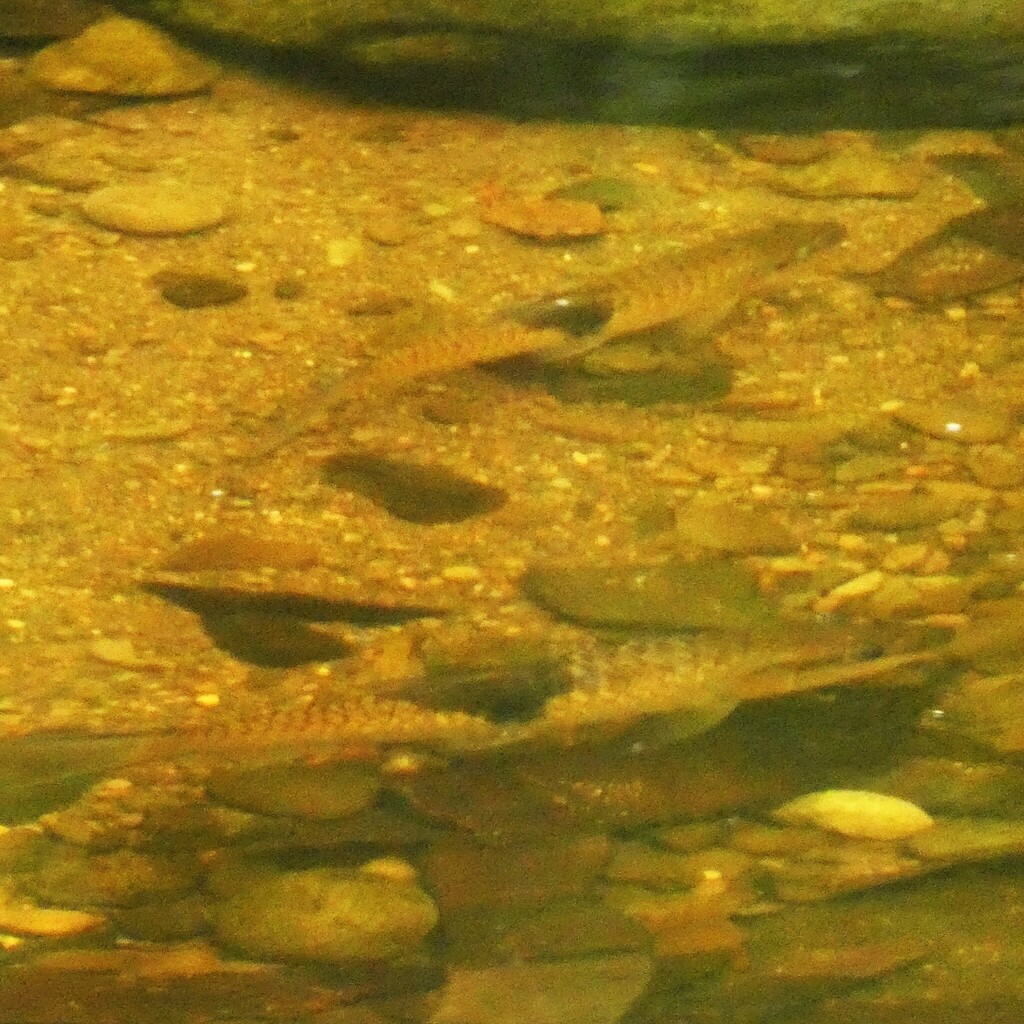
Sabah Hampala
Hampala sabana
Hampala sabana is a species of cyprinid in the genus Hampala that is native to Malaysia
From the article Hampala sabana on Wikipedia (CC BY-SA), quoted section by section
Description
This species reaches a maximum length of 41.0 centimetres (16.1 in) and has a distinctive single dark band below the dorsal fin similar to that of Barbodes sellifer. Although a second dark mark may develop at the base of the tail as it reaches maturity, with a dark line along the lateral line connecting the two marks. Depending on the habitat, the fins may be a light cream color or a dark orange-red.
Range & habitat
Endemic to the Malaysian state of Sabah, it is predominately found in the central-eastern region of the state in which it dominates its range from others of its genus. The usual habitat of this species comprises clear and well-oxygenated running waters with substrates of sand, gravel, rock, or mud. Such habitats are usually tropical rainforest rivers and stream catchments but due to development these habitats are modified and converted to palm or rubber plantations, they can still survive in these habitats but in much lower abundance, making them rare
Wikipedia: “Distribution and habitat”
What it does
As an active predator, it predominately feeds on other fish, frogs, and insects, preferring to inhabit deep and slower river stretches to ambush unsuspecting prey.
It's been observed to school together when young (even with other species like Rasbora sumatrana and Nematabramis everetii), and this behavior may possibly be continued throughout its life. In the Segama river system, it has been found to live sympatricly with other species such as Luciosoma pellegrini, Nematabramis everetti, Garra borneensis, Gastromyzon lepidogaster, Mystus sabanus, and Pangasius tubbi.
== References ==
Wikipedia: “Ecology”
Where it lives
Recorded sightings
—
geo-referenced records in GBIF, from museums, herbaria and field observers.
Drag the globe to turn it. Dots are where records exist, not a range map; darker means more records.
In the stacks
Searching the stacks…
Every page naming Hampala sabana in the Biodiversity Heritage Library →
This page is assembled live from iNaturalist, GBIF, Wikipedia, the Source Library and the Internet Archive. It is not yet part of the hand-edited codex. iNaturalist taxon 613021.