- Animals
- ›Chordates
- ›Vertebrates
- ›Ray-finned Fishes
- ›Spiny-rayed fishes
- ›Perches, Scorpionfishes, Sticklebacks, and Allies
- ›Perches, groupers and allies
- ›Perches, Darters, and allies
- ›Darters
- ›Etheostoma
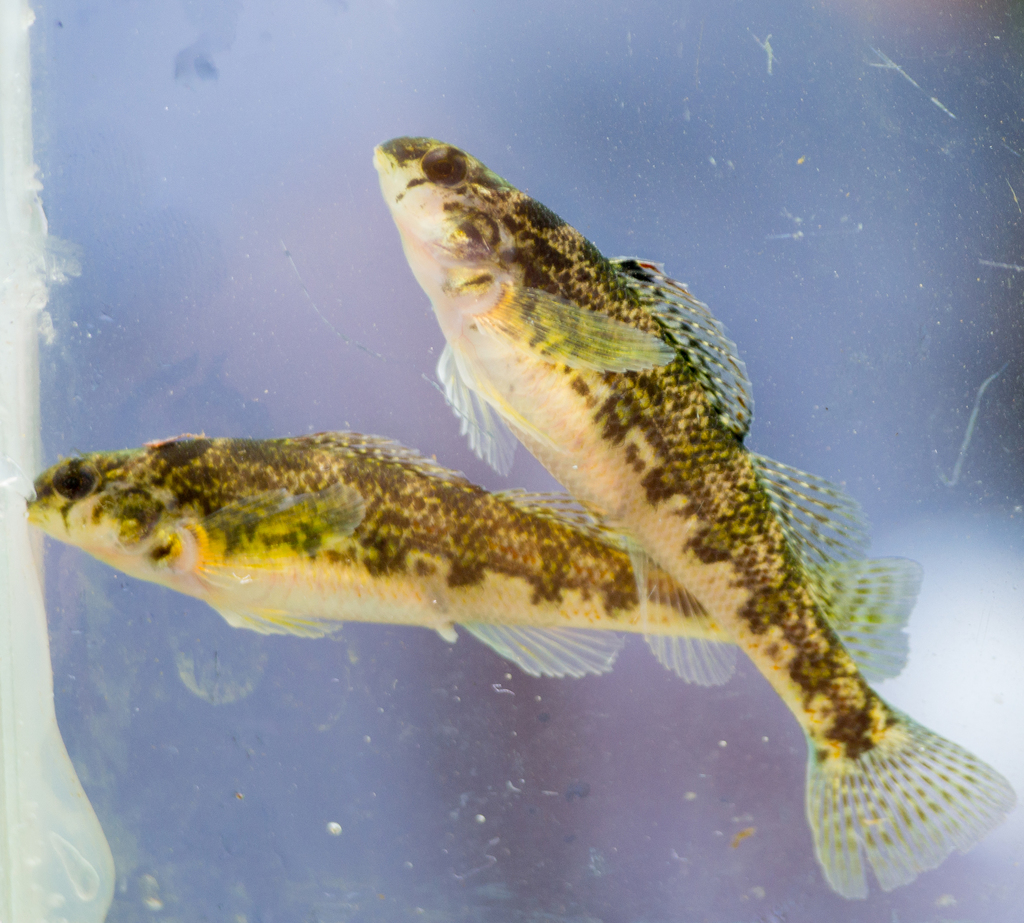
Vermilion Darter
Etheostoma chermocki
The vermilion darter (Etheostoma chermocki) is a species of freshwater ray-finned fish, a darter from the subfamily Etheostomatinae, part of the family Percidae, which also contains the perches, ruffes and pikeperches. It is endemic to the southern United States, where it only is found in Turkey Creek in Jefferson County, Alabama, part of the Mobile Bay drainage basin. It was first described by Herbert Boschung in 1992, who was the curator of ichthyology at the University of Alabama, along with biologist Richard Mayden and scientific illustrator Joseph Tomelleri. On December 7, 2010, the US Fish and Wildlife Service designated 13 mi (21 km) of Turkey Creek watershed as critical habitat for the darter. According to the IUCN, the population of this fish is declining.
From the article Vermilion darter on Wikipedia (CC BY-SA), quoted section by section
Range & habitat
This species exists only in inland freshwater. The vermilion darter can only be found in approximately 12 km (7.5 miles) of the upper area of Turkey Creek and lower areas of two tributaries in Jefferson County, Alabama. The creek consists of moderate flows and cobble/gravel substrates with emergent and submersed aquatic vegetation. Vegetation included in these creeks are Potamogeton (pondweed), Ceratophyllum (Coontail) and Myriophyllum (water milfoil).
Wikipedia: “Habitat”
What it does
While it is difficult to study this species because they are endangered, some stomach contents of vermilion darter specimens have been examined. They are opportunistic (they eat from a variety of sources), stream-bottom feeders with the most common prey items found were larva of midges, crane flies and caddisflies. Also found were fish eggs and some aquatic vegetation. As with most species, as the fish grows larger the items consumed will be larger in size.
Wikipedia: “Diet”
Where it lives
Recorded sightings
—
geo-referenced records in GBIF, from museums, herbaria and field observers.
Drag the globe to turn it. Dots are where records exist, not a range map; darker means more records.
In the stacks
Searching the stacks…
Every page naming Etheostoma chermocki in the Biodiversity Heritage Library →
This page is assembled live from iNaturalist, GBIF, Wikipedia, the Source Library and the Internet Archive. It is not yet part of the hand-edited codex. iNaturalist taxon 100454.