 NL·0602
Herbarium of the Nature Library
- Name
- Phalacrocorax carbo
- Family
- Phalacrocoracidae
- Native to
- Europe, Asia, Africa, Australasia and the North Atlantic coast of North America
- Habitat
- Coastal, Lakes and rivers, Estuary
On eBird ↗
Great Cormorant
Live sightings near you, the range map, bar charts of when it is seen, and Macaulay Library photos and recordings.
Great cormorant
Phalacrocorax carbo
Also calledLúcí (鸬鹚, Chinese) · Kawau (Māori) · Grand cormoran (French) · Kormoran (German)
A large, oily-black diving bird found on coasts and inland waters across much of the world. It pursues fish underwater using its feet and has been trained by fishermen in China for centuries.
The great cormorant, also known as just cormorant in Britain, as black shag or kawau in New Zealand, formerly also known as the great black cormorant across the Northern Hemisphere, the black cormorant in Australia, and the large cormorant in India, is a widespread member of the cormorant family of seabirds. It breeds in much of the Old World, Australasia, and the Atlantic coast of North America. Wikipedia
What it can do
- iChases fish underwater, propelled by large webbed feet
- iiPartly wettable plumage reduces buoyancy for diving
- iiiDries wings by spreading them in a heraldic pose
- ivCan dive to more than 30 m
In the field
Field marks
- aBlack with bronze or blue sheen
- bWhite cheek and chin patch
- cWhite thigh patches in breeding season
- dHeavy hooked bill with bare yellow skin at base
- eSwims low in the water with head tilted up
- Voice
- Generally silent away from colonies; deep guttural croaks at nests.
- Not to be confused with
- European shag is smaller and slimmer, with a thinner bill, greenish gloss and in spring a tufted crest; it lacks the white cheek patch. Double-crested cormorant (North America) has an orange throat pouch without white surround.
- Where to see it
- Coastal and inland waters of Europe and Asia; Lake Naivasha (Kenya), the Li River at Guilin (China), Rutland Water (UK)
- When
- Resident or partial migrant
Listen
Looking for field recordings…
Life & habits
- Diet
- Fish
- Habitat
- Coasts, estuaries, lakes and rivers
- Size
- 80–100 cm; wingspan 1.3–1.6 m; 2–3 kg
- Lifespan
- Usually around 11 years, recorded to over 20
Groups sometimes hunt together, driving fish into shallows.
Where it lives
Recorded sightings
—
geo-referenced records in GBIF, from museums, herbaria and field observers.
Native range
Europe, Asia, Africa, Australasia and the North Atlantic coast of North America
Drag the globe to turn it. Dots are where records exist, not a range map; darker means more records.
In the old herbals & bestiaries
No plate in the Source Library names this exact species, so these show its closest relatives as the old naturalists drew them: same genus, or the same kind of animal. Click a plate to read the page it came from, with translation.

Garden of Health (Hortus Sanitatis)
Relative · Jacob Meydenbach · 1491 · p.584

History of Animals, Book I: On Viviparous Quadrupeds
Relative · Conrad Gessner · 1554 · p.318

History of Animals, Book I: On Viviparous Quadrupeds
Relative · Conrad Gessner · 1554 · p.316

Sancai Tuhui (Vol. 89)
Relative · 王圻, 王思義 · 1609 · p.56

Sancai Tuhui (Vol. 89)
Relative · 王圻, 王思義 · 1609 · p.82

History of Monsters
Relative · Ulisse Aldrovandi · 1642 · p.815
In the stacks
Searching the stacks…
Every page naming Phalacrocorax carbo in the Biodiversity Heritage Library →
Marginalia
In China, fishermen have trained great cormorants to fish for centuries, putting a snare around the bird's neck so that it cannot swallow large fish. Milton's Paradise Lost has Satan perch on the Tree of Life 'like a cormorant'.
Curiosity
The name cormorant comes from the Latin 'corvus marinus', sea-raven.
Kinship


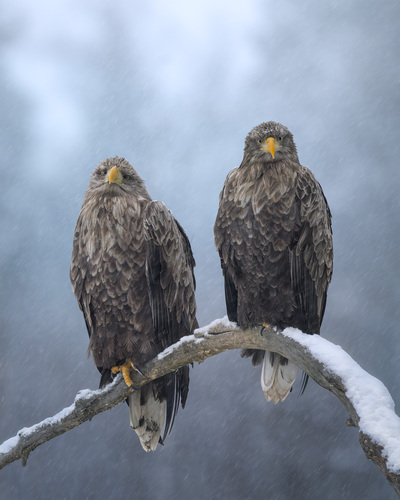
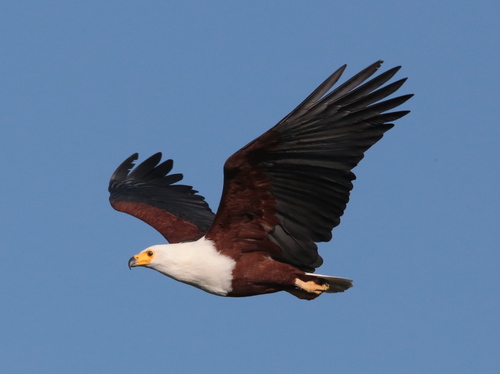
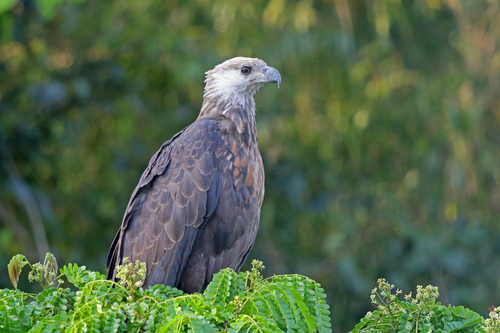

Photographs: iNaturalist contributors under the licences shown. Records: GBIF.org. Historical plates: Source Library (CC BY-SA 4.0; originals public domain). Summary text: Nature Library editors and Wikipedia (CC BY-SA). Medicinal and edibility notes are historical and educational, not advice. iNaturalist taxon 4270.