 NL·0382
Herbarium of the Nature Library
- Name
- Pyrrhocorax pyrrhocorax
- Family
- Corvidae
- Native to
- Atlantic coasts of Britain, Ireland and Brittany; mountains of Iberia, the Alps, Atlas, Turkey, the Caucasus, Central Asia, the Himalaya and China; also Ethiopia
- Habitat
- Coastal cliffs, Mountains, Alpine grassland
On eBird ↗
Red-billed Chough
Live sightings near you, the range map, bar charts of when it is seen, and Macaulay Library photos and recordings.
Red-billed chough
Pyrrhocorax pyrrhocorax
Also calledKırmızı gagalı dağ kargası (Turkish) · Palores (Cornish) · Brân goesgoch (Welsh) · Alpenkrähe (German) · Crave à bec rouge (French) · Chova piquirroja (Spanish)
A glossy black crow with a curved scarlet bill and red legs, tumbling acrobatically along sea cliffs and mountain gorges. It is an emblem of Cornwall, where it returned naturally in 2001.
The red-billed chough, Cornish chough or simply chough is a bird in the crow family, one of only two species in the genus Pyrrhocorax. Its eight subspecies breed on mountains and coastal cliffs from the western coasts of Ireland and Britain east through southern Europe, North Africa and Middle East to Central Asia, India and China. Wikipedia
What it can do
- iProbes short turf and dung with its curved bill for soil invertebrates
- iiPerforms acrobatic dives and rolls in updrafts along cliffs
- iiiLives at very high altitudes in the Himalaya and Tibetan Plateau
- ivRelies on short, grazed grassland maintained by livestock
In the field
Field marks
- aGlossy blue-black plumage
- bLong, decurved red bill
- cRed legs
- dDeeply fingered, broad wings in flight
- Voice
- A loud, ringing 'chee-ow' or 'kyaa', more musical than other crows.
- Not to be confused with
- Alpine chough has a short yellow bill and longer tail. Jackdaw has a grey nape and a short black bill. Carrion crow is larger with a black bill and legs.
- Where to see it
- The Lizard (Cornwall), Pembrokeshire and Anglesey (Wales), Islay (Scotland), the Picos de Europa, Atlas Mountains and Himalaya.
- When
- Resident
Listen
Looking for field recordings…
Life & habits
- Diet
- Ants, beetles, leatherjackets, dung invertebrates; some grain
- Habitat
- Sea cliffs with grazed turf, mountain cliffs and gorges
- Size
- 37–41 cm; wingspan 68–80 cm; 260–380 g
- Lifespan
- Typically about 7 years
Pairs and flocks play in the wind along cliffs, calling as they swoop and roll.
Where it lives
Recorded sightings
—
geo-referenced records in GBIF, from museums, herbaria and field observers.
Native range
Atlantic coasts of Britain, Ireland and Brittany; mountains of Iberia, the Alps, Atlas, Turkey, the Caucasus, Central Asia, the Himalaya and China; also Ethiopia
Drag the globe to turn it. Dots are where records exist, not a range map; darker means more records.
In the old herbals & bestiaries
Woodcuts and engravings matched from the Source Library’s scanned books by name. Plates marked “relative” show a close kin rather than this exact species. Click a plate to read the page it came from, with translation.


In the stacks
Searching the stacks…
Every page naming Pyrrhocorax pyrrhocorax in the Biodiversity Heritage Library →
Marginalia
Cornish legend says King Arthur's soul passed into a chough, and the bird appears on Cornwall's coat of arms; its name comes from the old jackdaw-like call 'chow'.
Curiosity
After choughs died out in Cornwall in 1973, a wild pair arrived on the Lizard in 2001 and bred there the following year.
Kinship
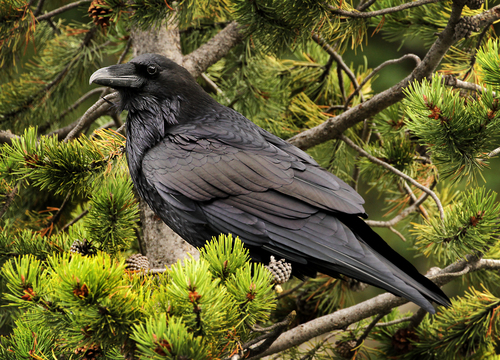

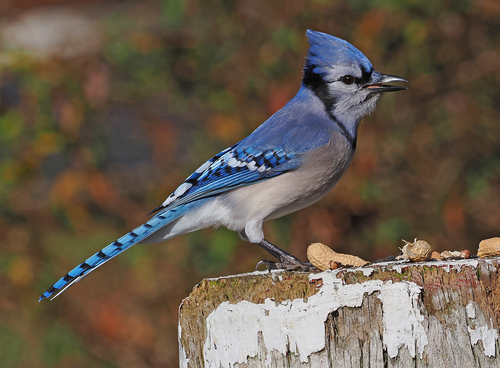
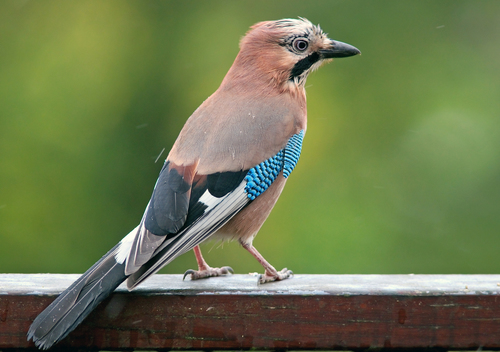
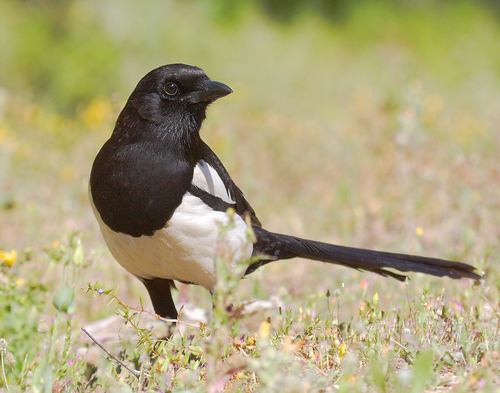
Photographs: iNaturalist contributors under the licences shown. Records: GBIF.org. Historical plates: Source Library (CC BY-SA 4.0; originals public domain). Summary text: Nature Library editors and Wikipedia (CC BY-SA). Medicinal and edibility notes are historical and educational, not advice. iNaturalist taxon 8349.