 NL·0545
Herbarium of the Nature Library
- Name
- Erithacus rubecula
- Family
- Muscicapidae
- Native to
- Europe east to western Siberia, North Africa, Turkey, the Caucasus and northern Iran; northern birds winter around the Mediterranean and Middle East
- Habitat
- Temperate forest, Woodland, Gardens and parks
On eBird ↗
European Robin
Live sightings near you, the range map, bar charts of when it is seen, and Macaulay Library photos and recordings.
European robin
Erithacus rubecula
Also calledAbu al-Hinna (Arabic) · Sineh-sorkh (Persian) · Kızılgerdan (Turkish) · Rotkehlchen (German) · Rouge-gorge (French) · Petirrojo (Spanish)
A small, round, orange-breasted chat. Both sexes sing and defend territories through the winter, so it is one of the few European birds singing in December. In Britain it is famously tame around gardeners, but on the Continent it is a shy woodland bird.
The European robin, known simply as the robin or robin redbreast in the British Isles, is a small insectivorous passerine bird belonging to the Old World flycatcher family Muscicapidae. It is found across Europe, as far east as Western Siberia, and as far south as North Africa. It is sedentary in the west and south of its range, and migratory in the north and east of its range where winters are harsher. Wikipedia
What it can do
- iBoth males and females hold separate winter territories and sing to defend them
- iiSings at night under street lighting in towns
- iiiFollows large animals, and gardeners, to snatch invertebrates turned up from the soil
- ivMigrants navigate partly with a light-dependent magnetic compass in the eye, a key study system for avian magnetoreception
In the field
Field marks
- aOrange-red face and breast bordered with blue-grey
- bPlain olive-brown upperparts and whitish belly
- cPlump, upright stance on thin legs; large dark eye
- dJuveniles are speckled brown with no red breast
- Voice
- Song a wistful, liquid warble of short phrases with pauses, thinner and more melancholy in autumn; call a hard, repeated 'tic' and a thin 'tsiih'.
- Not to be confused with
- Common redstart males also show orange underparts but have a black face and a constantly quivering orange tail. Juvenile robins resemble young redstarts and nightingales but lack a rufous tail.
- Where to see it
- Almost any wooded garden, park or hedgerow in Europe; abundant wintering birds in Mediterranean olive groves and Levantine scrub.
- When
- Resident in western Europe; summer visitor in the north and east (Apr–Sep); winter visitor to North Africa and the Middle East (Oct–Mar)
Listen
Looking for field recordings…
Life & habits
- Diet
- Insects, worms, spiders; berries and seeds in winter
- Habitat
- Woodland with undergrowth, hedgerows, parks and gardens
- Size
- 12.5–14 cm; 16–22 g
- Lifespan
- Usually 1–2 years in the wild; a few live past 10
Territorial to the point of violence: robins attack rivals and even a tuft of red feathers placed in their territory, as David Lack showed in his 1940s experiments.
Where it lives
Recorded sightings
—
geo-referenced records in GBIF, from museums, herbaria and field observers.
Native range
Europe east to western Siberia, North Africa, Turkey, the Caucasus and northern Iran; northern birds winter around the Mediterranean and Middle East
Drag the globe to turn it. Dots are where records exist, not a range map; darker means more records.
In the old herbals & bestiaries
Woodcuts and engravings matched from the Source Library’s scanned books by name. Plates marked “relative” show a close kin rather than this exact species. Click a plate to read the page it came from, with translation.

History of Animals, Book I: On Viviparous Quadrupeds
Conrad Gessner · 1554 · p.887

Ornithology
Ulisse Aldrovandi · 1599 · p.712

The Natural History of Carolina, Florida and the Bahama Islands, Vol. 1
Mark Catesby · 1777 · p.158

History of Animals, Book I: On Viviparous Quadrupeds
Conrad Gessner · 1554 · p.884

Historiae Animalium Liber III: De Avium Natura
Conrad Gesner · 1555 · p.739

Historiae Animalium Liber III: De Avium Natura
Conrad Gesner · 1555 · p.742
In the stacks
Searching the stacks…
Every page naming Erithacus rubecula in the Biodiversity Heritage Library →
Marginalia
A medieval legend holds that the robin's breast was scorched or bloodied while helping Christ on the cross, and Victorian postmen in red tunics were nicknamed 'robins', which is why the bird appears on so many British Christmas cards.
Curiosity
In 2015 a public poll organised by ornithologist David Lindo chose the robin as Britain's national bird.
Kinship
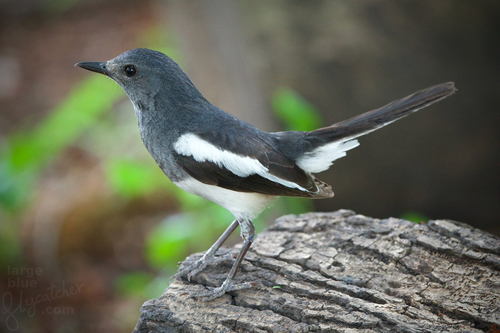
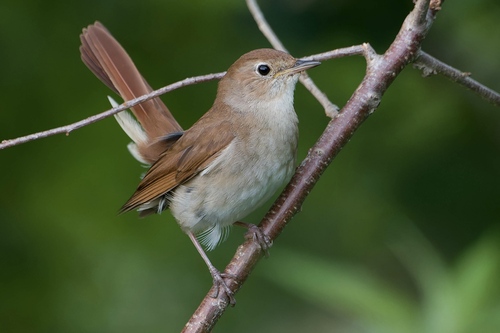
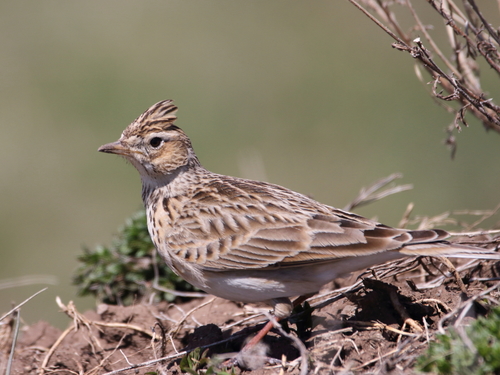
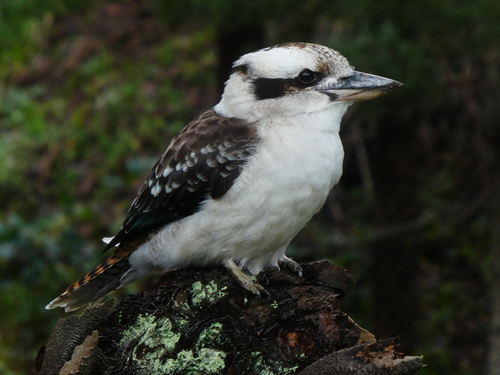
Photographs: iNaturalist contributors under the licences shown. Records: GBIF.org. Historical plates: Source Library (CC BY-SA 4.0; originals public domain). Summary text: Nature Library editors and Wikipedia (CC BY-SA). Medicinal and edibility notes are historical and educational, not advice. iNaturalist taxon 13094.