 NL·0393
Herbarium of the Nature Library
- Name
- Centropus sinensis
- Family
- Cuculidae
- Native to
- Pakistan, India, Sri Lanka, Nepal and Bangladesh through southern China to Southeast Asia and the Greater Sundas
- Habitat
- Scrub, Farmland, Gardens, Wetland
On eBird ↗
Greater Coucal
Live sightings near you, the range map, bar charts of when it is seen, and Macaulay Library photos and recordings.
Greater coucal
Centropus sinensis
Also calledMahoka (Hindi) · Senbagam (Tamil) · Hè chì yā juān 褐翅鸦鹃 (Chinese) · Crow pheasant
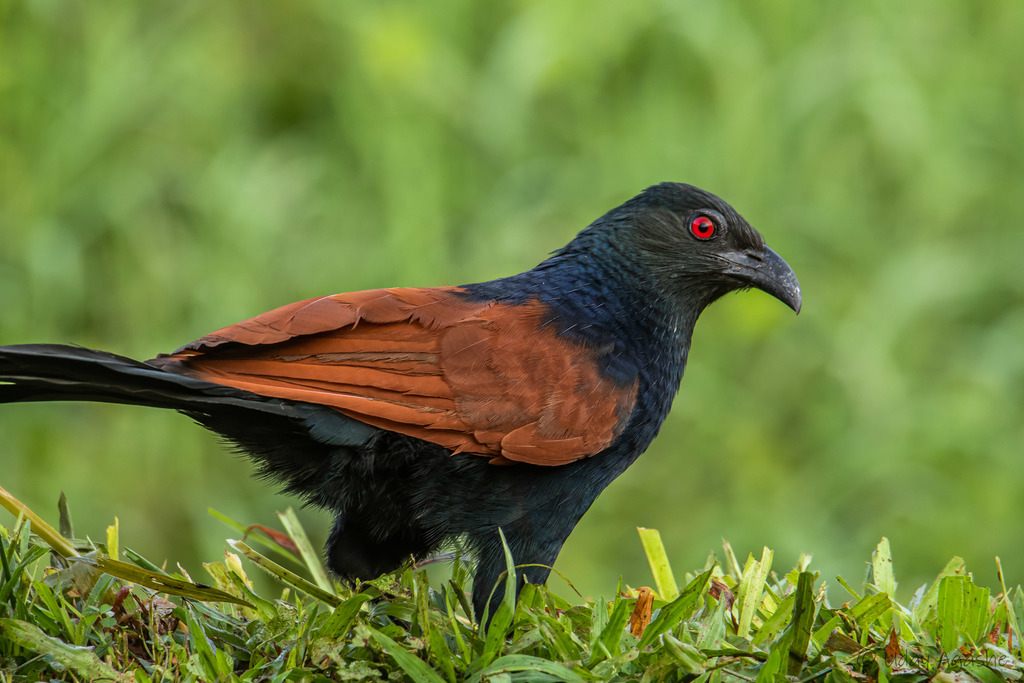
A large, crow-sized cuckoo with glossy black body, chestnut wings and a ruby-red eye, which clambers through hedges and stalks the ground for snakes and snails. Unlike many cuckoos, it builds its own nest and raises its own young.
The greater coucal or crow pheasant, is a large non-parasitic member of the cuckoo order of birds, the Cuculiformes. A widespread resident in the Indian subcontinent and Southeast Asia, it is divided into several subspecies, some being treated as full species. They are large, crow-like with a long tail and coppery brown wings and found in a wide range of habitats from jungle to cultivation and urban gardens. They are weak fliers, and are often seen clambering about in vegetation or walking on the ground as they forage for insects, eggs and nestlings of other birds. They have a familiar deep resonant call which is associated with omens in many parts of its range. Wikipedia
What it can do
- iHunts snakes, lizards, large insects, eggs and nestlings
- iiBuilds a domed nest of grass and leaves in dense cover
- iiiFlies weakly, preferring to clamber and run through vegetation
In the field
Field marks
- aGlossy black head, body and long tail
- bRich chestnut wings and back
- cDeep red eye
- dHeavy black bill
- Voice
- A deep, resonant, booming 'coop-coop-coop', often in long series and duetting between pairs
- Not to be confused with
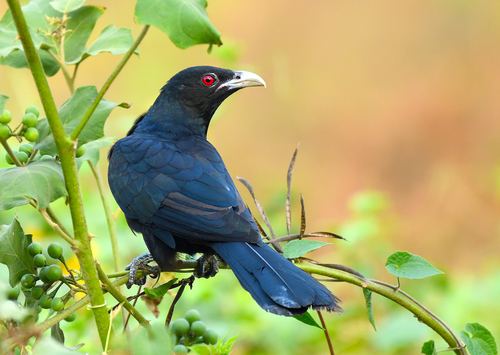
- Lesser coucal is smaller with buff streaks on the back; male Asian koel is all black with a pale bill; crows lack the chestnut wings.
- Where to see it
- Gardens and hedgerows across India and Sri Lanka; canal banks and wooded areas of northern Punjab
- When
- Resident year-round
Listen
Looking for field recordings…
Life & habits
- Diet
- Large insects, snails, lizards, small snakes, frogs, eggs and nestlings; some fruit
- Habitat
- Dense scrub, hedges, reedbeds, gardens and forest edge
- Size
- About 48 cm long
Walks deliberately through undergrowth and along field edges; suns itself with wings spread on bushes after rain.
Where it lives
Recorded sightings
—
geo-referenced records in GBIF, from museums, herbaria and field observers.
Native range
Pakistan, India, Sri Lanka, Nepal and Bangladesh through southern China to Southeast Asia and the Greater Sundas
Drag the globe to turn it. Dots are where records exist, not a range map; darker means more records.
In the stacks
Searching the stacks…
Every page naming Centropus sinensis in the Biodiversity Heritage Library →
Marginalia
British sportsmen in India called it the 'crow pheasant', a name still found in older Indian bird books.
Curiosity
Despite being a cuckoo, it is not a brood parasite: both parents build the nest and feed the chicks.
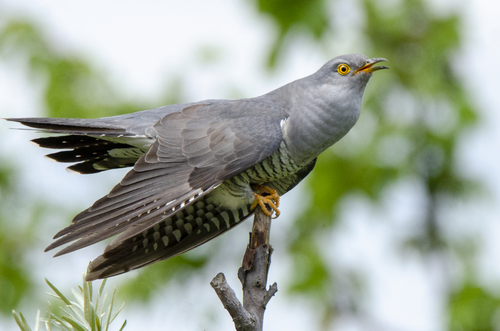
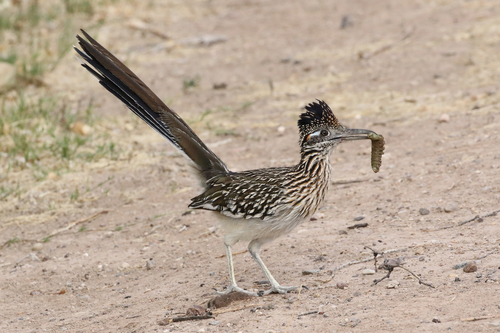
Kinship
Photographs: iNaturalist contributors under the licences shown. Records: GBIF.org. Historical plates: Source Library (CC BY-SA 4.0; originals public domain). Summary text: Nature Library editors and Wikipedia (CC BY-SA). Medicinal and edibility notes are historical and educational, not advice. iNaturalist taxon 1677.