 NL·0420
Herbarium of the Nature Library
- Name
- Dugong dugon
- Family
- Dugongidae
- Native to
- Coastal Indo-West Pacific from East Africa and the Red Sea through the Arabian Gulf, South and Southeast Asia to northern Australia, New Guinea and Vanuatu
- Habitat
- Seagrass meadows, Shallow bays, Coral reef lagoons
Dugong
Dugong dugon
Also calledDuyung (Malay/Indonesian) · Kadal pasu (Tamil, 'sea cow') · Nguva (Swahili) · Sea cow
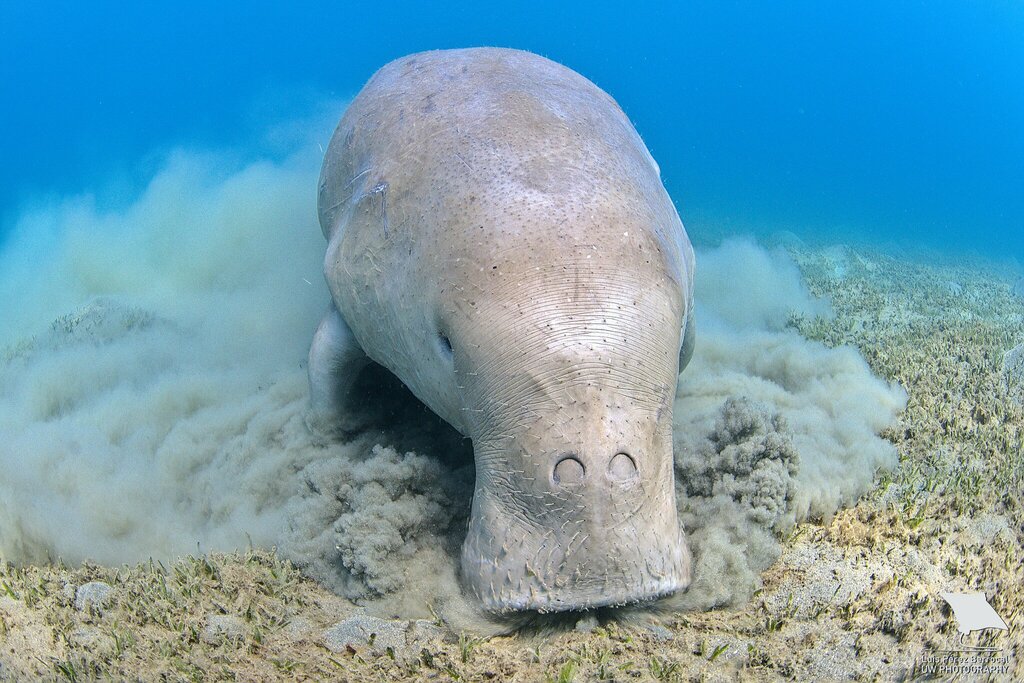
The only strictly marine herbivorous mammal, a seagrass grazer of warm Indo-Pacific shallows with a whale-like fluked tail. Dugongs plough seagrass meadows like underwater cows, leaving feeding trails across the seabed. Australia holds most of the world's population; in India they survive in tiny numbers in the Gulf of Mannar, Palk Bay, Gulf of Kutch and Andaman Islands.
The dugong is a marine mammal. It is one of four living species of the order Sirenia, which also includes three species of manatees. It is the only living representative of the once-diverse family Dugongidae; its closest modern relative, Steller's sea cow, was hunted to extinction in the 18th century. Wikipedia
What it can do
- iUproots whole seagrass plants, leaving feeding trails that can promote regrowth of fast-growing, more nutritious seagrasses
- iiCan live over 70 years
- iiiMature males and some old females grow short tusks
In the field
Field marks
- aGrey to brown, smooth fusiform body
- bWhale-like fluked tail with a median notch (not a rounded paddle)
- cBroad, downturned snout with a bristly upper lip disc
- dSigns: meandering, sandy 'feeding trails' through seagrass beds; surfaces showing only nostrils
- Not to be confused with
- Manatees (Atlantic only) have rounded paddle tails. Sea turtles also graze seagrass but have shells and heads that stay up longer.
- Where to see it
- Shark Bay and Moreton Bay (Australia); Marsa Alam and Marsa Abu Dabbab (Red Sea, Egypt); Marawah Marine Reserve (Abu Dhabi); Coron, Palawan (Philippines); Bazaruto Archipelago (Mozambique); Palk Bay Dugong Conservation Reserve (Tamil Nadu, India)
- When
- Resident year-round
Listen
Looking for field recordings…
Life & habits
- Diet
- Seagrasses, especially roots and rhizomes; occasionally invertebrates
- Habitat
- Shallow, sheltered, warm coastal waters with seagrass
- Size
- 2.4–3 m; 250–500 kg
- Lifespan
- Up to about 70 years
Feeds by rooting through the sediment with its muscular, downturned snout. Mothers nurse a single calf for about 18 months.
Where it lives
Recorded sightings
—
geo-referenced records in GBIF, from museums, herbaria and field observers.
Native range
Coastal Indo-West Pacific from East Africa and the Red Sea through the Arabian Gulf, South and Southeast Asia to northern Australia, New Guinea and Vanuatu
Drag the globe to turn it. Dots are where records exist, not a range map; darker means more records.
In the old herbals & bestiaries
Woodcuts and engravings matched from the Source Library’s scanned books by name. Plates marked “relative” show a close kin rather than this exact species. Click a plate to read the page it came from, with translation.

Ortus sanitatis
1491 · p.674

Garden of Health
Jacob Meydenbach · 1491 · p.672

Louis Renard — Poissons, ecrevisses et crabes (1754)
Louis Renard · 1754 · p.218

Garden of Health
1507 · p.580

Athanasii Kircheri Societatis Jesu Magnes sive de arte magnetica opus tripartium quo universa magnetis natura, eiusque in omnibus scientiis & artibus usus, nova medthodo explicatur, ac praeterae e viribus & prodigiosis effectibus magneticarum, aliarumque abditarum naturae motionum in elementis, lapidibus, plantis, animalibus, elucescentium, multa hucusque incognita natureae arcana, per physica, medica, chymica, & mathematica omnis generis experimenta recluduntur
Kircher, Athanasius · 1654 · p.560

History of Animals, Book II: On Oviparous Quadrupeds
Conrad Gessner · 1586 · p.496
In the stacks
Searching the stacks…
Every page naming Dugong dugon in the Biodiversity Heritage Library →
Marginalia
Dugongs and manatees, the order Sirenia, are named for the sirens of Greek myth, and seafarers' tales of mermaids are often traced to them. In 2022 Tamil Nadu declared India's first Dugong Conservation Reserve in Palk Bay.
Curiosity
The dugong's closest living relatives on land are elephants.
Kinship

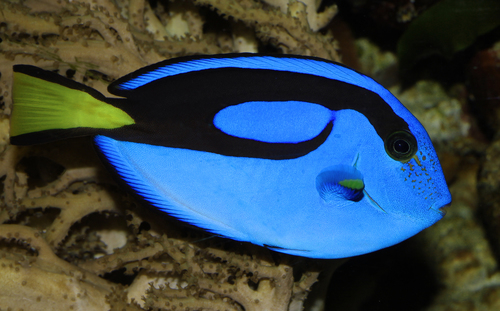


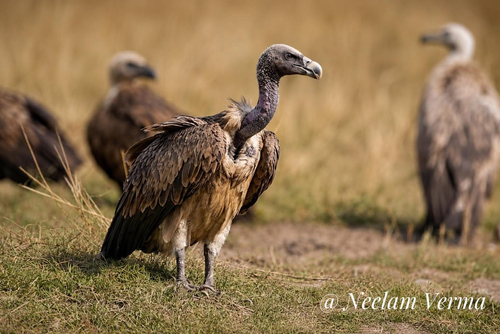

Photographs: iNaturalist contributors under the licences shown. Records: GBIF.org. Historical plates: Source Library (CC BY-SA 4.0; originals public domain). Summary text: Nature Library editors and Wikipedia (CC BY-SA). Medicinal and edibility notes are historical and educational, not advice. iNaturalist taxon 46311.