 NL·0715
Herbarium of the Nature Library
- Name
- Athene cunicularia
- Family
- Strigidae
- Native to
- Western North America and Florida south through Mexico, the Caribbean and Central America to Tierra del Fuego
- Habitat
- Grassland, Desert, Pampas, Farmland, Urban lots
On eBird ↗
Burrowing Owl
Live sightings near you, the range map, bar charts of when it is seen, and Macaulay Library photos and recordings.
Burrowing owl
Athene cunicularia
Also calledLechucita vizcachera (Spanish, Argentina) · Tecolote llanero (Spanish, Mexico) · Coruja-buraqueira (Portuguese) · Chevêche des terriers (French)
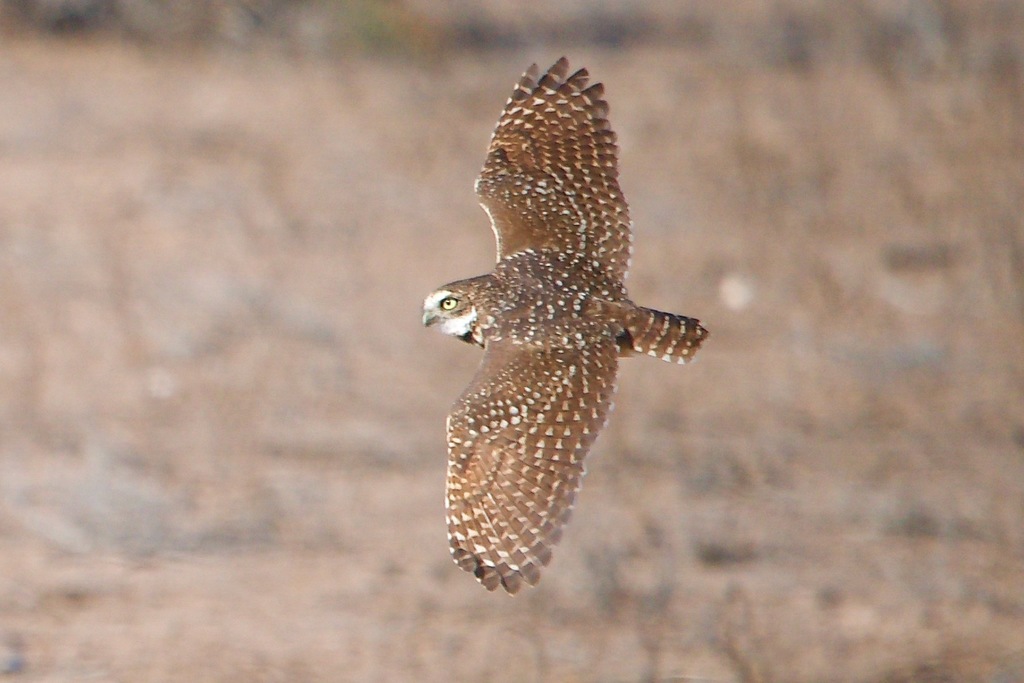
A small, long-legged owl that lives underground in burrows dug by prairie dogs, ground squirrels or armadillos, and is often active by day. It bobs and stares from the burrow mouth, and decorates its entrance with dung to attract beetles.
The burrowing owl is a small, long-legged, primarily terrestrial—though not flightless—species of owl native to the open landscapes of North and South America. They are typically found in grasslands, rangelands, agricultural areas, deserts, or any other open, dry area with low vegetation. They nest and roost in burrows, and, despite their common name, do not often construct these dwellings themselves, rather repurposing disused burrows or tunnels previously excavated and inhabited by other species, such as American badgers, foxes, ground squirrels or prairie dogs, among others. Wikipedia
What it can do
- iSpreads mammal dung around its burrow, which attracts dung beetles it then eats (Levey et al., Nature, 2004)
- iiChicks in the burrow give a hiss that resembles a rattlesnake's rattle
- iiiFlorida birds dig their own burrows; western birds usually take over mammal burrows
- ivHunts both day and night, hovering and running after insects
In the field
Field marks
- aSmall brown owl with white spots, standing on long, sparsely feathered legs
- bRound head with no ear tufts
- cBright yellow eyes beneath bold white eyebrows
- dWhite chin stripe; usually seen on the ground or a low post
- Voice
- A soft, two-note 'coo-coooo' at night; chattering and clucking alarm calls.
- Not to be confused with
- Short-eared Owl is larger, longer-winged and flies low over grass. Screech-owls have ear tufts and live in trees.
- Where to see it
- Cape Coral, Florida; prairie dog towns of the Great Plains; Salton Sea agricultural fields (California); the Pampas and Brazilian city lawns.
- When
- Resident in Florida and southward; northern Great Plains birds are summer visitors, Apr–Oct
Listen
Looking for field recordings…
Life & habits
- Diet
- Insects (beetles, grasshoppers), small rodents, lizards, frogs
- Habitat
- Open, short-grass country — prairies, deserts, pastures, airports, vacant lots
- Size
- 19–28 cm; 140–240 g
- Lifespan
- Up to about 9 years in the wild
It bobs its head and body rapidly when alarmed, a characteristic gesture.
Where it lives
Recorded sightings
—
geo-referenced records in GBIF, from museums, herbaria and field observers.
Native range
Western North America and Florida south through Mexico, the Caribbean and Central America to Tierra del Fuego
Drag the globe to turn it. Dots are where records exist, not a range map; darker means more records.
In the stacks
Searching the stacks…
Every page naming Athene cunicularia in the Biodiversity Heritage Library →
Marginalia
Its species name cunicularia, 'little miner' or 'burrower', was given by Juan Ignacio Molina in Chile in 1782.
Curiosity
Though globally common, it is listed as Endangered in Canada after its prairie populations collapsed.
Kinship
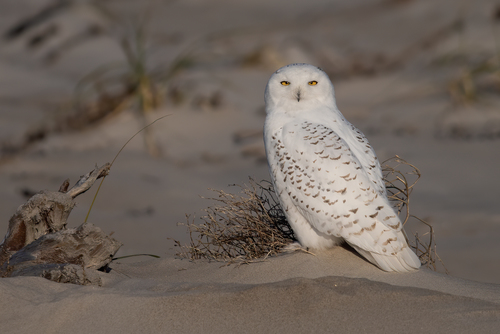
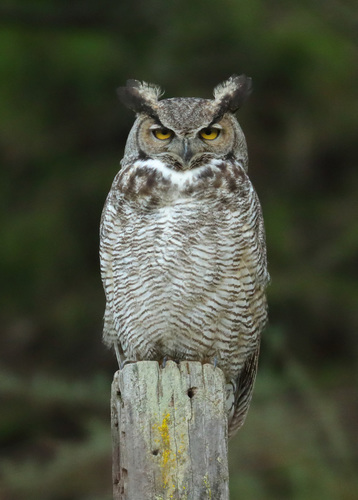
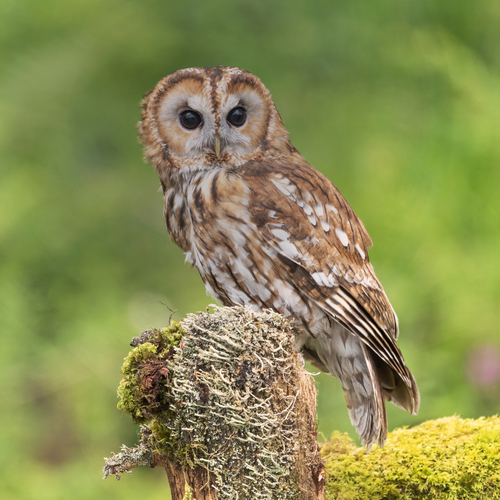
Photographs: iNaturalist contributors under the licences shown. Records: GBIF.org. Historical plates: Source Library (CC BY-SA 4.0; originals public domain). Summary text: Nature Library editors and Wikipedia (CC BY-SA). Medicinal and edibility notes are historical and educational, not advice. iNaturalist taxon 19975.