 NL·0598
Herbarium of the Nature Library
- Name
- Melospiza melodia
- Family
- Passerellidae
- Native to
- Alaska and Canada south through the US to central Mexico
- Habitat
- Shrubland, Marsh edge, Gardens, Coastal scrub
On eBird ↗
Song Sparrow
Live sightings near you, the range map, bar charts of when it is seen, and Macaulay Library photos and recordings.
Song sparrow
Melospiza melodia
Also calledGorrión cantor (Spanish) · Bruant chanteur (French)
A streaky brown sparrow that sings from shrubs in almost every brushy habitat in North America. It varies so much across its range that dozens of subspecies are recognised, from small pale desert birds to large dark Aleutian ones.
The song sparrow is a medium-sized New World sparrow. Among the native sparrows in North America, it is easily one of the most abundant, variable, and adaptable species. Wikipedia
What it can do
- iEach male sings a repertoire of roughly 5–13 song types, learned from neighbours
- iiNeighbouring males 'match' each other's song types during territorial disputes
- iiiVaries dramatically in size and colour across its range in step with climate
- ivBreeds from salt marshes and desert streams to subarctic islands
In the field
Field marks
- aBrown upperparts and white underparts with heavy streaks merging into a central breast spot
- bBroad grey eyebrow and brown stripe behind the eye
- cDark malar (moustache) stripe
- dLong, rounded tail pumped in flight
- Voice
- Opens with two or three clear notes, then a buzzy trill and jumble — remembered as 'Maids, maids, maids, put on your tea-kettle-ettle-ettle'; call a nasal 'chimp'.
- Not to be confused with
- Savannah Sparrow has a yellowish eyebrow, finer streaks and a short notched tail. Lincoln's Sparrow is finely streaked on a buffy breast. Fox Sparrow is larger with heavier triangular spots.
- Where to see it
- Shrubby edges and wetlands across North America; one of the first songs of late winter in the eastern US.
- When
- Resident in much of the US; northern birds migrate south for winter
Listen
Looking for field recordings…
Life & habits
- Diet
- Insects in summer; seeds and fruit in winter
- Habitat
- Brushy fields, streamsides, marsh edges, hedgerows and gardens
- Size
- 12–17 cm; 12–53 g (Aleutian birds largest)
- Lifespan
- Banding record about 11 years
In flight it pumps its long, rounded tail up and down.
Where it lives
Recorded sightings
—
geo-referenced records in GBIF, from museums, herbaria and field observers.
Native range
Alaska and Canada south through the US to central Mexico
Drag the globe to turn it. Dots are where records exist, not a range map; darker means more records.
In the old herbals & bestiaries
No plate in the Source Library names this exact species, so these show its closest relatives as the old naturalists drew them: same genus, or the same kind of animal. Click a plate to read the page it came from, with translation.

Theater of Earthly Creatures
Relative · Anonymous · 1672 · p.252

A voyage to the islands Madera Barbados Jamaica Vol. 1
Relative · Hans Sloane · 1707 · p.627

The Natural History of Carolina, Florida and the Bahama Islands, Vol. 1
Relative · Mark Catesby · 1777 · p.128

The Natural History of Carolina, Florida and the Bahama Islands, Vol. 1
Relative · Mark Catesby · 1777 · p.122

Introductory Book
Relative · Michael Scot · 1350 · p.214

History of Animals, Book I: On Viviparous Quadrupeds
Relative · Conrad Gessner · 1554 · p.804

History of Animals, Book I: On Viviparous Quadrupeds
Relative · Conrad Gessner · 1554 · p.542

Historiae Animalium Liber III: De Avium Natura
Relative · Conrad Gesner · 1555 · p.659

Illustrated Herbal Primer
Relative · Chen Jiamo (陳嘉謨) · 1628 · p.311

Noah's Ark
Relative · Athanasius Kircher · 1675 · p.134
In the stacks
Searching the stacks…
Every page naming Melospiza melodia in the Biodiversity Heritage Library →
Marginalia
Margaret Morse Nice's years of observation of individually banded song sparrows in her Columbus, Ohio, backyard, published as Studies in the Life History of the Song Sparrow (1937), became a landmark of bird behaviour science.
Curiosity
The Aleutian Island birds can weigh about four times as much as the smallest desert populations.
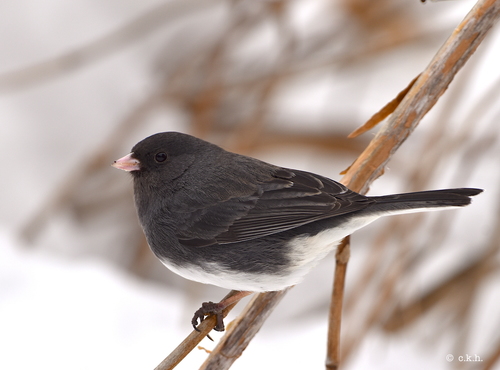
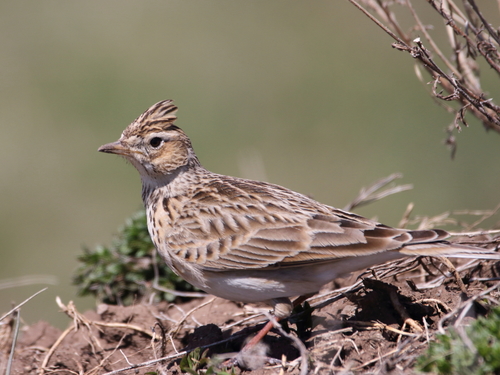
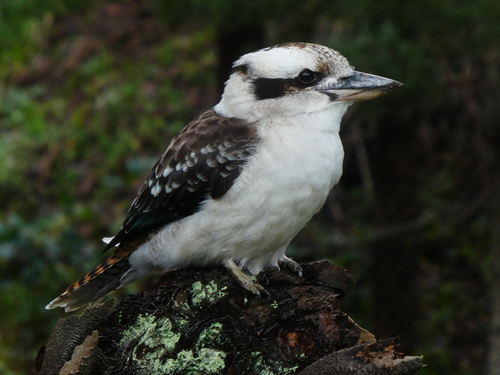
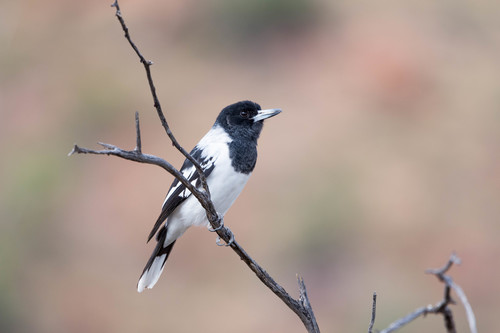
Kinship
Photographs: iNaturalist contributors under the licences shown. Records: GBIF.org. Historical plates: Source Library (CC BY-SA 4.0; originals public domain). Summary text: Nature Library editors and Wikipedia (CC BY-SA). Medicinal and edibility notes are historical and educational, not advice. iNaturalist taxon 9100.