
Swallows and Martins
Hirundinidae
The swallows, martins, and saw-wings, or Hirundinidae, are a family of passerine songbirds found around the world on all continents, including occasionally in Antarctica. Highly adapted to aerial feeding, they have a distinctive appearance. The term "swallow" is used as the common name for Hirundo rustica in the United Kingdom and Ireland. Around 90 species of Hirundinidae are known, divided into 21 genera, with the greatest diversity found in Africa, which is also thought to be where they evolved as hole-nesters. They also occur on a number of oceanic islands. A number of European and North American species are long-distance migrants; by contrast, the West and South African swallows are nonmigratory.
This family comprises two subfamilies: Pseudochelidoninae (the river martins of the genus Pseudochelidon) and Hirundininae (all other swallows, martins, and saw-wings). In the Old World, the name "martin" tends to be used for the squarer-tailed species, and the name "swallow" for the more fork-tailed species; however, this distinction does not represent a real evolutionary separation. In the New World, "martin" is reserved for members of the genus Progne. (These two systems are responsible for the same species being called sand martin in the Old World and bank swallow in the New World.)
29 branches of this family, most-observed first · about 92 known species

Typical Swallows
genusHirundo
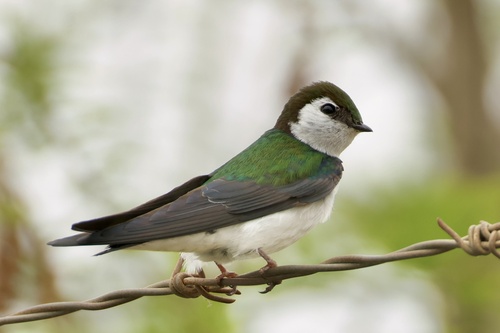
Tachycineta Swallows
genusTachycineta

New World Martins
genusProgne

Cliff Swallows and Allies
genusPetrochelidon
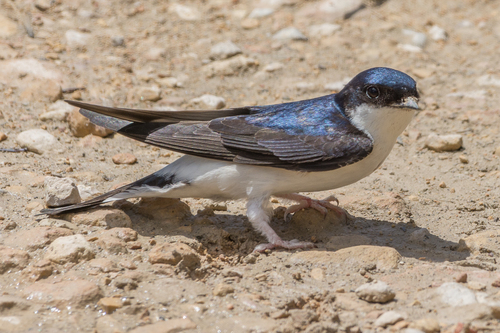
House Martins
genusDelichon
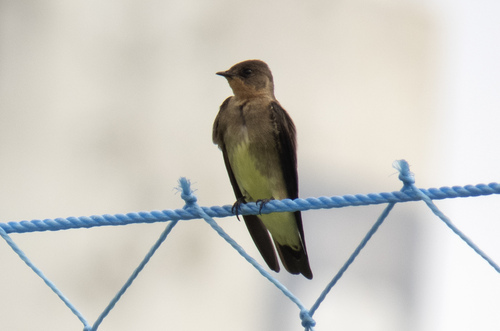
Rough-winged Swallows
genusStelgidopteryx
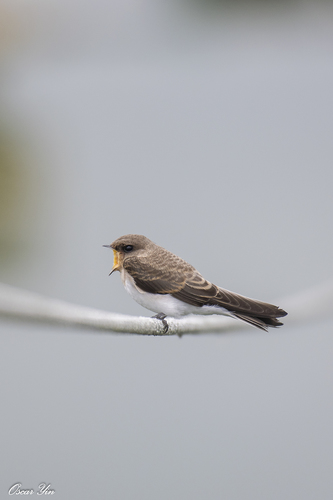
Sand Martins, Plain Martins, and Allies
genusRiparia

Red-rumped Swallows, Striped Swallows, and Allies
genusCecropis

Crag-Martins
genusPtyonoprogne
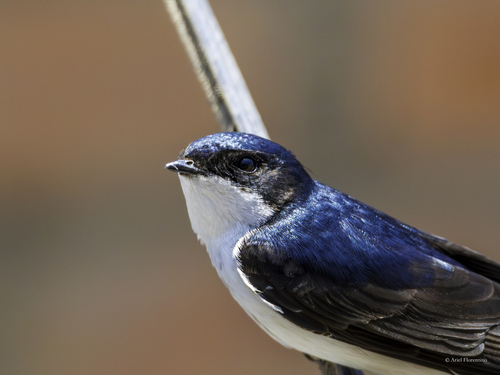
Blue-and-white and Black-collared Swallows
genusPygochelidon
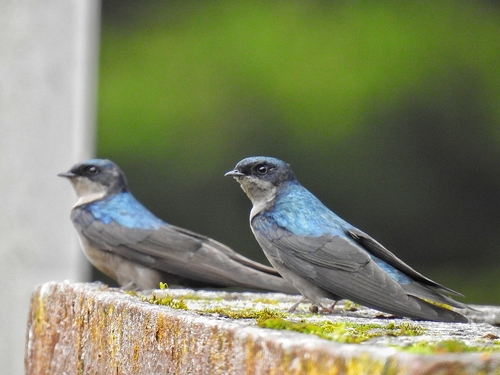
Andean Swallows
genusOrochelidon
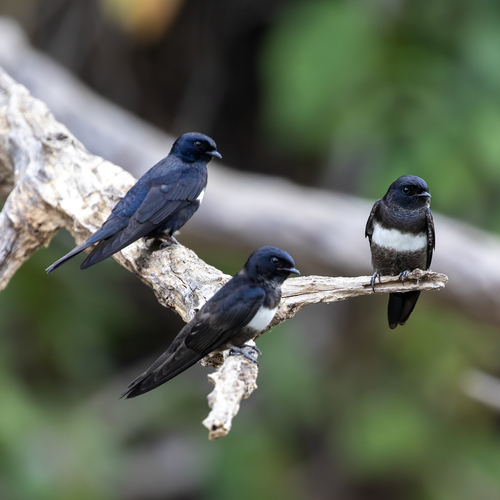
Atticora Swallows
genusAtticora

Sawwings
genusPsalidoprocne
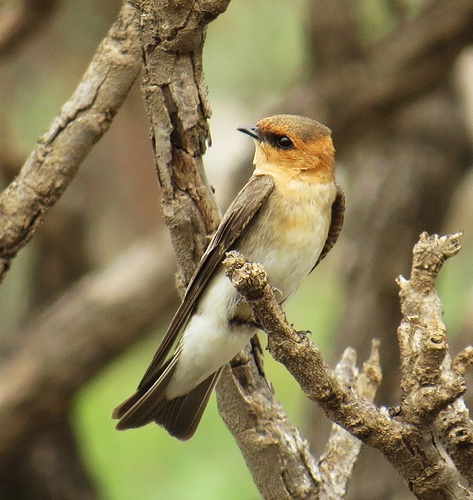
Alopochelidon
genusAlopochelidon
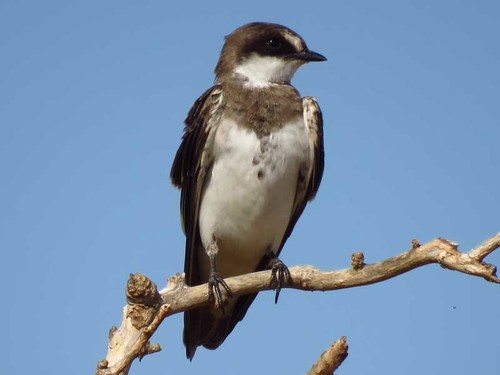
Neophedina
genusNeophedina

Phedina
genusPhedina
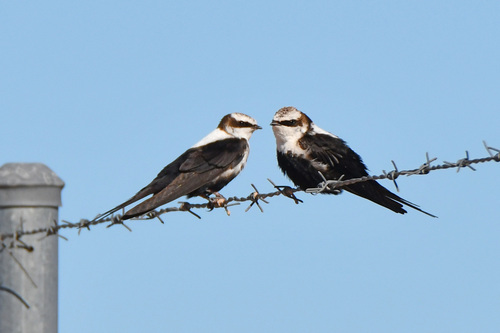
Cheramoeca
genusCheramoeca
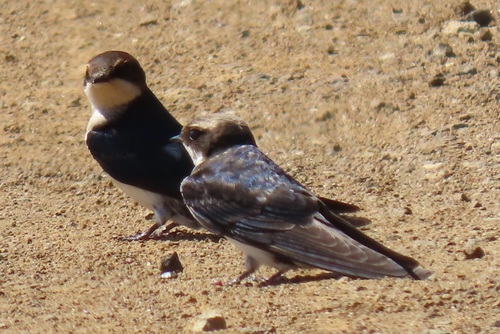
Pseudhirundo
genusPseudhirundo

River Martins
genusPseudochelidon

Atronanus
genusAtronanus
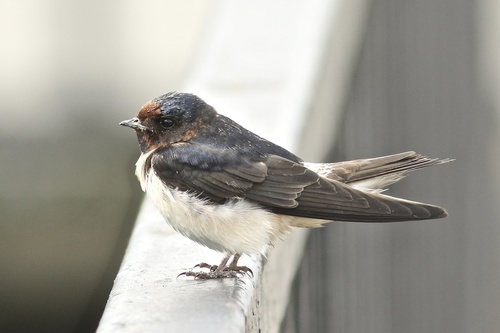
Hirundo × Petrochelidon
genushybridHirundo × Petrochelidon
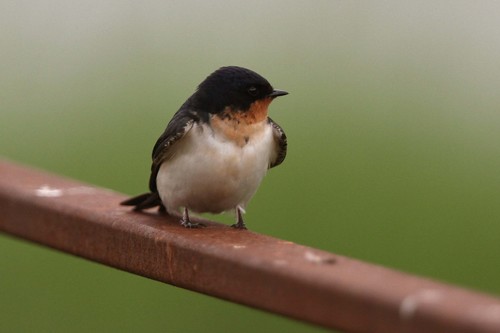
Typical Swallows × House Martins
genushybridHirundo × Delichon
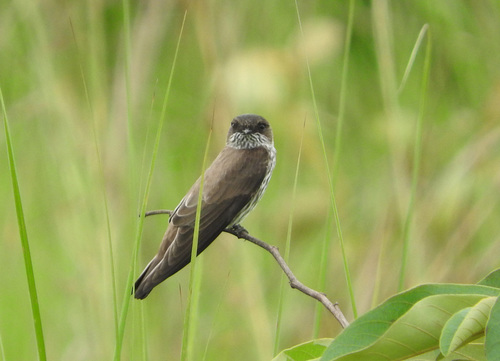
Phedinopsis
genusPhedinopsis
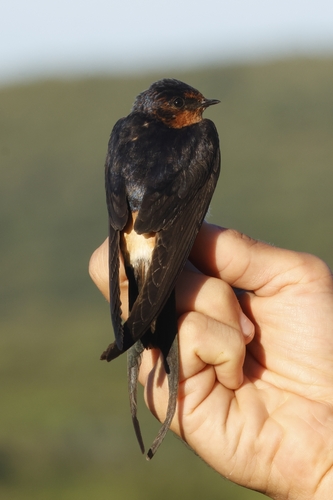
Cecropis × Hirundo
genushybridCecropis × Hirundo
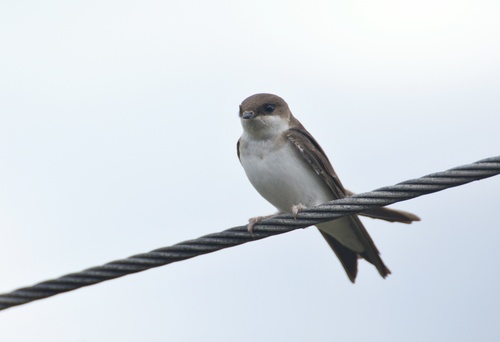
House Martins × Sand Martins, Plain Martins, and Allies
genushybridDelichon × Riparia
Petrochelidon × Tachycineta
genushybridPetrochelidon × Tachycineta
Riparia × Hirundo
genushybridRiparia × Hirundo
Hirundo × Tachycineta
genushybridHirundo × Tachycineta
Stelgidopteryx × Tachycineta
genushybridStelgidopteryx × Tachycineta
Where it lives
Recorded sightings
—
geo-referenced records in GBIF, from museums, herbaria and field observers.
Drag the globe to turn it. Dots are where records exist, not a range map; darker means more records.
In the stacks
Searching the stacks…
Every page naming Hirundinidae in the Biodiversity Heritage Library →
This page is assembled live from iNaturalist, GBIF, Wikipedia, the Source Library and the Internet Archive. It is not yet part of the hand-edited codex. iNaturalist taxon 11853.