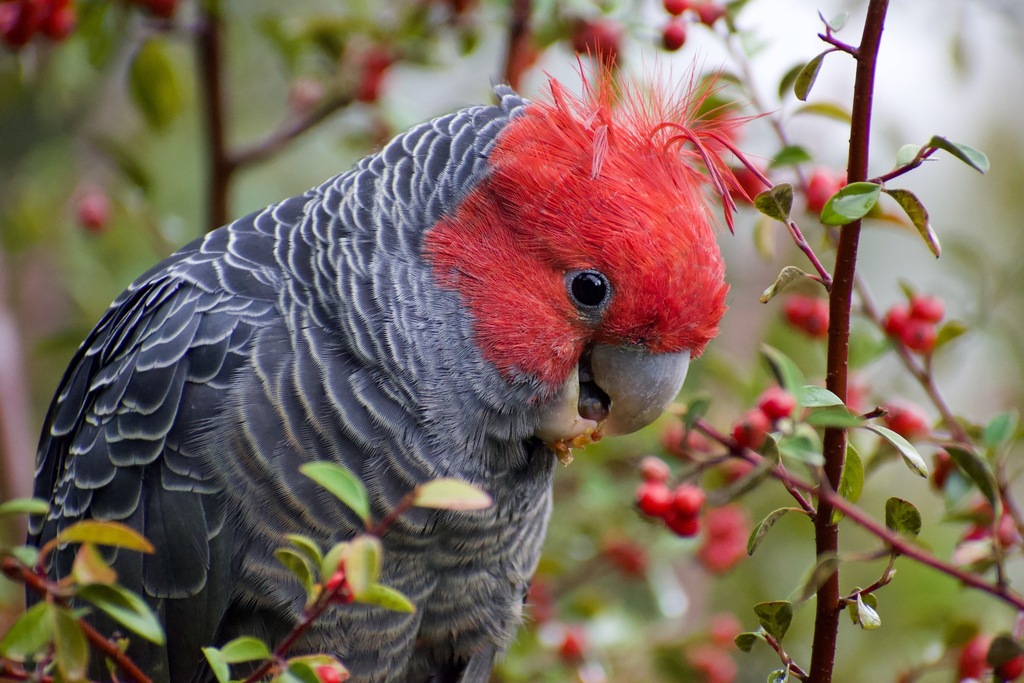
Cockatoos
Cacatuidae
A cockatoo is any of the 22 species of parrots belonging to the family Cacatuidae, the only family in the superfamily Cacatuoidea, native to Australasia. Along with the Psittacoidea (true parrots) and Strigopoidea (New Zealand parrots), they make up the order Psittaciformes. The family has a mainly Australasian distribution, ranging from the Philippines and the eastern Indonesian islands of Wallacea to New Guinea, the Solomon Islands and Australia.
Cockatoos are recognisable by their prominent crests and curved bills. Their plumage is generally less colourful than that of other parrots, being mainly white, grey, or black and often with coloured features in the crest, cheeks, or tail. On average, they are larger than other parrots; however, the cockatiel, the smallest cockatoo species, is medium-sized. The phylogenetic position of the cockatiel remains unresolved, except that it is one of the earliest offshoots of the cockatoo lineage. The remaining species are in two main clades. The five large black-coloured cockatoos of the genus Calyptorhynchus form one branch. The second and larger branch is formed by the genus Cacatua, comprising 12 species of white-plumaged cockatoos and three monotypic genera that branched off earlier, namely the pink and grey galah, the mainly grey gang-gang cockatoo and the large black-plumaged palm cockatoo.
8 branches of this family, most-observed first · about 22 known species

White Cockatoos and Corellas
genusCacatua

Galahs
genusEolophus
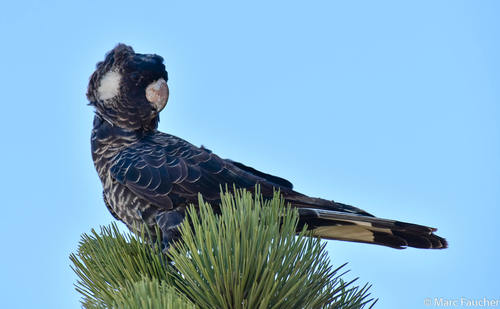
Yellow-tailed and White-tailed Black Cockatoos
genusZanda
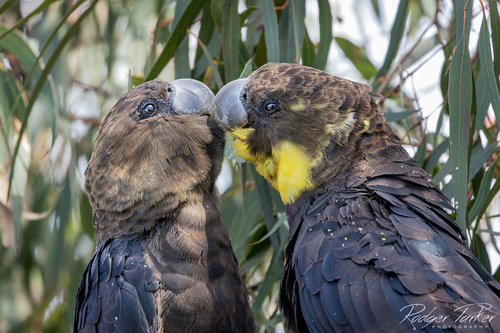
Red-tailed and Glossy Black Cockatoos
genusCalyptorhynchus
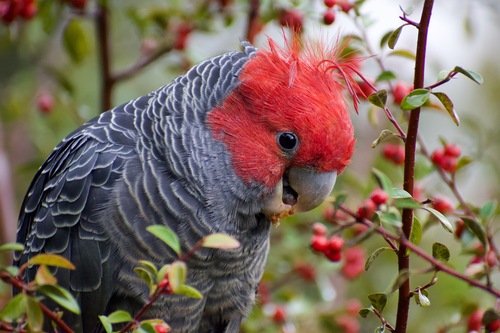
Gang-gang Cockatoos
genusCallocephalon

Cockatiels
genusNymphicus
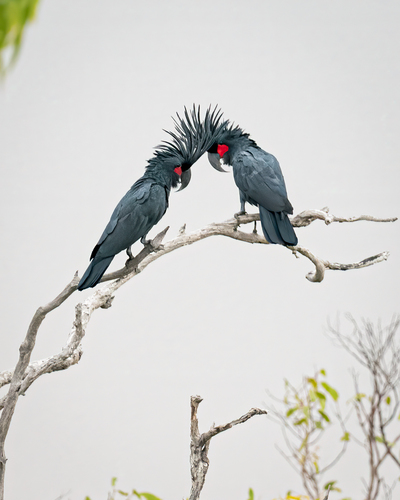
Palm Cockatoos
genusProbosciger
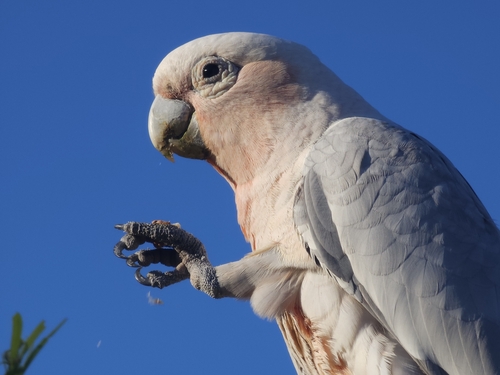
White Cockatoos and Corellas × Galahs
genushybridCacatua × Eolophus
Where it lives
Recorded sightings
—
geo-referenced records in GBIF, from museums, herbaria and field observers.
Drag the globe to turn it. Dots are where records exist, not a range map; darker means more records.
In the stacks
Searching the stacks…
Every page naming Cacatuidae in the Biodiversity Heritage Library →
This page is assembled live from iNaturalist, GBIF, Wikipedia, the Source Library and the Internet Archive. It is not yet part of the hand-edited codex. iNaturalist taxon 119157.