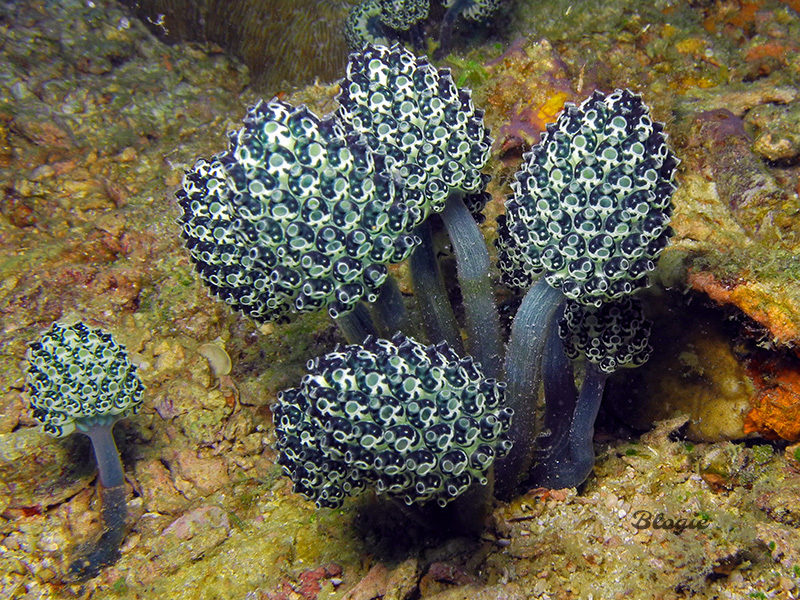
Tunicates
Tunicata
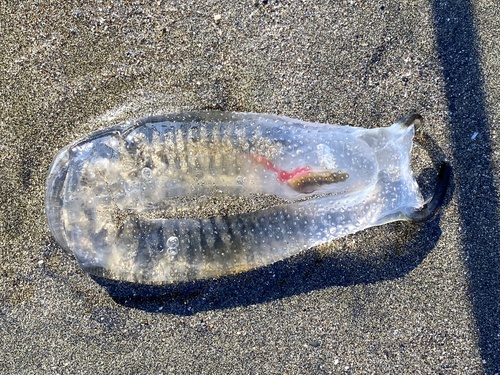
Tunicates are marine invertebrates belonging to the subphylum Tunicata ( TEW-nih-KAY-tə). This grouping is part of the Chordata, a phylum which includes all animals with dorsal nerve cords and notochords (including vertebrates). The subphylum was at one time called Urochordata, and the term urochordates is still sometimes used for these animals.
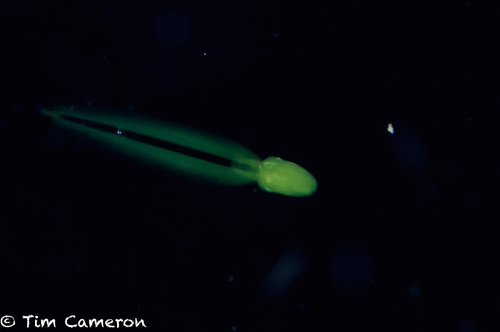
Despite their simple appearance and very different adult form, their close relationship to the vertebrates is certain. Both groups are chordates, as evidenced by the fact that during their mobile larval stage, tunicates possess a notochord, a hollow dorsal nerve cord, pharyngeal slits, post-anal tail, and an endostyle. They resemble a tadpole.
3 branches of this subphylum, most-observed first · about 3,103 known species
See this branch on the Wheel of Life →
Where it lives
Recorded sightings
—
geo-referenced records in GBIF, from museums, herbaria and field observers.
Drag the globe to turn it. Dots are where records exist, not a range map; darker means more records.
In the stacks
Searching the stacks…
Every page naming Tunicata in the Biodiversity Heritage Library →
This page is assembled live from iNaturalist, GBIF, Wikipedia, the Source Library and the Internet Archive. It is not yet part of the hand-edited codex. iNaturalist taxon 130868.