
Starlings
Sturnidae
Starlings are small to medium-sized passerine birds in the family Sturnidae. The name "Sturnidae" comes from the Latin word for starling, sturnus. Many Asian species, particularly the larger ones, are called mynas, and many African species are known as glossy starlings because of their iridescent plumage. Starlings are native to Europe, Asia and Africa, as well as northern Australia and the islands of the tropical Pacific. Several European and Asian species have been introduced to these...
40 branches of this family, most-observed first · about 119 known species

European and Spotless Starlings
genusSturnus

Typical Mynas
genusAcridotheres
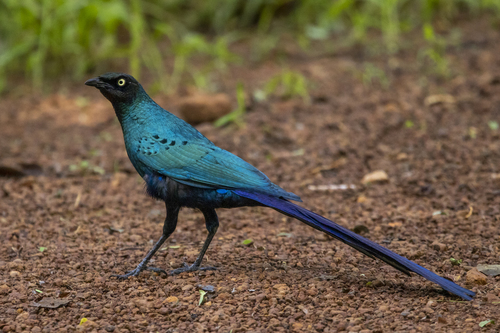
Glossy Starlings and Allies
genusLamprotornis

Asian Pied Starlings
genusGracupica
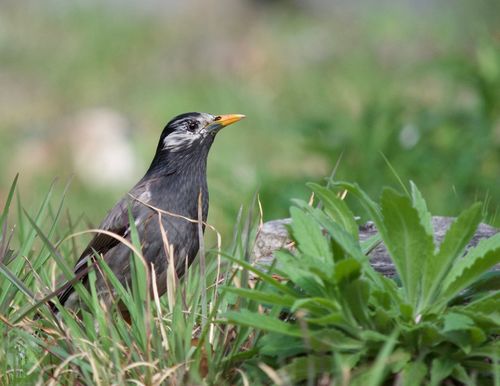
White-cheeked and Red-billed Starlings
genusSpodiopsar

Pacific Starlings
genusAplonis

Red-winged Starlings
genusOnychognathus

Sturnia Starlings
genusSturnia
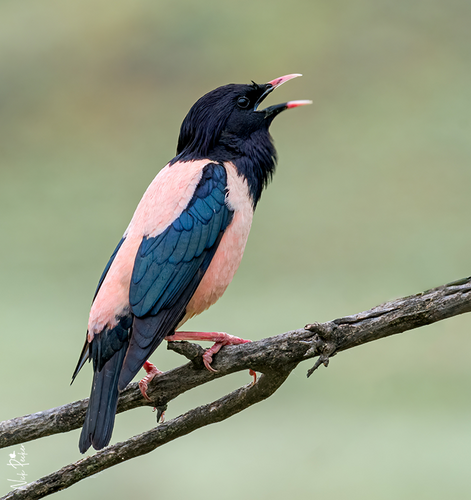
Rosy Starlings
genusPastor

Hill Mynas
genusGracula

Cinnyricinclus
genusCinnyricinclus
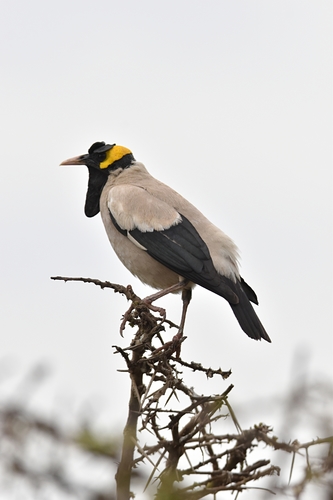
Creatophora
genusCreatophora
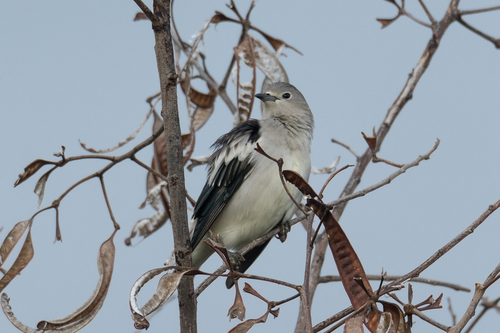
Chestnut-cheeked and Daurian Starlings
genusAgropsar

Notopholia
genusNotopholia
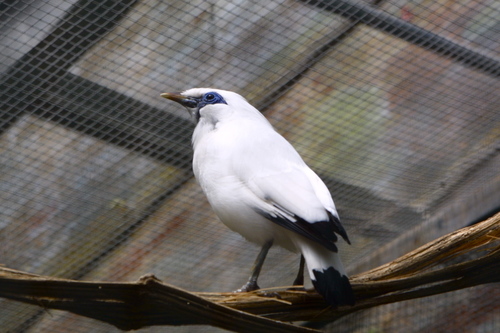
Leucopsar
genusLeucopsar
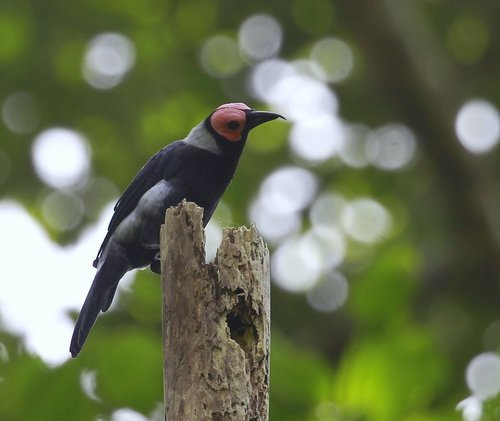
Sarcops
genusSarcops

Papuan Mynas
genusMino
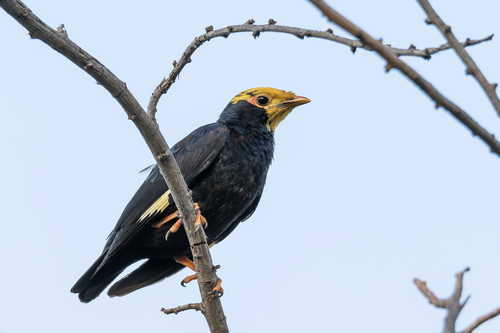
Ampeliceps
genusAmpeliceps
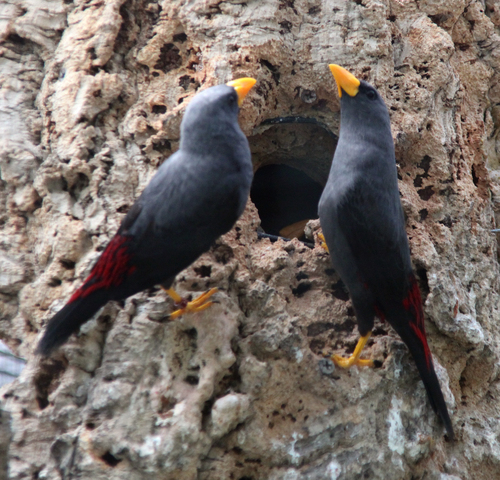
Scissirostrum
genusScissirostrum
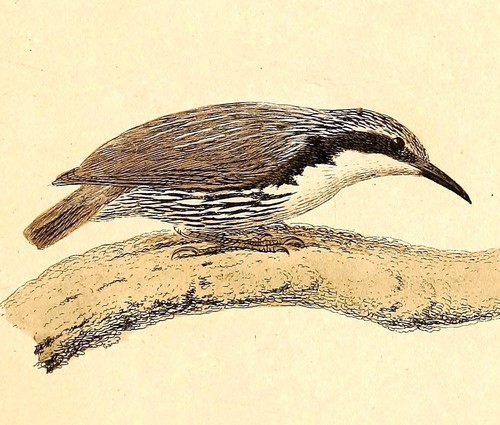
Philippine Creepers
genusRhabdornis
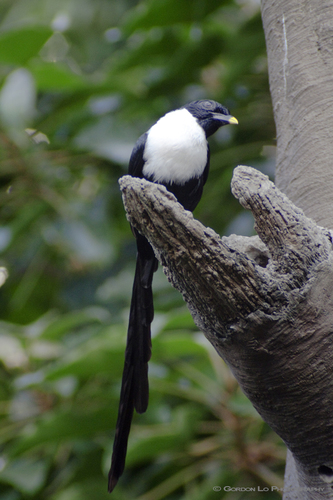
Bare-eyed and White-necked Mynas
genusStreptocitta
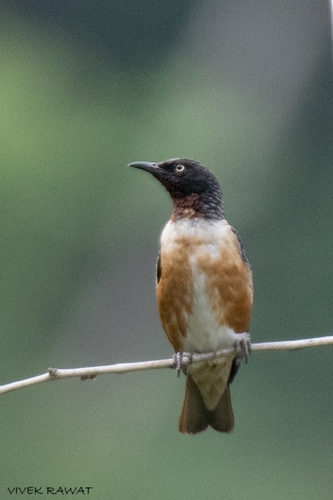
Saroglossa
genusSaroglossa
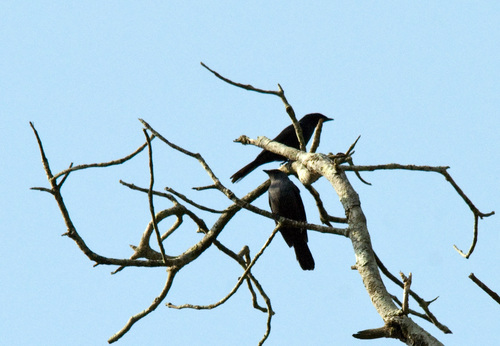
Poeoptera Starlings
genusPoeoptera
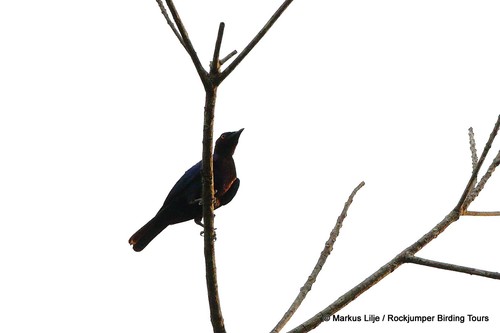
Copper-tailed and Purple-headed Starlings
genusHylopsar
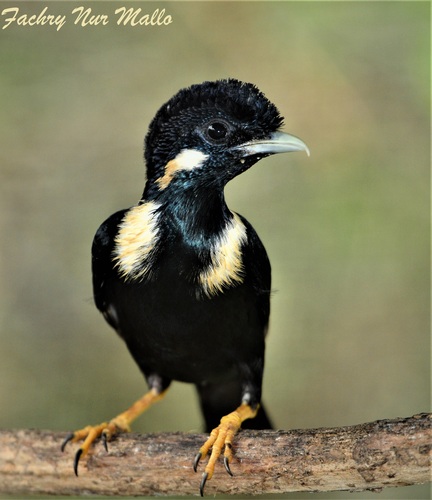
Helmeted Mynas
genusBasilornis
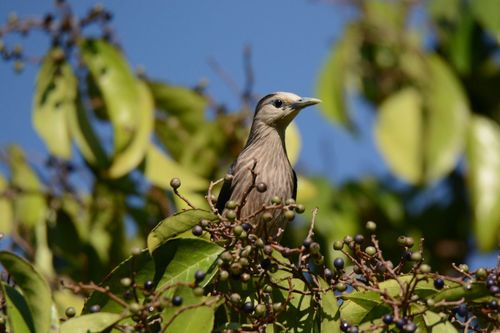
White-Faced Starlings
genusSturnornis
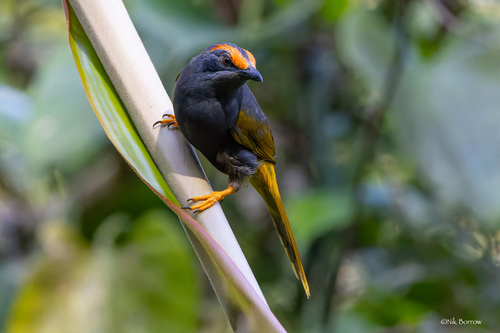
Enodes
genusEnodes

Hartlaubius
genusHartlaubius
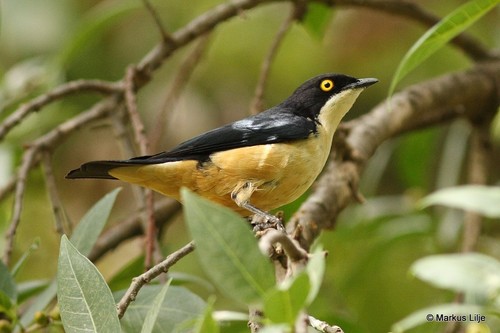
Pholia
genusPholia
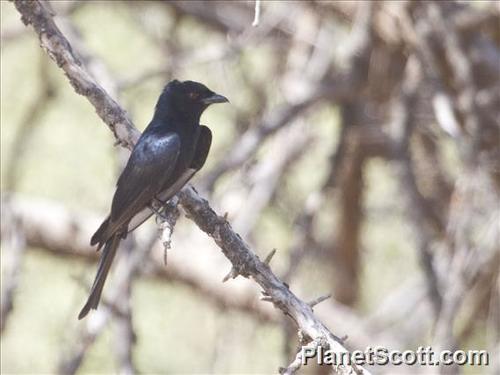
Speculipastor
genusSpeculipastor

Goodfellowia
genusGoodfellowia

Arizelopsar
genusArizelopsar
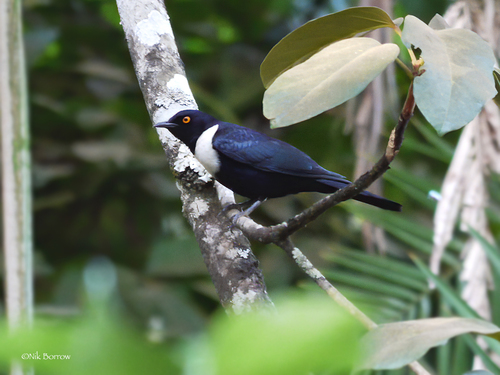
Grafisia
genusGrafisia
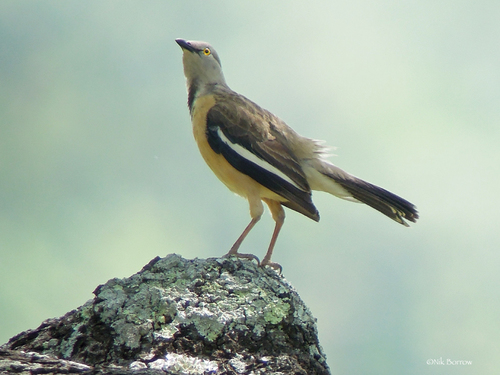
Neocichla
genusNeocichla
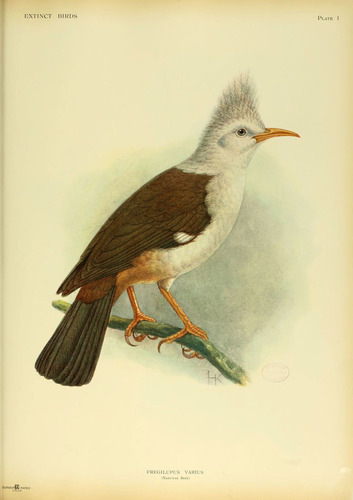
Fregilupus
genusFregilupus
Cryptopsar
genusCryptopsar
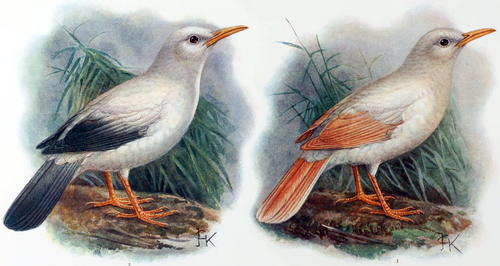
Necropsar
genusNecropsar
Gracupica × Sturnia
genushybridGracupica × Sturnia
Acridotheres × Gracupica
genushybridAcridotheres × Gracupica
Acridotheres × Spodiopsar
genushybridAcridotheres × Spodiopsar
Where it lives
Recorded sightings
—
geo-referenced records in GBIF, from museums, herbaria and field observers.
Drag the globe to turn it. Dots are where records exist, not a range map; darker means more records.
In the stacks
Searching the stacks…
Every page naming Sturnidae in the Biodiversity Heritage Library →
This page is assembled live from iNaturalist, GBIF, Wikipedia, the Source Library and the Internet Archive. It is not yet part of the hand-edited codex. iNaturalist taxon 14841.