
Rails, Gallinules, and Coots
Rallidae
Rails (avian family Rallidae) are a large, cosmopolitan family of small- to medium-sized terrestrial or semi-amphibious birds. The family exhibits considerable diversity in its forms, and includes such ubiquitous species as the crakes, coots, and gallinules; other rail species are extremely rare or endangered. Many are associated with wetland habitats, some being semi-aquatic like waterfowl (such as the coot), but many more are wading birds or shorebirds. The ideal rail habitats are marsh areas, including rice paddies, and flooded fields or open forest. They are especially fond of dense vegetation for nesting. The rail family is found in every terrestrial habitat with the exception of dry desert, polar or freezing regions, and alpine areas (above the snow line). Members of Rallidae occur on every continent except Antarctica. Numerous unique island species are known. The rails have suffered disproportionally from human changes to the environment, and an estimated several hundred species of island rails have become extinct because of this. Several island species of rails remain endangered, and conservation organisations and governments continue to work to prevent their extinction.
43 branches of this family, most-observed first · about 132 known species
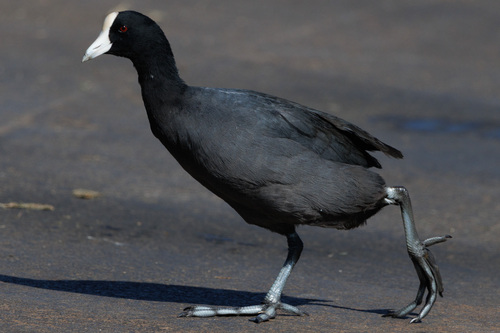
Coots
genusFulica

Typical Moorhens
genusGallinula

Swamphens and Blue Gallinules
genusPorphyrio

Typical Rails
genusRallus

Bush-hens and Allies
genusAmaurornis

Spotted Crakes and allies
genusPorzana

Australo-Pacific Rails
genusGallirallus

Neotropical Wood-Rails
genusAramides

Zapornia Crakes
genusZapornia

Neotropical Marshland Rails
genusPardirallus

Nativehens
genusTribonyx

Crex
genusCrex

Porphyriops
genusPorphyriops
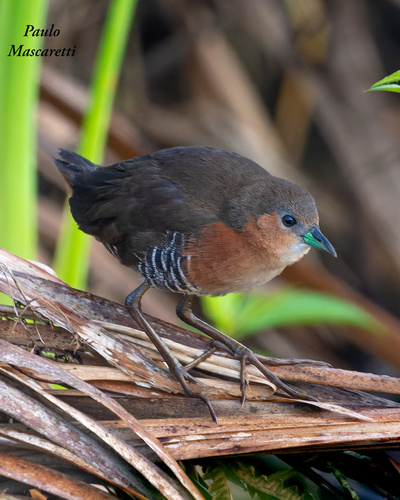
Laterallus Crakes
genusLaterallus

Lewin's Rail and Allies
genusLewinia
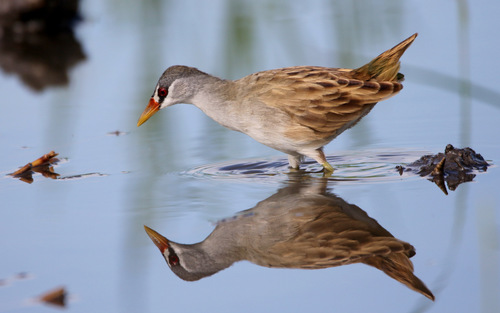
Poliolimnas
genusPoliolimnas

Red-legged Crakes and Allies
genusRallina

Gallicrex
genusGallicrex
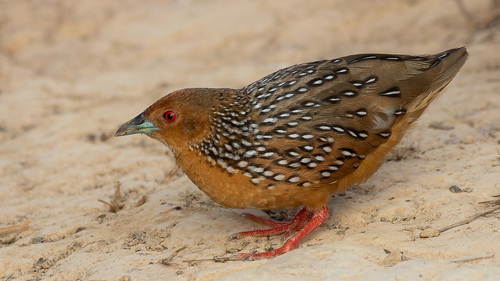
Rufirallus Crakes
genusRufirallus

Mustelirallus Crakes
genusMustelirallus
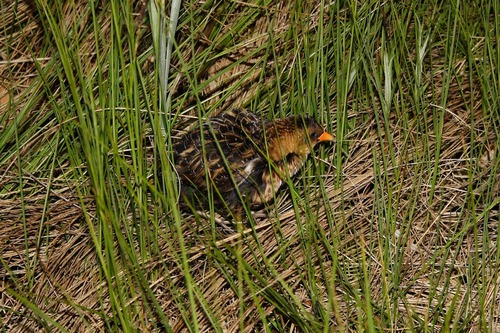
Coturnicops Rails
genusCoturnicops
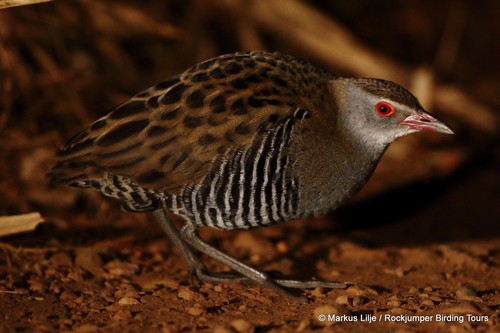
Crecopsis
genusCrecopsis
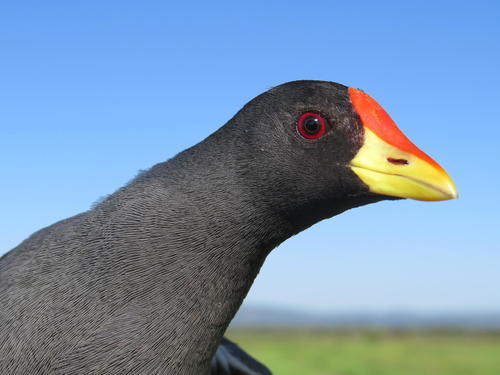
Paragallinula
genusParagallinula

Dryolimnas
genusDryolimnas

Amaurolimnas
genusAmaurolimnas

Rougetius
genusRougetius

Himantornis
genusHimantornis

Bare-faced Rails
genusGymnocrex
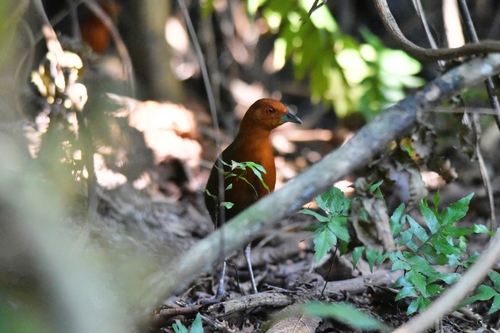
Anurolimnas
genusAnurolimnas
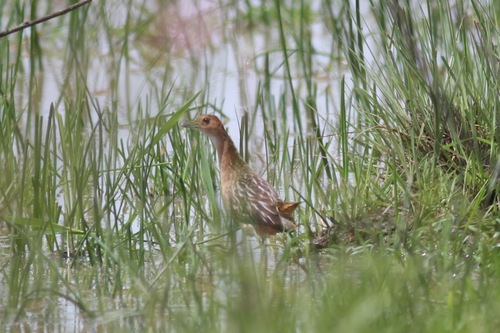
Aenigmatolimnas
genusAenigmatolimnas

Coots × Moorhens
genushybridFulica × Gallinula

Canirallus
genusCanirallus
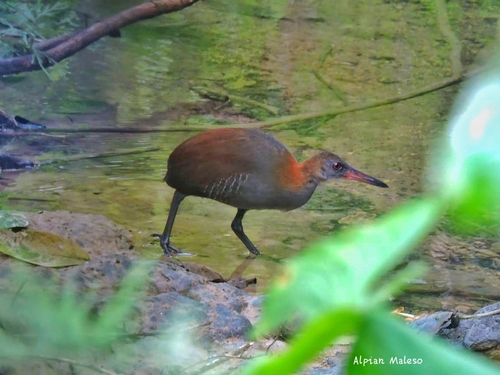
Aramidopsis
genusAramidopsis
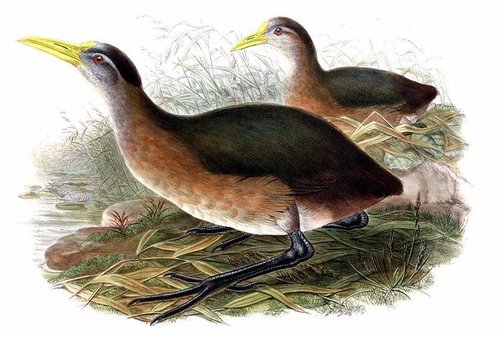
Megacrex
genusMegacrex

Diaphorapteryx
genusDiaphorapteryx
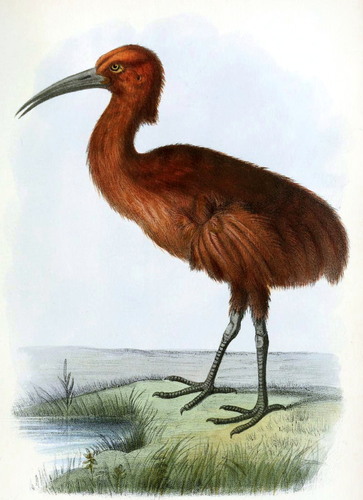
Aphanapteryx
genusAphanapteryx

Mundia
genusMundia
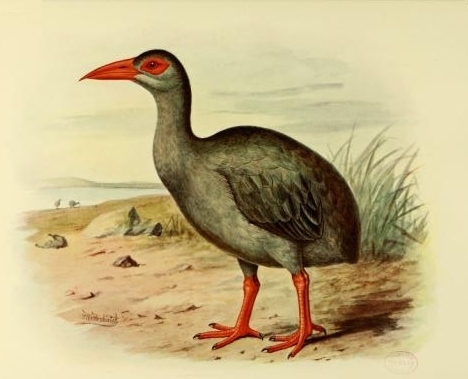
Erythromachus
genusErythromachus
Vitirallus
genusVitirallus
Aphanocrex
genusAphanocrex
Capellirallus
genusCapellirallus
Hovacrex
genusHovacrex

Cave Rails
genusNesotrochis
Where it lives
Recorded sightings
—
geo-referenced records in GBIF, from museums, herbaria and field observers.
Drag the globe to turn it. Dots are where records exist, not a range map; darker means more records.
In the stacks
Searching the stacks…
Every page naming Rallidae in the Biodiversity Heritage Library →
This page is assembled live from iNaturalist, GBIF, Wikipedia, the Source Library and the Internet Archive. It is not yet part of the hand-edited codex. iNaturalist taxon 154.