 NL·0394
Herbarium of the Nature Library
- Name
- Cuculus canorus
- Family
- Cuculidae
- Native to
- Breeds across Europe, North Africa, Turkey, the Middle East and Asia to Japan; winters in sub-Saharan Africa and South Asia
- Habitat
- Woodland, Reedbed, Moorland, Steppe
On eBird ↗
Common Cuckoo
Live sightings near you, the range map, bar charts of when it is seen, and Macaulay Library photos and recordings.
Common cuckoo
Cuculus canorus
Also calledWaqwaq (Arabic) · Kuku (Persian) · Guguk kuşu (Turkish) · Kuckuck (German) · Coucou gris (French) · Kukushka (Russian)
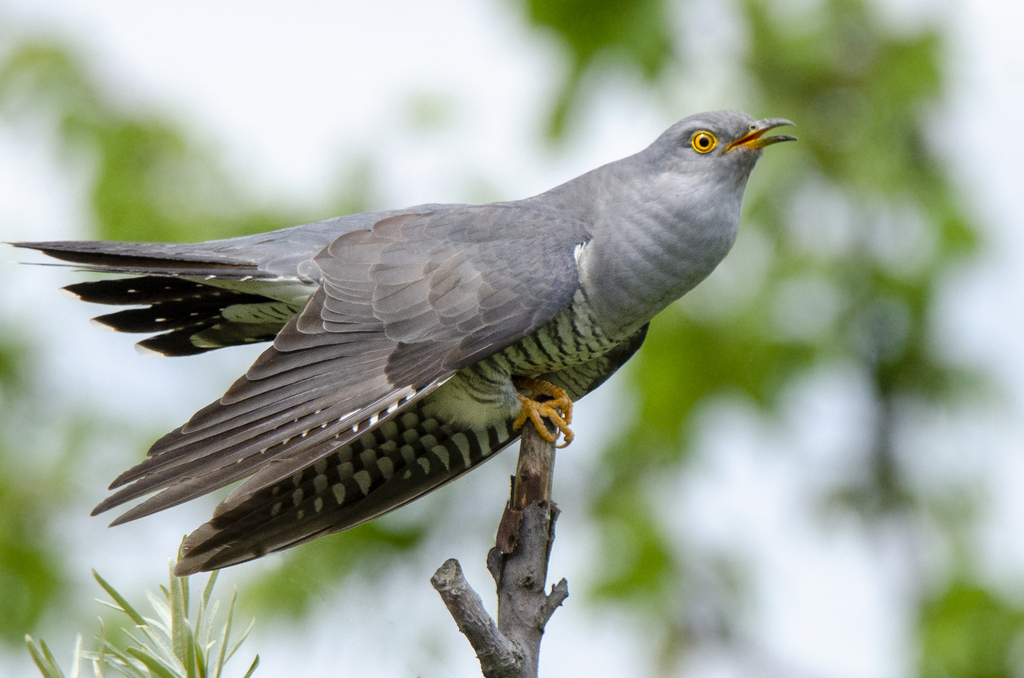
A slim, hawk-like grey bird whose two-note call announces spring across Eurasia. It never raises its own young: each female lays her eggs in the nests of a particular host species, often with eggs matched to the host's own.
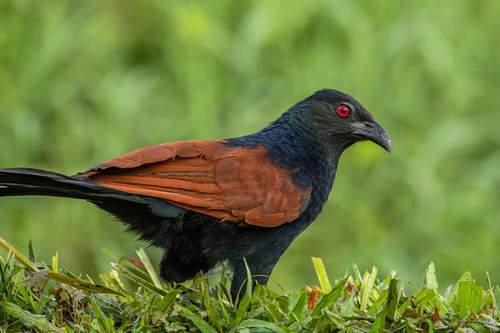
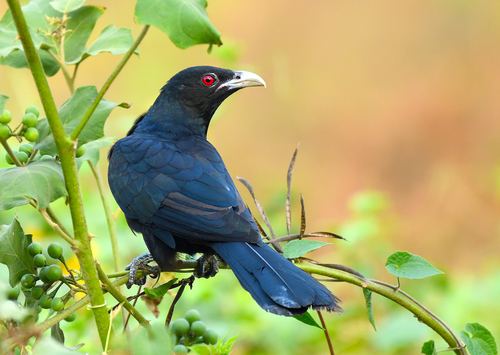
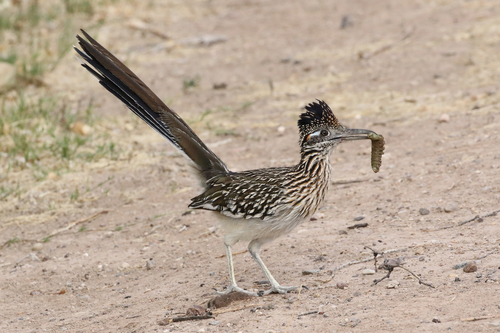
The cuckoo, common cuckoo, European cuckoo or Eurasian cuckoo is a member of the cuckoo order of birds, Cuculiformes, which includes the roadrunners, the anis and the coucals. Wikipedia
What it can do
- iFemale lineages (gentes) specialise on hosts such as reed warblers, meadow pipits or dunnocks, often laying mimetic eggs
- iiA female can lay an egg in a host nest within about 10 seconds
- iiiThe newly hatched chick heaves host eggs and chicks out of the nest on its back
- ivSatellite-tagged British cuckoos fly to the Congo rainforest and cross the Sahara on non-stop flights
In the field
Field marks
- aSlate-grey head, back and breast; barred white belly
- bLong, graduated tail with white spots; pointed wings
- cYellow eye-ring and feet
- dRare 'hepatic' females are rufous with black bars
- Voice
- Male gives the famous far-carrying 'cuck-oo', the second note lower; the female makes a bubbling, chuckling trill.
- Not to be confused with
- Eurasian sparrowhawk has broad, rounded wings and yellow eyes, and flaps and glides rather than flying with shallow, below-the-body wingbeats. Oriental cuckoo (eastern Russia) gives a hoopoe-like 'poo-poo'.
- Where to see it
- Reedbeds, heaths and moorland across Europe in May; Wicken Fen and the Norfolk Broads in England; Turkish and Central Asian river valleys.
- When
- Summer visitor Apr–Aug; adults leave as early as July
Listen
Looking for field recordings…
Life & habits
- Diet
- Large hairy caterpillars avoided by most birds, plus beetles and other insects
- Habitat
- Woodland edge, reedbeds, moorland, farmland with hedges, steppe
- Size
- 32–34 cm; wingspan 54–60 cm; 110–130 g
- Lifespan
- Typically a few years; the European ringing record is about 9.5 years
Females watch host nests from a perch and slip in to lay while the owners are away, often removing one host egg.
Where it lives
Recorded sightings
—
geo-referenced records in GBIF, from museums, herbaria and field observers.
Native range
Breeds across Europe, North Africa, Turkey, the Middle East and Asia to Japan; winters in sub-Saharan Africa and South Asia
Drag the globe to turn it. Dots are where records exist, not a range map; darker means more records.
In the old herbals & bestiaries
Woodcuts and engravings matched from the Source Library’s scanned books by name. Plates marked “relative” show a close kin rather than this exact species. Click a plate to read the page it came from, with translation.

History of Animals, Book I: On Viviparous Quadrupeds
Conrad Gessner · 1554 · p.957

Historiae Animalium Liber III: De Avium Natura
Conrad Gesner · 1555 · p.812

The Sikh Religion: Its Gurus, Sacred Writings and Authors, Vol. 1
Max Arthur Macauliffe · 1909 · p.179

François Bouchard — Recueil de cent-trente-trois oiseaux des plus belles especes (1775)
François Bouchard · 1775 · p.105
In the stacks
Searching the stacks…
Every page naming Cuculus canorus in the Biodiversity Heritage Library →
Marginalia
Edward Jenner, later famous for vaccination, published in 1788 the first account of the cuckoo chick ejecting its foster siblings, an observation long doubted until photographs confirmed it in the 20th century.
Curiosity
The medieval English round 'Sumer is icumen in' (c. 1260), one of the oldest surviving songs in English, begins with 'Lhude sing cuccu!'
Kinship



Fact-checked: 1 correction made to this sheet. Photographs: iNaturalist contributors under the licences shown. Records: GBIF.org. Historical plates: Source Library (CC BY-SA 4.0; originals public domain). Summary text: Nature Library editors and Wikipedia (CC BY-SA). Medicinal and edibility notes are historical and educational, not advice. iNaturalist taxon 1907.