
Trogons
Trogonidae
The trogons and quetzals are birds in the order Trogoniformes which contains only one family, the Trogonidae. The family Trogonidae contains 49 species in seven genera. The fossil record of the trogons dates back 49 million years to the Early Eocene. They might constitute a member of the basal radiation of the order Coraciiformes and order Passeriformes or be closely related to mousebirds and owls. The word trogon is Greek for "nibbling" and refers to the fact that these birds gnaw holes in trees to make their nests.
Trogons are residents of tropical forests worldwide. The greatest diversity is in the Neotropics, where four genera, containing 34 species, occur. The genus Apaloderma contains the three African species. The genera Harpactes and Apalharpactes, containing twelve species, are found in southeast Asia.
7 branches of this family, most-observed first · about 47 known species

New World Trogons
genusTrogon
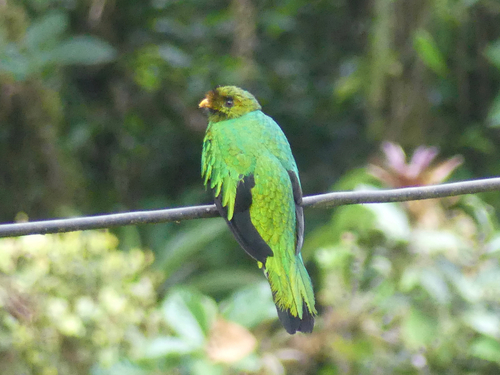
Typical Quetzals
genusPharomachrus

Asian Trogons
genusHarpactes

African Trogons
genusApaloderma

Antillean Trogons
genusPriotelus
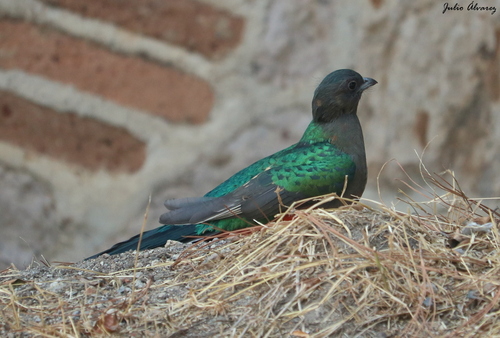
Euptilotis
genusEuptilotis
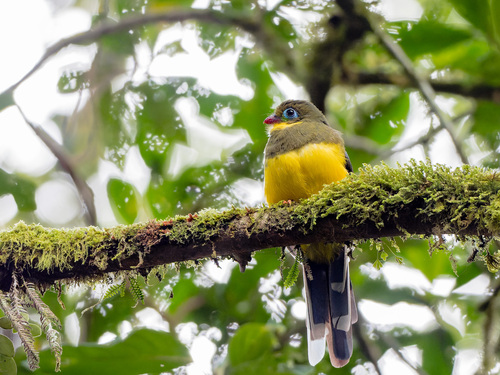
Apalharpactes
genusApalharpactes
Where it lives
Recorded sightings
—
geo-referenced records in GBIF, from museums, herbaria and field observers.
Drag the globe to turn it. Dots are where records exist, not a range map; darker means more records.
In the stacks
Searching the stacks…
Every page naming Trogonidae in the Biodiversity Heritage Library →
This page is assembled live from iNaturalist, GBIF, Wikipedia, the Source Library and the Internet Archive. It is not yet part of the hand-edited codex. iNaturalist taxon 20716.