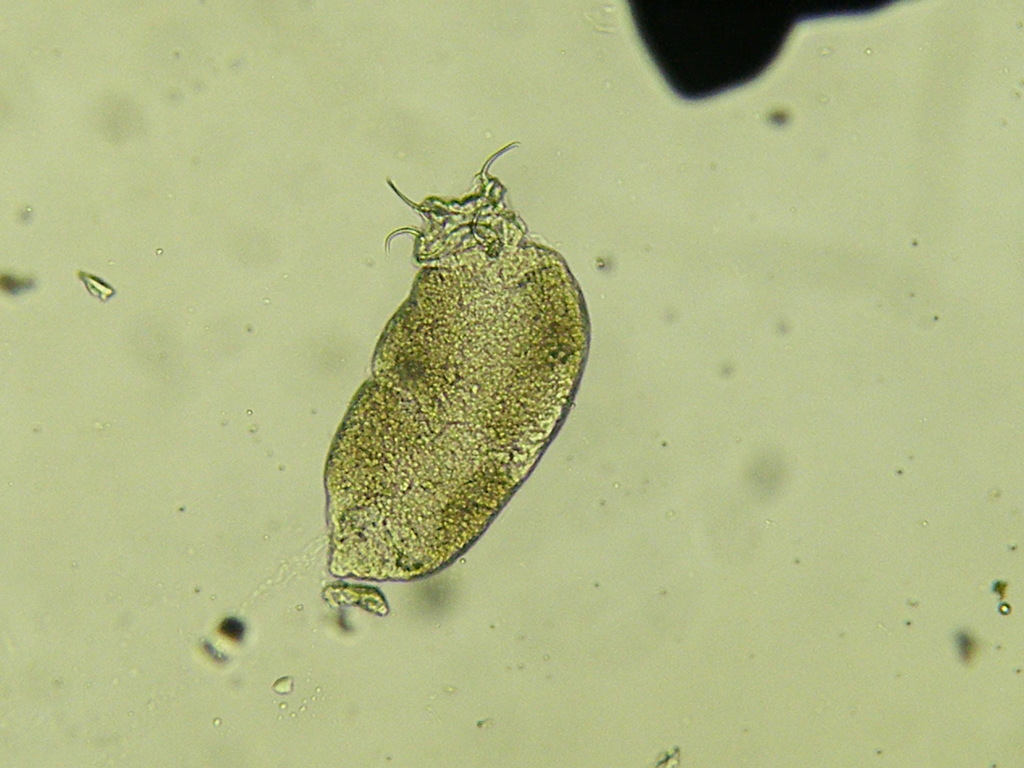
One-host Flukes
Monogenea
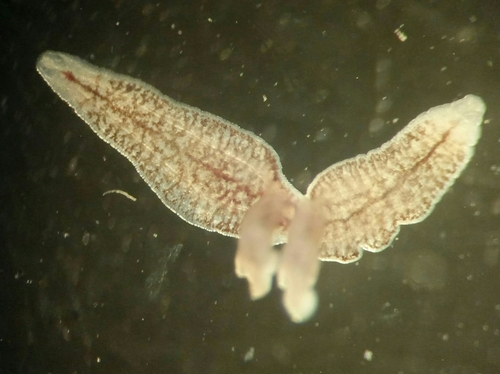
Monogeneans, members of the class Monogenea ( MON-ə-JEE-nee-ə), are a group of ectoparasitic flatworms commonly found on the skin, gills, or fins of fish. They have a direct lifecycle and do not require an intermediate host. Adults are hermaphrodites, meaning they have both male and female reproductive structures.
Some monogeneans are oviparous (egg-laying) and some are viviparous (live-bearing). Oviparous varieties release eggs into the water. Viviparous varieties release larvae, which immediately attach to another host. The genus Gyrodactylus is an example of a viviparous variety, while the genus Dactylogyrus is an example of an oviparous variety.
2 branches of this class, most-observed first
See this branch on the Wheel of Life →
Where it lives
Recorded sightings
—
geo-referenced records in GBIF, from museums, herbaria and field observers.
Drag the globe to turn it. Dots are where records exist, not a range map; darker means more records.
In the stacks
Searching the stacks…
Every page naming Monogenea in the Biodiversity Heritage Library →
This page is assembled live from iNaturalist, GBIF, Wikipedia, the Source Library and the Internet Archive. It is not yet part of the hand-edited codex. iNaturalist taxon 209067.