- Animals
- ›Flatworms
- ›Rhabditophora
- ›Neodermata
- ›Flukes
- ›Endoparasitic Flukes
- ›Diplostomida
- ›Diplostomata
- ›Schistosomatoidea
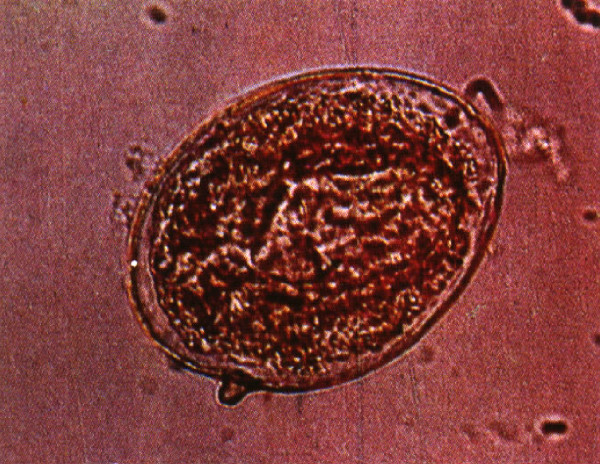
Bilharzia Flukes
Schistosomatidae
Schistosomatidae is a family of digenetic trematodes with complex parasitic life cycles. Immature developmental stages of schistosomes are found in molluscs and adults occur in vertebrates. The best studied group, the blood flukes of the genus Schistosoma, infect and cause disease in humans. Other genera which are infective to non-human vertebrates can cause mild rashes in humans.
7 branches of this family, most-observed first
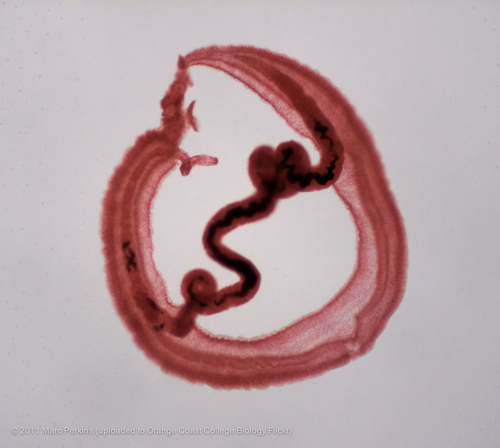
Bilharzia Flukes
genusSchistosoma
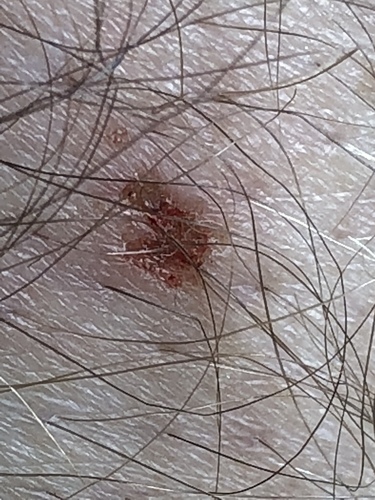
Trichobilharzia
genusTrichobilharzia
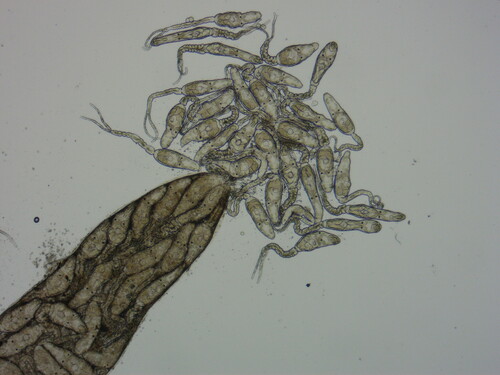
Austrobilharzia
genusAustrobilharzia
Ornithobilharzia
genusOrnithobilharzia
Gigantobilharzia
genusGigantobilharzia
Bilharziella
genusBilharziella
Heterobilharzia
genusHeterobilharzia
Where it lives
Recorded sightings
—
geo-referenced records in GBIF, from museums, herbaria and field observers.
Drag the globe to turn it. Dots are where records exist, not a range map; darker means more records.
In the stacks
Searching the stacks…
Every page naming Schistosomatidae in the Biodiversity Heritage Library →
This page is assembled live from iNaturalist, GBIF, Wikipedia, the Source Library and the Internet Archive. It is not yet part of the hand-edited codex. iNaturalist taxon 339193.