Spoonbills
Platalea
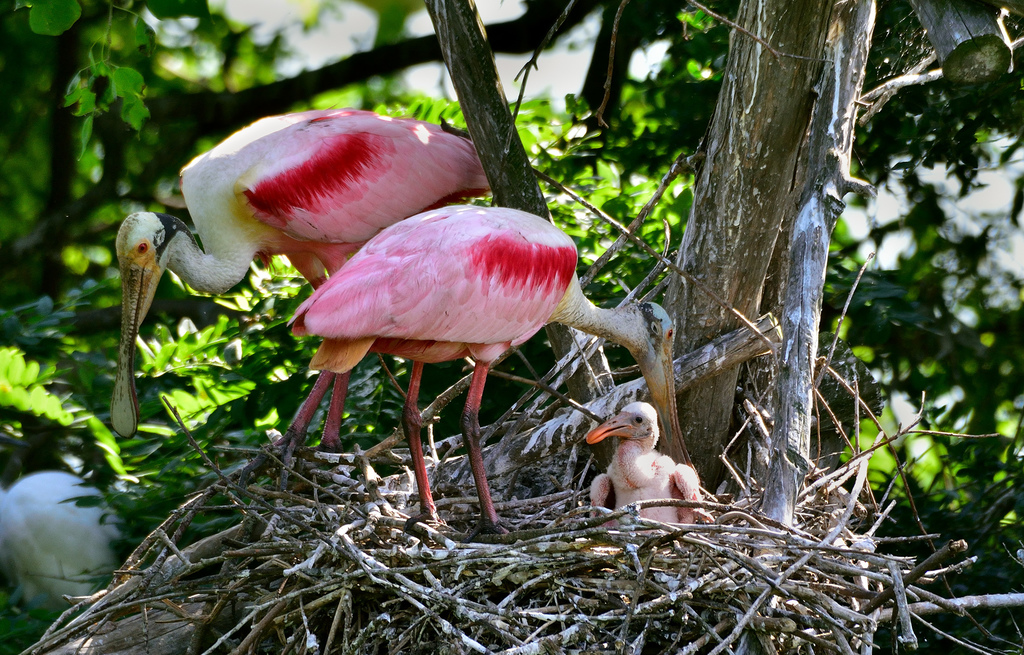
Spoonbills are a genus, Platalea, of large, long-legged wading birds. The spoonbills have a global distribution, being found on every continent except Antarctica. The genus name Platalea derives from Ancient Greek and means "broad", referring to the distinctive shape of the bill. Six species are recognised, which although usually placed in a single genus have sometimes been split into three genera.
All spoonbills have large, flat, spatulate bills and feed by wading through shallow water, sweeping the partly opened bill from side to side. The moment any small aquatic creature touches the inside of the bill—an insect, crustacean, or tiny fish—it is snapped shut. Spoonbills generally prefer fresh water to salt but are found in both environments. They need to feed many hours each day.
8 branches of this genus, most-observed first · about 6 known species
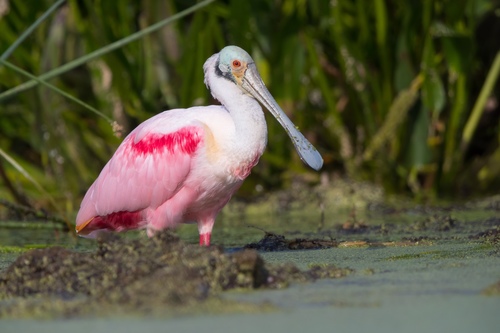
Roseate Spoonbill
speciesPlatalea ajaja
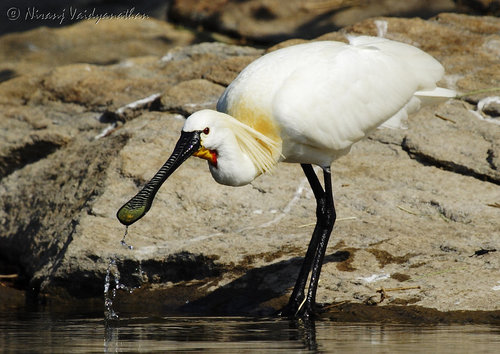
Eurasian Spoonbill
speciesPlatalea leucorodia
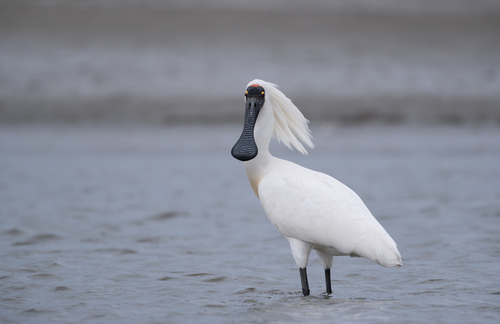
Royal Spoonbill
speciesPlatalea regia
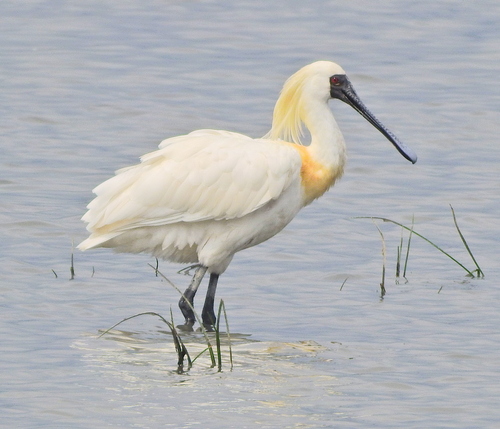
Black-faced Spoonbill
speciesPlatalea minor
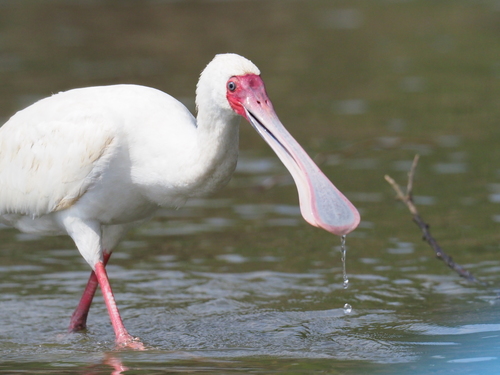
African Spoonbill
speciesPlatalea alba
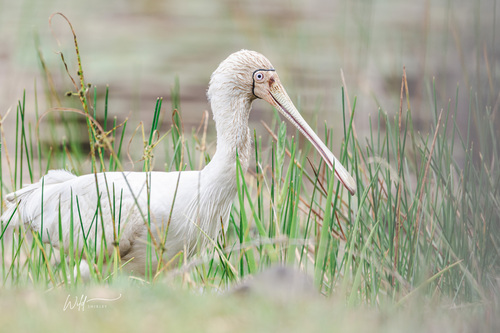
Yellow-billed Spoonbill
speciesPlatalea flavipes
Platalea leucorodia × minor
hybridPlatalea leucorodia × minor
Platalea alba × leucorodia
hybridPlatalea alba × leucorodia
Where it lives
Recorded sightings
—
geo-referenced records in GBIF, from museums, herbaria and field observers.
Drag the globe to turn it. Dots are where records exist, not a range map; darker means more records.
In the stacks
Searching the stacks…
Every page naming Platalea in the Biodiversity Heritage Library →
This page is assembled live from iNaturalist, GBIF, Wikipedia, the Source Library and the Internet Archive. It is not yet part of the hand-edited codex. iNaturalist taxon 3728.