- Animals
- ›Chordates
- ›Vertebrates
- ›Mammals
- ›Therians
- ›Marsupials
- ›Carnivorous Marsupials
- ›Dasyurids
- ›Phascogales, Antechinuses and Allies

Phascogales
Phascogale
The phascogales (members of the eponymous genus Phascogale), also known as wambengers or mousesacks, are carnivorous Australian marsupials of the family Dasyuridae. There are three species: the brush-tailed phascogale (Phascogale tapoatafa), the red-tailed phascogale (P. calura), and the northern brush-tailed phascogale (P. pirata). As with a number of dasyurid species, the males live for only one year, dying after a period of frenzied mating. The name wambenger comes from the Nyungar language. The term Phascogale was coined in 1824 by Coenraad Jacob Temminck in reference to the brush-tailed phascogale, and means "pouched weasel". All three species are listed as either Near Threatened or Vulnerable by the IUCN.
3 branches of this genus, most-observed first · about 3 known species

Brush-tailed Phascogale
speciesPhascogale tapoatafa
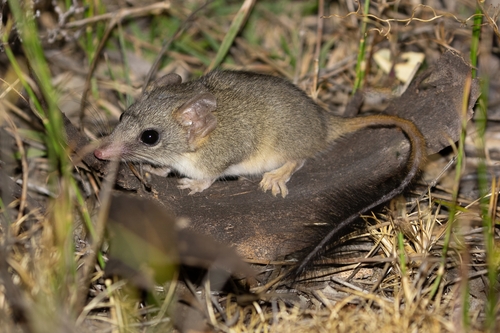
Red-tailed Phascogale
speciesPhascogale calurus

Northern Phascogale
speciesPhascogale pirata
Where it lives
Recorded sightings
—
geo-referenced records in GBIF, from museums, herbaria and field observers.
Drag the globe to turn it. Dots are where records exist, not a range map; darker means more records.
In the stacks
Searching the stacks…
Every page naming Phascogale in the Biodiversity Heritage Library →
This page is assembled live from iNaturalist, GBIF, Wikipedia, the Source Library and the Internet Archive. It is not yet part of the hand-edited codex. iNaturalist taxon 40178.