- Animals
- ›Chordates
- ›Vertebrates
- ›Mammals
- ›Therians
- ›Placental Mammals
- ›Ungulates, Carnivorans, and Allies
- ›Even-toed Ungulates and Cetaceans
- ›Cetaceans and Hippopotamuses
- ›Hippopotamuses
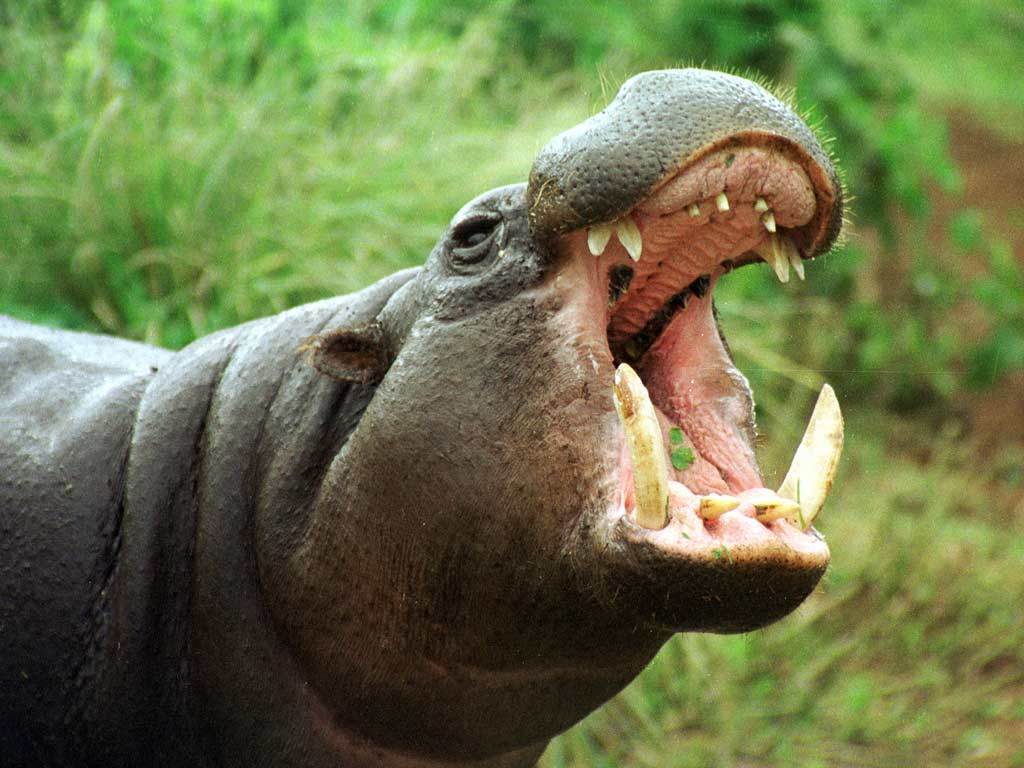
Hippopotamuses
Hippopotamidae
Hippopotamidae is a family of stout, naked-skinned, and semiaquatic artiodactyl mammals, possessing three-chambered stomachs and walking on four toes on each foot. While they resemble pigs physiologically, their closest living relatives are the cetaceans. They are formally referred to as hippopotamids.
There are two living species of hippopotamid in two genera; the pygmy hippo, Choeropsis liberiensis of the forests of west Africa, and the common hippo, Hippopotamus amphibius. The term hippopotamus can also be applied to hippopotamids in general, although it is most frequently used for the common hippo and its respective genus.
2 branches of this family, most-observed first · about 2 known species
See this branch on the Wheel of Life →

Where it lives
Recorded sightings
—
geo-referenced records in GBIF, from museums, herbaria and field observers.
Drag the globe to turn it. Dots are where records exist, not a range map; darker means more records.
In the stacks
Searching the stacks…
Every page naming Hippopotamidae in the Biodiversity Heritage Library →
This page is assembled live from iNaturalist, GBIF, Wikipedia, the Source Library and the Internet Archive. It is not yet part of the hand-edited codex. iNaturalist taxon 42146.