- Animals
- ›Chordates
- ›Vertebrates
- ›Mammals
- ›Therians
- ›Placental Mammals
- ›Primates, Rodents, and Allies
- ›Primates
- ›Monkeys, Apes, and Tarsiers
- ›Monkeys and Apes
- ›Apes and Old World Monkeys
- ›Apes
- ›Great Apes
- ›African Hominids
- ›Homo

Human
Homo sapiens
Homo sapiens is the systematic name used in taxonomy (also known as binomial nomenclature) for anatomically modern humans, i.e. the only extant human species. The name is Latin for "wise man" and was introduced in 1758 by Carl Linnaeus (who is himself also the type specimen).
Listen
Looking for field recordings…
Where it lives
Recorded sightings
—
geo-referenced records in GBIF, from museums, herbaria and field observers.
Drag the globe to turn it. Dots are where records exist, not a range map; darker means more records.
In the old herbals & bestiaries

Livre des merveilles du monde (Book of the Marvels of the World)
Anonymous compiler (excerpts from Pliny, Solinus, Gervase of Tilbury) · 1460 · p.8

Ortus sanitatis
1491 · p.254

The Tudor Pattern Book (Herbal-Bestiary)
Anonymous · 1525 · p.72

The Tudor Pattern Book (Herbal-Bestiary)
Anonymous · 1525 · p.67

Florentine Codex, Vol. 3 (Books 10-12)
Bernardino de Sahagún · 1577 · p.467

Raphael Explaining the Art of Medicine
Hafenreffer, Samuel · 1629 · p.14
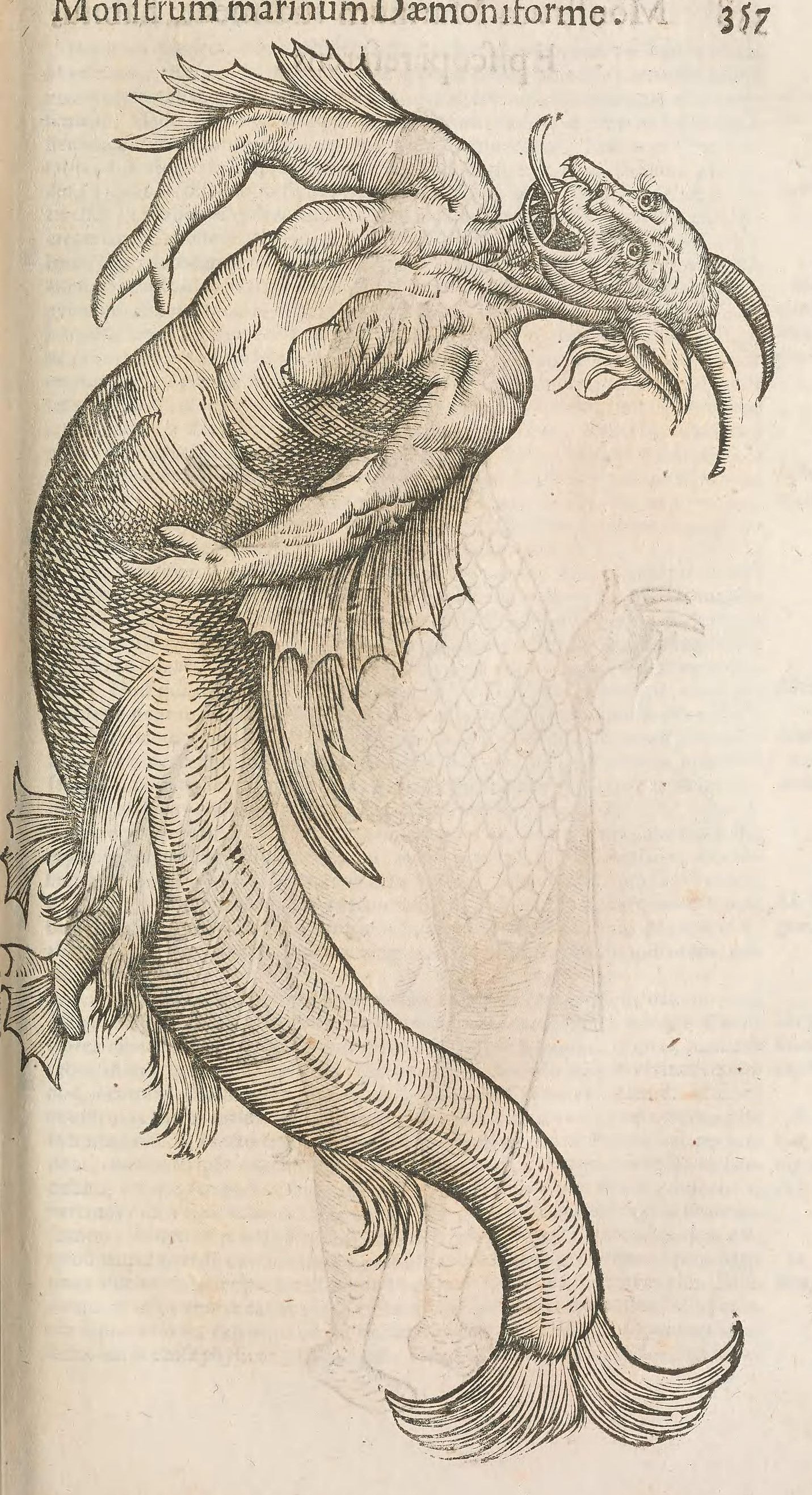
History of Monsters
Ulisse Aldrovandi · 1642 · p.371

Oedipus Aegyptiacus Tomus II
Athanasius Kircher · 1653 · p.357

Kircher: China Illustrata (1667)
Athanasius Kircher · 1667 · p.257

The Great Art of Light and Shadow
Athanasius Kircher · 1671 · p.432

Theater of Earthly Creatures
Anonymous · 1672 · p.14

Noah's Ark
Athanasius Kircher · 1675 · p.169
In the stacks
Searching the stacks…
Every page naming Homo sapiens in the Biodiversity Heritage Library →
This page is assembled live from iNaturalist, GBIF, Wikipedia, the Source Library and the Internet Archive. It is not yet part of the hand-edited codex. iNaturalist taxon 43584.