 NL·0555
Herbarium of the Nature Library
- Name
- Neoceratodus forsteri
- Family
- Neoceratodontidae
- Native to
- South-eastern Queensland, Australia: Burnett and Mary rivers (native); translocated to the Brisbane, Albert, Pine and Coomera rivers
- Habitat
- Slow rivers, Deep pools, Reservoirs
Australian lungfish
Neoceratodus forsteri
Also calledQueensland lungfish · Burnett salmon · Ceratodus
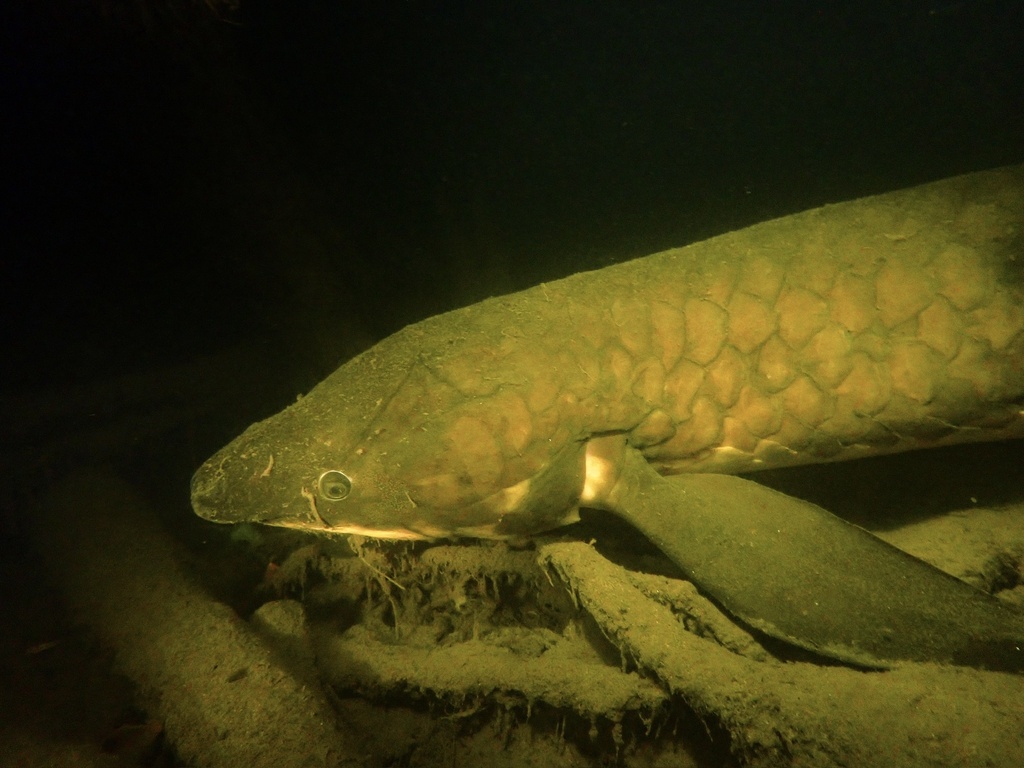
A living link to the fish that first crawled onto land, almost unchanged from fossils about 100 million years old. Unlike other lungfishes it breathes mostly with gills, using its single lung in low-oxygen water.
The Australian lungfish, also known as the Queensland lungfish, Burnett salmon and barramunda, is the only surviving member of the family Neoceratodontidae, and endemic to Australia. It is one of only six extant lungfish species in the world. Wikipedia
What it can do
- iBreathes with gills and a single lung, gulping air when water is warm or oxygen-poor
- iiHas one of the largest animal genomes ever sequenced, at about 43 billion base pairs
- iiiLives for many decades; one in captivity lived over 90 years
- ivDetects prey with electroreceptors on the snout
In the field
Field marks
- aHeavy, elongate body covered in very large, overlapping scales
- bPaddle-shaped, fleshy pectoral and pelvic fins on stalk-like bases
- cContinuous fin around the rear body forming a pointed tail
- dOlive-brown to grey above, often with dark spots; pale belly
- Not to be confused with
- Introduced and native catfishes have barbels and no large scales. African and South American lungfishes look different and do not occur in Australia: they are eel-like, with threadlike fins and small scales.
- Where to see it
- Mary River and Burnett River (Queensland); Wivenhoe and Somerset dams; Queensland Museum and public aquaria
- When
- Resident; spawns August–December
Life & habits
- Diet
- Omnivore: snails, worms, shrimps, frogs, small fish and plants
- Habitat
- Slow-flowing, deep pools of rivers with aquatic plants and soft beds
- Size
- Up to about 1.5 m and 40 kg
- Lifespan
- Probably 80–100 years
Moves slowly along the bottom using its flipper-like fins. It lays eggs singly among water plants in spring, and the eggs rely on the plant beds that dams and weirs destroy.
Where it lives
Recorded sightings
—
geo-referenced records in GBIF, from museums, herbaria and field observers.
Native range
South-eastern Queensland, Australia: Burnett and Mary rivers (native); translocated to the Brisbane, Albert, Pine and Coomera rivers
Drag the globe to turn it. Dots are where records exist, not a range map; darker means more records.
In the stacks
Searching the stacks…
Every page naming Neoceratodus forsteri in the Biodiversity Heritage Library →
Marginalia
Gerard Krefft described it in 1870 from a fish sent to him by William Forster, a Queensland squatter. The Mary River Traveston Crossing Dam was cancelled in 2009 under Australian environmental law, partly because of its threat to lungfish.
Curiosity
'Granddad', an Australian lungfish at Chicago's Shedd Aquarium from 1933 to 2017, was the oldest aquarium fish on record when he died.
Kinship



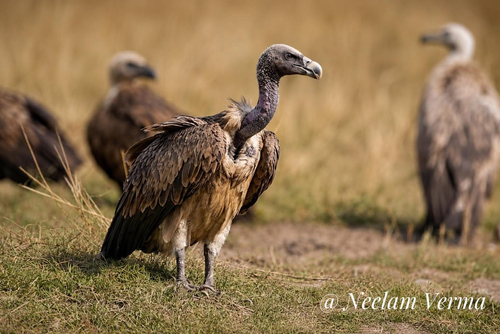

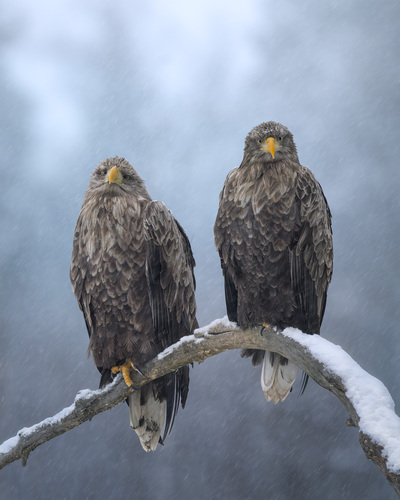
Photographs: iNaturalist contributors under the licences shown. Records: GBIF.org. Historical plates: Source Library (CC BY-SA 4.0; originals public domain). Summary text: Nature Library editors and Wikipedia (CC BY-SA). Medicinal and edibility notes are historical and educational, not advice. iNaturalist taxon 460249.