
Molluscs
Mollusca
Mollusca is a phylum of protostomic invertebrate animals, whose members are known as molluscs or mollusks (). 86,600 extant species of molluscs are recognized, making it the second-largest animal phylum after Arthropoda. The number of additional fossil species is estimated between 60,000 and 100,000, and the proportion of undescribed extant species is very high. Many taxa remain poorly studied.
Molluscs are the largest marine phylum, comprising about 23% of all the named marine organisms. They are highly diverse, not just in size and anatomical structure, but also in behavior and habitat, as numerous groups are freshwater and even terrestrial species. The phylum is typically divided into 7 or 8 taxonomic classes, of which two are entirely extinct. Cephalopod molluscs, such as squid, cuttlefish, and octopuses, are among the most neurologically advanced of all invertebrates—and either the giant squid or the colossal squid is the largest known extant invertebrate species. The gastropods (snails, slugs and abalone) are by far the most diverse class and account for 80% of the total classified molluscan species.
9 branches of this phylum, most-observed first
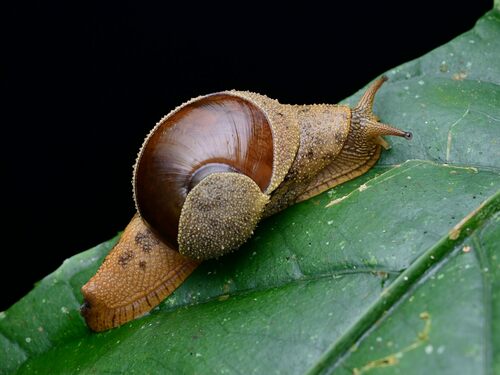
Gastropods
classGastropoda

Bivalves
classBivalvia

Chitons
classPolyplacophora

Cephalopods
classCephalopoda

Tusk Shells
classScaphopoda

Solenogasters
classSolenogastres

Caudofoveates
classCaudofoveata
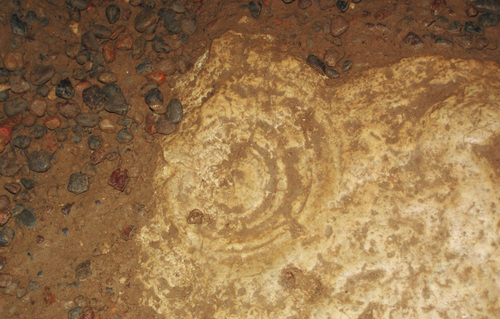
Macluritoidea
superfamilyMacluritoidea

Monoplacophorans
classMonoplacophora
Where it lives
Recorded sightings
—
geo-referenced records in GBIF, from museums, herbaria and field observers.
Drag the globe to turn it. Dots are where records exist, not a range map; darker means more records.
In the stacks
Searching the stacks…
Every page naming Mollusca in the Biodiversity Heritage Library →
This page is assembled live from iNaturalist, GBIF, Wikipedia, the Source Library and the Internet Archive. It is not yet part of the hand-edited codex. iNaturalist taxon 47115.