Viviparous Brotulas
Bythitidae
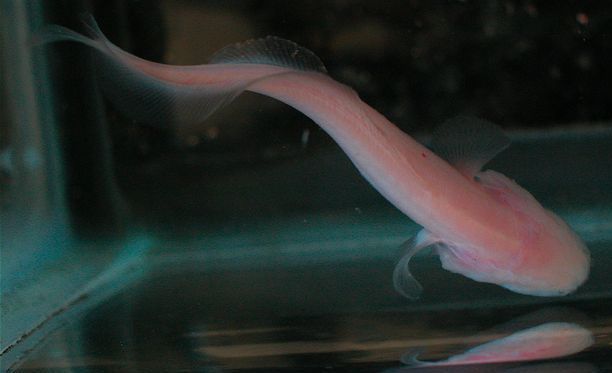
The viviparous brotulas form a family, the Bythitidae, of ophidiiform fishes. They are known as viviparous brotulas as they generally bear live young, although there are indications that some species (at least Didymothallus criniceps) do not. They are generally infrequently seen, somewhat tadpole-like in overall shape and mostly about 5–10 cm (2–4 in) in length, but some species grow far larger and may surpass 60 cm (2 ft).
Although many live near the coast in tropical or subtropical oceans, there are also species in deep water and cold oceans, for example Bythites. Thermichthys hollisi, which lives at depths of around 2,500 m (8,200 ft), is associated with thermal vents. A few are fresh or brackish water cavefish: the Mexican blind brotula (Typhliasina pearsei), Galapagos cuskeel (Ogilbia galapagosensis), Diancistrus typhlops and some Lucifuga species.
36 branches of this family, most-observed first · about 130 known species
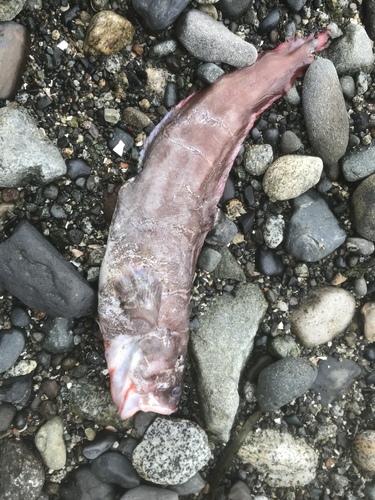
Brosmophycis
genusBrosmophycis

Grammonus
genusGrammonus

Stygnobrotula
genusStygnobrotula
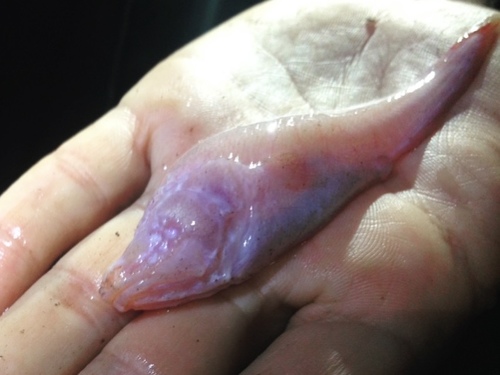
Lucifuga
genusLucifuga
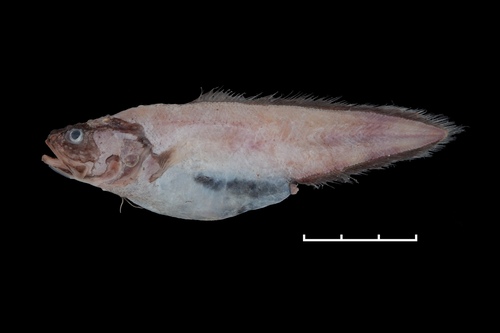
Cataetyx
genusCataetyx

Brosmodorsalis
genusBrosmodorsalis

Brosmophyciops
genusBrosmophyciops

Barathronus
genusBarathronus
Nybelinella
genusNybelinella
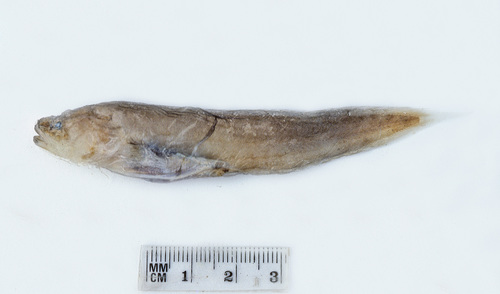
Saccogaster
genusSaccogaster
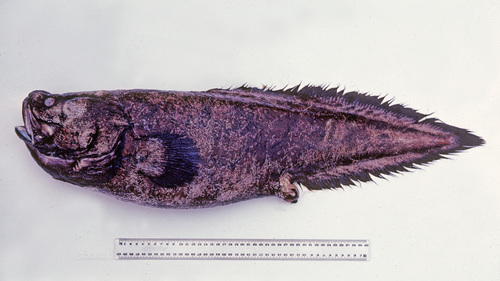
Megacataetyx
genusMegacataetyx
Anacanthobythites
genusAnacanthobythites
Acarobythites
genusAcarobythites

Aphyonus
genusAphyonus
Bythites
genusBythites
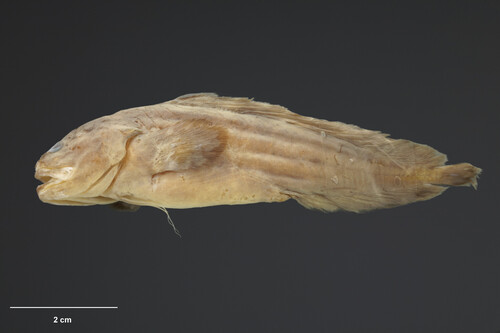
Bidenichthys
genusBidenichthys
Bellottia
genusBellottia
Calamopteryx
genusCalamopteryx
Diplacanthopoma
genusDiplacanthopoma
Hastatobythites
genusHastatobythites

Hephthocara
genusHephthocara
Microbrotula
genusMicrobrotula
Meteoria
genusMeteoria
Leucobrotula
genusLeucobrotula
Parasciadonus
genusParasciadonus
Parabrotula
genusParabrotula

Petrotyx
genusPetrotyx
Tuamotuichthys
genusTuamotuichthys

Thermichthys
genusThermichthys
Melodichthys
genusMelodichthys
Sciadonus
genusSciadonus
Pseudonus
genusPseudonus
Ematops
genusEmatops
Timorichthys
genusTimorichthys
Paraphyonus
genusParaphyonus
Parasaccogaster
genusParasaccogaster
Where it lives
Recorded sightings
—
geo-referenced records in GBIF, from museums, herbaria and field observers.
Drag the globe to turn it. Dots are where records exist, not a range map; darker means more records.
In the stacks
Searching the stacks…
Every page naming Bythitidae in the Biodiversity Heritage Library →
This page is assembled live from iNaturalist, GBIF, Wikipedia, the Source Library and the Internet Archive. It is not yet part of the hand-edited codex. iNaturalist taxon 47390.