- Animals
- ›Flatworms
- ›Rhabditophora
- ›Neodermata
- ›tapeworms
- ›Eucestoda
- ›Cyclophyllidea
- ›Dipylidiidae
- ›Dipylidium
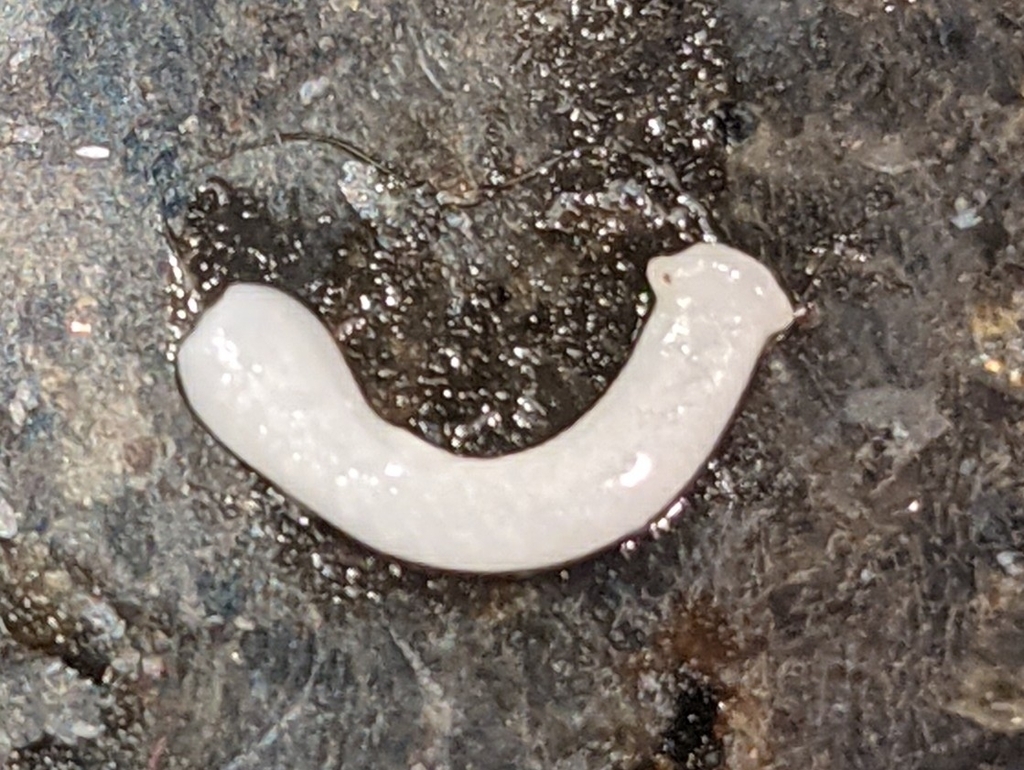
Flea tapeworm
Dipylidium caninum
Dipylidium caninum, also called the flea tapeworm, double-pore tapeworm, or cucumber tapeworm (in reference to the shape of its cucumber-seed-like proglottids, though these also resemble grains of rice or sesame seeds), is a cyclophyllid cestode that infects organisms afflicted with fleas and canine chewing lice, including dogs, cats, and sometimes human pet-owners, especially children.
Where it lives
Recorded sightings
—
geo-referenced records in GBIF, from museums, herbaria and field observers.
Drag the globe to turn it. Dots are where records exist, not a range map; darker means more records.
In the stacks
Searching the stacks…
Every page naming Dipylidium caninum in the Biodiversity Heritage Library →
This page is assembled live from iNaturalist, GBIF, Wikipedia, the Source Library and the Internet Archive. It is not yet part of the hand-edited codex. iNaturalist taxon 513998.