- Animals
- ›Chordates
- ›Vertebrates
- ›Birds
- ›Swifts and Hummingbirds
- ›Hummingbirds
- ›Brilliants, Coquettes, and Allies
- ›Brilliants and Allies
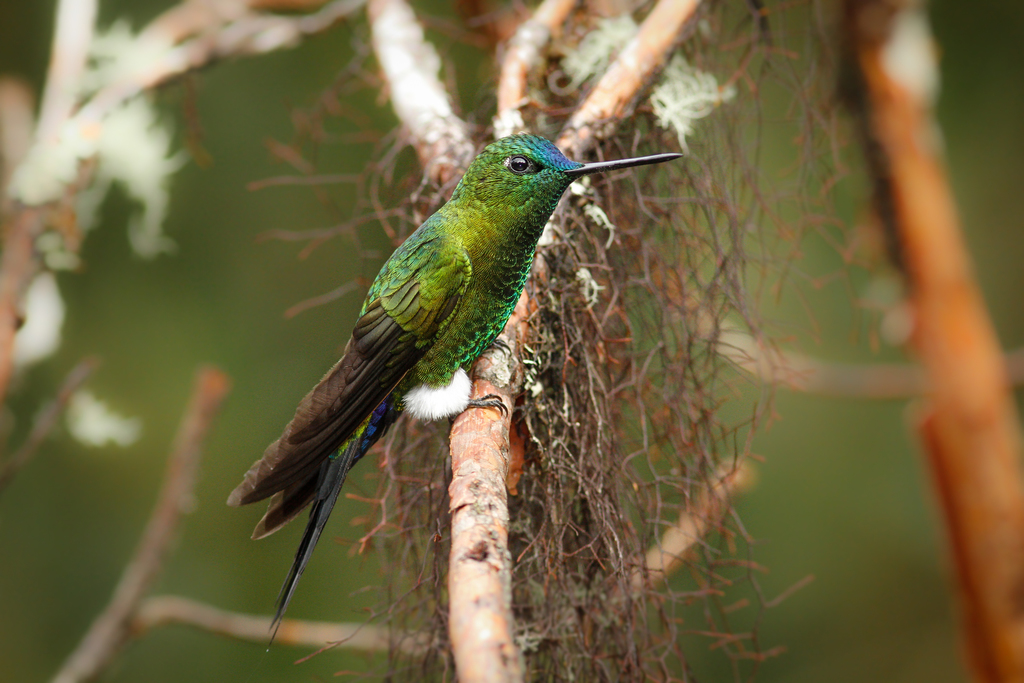
Typical Pufflegs
Eriocnemis
Eriocnemis is a genus of hummingbirds, which - together with the species in the genus Haplophaedia - are known as pufflegs. They occur in humid forest, woodland and shrub at elevations of 1000 to 4800 meters above sea level in the Andes of Argentina, Bolivia, Peru, Ecuador, Colombia, and Venezuela. The males have a colourful green, coppery or blue plumage, and the females are generally somewhat duller. The most striking feature of both sexes in the genus Eriocnemis are their dense snow-white leg-puffs which consist of feather tufts that resemble woolly panties. One species, the black-thighed puffleg - is characterized by black coloured leg-puffs. Most have a contrasting blue, purple or coppery-red vent, but this is green in the black-thighed and emerald-bellied puffleg. Further common features of all species are the straight black bill and the slightly to deeply forked tail. The genus name was coined by the German naturalist Ludwig Reichenbach who called them Snowy panties.
While most members of this genus remain fairly common, three species (colorful puffleg, black-breasted puffleg and gorgeted puffleg) are critically endangered and one (the turquoise-throated puffleg) is possibly extinct.
11 branches of this genus, most-observed first · about 11 known species
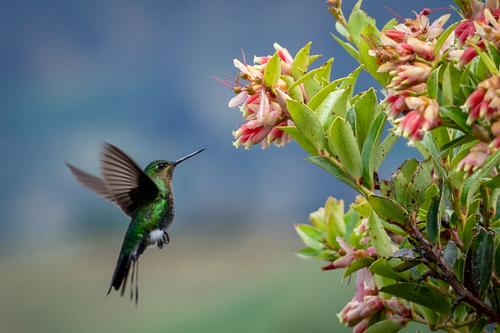
Glowing Puffleg
speciesEriocnemis vestita
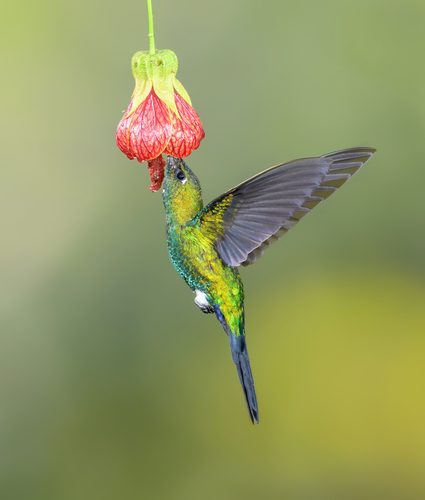
Sapphire-vented Puffleg
speciesEriocnemis luciani
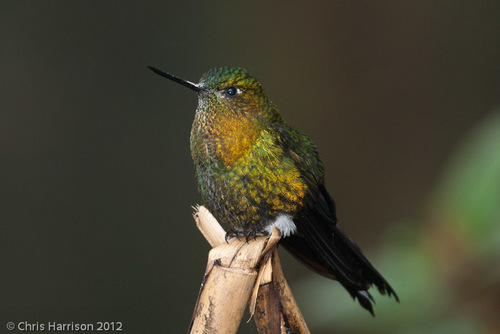
Golden-breasted Puffleg
speciesEriocnemis mosquera
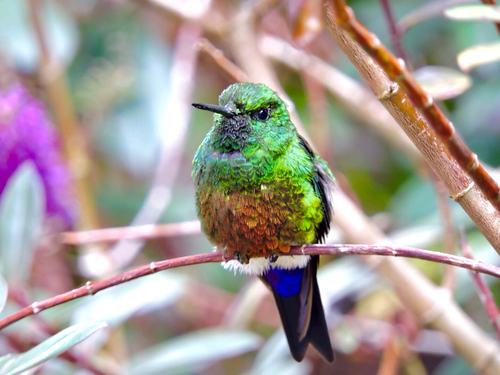
Coppery-bellied Puffleg
speciesEriocnemis cupreoventris
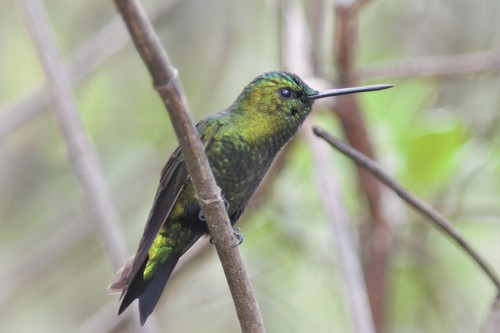
Black-thighed Puffleg
speciesEriocnemis derbyi

Emerald-bellied Puffleg
speciesEriocnemis aline

Blue-capped Puffleg
speciesEriocnemis glaucopoides
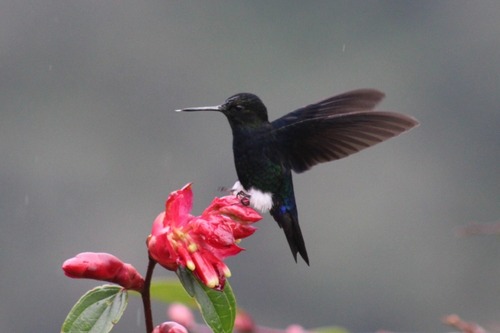
Black-breasted Puffleg
speciesEriocnemis nigrivestis

Colorful Puffleg
speciesEriocnemis mirabilis
Gorgeted Puffleg
speciesEriocnemis isabellae

Turquoise-throated Puffleg
speciesEriocnemis godini
Where it lives
Recorded sightings
—
geo-referenced records in GBIF, from museums, herbaria and field observers.
Drag the globe to turn it. Dots are where records exist, not a range map; darker means more records.
In the stacks
Searching the stacks…
Every page naming Eriocnemis in the Biodiversity Heritage Library →
This page is assembled live from iNaturalist, GBIF, Wikipedia, the Source Library and the Internet Archive. It is not yet part of the hand-edited codex. iNaturalist taxon 6268.