
Cods and Hakes
Gadiformes
Gadiformes , also called the Anacanthini, are an order of ray-finned fish that include the cod, hakes, pollock, haddock, burbot, rocklings and moras, many of which are food fish of major commercial value. They are mostly marine fish found throughout the world and the vast majority are found in temperate or colder regions (tropical species are typically deep-water) while a few species may enter brackish estuaries. Pacific tomcods, one of the two species that makes up the genus Microgadus, are able to enter freshwater, but there is no evidence that they breed there. Some populations of landlocked Atlantic tomcod on the other hand, complete their entire life cycle in freshwater. Yet only one species, the burbot (Lota lota), is a true freshwater fish.
Common characteristics include the positioning of the pelvic fins (if present), below or in front of the pectoral fins. Gadiformes are physoclists, which means their swim bladders do not have a pneumatic duct. The fins are spineless. Gadiform fish range in size from the codlets, which may be as small as 7 cm (2.8 in) in adult length, to the Atlantic cod, Gadus morhua, which reaches up to 2 m (6.6 ft).
6 branches of this order, most-observed first · about 627 known species

Gadoidei
suborderGadoidei
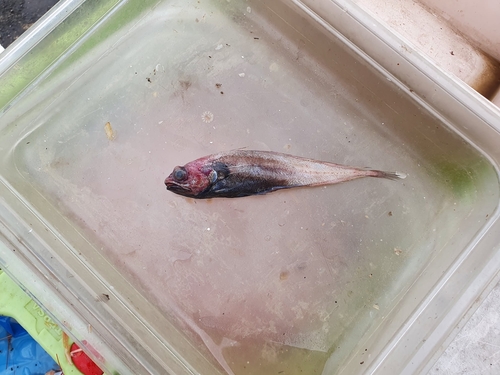
Macrouroidei
suborderMacrouroidei

Merlucciid Hakes
suborderMerluccioidei

Tadpole Fishes
suborderRanicipitoidei
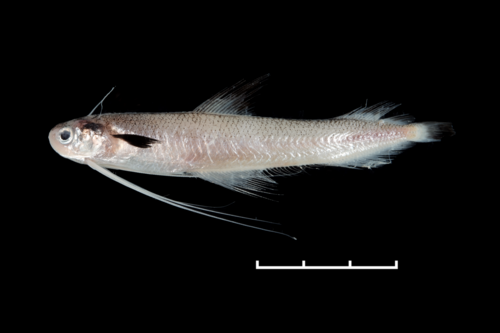
Codlets
suborderBregmacerotoidei

Tube-Eyes
suborderStylephoroidei
Where it lives
Recorded sightings
—
geo-referenced records in GBIF, from museums, herbaria and field observers.
Drag the globe to turn it. Dots are where records exist, not a range map; darker means more records.
In the stacks
Searching the stacks…
Every page naming Gadiformes in the Biodiversity Heritage Library →
This page is assembled live from iNaturalist, GBIF, Wikipedia, the Source Library and the Internet Archive. It is not yet part of the hand-edited codex. iNaturalist taxon 63741.