- Animals
- ›Chordates
- ›Vertebrates
- ›Mammals
- ›Therians
- ›Placental Mammals
- ›Primates, Rodents, and Allies
- ›Rodents
- ›Mice, Rats, and Hamsters
- ›Muroids
- ›Old World Mice and Rats
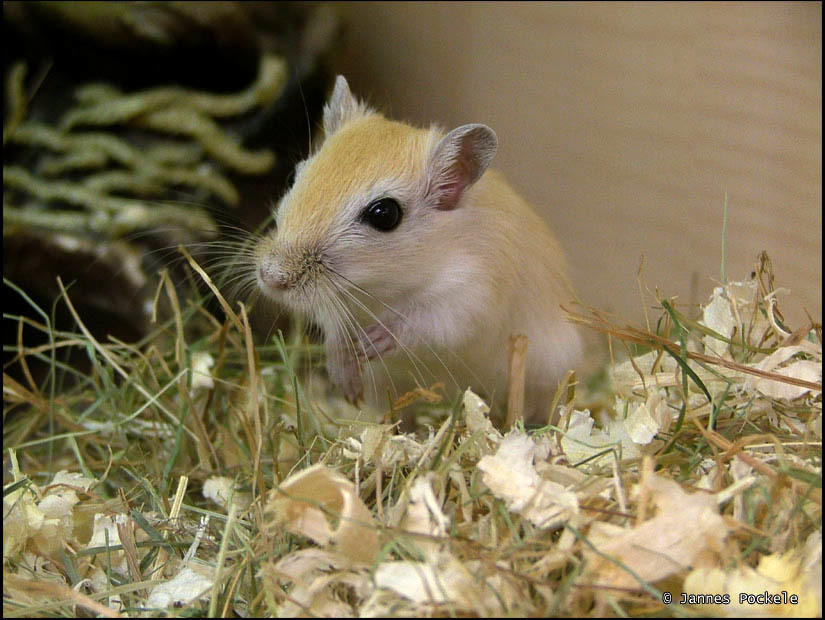
Gerbils
Gerbillinae
Gerbillinae is one of the subfamilies of the rodent family Muridae and includes the gerbils, jirds, and sand rats. Once known as desert rats, the subfamily includes about 110 species of African, Indian, and Asian rodents, including sand rats and jirds, all of which are adapted to arid habitats. Most are primarily active during the day, making them diurnal (but some species, including the common household pet, exhibit crepuscular behavior), and almost all are omnivorous.
The gerbil got its name as a diminutive form of "jerboa", an unrelated group of rodents occupying a similar ecological niche. Gerbils are typically between 150 and 300 mm (6 and 12 in) long, including the tail, which makes up about half of their total length. One species, the great gerbil (Rhombomys opimus), originally native to Turkmenistan, can grow to more than 400 mm (16 in). The average adult gerbil weighs about 70 grams (2+1⁄2 ounces).
4 branches of this subfamily, most-observed first · about 102 known species

Gerbillini
tribeGerbillini

Taterini
tribeTaterini

Desmodilliscini
tribeDesmodilliscini
Ammodillini
tribeAmmodillini
Where it lives
Recorded sightings
—
geo-referenced records in GBIF, from museums, herbaria and field observers.
Drag the globe to turn it. Dots are where records exist, not a range map; darker means more records.
In the stacks
Searching the stacks…
Every page naming Gerbillinae in the Biodiversity Heritage Library →
This page is assembled live from iNaturalist, GBIF, Wikipedia, the Source Library and the Internet Archive. It is not yet part of the hand-edited codex. iNaturalist taxon 735168.