- Animals
- ›Chordates
- ›Vertebrates
- ›Mammals
- ›Therians
- ›Placental Mammals
- ›Ungulates, Carnivorans, and Allies
- ›Carnivorans
- ›Bears
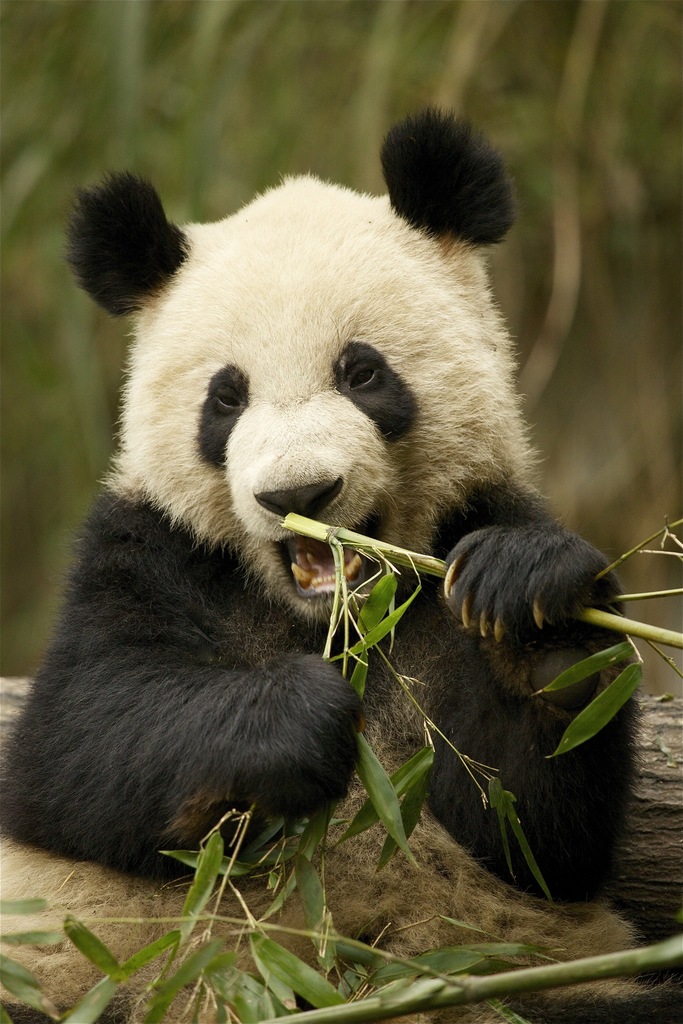
Giant Pandas
Ailuropodinae
Ailuropodinae is a subfamily of Ursidae that contains only one extant species, the giant panda (Ailuropoda melanoleuca) of China. The fossil record of this group has shown that various species of pandas were more widespread across the Holarctic, with species found in places such as Europe, much of Asia, North America and even Africa. The earliest pandas were not unlike other modern bear species in that they had an omnivorous diet but by around 2.4 million years ago, pandas had evolved to be more herbivorous.
The giant panda (Ailuropoda) belongs to the order of Carnivora, meaning that the macronutrients it digests are more similar to those found in carnivores' diets than those found in herbivores' diets, even though pandas eat mainly bamboo.
1 branches of this subfamily, most-observed first · about 1 known species
See this branch on the Wheel of Life →
Where it lives
Recorded sightings
—
geo-referenced records in GBIF, from museums, herbaria and field observers.
Drag the globe to turn it. Dots are where records exist, not a range map; darker means more records.
In the stacks
Searching the stacks…
Every page naming Ailuropodinae in the Biodiversity Heritage Library →
This page is assembled live from iNaturalist, GBIF, Wikipedia, the Source Library and the Internet Archive. It is not yet part of the hand-edited codex. iNaturalist taxon 846183.