- Animals
- ›Chordates
- ›Vertebrates
- ›Ray-finned Fishes
- ›Carps, Characins, Catfishes and Allies
- ›Milkfishes
- ›Beaked Salmons
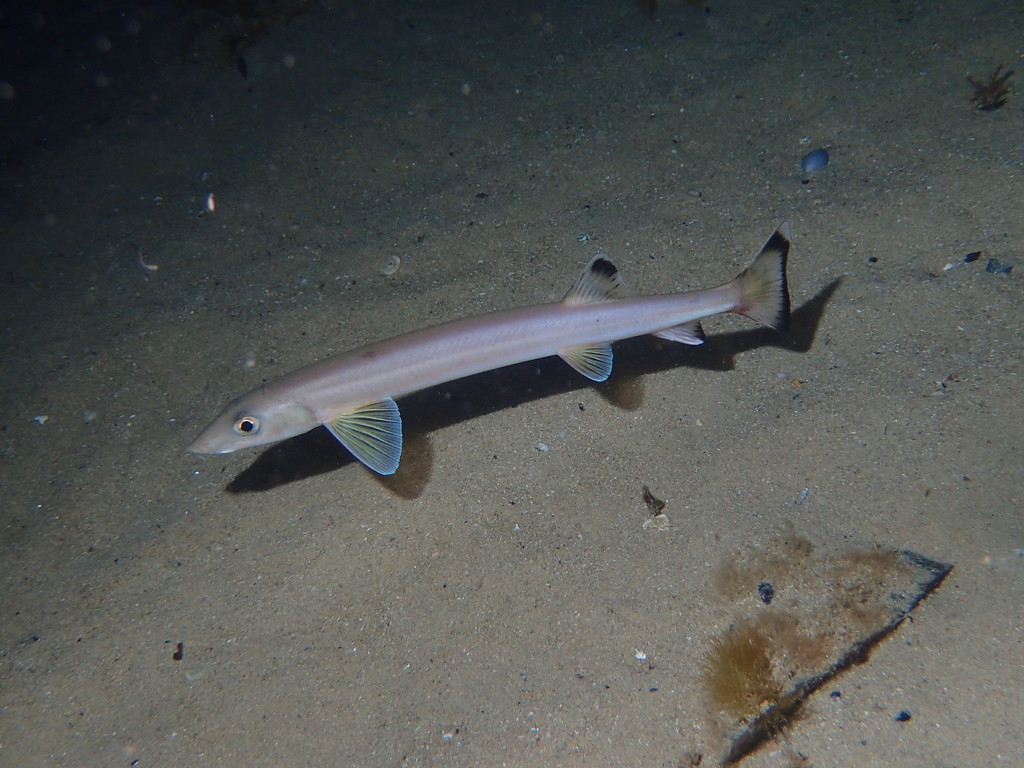
Beaked Salmons
Gonorynchus
Gonorynchus is a genus of long thin gonorynchiform ray-finned fish, commonly called beaked salmon or beaked sandfish. They live on sandy bottoms near shorelines of the temperate & subtropical Southern Hemisphere and East Asia. There are five known extant species which are placed in this genus. The genus name comes from Ancient Greek γωνία (gōnía), meaning "angle", and ῥύγχος (rhúnkhos), meaning "snout", referring to the distinctive angular snout that the fish use to dig themselves into the sand. A swim bladder is absent.
They are the last surviving members of the ancient family Gonorynchidae, which was much more diverse in the past. Unlike other gonorynchids, there have been no known fossil remains of Gonorynchus identified, although they are assumed to have diverged from their closest relative (the extinct Notogoneus) during the Albian stage of the Early Cretaceous.
5 branches of this genus, most-observed first · about 5 known species
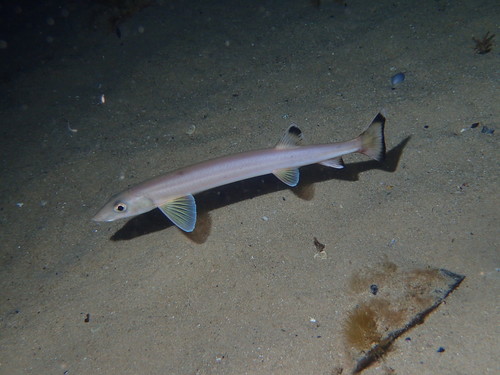
Beaked Salmon
speciesGonorynchus greyi

Forster's Sandfish
speciesGonorynchus forsteri

Beaked Sandfish
speciesGonorynchus gonorynchus

Gonorynchus abbreviatus
speciesGonorynchus abbreviatus
Gonorynchus moseleyi
speciesGonorynchus moseleyi
Where it lives
Recorded sightings
—
geo-referenced records in GBIF, from museums, herbaria and field observers.
Drag the globe to turn it. Dots are where records exist, not a range map; darker means more records.
In the stacks
Searching the stacks…
Every page naming Gonorynchus in the Biodiversity Heritage Library →
This page is assembled live from iNaturalist, GBIF, Wikipedia, the Source Library and the Internet Archive. It is not yet part of the hand-edited codex. iNaturalist taxon 88582.