The Apothecary / Muscles & joints
Bruises and sprains
18 remedies
See a doctor if
Possible fracture, inability to bear weight, or bruising without injury.
Reference, not prescription. Nothing here is medical advice. Herbs can interact with medicines and be dangerous in pregnancy; tell your doctor or pharmacist about anything you take.
Moderate evidence
ModerateSeveral trials, mostly positive, or an EMA ‘well-established use’ monograph.
Limited evidence
LimitedSmall or few trials, mixed results, or mainly lab and animal work.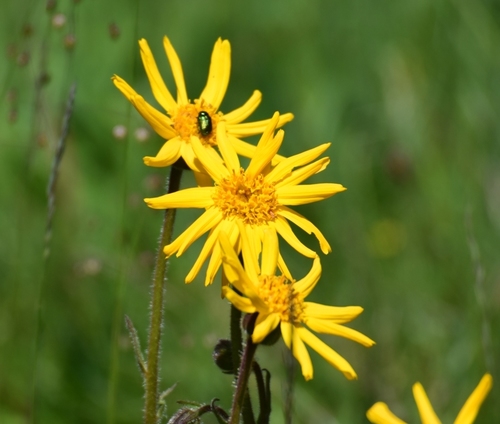
Arnica
Arnica montana
EMA accepts traditional cutaneous use for bruises. In a small rater-blinded trial of 16 volunteers with laser-induced bruises, 20% arnica ointment under occlusion improved bruising more than petrolatum, but not more than 5% vitamin K. EMA judged the clinical studies too small and poorly controlled for firm conclusions.
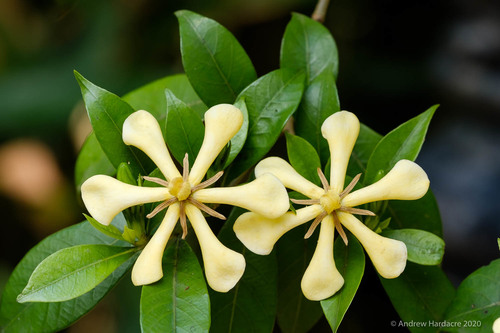
Cape jasmine
Gardenia jasminoides
Geniposide, its main iridoid, reduced ankle swelling by about 21–34% in a rat sprain model; there are no human trials.
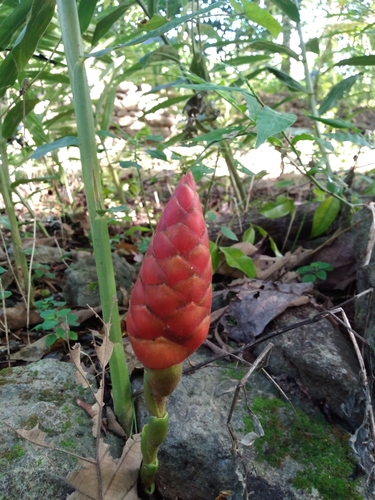
Cassumunar ginger
Zingiber montanum
Used in Thailand for bruises and sprains; in the same review Plai cream showed a strong trend of benefit for ankle-sprain pain.
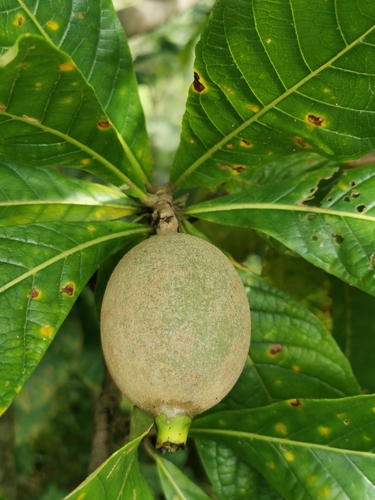
Genipap
Genipa americana
The leaves are used for bruises, dislocations and wound healing. A polysaccharide-rich leaf extract given intravenously reduced paw swelling and inflammatory cell migration in rats and inhibited platelet aggregation in vitro; no human studies.
Traditional use
TraditionalLong recorded use, essentially untested in clinical trials.
Buchu
Agathosma betulina
In Cape tradition, leaves steeped in brandy or vinegar were applied to bruises, sprains, sores and contusions, and used as an antiseptic wash for infected wounds.
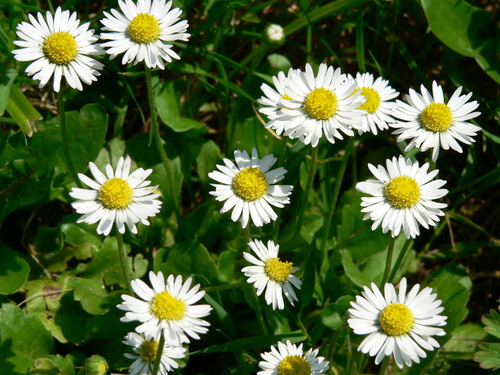
Daisy
Bellis perennis
Used traditionally by Europeans for bruises and broken bones. There are no clinical trials of the herb itself for bruising.
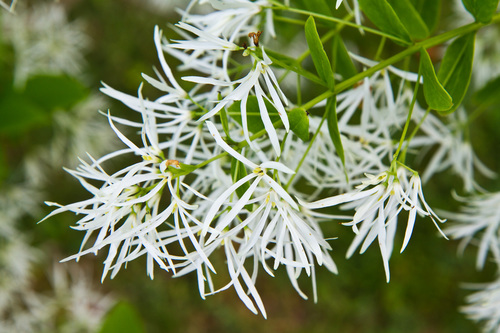
Fringe tree
Chionanthus virginicus
The Choctaw applied a poultice of beaten bark to cuts and bruises.
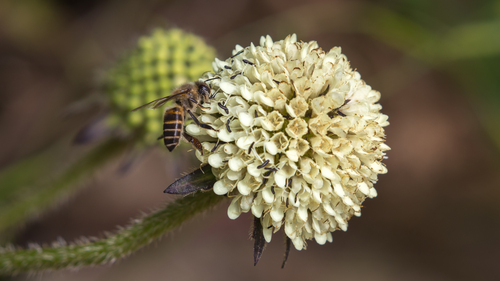
Himalayan teasel
Dipsacus asper
Used for traumatic haematoma, falls and blows, tendon injuries and fractures; its saponin asperosaponin VI aided tendon repair and bone formation in animal models.
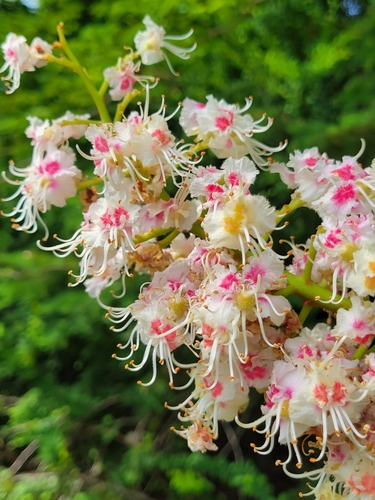
Horse chestnut
Aesculus hippocastanum
EMA traditional use of creams and gels for the swelling and discolouration of bruises; WHO cites small trials of 2% aescin gels for sprains and bruises.

Horseradish
Armoracia rusticana
In 19th–20th century Serbian folk medicine from Herzegovina, crushed root was laid on bruised areas for 'poganica', an illness attributed to blood made 'bad' by a contusion.
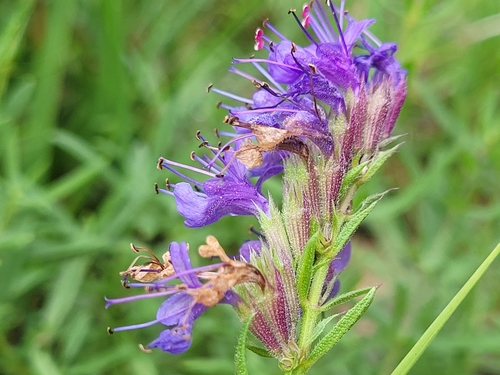
Hyssop
Hyssopus officinalis
Infusions and decoctions are used externally as compresses for bruises, haemorrhages and rheumatism and as a wound-healing wash, according to folk sources summarised in a 2024 review.
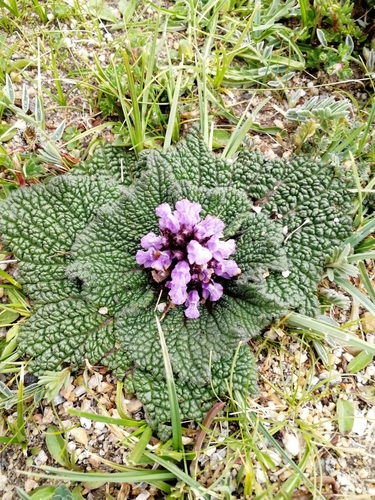
Lamiophlomis
Phlomoides rotata
Tibetan and Chinese medicine use it for traumatic injury, falls, fractures and sprains, to 'promote blood circulation, relieve swelling and pain and remove blood stasis'.
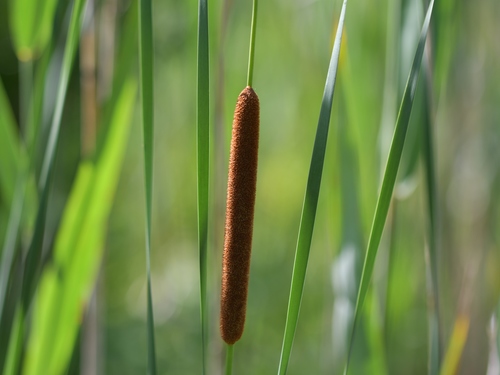
Narrowleaf cattail
Typha angustifolia
Used in Chinese medicine and patent formulas such as Jinggu Dieda pills for soft-tissue contusion.
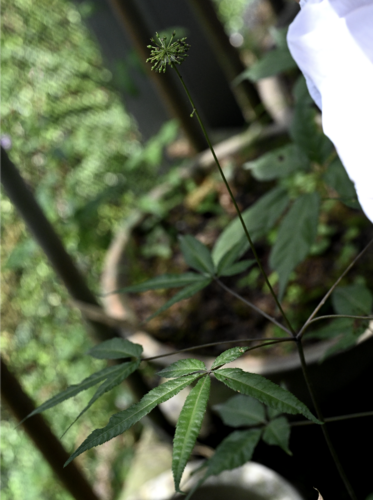
Notoginseng
Panax notoginseng
Used for traumatic swelling and pain ('dispelling stasis'), the classic indication of Yunnan Baiyao, of which it is the main herb.
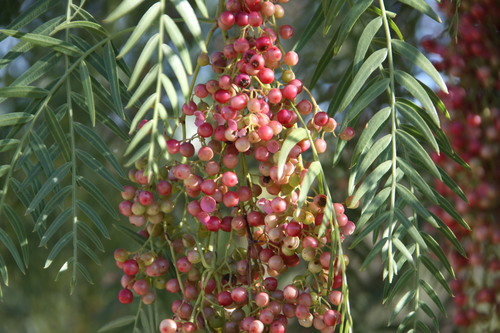
Peruvian pepper
Schinus molle
Applied externally in Andean folk medicine for contusions, sprains and swellings. No clinical data.
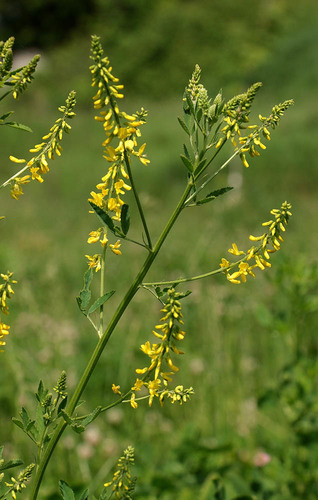
Sweet clover
Melilotus officinalis
Germany's Commission E listed external use for bruises, sprains and superficial bleeding under the skin; EMA did not adopt this indication.
Szechuan lovage
Conioselinum anthriscoides
Used alone or in formulas for bruises and swelling in Chinese medicine.