The Apothecary / Muscles & joints
Gout
26 remedies
Reference, not prescription. Nothing here is medical advice. Herbs can interact with medicines and be dangerous in pregnancy; tell your doctor or pharmacist about anything you take.
Strong evidence
StrongAn approved medicine, or consistent good-quality trials and reviews.
Limited evidence
LimitedSmall or few trials, mixed results, or mainly lab and animal work.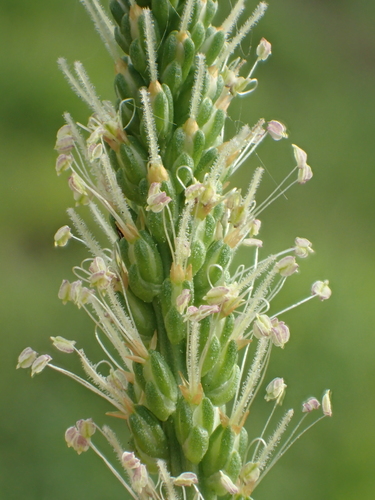
Asian plantain
Plantago asiatica
Described as widely used in China for gout and high uric acid; an extract lowered serum uric acid and reduced kidney injury in hyperuricaemic mice. No human trials were found.
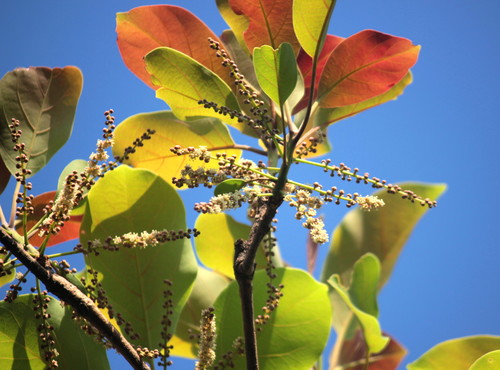
Bibhitaki
Terminalia bellirica
In a 24-week Indian double-blind trial in 110 people with high uric acid, an aqueous fruit extract (500 mg twice daily) lowered serum uric acid from 8.1 to 5.8 mg/dL, against 8.5 to 4.3 with febuxostat 40 mg; placebo rose. A second trial in 59 people with chronic kidney disease found 1000 mg twice daily cut uric acid by about 34% (febuxostat 64%) and improved kidney filtration similarly to febuxostat. Both trials were small and by overlapping Indian authors; gout attacks were not measured.
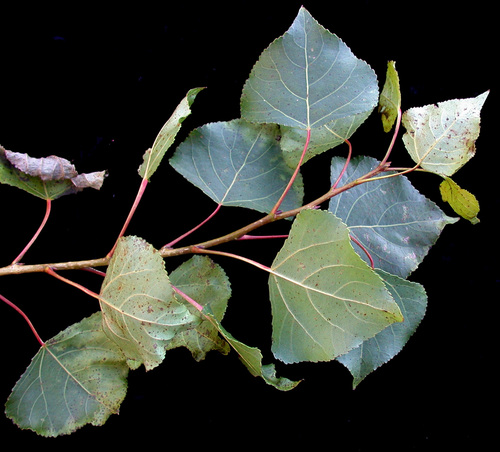
Black poplar
Populus nigra
Traditional tincture use for gout; bud extracts (100–400 mg/kg) lowered uric acid in mice comparably to allopurinol.
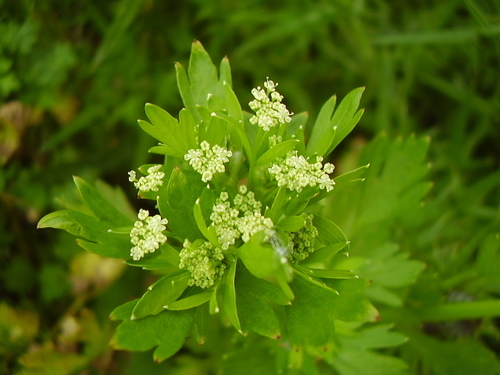
Celery
Apium graveolens
Water and oil extracts of celery seed lowered serum uric acid and xanthine oxidase in hyperuricaemic mice and reduced ankle swelling and inflammation in rats with urate-crystal arthritis. No human trials were found.
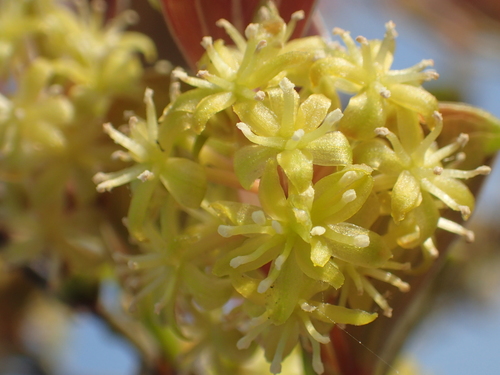
China root
Smilax china
A traditional Chinese remedy for gout. An ethyl acetate fraction (250 mg/kg) lowered uric acid in hyperuricaemic mice and rats, and its caffeic acid, resveratrol, rutin and oxyresveratrol inhibited xanthine oxidase in vitro.
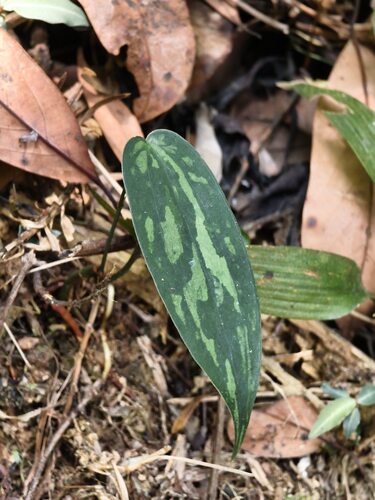
Chinaroot
Smilax glabra
Believed in Chinese medicine to help hyperuricaemia and gout, and an ingredient of the Pharmacopoeia gout capsule Tongfengding Jiaonang. Its total flavonoids (mostly astilbin stereoisomers) lowered serum uric acid in hyperuricaemic mice.
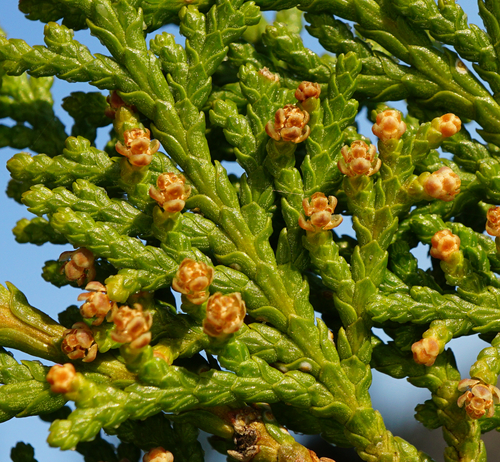
Chinese arborvitae
Platycladus orientalis
Leaf extract and its flavonoids quercetin and rutin lowered serum uric acid in hyperuricaemic mice and inhibited xanthine oxidase in liver tissue.
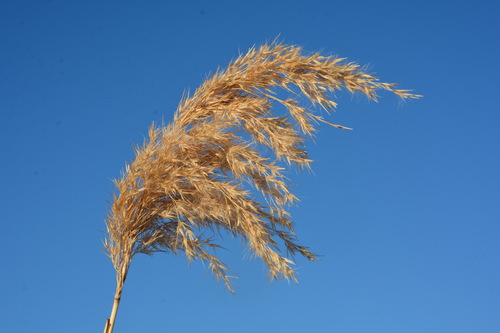
Common reed
Phragmites australis
A crude rhizome extract lowered serum uric acid in mice with induced hyperuricaemia, by inhibiting xanthine oxidase and increasing urate excretion. There are no human trials.
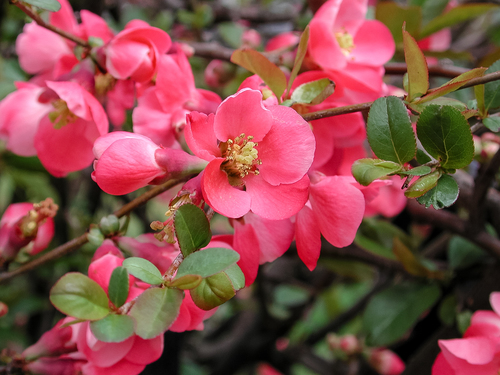
Flowering quince
Chaenomeles speciosa
Fruit extracts inhibited xanthine oxidase in vitro and, in rats and mice with induced high uric acid, lowered serum uric acid and reduced kidney damage. No human data were found.
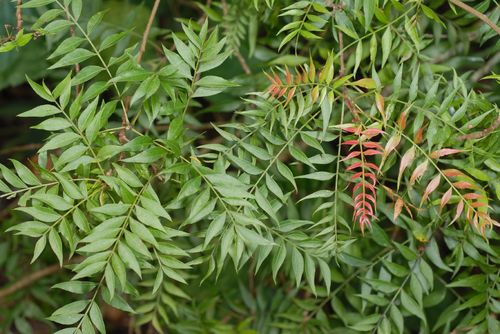
Karkatashringi
Pistacia integerrima
Leaf extracts and flavonoids inhibited xanthine oxidase in the lab, and the ethyl-acetate extract lowered uric acid in hyperuricaemic mice, less than allopurinol.
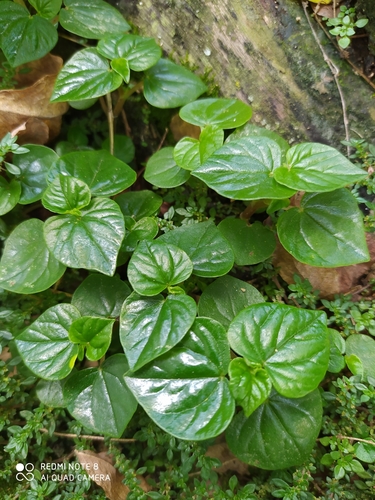
Shiny bush
Peperomia pellucida
An extract inhibited xanthine oxidase, the enzyme that makes uric acid, in a test-tube assay (IC50 about 43 µg/ml, far weaker than allopurinol at about 1.2 µg/ml). No animal or human studies of uric acid or gout were found.

Sweet cherry
Prunus avium
In 633 people with gout followed online for a year, eating cherries in the previous two days was linked to a 35% lower risk of a flare (odds ratio 0.65). This was an observational case-crossover study, and the type of cherry was not specified. In 10 healthy women, 280 g of Bing sweet cherries lowered plasma urate about 15% five hours later.
Traditional use
TraditionalLong recorded use, essentially untested in clinical trials.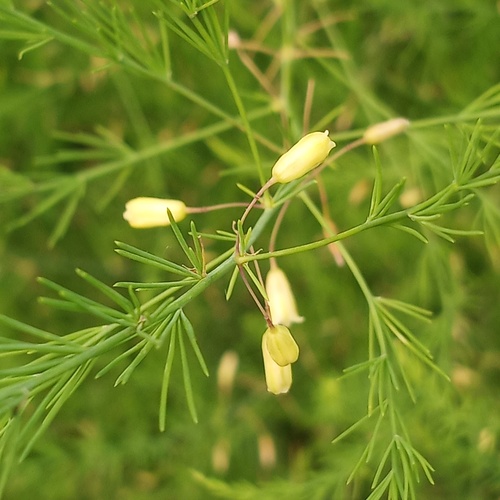
Asparagus
Asparagus officinalis
Used for gout in ancient Greece and Rome, and for gout in Eastern European and Chinese folk medicine.
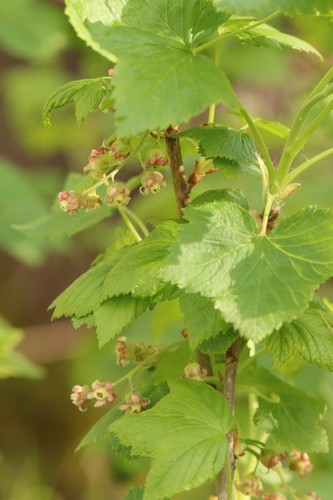
Blackcurrant
Ribes nigrum
Folk-medicine handbooks cited by EMA describe the leaf as a diuretic 'eliminating uric acid' and list it for gout and rheumatic complaints; no trials.
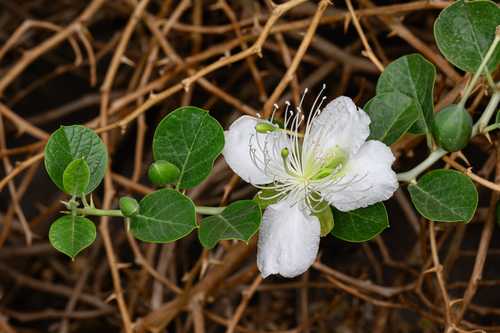
Caper
Capparis spinosa
Folk use for gout across its range (Mediterranean, Himalaya, Middle East).
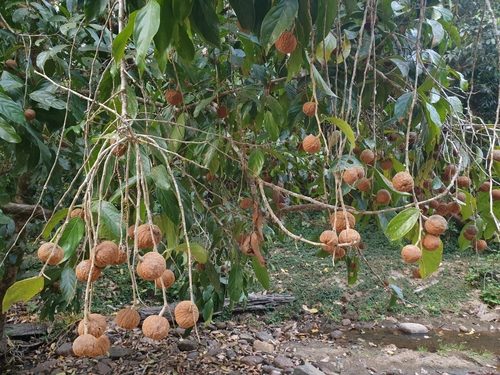
Chaulmoogra
Hydnocarpus pentandrus
Recorded in Ayurveda for gout as well as leprosy, tuberculosis and skin disorders; no clinical studies.
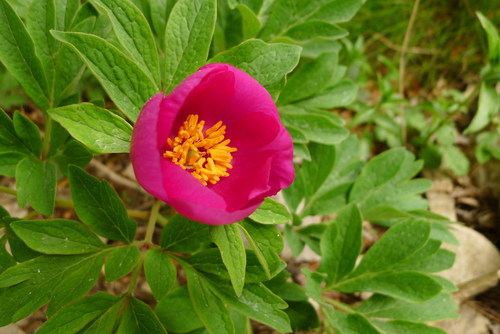
Common peony
Paeonia officinalis
Roots, seeds and flowers have been used in Spanish, French, Italian and north-west Balkan folk medicine for gout, credited with anti-inflammatory and pain-relieving effects. No clinical trials were found.
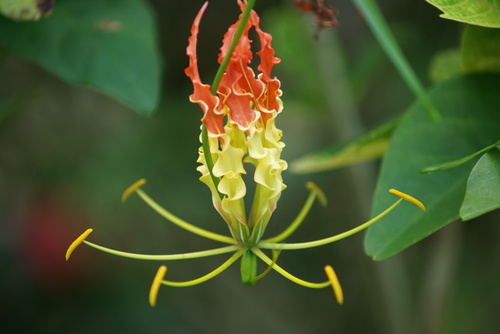
Flame lily
Gloriosa superba
In traditional medicine, seed extracts are given for acute gout. The seeds' alkaloid colchicine, purified and in fixed doses, is a US FDA-approved drug for gout flares. The plant itself is not a safe source, because its colchicine content cannot be controlled and the margin between a useful and a lethal dose is narrow.
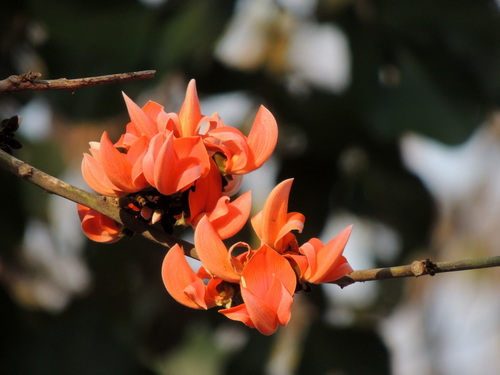
Flame of the forest
Butea monosperma
Listed in Sri Lankan medicine for gout (flowers). No testing.
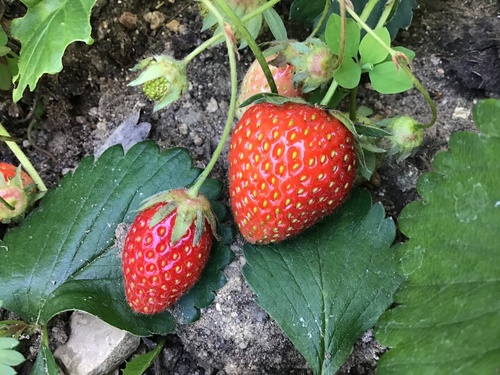
Garden strawberry
Fragaria x ananassa
Leaf tea is used for gout and rheumatism in Central and Southern European folk medicine; not tested.
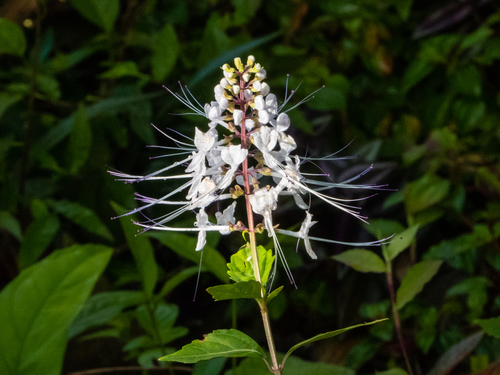
Java tea
Orthosiphon aristatus
Recorded in folk medicine for gout and rheumatism; in the urate-stone study the tea did not change blood uric acid.
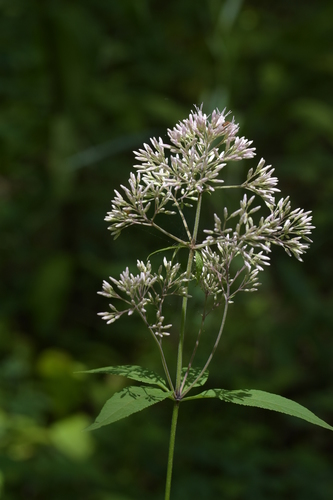
Joe-Pye weed
Eutrochium purpureum
Cherokee use of the root for gout is recorded; no studies were found.
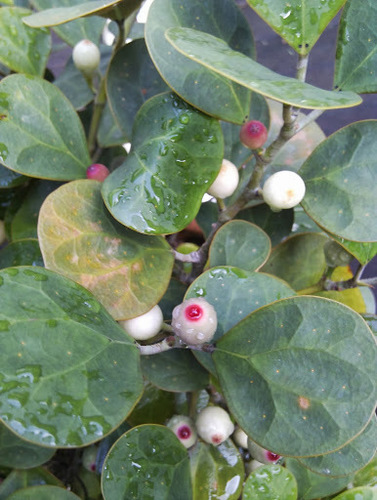
Mistletoe fig
Ficus deltoidea
A recorded traditional use of the decoction; untested.
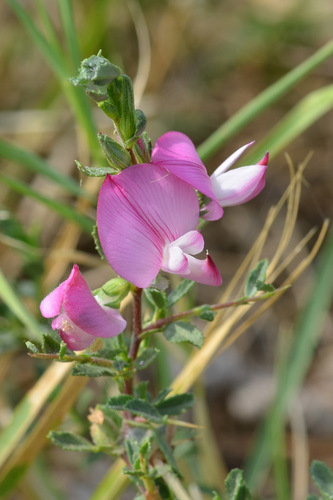
Spiny restharrow
Ononis spinosa
Folk medicine also uses the root for gout and rheumatic complaints (Wichtl, as cited by the HMPC); untested.
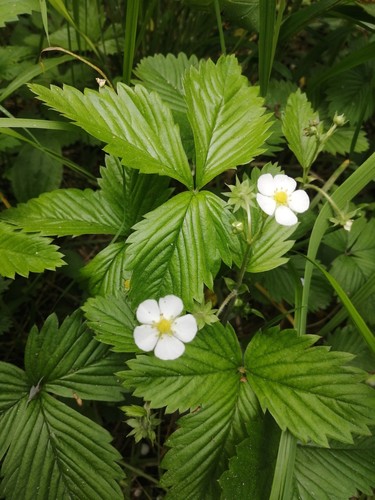
Wild strawberry
Fragaria vesca
Infusions of the fruit and leaves are used as diuretics for gout in folk medicine; untested.