The Apothecary / Liver & gallbladder
Gallbladder and bile flow
15 remedies
See a doctor if
Severe pain under the right ribs, fever, or jaundice.
Reference, not prescription. Nothing here is medical advice. Herbs can interact with medicines and be dangerous in pregnancy; tell your doctor or pharmacist about anything you take.
Limited evidence
LimitedSmall or few trials, mixed results, or mainly lab and animal work.
Christina loosestrife
Lysimachia christinae
Long and extensively used in China for gallstones (cholelithiasis) and cholecystitis. In mice, the aqueous extract almost entirely eliminated pre-formed cholesterol gallstones within 2–4 weeks, increased bile secretion and lowered bile and blood cholesterol; it also prevented gallstone formation on a lithogenic diet, and reduced gallbladder inflammation in guinea pigs.
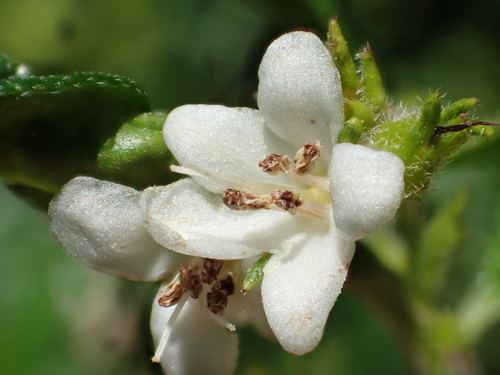
Fukien tea tree
Carmona retusa
In a Phase II trial at Tarlac Provincial Hospital, 110 outpatients with acute biliary colic were given the tsaang gubat tablet or dicycloverine. Efficacy and tolerability were comparable, and no adverse effects or abnormal laboratory results were reported. The trial is known from a 2020 report cited in a 2025 review; no peer-reviewed trial paper was found.
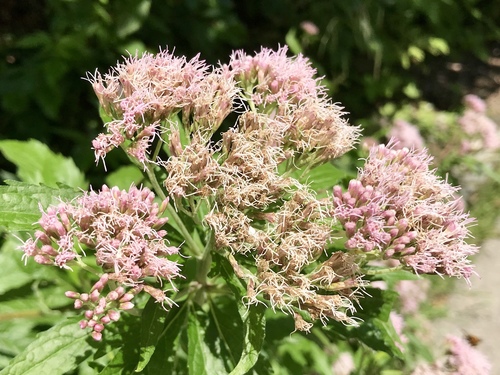
Hemp agrimony
Eupatorium cannabinum
Its traditional choleretic use is supported only by the rat bile-flow study above.
Radish
Raphanus sativus
Black radish root juice is used for gallstones in Mexican traditional medicine. In mice fed a gallstone-inducing diet, six days of the juice cleared cholesterol gallstones and lowered blood cholesterol and triglycerides. There are no human studies.
Traditional use
TraditionalLong recorded use, essentially untested in clinical trials.
Artichoke
Cynara cardunculus
Used in European traditional medicine for centuries as a liver and gallbladder remedy, and it increases bile secretion. Because of that, EMA lists gallstones, bile duct obstruction and other biliary disorders as contraindications.
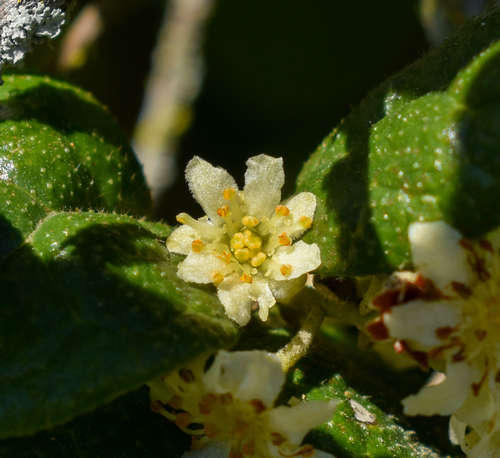
Boldo
Peumus boldus
Older pharmacopoeias and the expanded Commission E listed boldo as a cholagogue and for gallstones and liver ailments, and boldine raises bile flow in rats. The EU monograph does the opposite for people with gallstones or bile-duct obstruction: it lists these as contraindications.
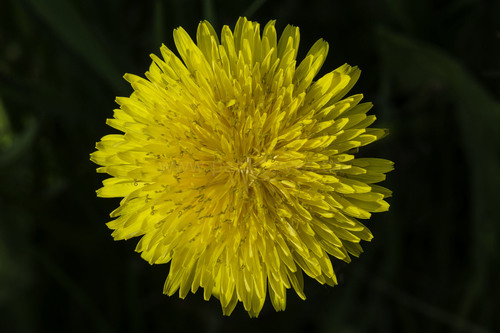
Dandelion
Taraxacum officinale
Commission E (cited by WHO) listed use to increase bile flow; EMA by contrast contraindicates it in bile-duct obstruction, gallstones and other biliary disease.
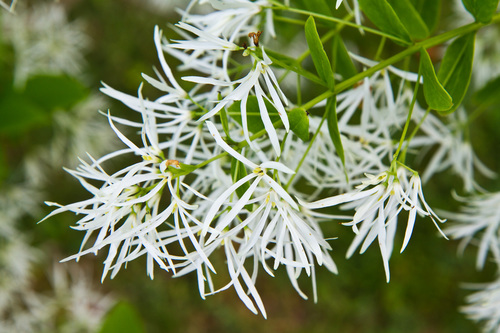
Fringe tree
Chionanthus virginicus
It is classed as a cholagogue. Eclectic authors used it for 'hepatic colic', meaning pain in the right upper abdomen with jaundice and pale stools. Goss thought it best for jaundice not caused by gallstones; Scudder praised it even when stones were present. Not tested in trials.
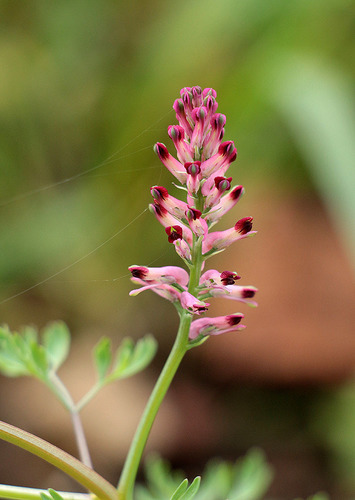
Fumitory
Fumaria officinalis
The EMA assessment report records its use for spastic discomfort of the gallbladder and bile ducts, and older European clinical reports describe it in biliary dyskinesia; these studies were not controlled. Because it may stimulate bile flow, EMA advises against it when there is bile-duct obstruction, gallstones or other biliary disease.
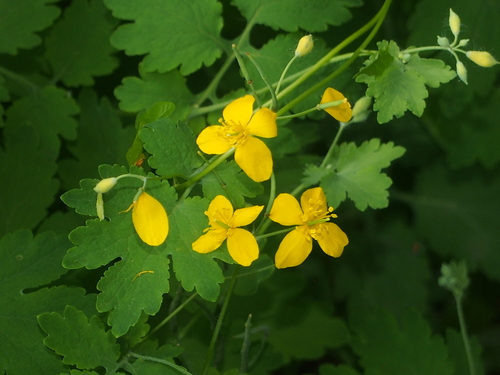
Greater celandine
Chelidonium majus
Used since the Middle Ages for bile and liver disorders; the indication is now overshadowed by the plant's own hepatotoxicity.
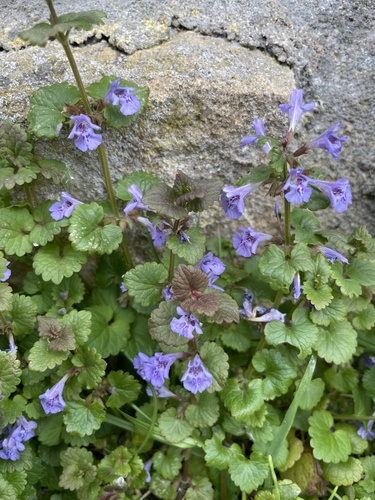
Ground ivy
Glechoma hederacea
Prescribed in traditional Chinese medicine for gallstones (cholelithiasis); untested in trials.
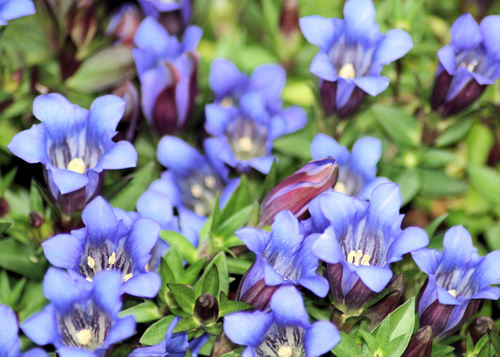
Japanese gentian
Gentiana scabra
Pharmacopoeial use for cholecystitis (gallbladder inflammation), with no clinical data.

Javanese turmeric
Curcuma zanthorrhiza
German and Dutch products were traditionally indicated for biliary dyspepsia and insufficient bile flow; EMA dropped bile-related wording because it needs medical diagnosis, and advises against use in gallstones or bile-duct disease.
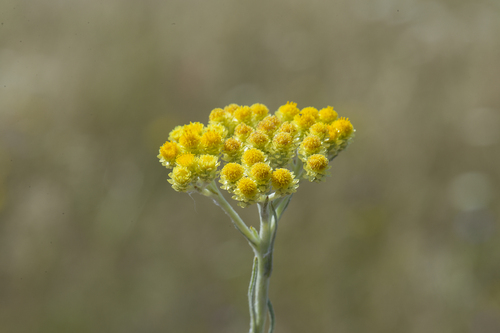
Sandy everlasting
Helichrysum arenarium
Long used in Poland and the former USSR as a bile-flow promoter (cholagogue) in gallbladder and bile-duct disease; in rats its flavonoids and teas increased bile secretion. The EMA judged biliary disease unsuitable for self-treatment and did not accept it as an indication.
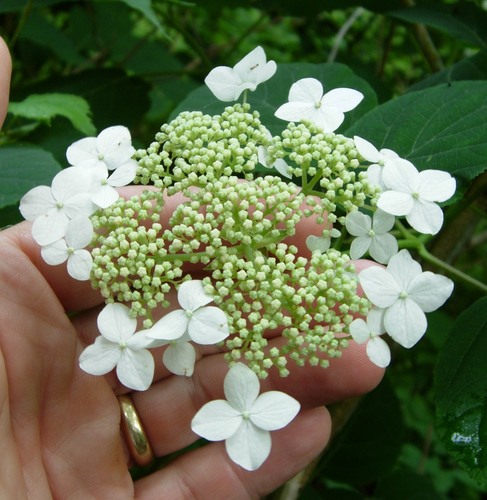
Wild hydrangea
Hydrangea arborescens
Delaware root preparations with blue flag were used for gallstones, and the Cherokee gave a bark infusion to induce vomiting to 'throw off disordered bile'. Untested.