The Apothecary / Liver & gallbladder
Liver health
117 remedies
See a doctor if
Yellow skin or eyes (jaundice), dark urine, or pale stools need urgent assessment.
Reference, not prescription. Nothing here is medical advice. Herbs can interact with medicines and be dangerous in pregnancy; tell your doctor or pharmacist about anything you take.
Limited evidence
LimitedSmall or few trials, mixed results, or mainly lab and animal work.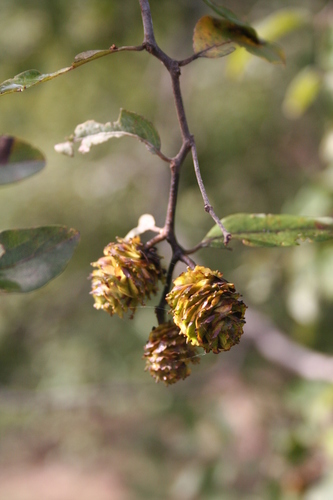
African birch
Anogeissus leiocarpa
Used in Nigeria and Togo for liver dysfunction. A stem-bark extract (125–500 mg/kg) reduced markers of liver damage and oxidative stress in rats with chemically induced (CCl4) liver fibrosis.

African entada
Entada africana
Used for liver diseases in West and Central Africa. A stem-bark fraction (EaF10, 25–100 mg/kg) lowered ALT and AST in mice with CCl4 liver injury, apparently by inhibiting CYP2E1 and activating Nrf2. Stem-bark extracts also protected rat liver cells against paracetamol damage, and a root extract protected rat liver against CCl4.
Agati
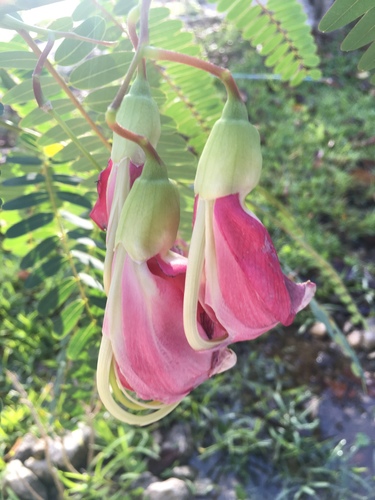
Sesbania grandiflora
Used in Ayurveda for liver disorders. A flavonoid-rich whole-plant fraction lowered liver-injury markers (SGOT, SGPT, bilirubin) and restored liver architecture in rats with anti-tuberculosis-drug liver injury. Leaf extract had anti-fibrotic effects on rat liver stellate cells in vitro.
Almond mushroom
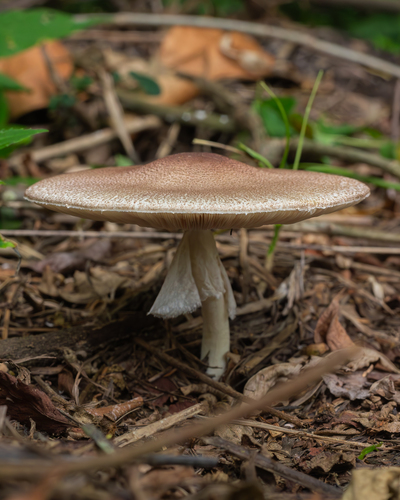
Agaricus subrufescens
Used in Brazilian tradition for hepatitis. In an uncontrolled study, 20 patients with chronic hepatitis C took a condensed liquid extract for 8 weeks and 80% had lower γ-GTP; set against this are case reports of severe liver injury (see safety).

Antrodia
Taiwanofungus camphoratus
In 28 people with non-alcoholic steatohepatitis, 420 mg mycelium capsules (three a day) for 3–6 months reduced liver fat and TNF-α compared with starch placebo; 300 mg daily lowered ALT and AST in 80 people with raised GGT, and a 250 mg extract improved liver markers in 44 Japanese adults, especially regular drinkers. Many rodent studies show liver protection.
Arabica coffee
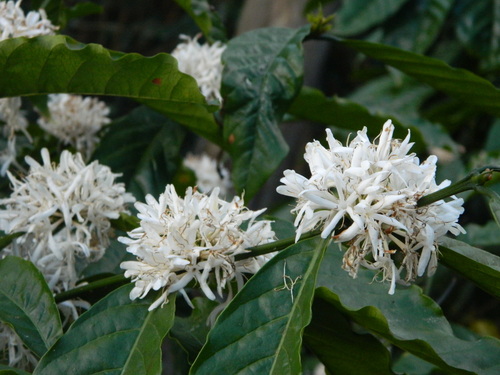
Coffea arabica
An umbrella review of meta-analyses found coffee drinking associated with lower risk of several liver conditions; these are observational associations.

Artichoke
Cynara cardunculus
A 2022 meta-analysis of five randomised trials (333 patients) in non-alcoholic fatty liver disease found artichoke leaf extract lowered the liver enzymes ALT and AST more than control. Liver-protective effects of cynarin have been shown in animals; EMA notes they have not been documented clinically.
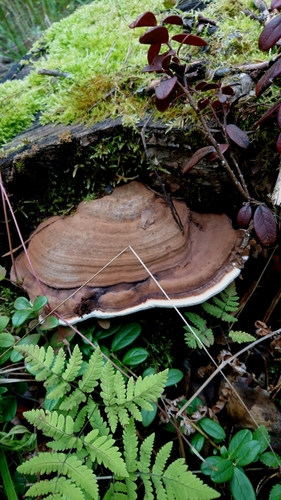
Artist's conk
Ganoderma applanatum
Extracts lowered raised liver enzymes in rats, and a triterpenoid (ganoapplanilactone C) reduced fat build-up and damage in the livers of zebrafish on a high-fat diet. Polysaccharides improved liver injury markers in obese rodents. No human studies.

Bitter kola
Garcinia kola
Used traditionally for liver disorders and hepatitis. The seed biflavonoid complex kolaviron has shown hepatoprotective effects in animal studies; human evidence is lacking.

Black nightshade
Solanum nigrum
Water extracts (0.2–1.0 g/kg for 6 weeks) protected rats from chronic carbon-tetrachloride liver damage, and other extracts reduced liver injury and fibrosis in rodents. No human trials of liver protection were found.
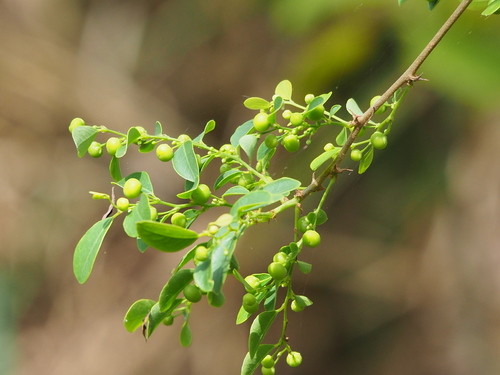
Black-honey shrub
Phyllanthus reticulatus
Fractions of the aerial-part extract protected rats from carbon-tetrachloride liver damage.

Butterfly pea
Clitoria ternatea
Leaves are used in Ayurveda for 'hepatopathy'; a flower extract (200 mg/kg) reduced paracetamol-induced liver damage in mice.
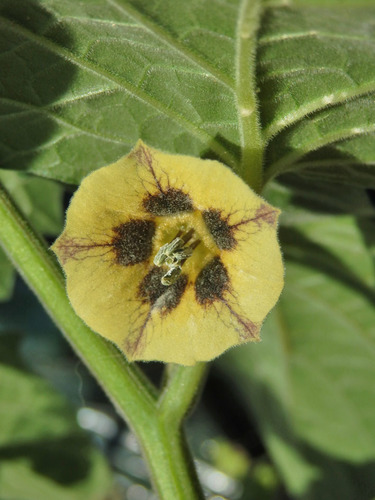
Cape gooseberry
Physalis peruviana
Traditional use for hepatitis; fruit extracts reduced chemically induced liver and kidney damage in rats.
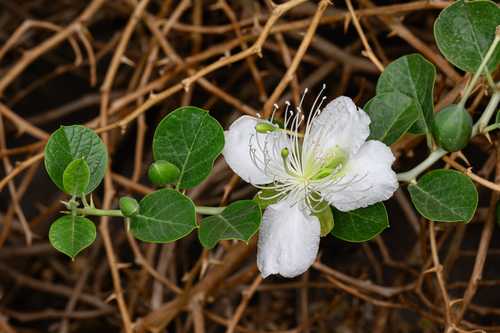
Caper
Capparis spinosa
Folk use for liver and kidney complaints; aqueous fruit extract reduced liver inflammation, steatosis and fibrosis in a rat model of non-alcoholic steatohepatitis.
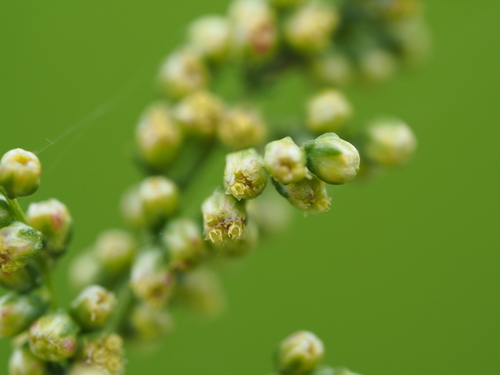
Capillary wormwood
Artemisia capillaris
For cholestasis and jaundice the evidence is for Yinchenhao decoction (A. capillaris with gardenia fruit and rhubarb root): a meta-analysis of 15 RCTs (1,405 patients) found lower ALT, AST and bilirubin than conventional drugs, and a 2024 network meta-analysis of 20 studies (1,591 patients) compared herb ratios. Reviewers note small samples, heterogeneity, little blinding and short follow-up.
Capillary wormwood
Artemisia capillaris
In a 24-week double-blind trial of 130 people with non-alcoholic fatty liver disease, Yinchenhao decoction granules reduced liver fat on MRI, ALT, AST and BMI more than placebo, with no serious adverse events. One trial, of the formula, not the single herb.
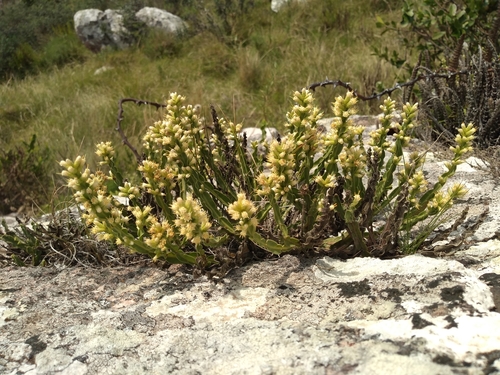
Carqueja
Baccharis crispa
One of the native Brazilian plants with both many citations in traditional-medicine books for liver disorders and some laboratory support. In rats, pretreatment with the extract reduced liver enzyme rises and tissue damage after an acetaminophen (paracetamol) overdose.
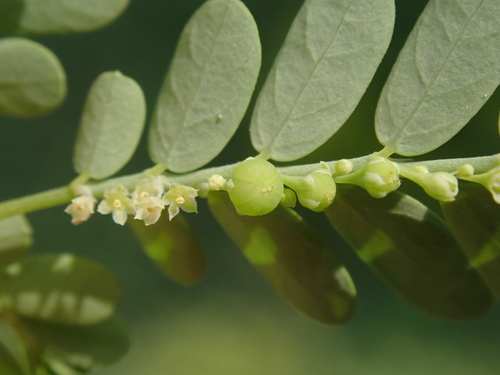
Carry-me-seed
Phyllanthus amarus
Chronic hepatitis B: a 1988 preliminary trial reported loss of hepatitis B surface antigen in 22 of 37 carriers versus 1 of 23 on placebo, but a 1990 study reported failure to clear the antigen. A 2001 review of 22 mostly low-quality trials (mixed Phyllanthus species) found a positive effect on surface-antigen clearance. The 2011 Cochrane review (16 trials, 1,326 patients) found that the one placebo-controlled trial showed no benefit; adding Phyllanthus to antiviral drugs may help, but heterogeneity and bias make this uncertain. A 2013 Cochrane review against antiviral drugs found insufficient evidence to support or refute it.
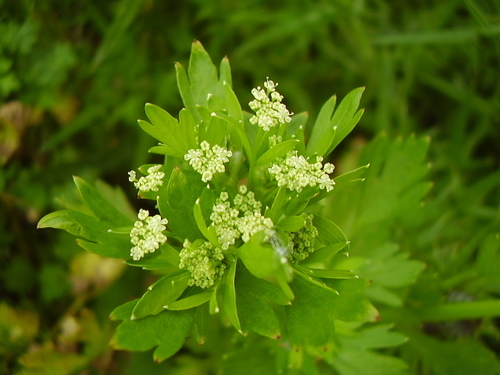
Celery
Apium graveolens
Methanolic seed extract protected rat livers against paracetamol- and carbon-tetrachloride-induced damage, comparable to silymarin; human data are lacking.
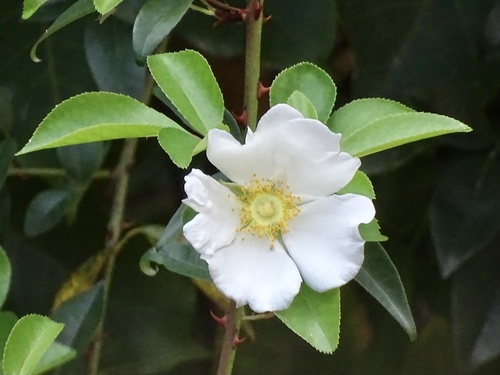
Cherokee rose
Rosa laevigata
Total saponins from the fruit protected against carbon-tetrachloride liver fibrosis in rats, and total flavonoids against oxidative liver injury in animal studies.
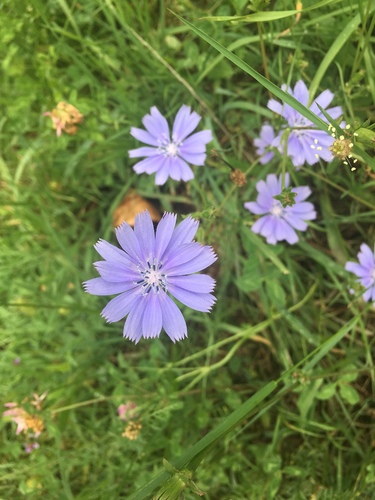
Chicory
Cichorium intybus
Root, seed and herb extracts protected the liver against carbon tetrachloride and paracetamol in rats. In people the only evidence is a 6-month placebo-controlled trial in 36 patients with cirrhosis of Liv-52, an Indian multi-herb product of which chicory is one ingredient; it lowered liver enzymes and Child-Pugh scores.

Chinese dodder
Cuscuta chinensis
Valued in TCM for the liver; extracts were hepatoprotective in rodent studies only.
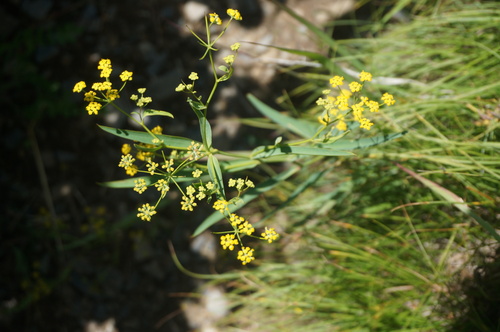
Chinese thorowax
Bupleurum chinense
Extracts have been used for chronic hepatitis (WHO), but a 2019 Cochrane review of Xiao chai hu tang for chronic hepatitis B found only small, high-risk-of-bias trials, very low-certainty evidence on viral markers and no data on deaths, serious harms or quality of life: its effects are unclear.
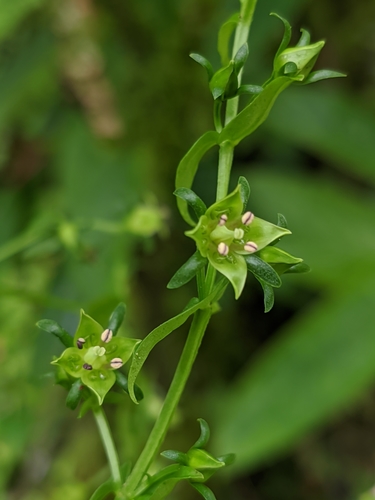
Chiretta
Swertia chirayita
Widely used for hepatitis and other liver disorders. Extracts protected the liver and were active against hepatitis B virus in cell and animal studies only.

Christina loosestrife
Lysimachia christinae
An ethanol extract (200–400 mg/kg) and quercetin isolated from it reduced alcohol-induced liver enzyme rises and oxidative stress in mice.

Cleavers
Galium aparine
Traditionally used for jaundice. In rats, pretreatment with an oral extract (250–500 mg/kg for 5 days) reduced paracetamol-induced liver necrosis and liver enzymes. Not tested in people.

Cochlospermum
Cochlospermum tinctorium
Named by 186 of 575 healers interviewed across Burkina Faso, the most cited liver plant; jaundice is its leading use in Benin. Ten Beninese hepatitis recipes based on the root protected rats against paracetamol liver injury in a dose-dependent way, wild roots more than cultivated ones.
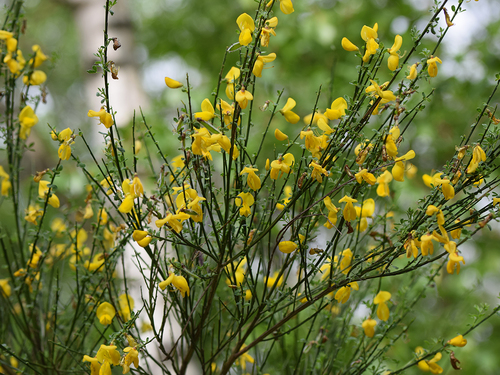
Common broom
Cytisus scoparius
In rats, a C. scoparius extract (250 and 500 mg/kg) reduced liver injury from carbon tetrachloride. The higher dose performed about as well as silymarin on liver enzymes and antioxidant markers. No human data.
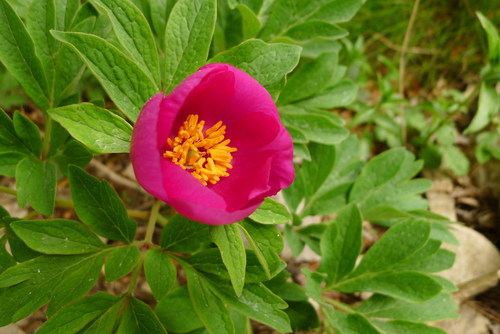
Common peony
Paeonia officinalis
In rats, an aqueous root extract (100 and 200 mg/kg for 14 days) lowered markers of carbon-tetrachloride liver damage (AST, ALT, alkaline phosphatase, bilirubin) in a dose-dependent way and improved liver tissue. There are no human data.
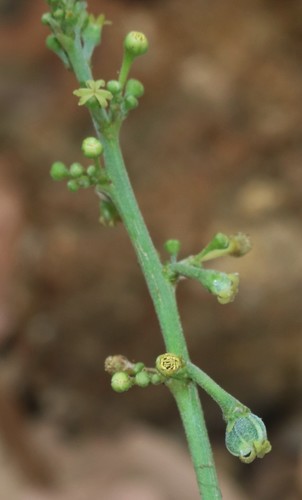
Danti
Baliospermum montanum
Ayurveda claims the root is useful in jaundice. Root fractions protected rat liver cells from paracetamol injury in lab and animal tests; there are no human trials.
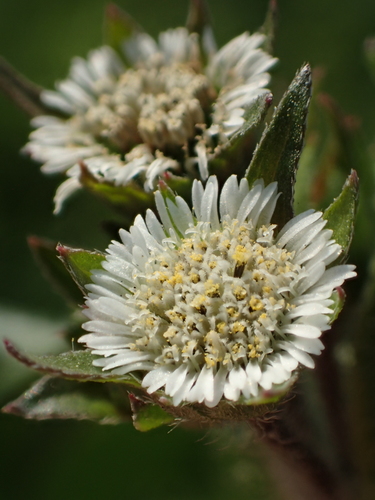
False daisy
Eclipta prostrata
Extracts protected rats against carbon-tetrachloride liver injury, and folk medicine in India and Bangladesh uses it for jaundice; a 2021 review notes that clinical significance has not been studied.
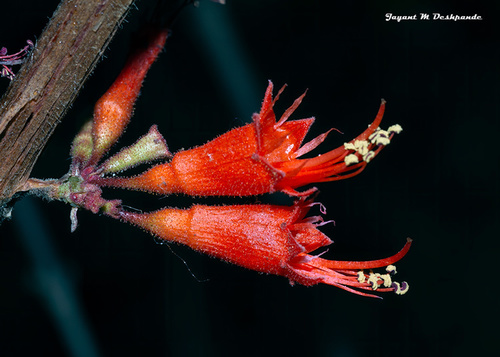
Fire-flame bush
Woodfordia fruticosa
Used for liver ailments in traditional Indian medicine. A water extract of the flowers reversed carbon-tetrachloride liver damage in rodents; no human studies.
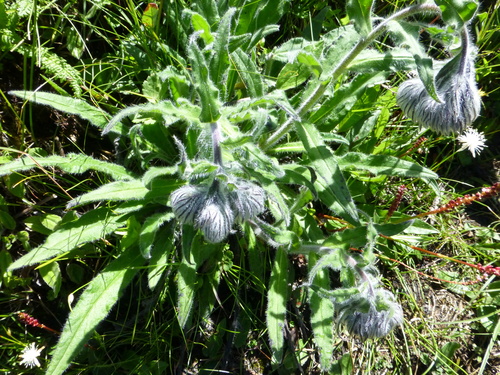
Gaozaban
Onosma bracteatum
An ethanol extract of the aerial parts (50–200 mg/kg) normalised liver enzymes and tissue damage in rats poisoned with carbon tetrachloride. Animal data only; contrast with the pyrrolizidine-alkaloid warning under safety.
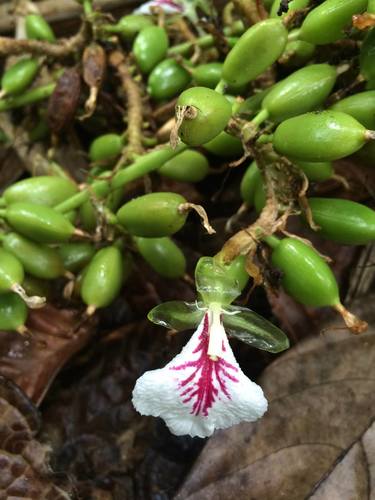
Green cardamom
Elettaria cardamomum
A small randomised trial in overweight people with non-alcoholic fatty liver disease found cardamom (up to 3 g daily) reduced inflammatory markers, ALT and the grade of fatty liver compared with placebo; weight did not change.
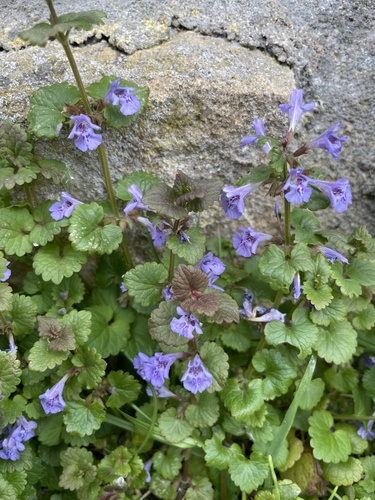
Ground ivy
Glechoma hederacea
Used in Austria for liver and bile complaints and in Chinese medicine for jaundice. In rats with bile-duct ligation, a daily oral hot-water extract reduced cholestatic liver injury, inflammation and fibrosis; no human data.
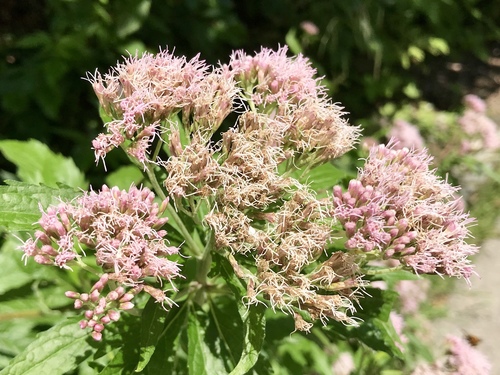
Hemp agrimony
Eupatorium cannabinum
Traditionally used for liver diseases. An aqueous extract induced strong bile flow in rats and reduced carbon-tetrachloride liver damage (lower plasma GPT). There are no human trials, and its pyrrolizidine alkaloids are themselves liver toxins.
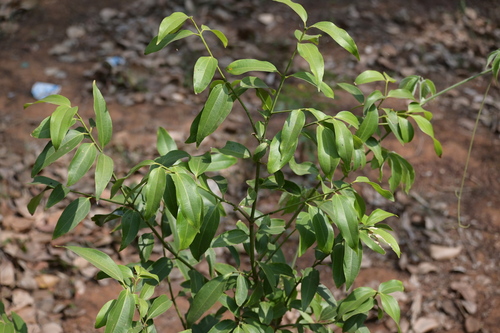
Indian bay leaf
Cinnamomum tamala
An ethanolic leaf extract reduced paracetamol-induced liver damage in mice. No human data.
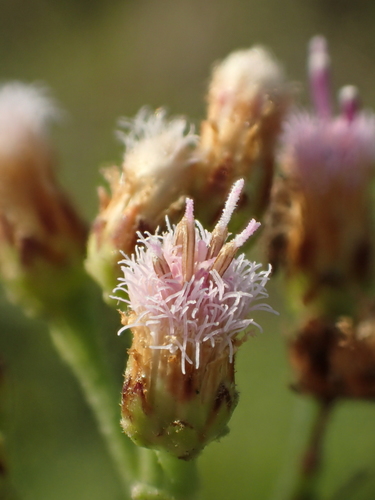
Indian camphorweed
Pluchea indica
In the same rat study the extract reduced hepatic fat accumulation (a model of non-alcoholic fatty liver disease). Not tested in people.
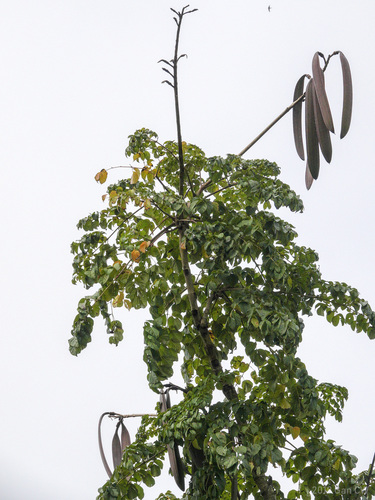
Indian trumpet tree
Oroxylum indicum
Used for liver complaints and jaundice; extracts were hepatoprotective in animal studies, but direct evidence for jaundice or hepatitis is lacking.
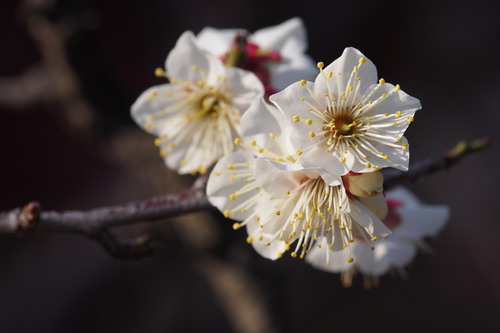
Japanese apricot
Prunus mume
In a 3-month randomised placebo-controlled trial in 45 healthy people with upper-normal liver enzymes, a standardised extract lowered ALT, AST and γGT; an uncontrolled case series with the extract MK615 in liver disease also reported falls in liver enzymes.
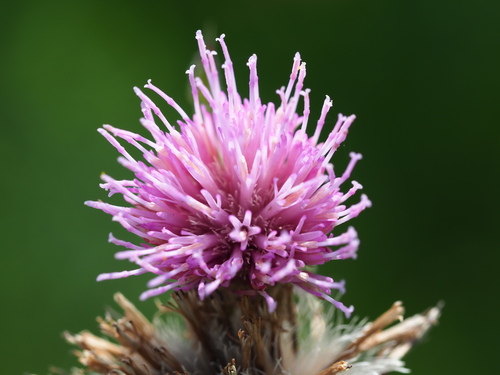
Japanese thistle
Cirsium japonicum
Prescribed traditionally for liver disorders; extracts and flavonoids such as linarin and pectolinarin were hepatoprotective and antifibrotic in preclinical models, including fatty-liver models. Human evidence is absent.

Kidney-leaved pelargonium
Pelargonium reniforme
A root extract restored liver enzymes and bilirubin towards normal in rats with alcohol-induced liver damage. No human data, and EMA notes reports of hepatotoxicity with pelargonium products.
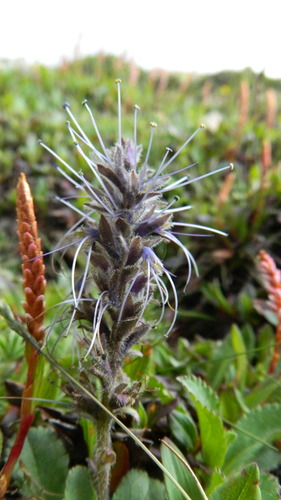
Kutki
Picrorhiza kurroa
In a small double-blind trial in acute viral hepatitis (15 treated, 18 placebo), 375 mg of powdered rhizome three times daily for 2 weeks lowered bilirubin and liver enzymes faster; bilirubin fell to 2.5 mg% in about 27 days versus 76 on placebo. WHO notes no adequately powered randomised trials; other studies are of multi-herb Ayurvedic formulas such as Arogyavardhini.
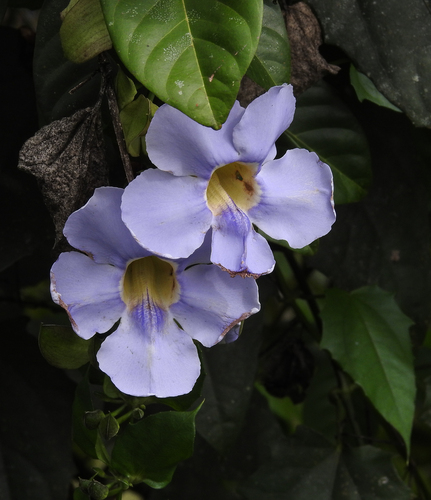
Laurel clock vine
Thunbergia laurifolia
A single dose of leaf extract given before alcohol lowered blood ethanol and prevented liver-enzyme changes in rats, and extracts protected against alcohol-induced liver damage in earlier animal work. No human trials.

Lodh tree
Symplocos racemosa
An ethanol extract of the bark (200 and 400 mg/kg by mouth) reduced liver-enzyme rises and oxidative damage caused by carbon tetrachloride in rats. There are no human studies.
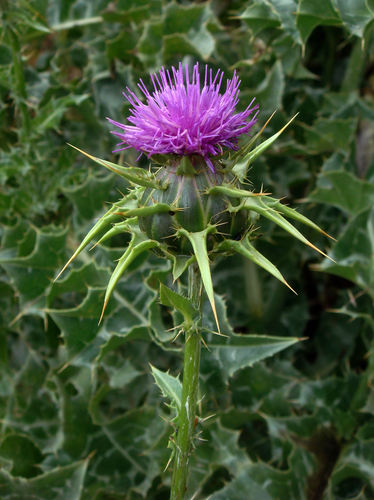
Milk thistle
Silybum marianum
A Cochrane review of 13 randomised trials (915 people) with alcoholic and/or hepatitis B or C liver disease found no significant effect on overall deaths or complications; hints of lower liver-related mortality in early, low-quality trials were not confirmed by better trials. WHO (2002) and the German Commission E nonetheless list supportive treatment of toxic liver damage and cirrhosis.
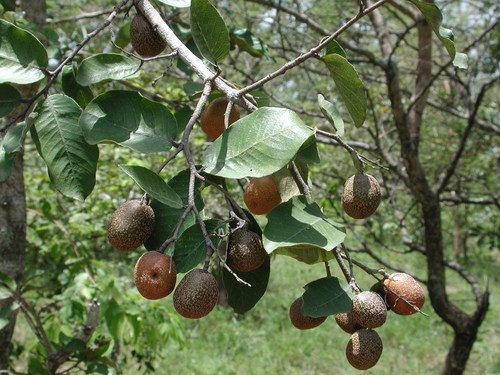
Mobola plum
Parinari curatellifolia
Seed and fruit are used for liver-related illness. A flavonoid extract of the seed, given to rats for 14 days, prevented acetaminophen-induced rises in liver enzymes and reduced liver necrosis. Animal work only.
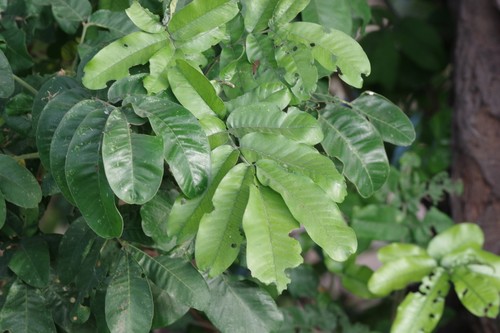
Natal mahogany
Trichilia emetica
Root decoctions are used for jaundice. In Mali folk medicine, an aqueous root extract protected isolated rat liver cells from carbon tetrachloride damage at 1000 µg/ml, comparable to silymarin. Cell work only.
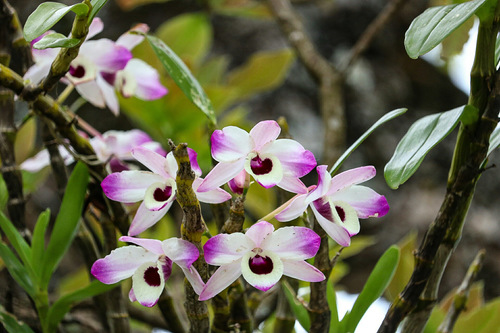
Noble dendrobium
Dendrobium nobile
Aqueous stem extract protected mice from acute alcohol-induced liver injury through bile-acid (FXR) signalling; human data are lacking.

Patala
Stereospermum chelonoides
Called a 'liver stimulant' in traditional use. A stem-bark extract reduced liver injury from carbon tetrachloride in rats.
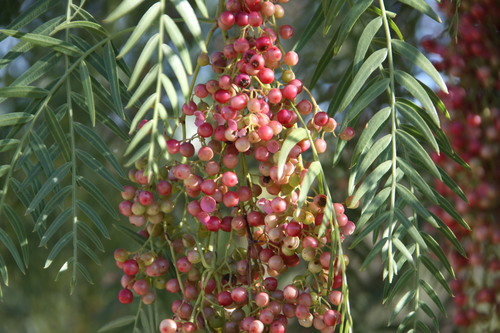
Peruvian pepper
Schinus molle
Used in Ethiopia for jaundice and liver disease. In mice given a liver toxin (carbon tetrachloride), leaf and fruit extracts improved liver enzymes (ALT, AST, ALP) and bilirubin. Animal work only.

Pointed gourd
Trichosanthes dioica
The Charaka Samhita mentions leaves and fruits for jaundice, and leaf juice is used for an enlarged liver and spleen. Whole-plant extracts at 400 mg/kg reduced liver-enzyme rises in rats with iron-induced liver injury. No human studies.
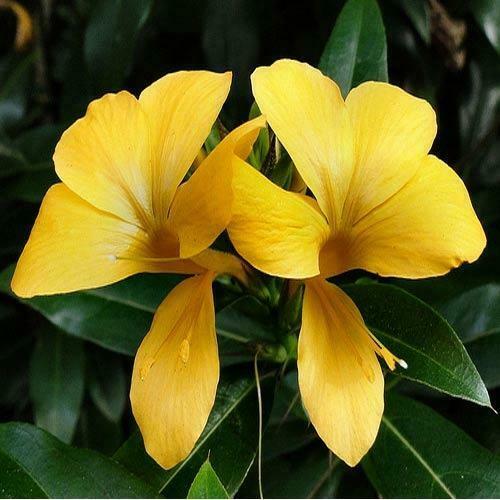
Porcupine flower
Barleria prionitis
Used for jaundice. An iridoid-rich fraction of the aerial parts protected rodents against liver damage from carbon tetrachloride, galactosamine and paracetamol. No human studies.
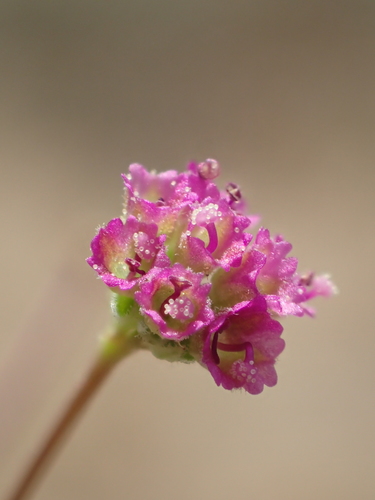
Punarnava
Boerhavia diffusa
Used traditionally for jaundice and liver complaints; its flavonoid eupalitin-3-O-galactoside protected liver cells against carbon tetrachloride toxicity in laboratory and animal studies.
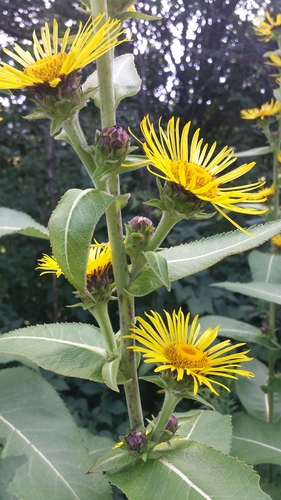
Pushkarmool
Inula racemosa
Traditionally used for liver dysfunction. In rats given the liver carcinogen diethylnitrosamine for 10 weeks, root extract (100–500 mg/kg) improved liver enzymes and tissue damage. Animal work only.
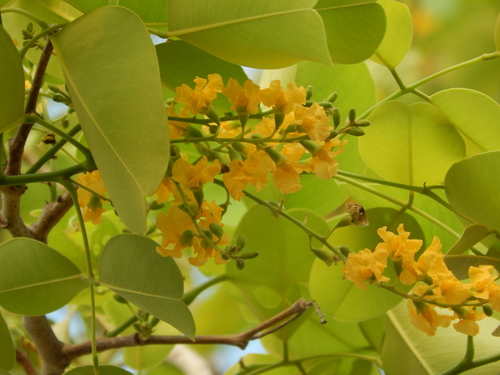
Red sanders
Pterocarpus santalinus
Bark extracts restored carbon tetrachloride-induced liver damage in rats; the plant is listed in Ayurveda for jaundice. No human studies.
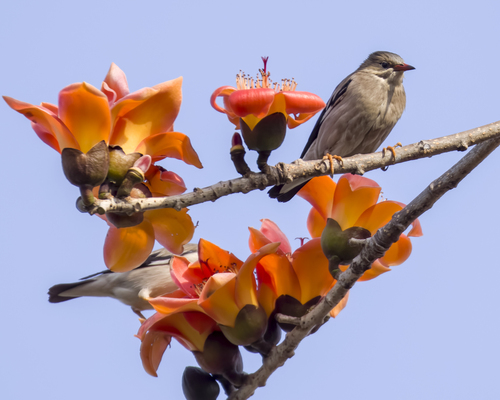
Red silk-cotton tree
Bombax ceiba
Water and methanol flower extracts reduced liver-enzyme rises and tissue damage in rats poisoned with carbon tetrachloride. Animal work only.
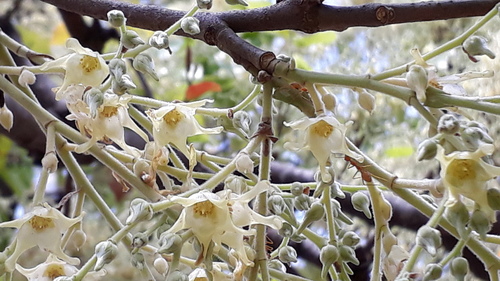
Sal
Shorea robusta
A methanol bark extract (500 mg/kg by mouth) restored liver enzymes and liver tissue in rats given the tuberculosis drug isoniazid. No human data.
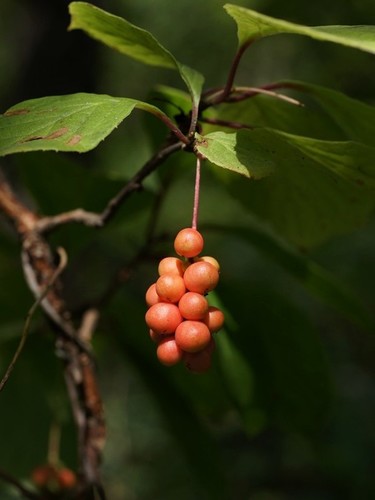
Schisandra
Schisandra chinensis
Chinese reports describe thousands of hepatitis patients whose raised liver enzymes (SGPT/ALT) fell on schisandra preparations; in one controlled trial in 189 people with chronic hepatitis B, 68% normalised SGPT at 4 weeks versus 44% on liver extracts and vitamins, but levels rose again 6–12 weeks after stopping. WHO stresses these are methodologically weak and do not show an effect on the disease itself.
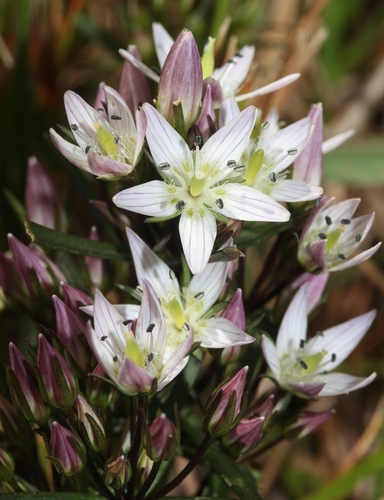
Senburi
Swertia japonica
A butanol extract protected mice against chemically induced (D-galactosamine/lipopolysaccharide) liver injury; the xanthone tetrahydroswertianolin was the most active constituent. Animal data only.
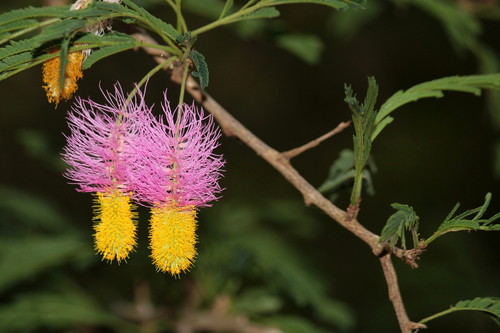
Sickle bush
Dichrostachys cinerea
Traditionally used for jaundice; a methanol leaf extract showed significant liver protection in rodents. No human data.
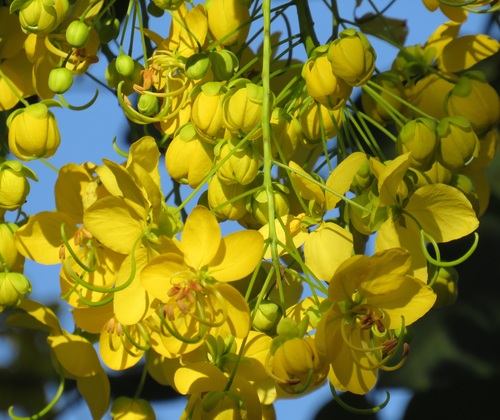
Sjambok pod
Cassia abbreviata
A proanthocyanidin-rich root extract showed antioxidant effects in nematodes and protected the liver against D-galactosamine injury in rats.
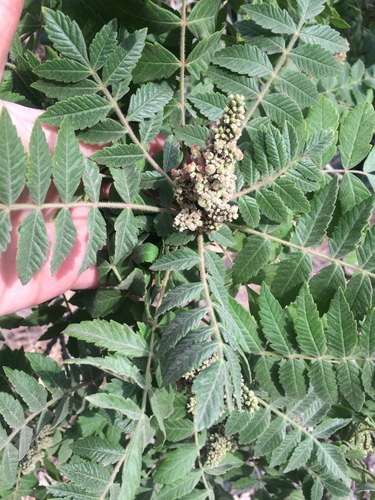
Sumac
Rhus coriaria
In a double-blind trial of 45 overweight people with non-alcoholic fatty liver disease, 3 g a day of sumac for 8 weeks with a balanced diet produced no significant difference from placebo.
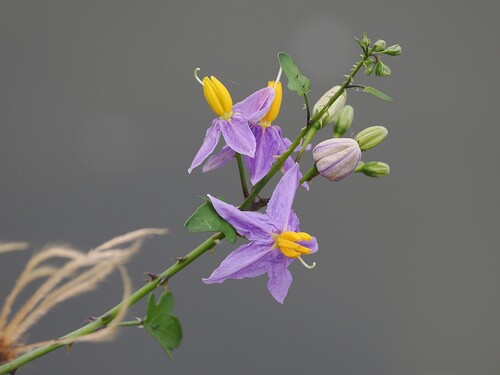
Thoothuvalai
Solanum trilobatum
Extracts reduced liver-enzyme rises and oxidative damage caused by carbon tetrachloride or thioacetamide in rats. No human studies.
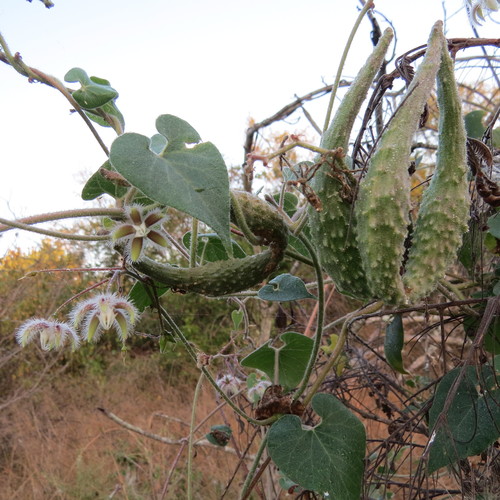
Trellis vine
Pergularia daemia
Used in folk medicine for liver disorders. An ethanol extract of the aerial parts (200 mg/kg by mouth) lowered liver-enzyme rises caused by carbon tetrachloride in rats. Animal work only.
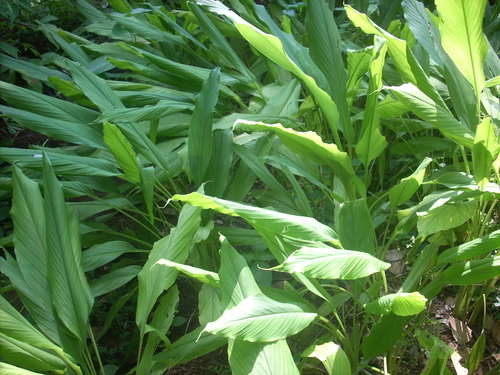
Turmeric
Curcuma longa
Early trials in non-alcoholic fatty liver disease suggest some measures improve, but NCCIH notes it is unclear which ones improve consistently. Paradoxically, concentrated products can injure the liver.
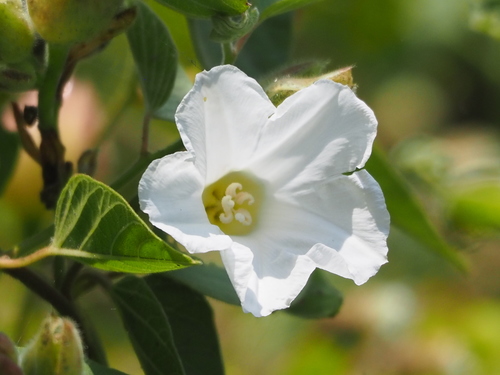
Turpeth
Operculina turpethum
Used in Ayurveda for jaundice and liver disorders. A root extract (75–200 mg/kg by mouth) reduced liver fibrosis and enzyme rises caused by N-nitrosodimethylamine in rats, and saponins from the aerial parts protected human liver cells in culture. No human studies.
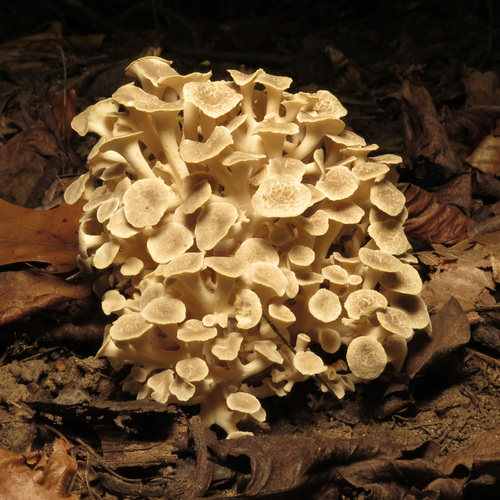
Umbrella polypore
Polyporus umbellatus
Polysaccharide capsules and injections, approved in China since about 1990, are used for chronic hepatitis B. A review of more than 100 Chinese publications (11,703 cases) called the effect convincing, but the studies were mostly uncontrolled reports; in one series of 156 patients, HBeAg became negative in 29–45% after 3 months.

Vietnamese sophora
Sophora tonkinensis
Used in Chinese clinics for viral hepatitis and jaundice, and its alkaloids inhibited hepatitis B virus in the laboratory. Paradoxically the root and its alkaloids matrine and oxymatrine are themselves liver-toxic in mice, and abnormal liver tests have been reported in patients.
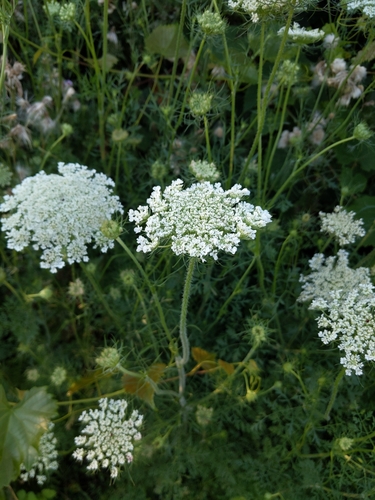
Wild carrot
Daucus carota
A methanol seed extract (200–400 mg/kg) reduced liver-enzyme rises and oxidative damage from thioacetamide in rats. Animal work only.
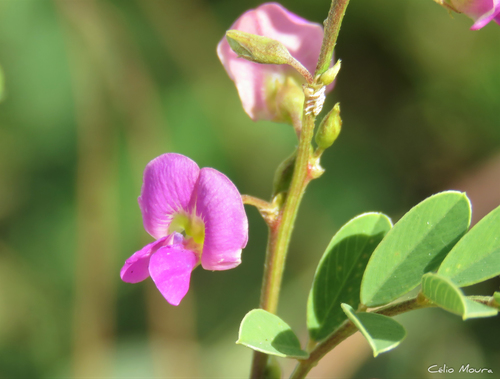
Wild indigo
Tephrosia purpurea
Used in Ayurveda for liver, spleen and kidney disorders and an ingredient of liver preparations such as Tephroli and Yakrifit. An aqueous-ethanol extract of the aerial parts (500 mg/kg) cut liver-enzyme rises from thioacetamide by roughly a third to a half in rats. No human trials.
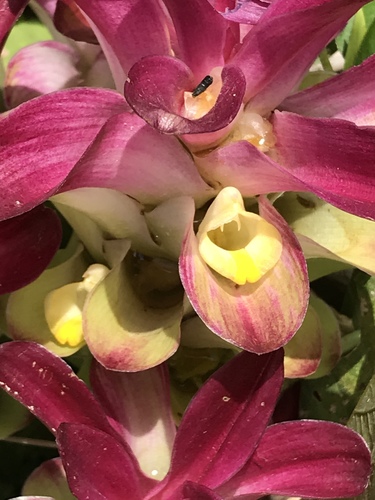
Zedoary
Curcuma zedoaria
In a single-blind trial in 68 patients with mild to moderate non-alcoholic fatty liver disease (50 analysed), zedoary powder (500 mg twice daily for 60 days) eased dyspepsia, malaise, loss of appetite and right-sided ache more than vitamin E, with no drug-related adverse events reported. A single small, single-blind trial against an active comparator; not yet replicated.
Traditional use
TraditionalLong recorded use, essentially untested in clinical trials.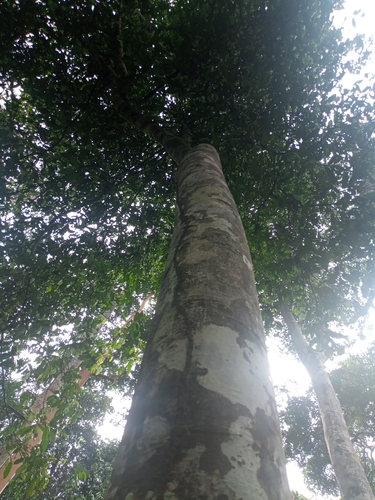
African yellow wood
Annickia chlorantha
Bark and root decoctions are traditional remedies for jaundice, infective hepatitis and other liver disorders. A protoberberine-containing extract (Hepasor) and stem-bark extracts were hepatoprotective in animal studies.
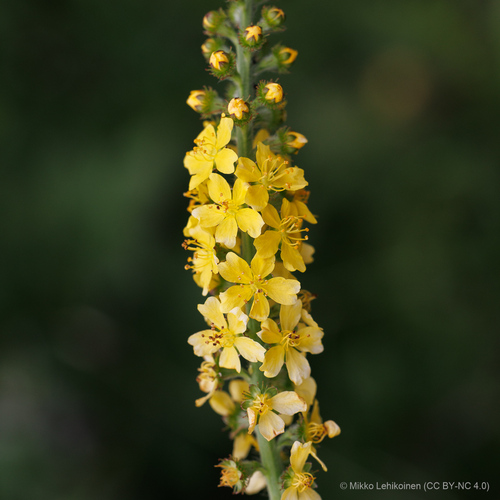
Agrimony
Agrimonia eupatoria
Older English herbals recommended it for jaundice and liver complaints; this is not part of the EU indications and has not been tested.
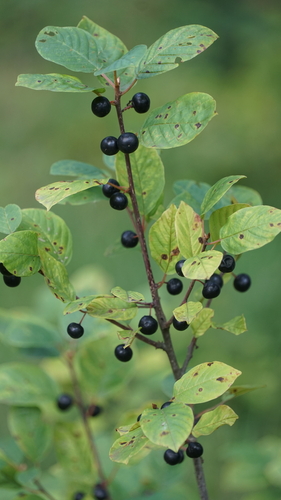
Alder buckthorn
Frangula alnus
Because it purges, German herbal tradition also used it for diseases of the liver, gallbladder and spleen (Madaus, 1938; Fischer, 1966). There is no clinical support for this.

Ammoniac
Dorema ammoniacum
In Islamic traditional medicine a liniment of the gum with vinegar, applied over the liver and spleen or taken by mouth, was used for hepatitis, hardening of the liver and spleen and liver obstructions.
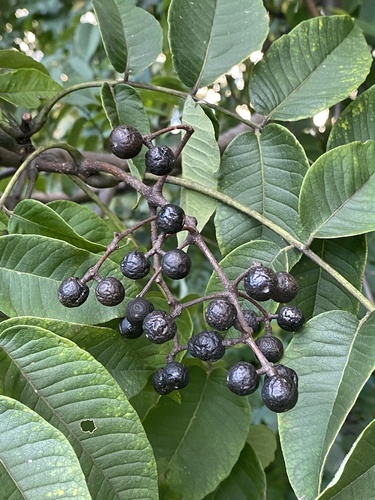
Amur cork tree
Phellodendron amurense
Jaundice is among its uses from the Shennong Bencao Jing onward, and WHO records traditional use for jaundice. Not clinically tested.
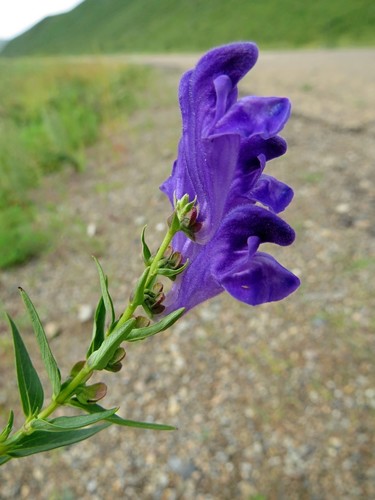
Baikal skullcap
Scutellaria baicalensis
Pharmacopoeias list jaundice, and the root is widely used in China for liver disease. Protection against chemical liver damage has been shown only in rats; paradoxically, the root itself can occasionally cause liver injury (see safety).
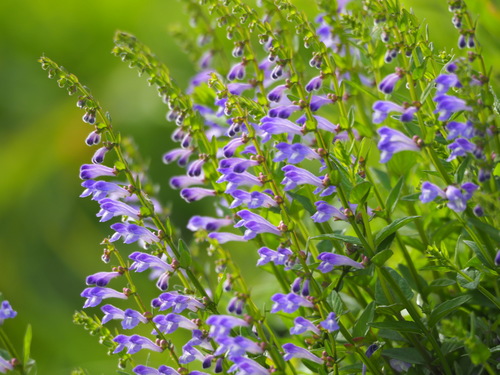
Barbed skullcap
Scutellaria barbata
Used in TCM for hepatitis and for ascites due to cirrhosis, and with Hedyotis diffusa for liver cancer; evidence for the pair is preclinical.

Barberry
Berberis vulgaris
WHO lists traditional use as a cholagogue (to promote bile flow), and the English folk name 'jaundice-berry' records its use for jaundice. No clinical trials.
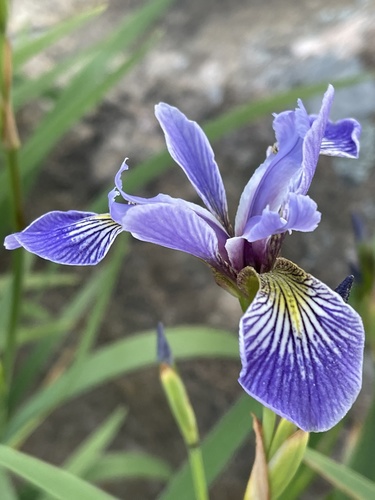
Blue flag
Iris versicolor
Cree used it to increase the flow of bile; Delaware healers used the root for liver disorders and, with wild hydrangea root, for gallstones.
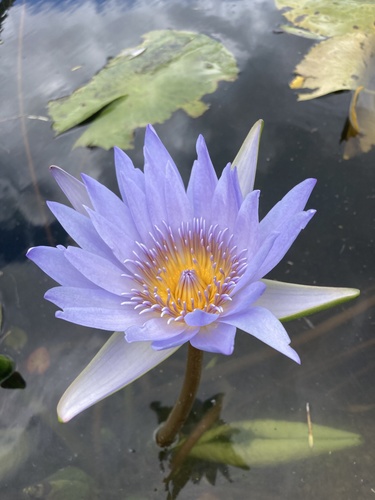
Blue water lily
Nymphaea nouchali
Listed in Ayurveda and Siddha for liver disorders.
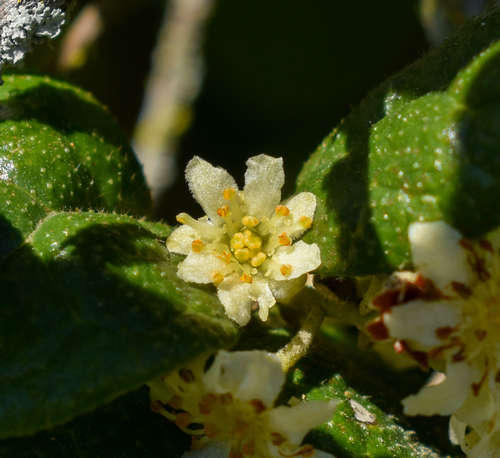
Boldo
Peumus boldus
Used in South America and in 19th–20th-century European pharmacopoeias as a 'liver stimulant'. There are no human trials, and case reports describe liver injury (hepatitis with jaundice) after repeated boldo tea.
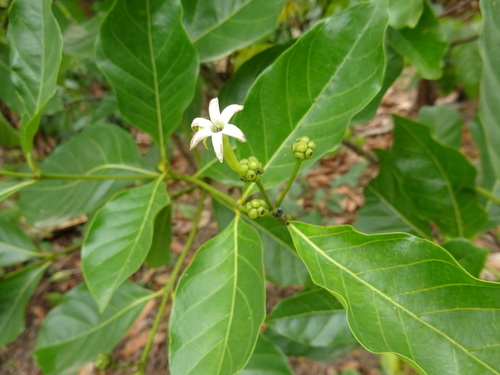
Brimstone tree
Morinda lucida
Used for jaundice in Lagos and southwestern Nigeria.
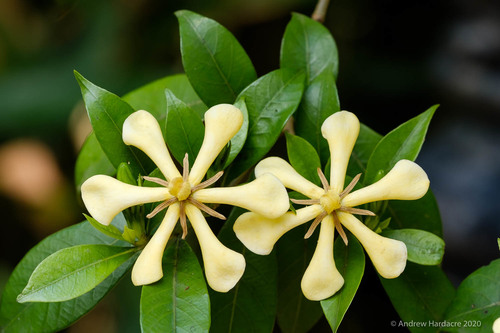
Cape jasmine
Gardenia jasminoides
In Traditional Chinese Medicine the fruit is combined with other herbs to treat jaundice and fever in 'damp-heat' patterns, for example in Yinchenhao decoction; laboratory and animal work describes liver- and gallbladder-protective effects, but clinical trials of the herb are lacking.
Carry-me-seed
Phyllanthus amarus
Jaundice is its main use in Ayurveda (kamalahara, 'removes jaundice') and among Tamil and Maharashtra communities; it is included in many Indian herbal liver formulations. Liver-protective effects are shown in animals and cell studies.
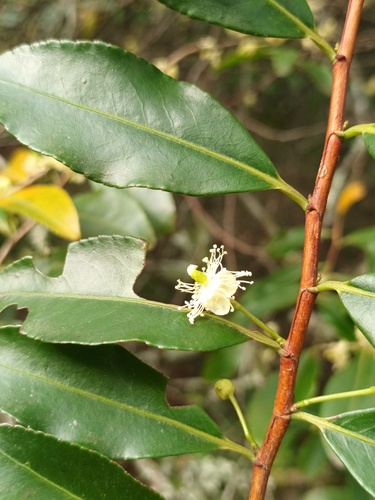
Change tree
Aphloia theiformis
Used for jaundice.
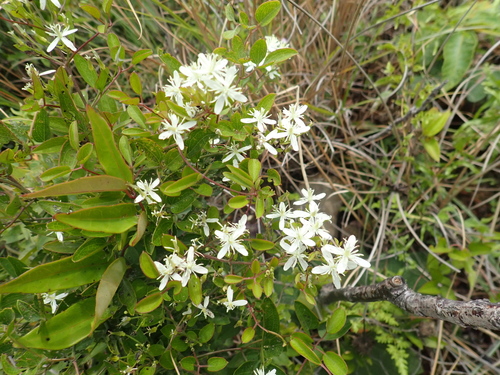
Chinese clematis
Clematis chinensis
Used for jaundice in Maonan folk medicine.

Cogongrass
Imperata cylindrica
Used for jaundice in Chinese medicine (damp-heat jaundice) and in Indian folk medicine.

Common orange lichen
Xanthoria parietina
Boiled with milk to treat jaundice in early modern Europe, chosen for its yellow colour under the doctrine of signatures. There is no evidence it works.
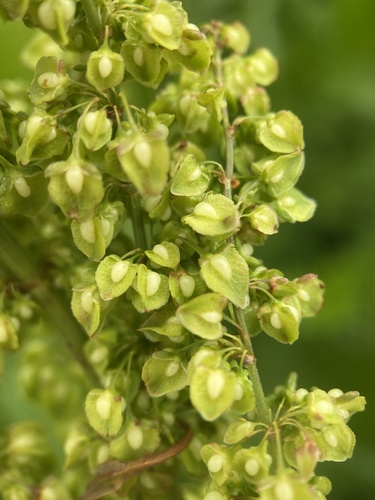
Curled dock
Rumex crispus
Delaware people used the root for jaundice, and Shoshone people for liver complaints; a 2022 paper also records its medicinal use for jaundice and related liver diseases. A dichloromethane root extract inhibited the growth of liver cancer cells (HepG2) in the lab. There are no human data.
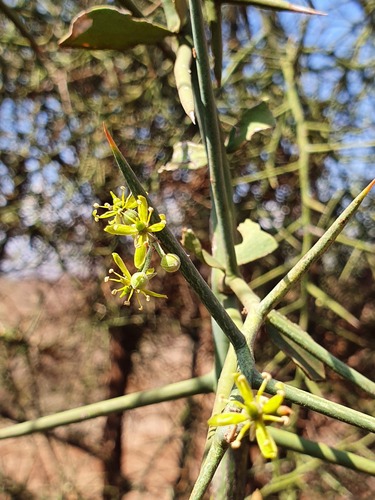
Desert date
Balanites aegyptiaca
Fruit-pulp maceration is taken for jaundice in North Darfur.

Durian
Durio zibethinus
Leaves were used in medicinal baths for people with jaundice. No clinical evidence.
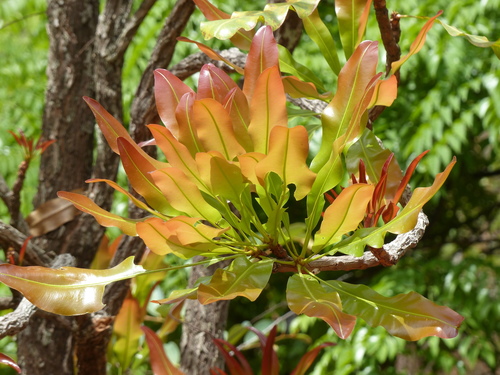
Dwarf red ironwood
Lophira lanceolata
Listed in African folk medicine for liver infections, and the root bark is used in Cameroon for yellow fever. Not tested clinically.
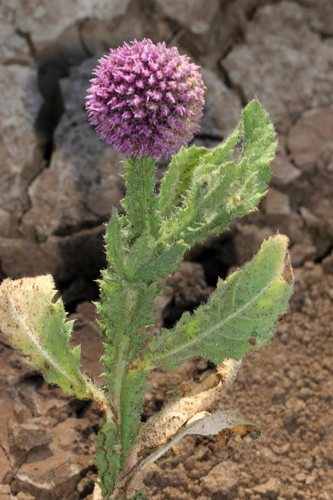
East Indian globe thistle
Sphaeranthus indicus
Powdered dried leaves are recorded for jaundice, and extracts are believed to help gastric and liver disorders (older Indian sources cited in a 2021 study). No clinical testing found.

False abura
Mitragyna inermis
One of the plants most often included in multi-plant recipes by traditional healers in Burkina Faso for liver disease, chiefly the leaves and roots.
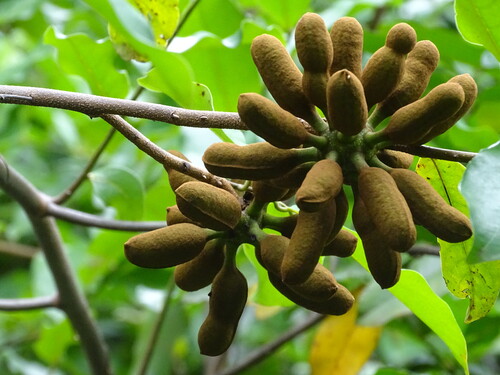
Finger root
Uvaria chamae
The root, crushed and boiled in water or palm wine, or soaked in soda water, is recorded as a jaundice remedy in Nigeria and Brazil. Jaundice can signal serious liver or blood disease and needs medical diagnosis.
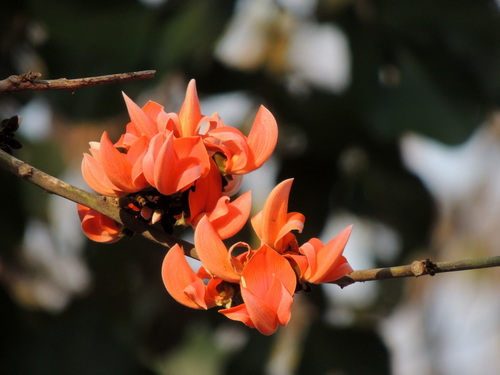
Flame of the forest
Butea monosperma
Sri Lankan traditional medicine uses the flowers for liver disorders. Not tested in people.
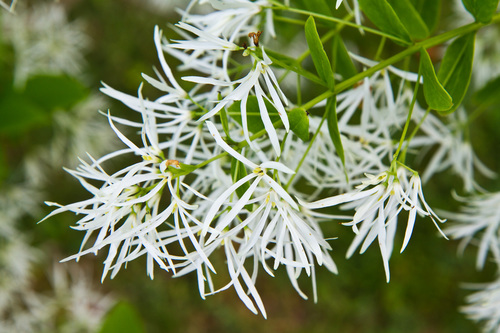
Fringe tree
Chionanthus virginicus
King's American Dispensatory (1898) says the remedy has 'a decidedly specific action in jaundice'. It also recommends it for liver enlargement, chronic hepatic inflammation and portal congestion. Homeopathic preparations of the root bark are used for icterus and hepatitis. No clinical trials were found.
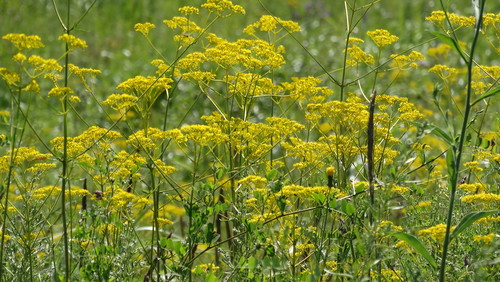
Golden lace
Patrinia scabiosifolia
The 1977 Chinese Pharmacopoeia and provincial standards list hepatitis; in Zhuang medicine the root is used for jaundice (icteric hepatitis).
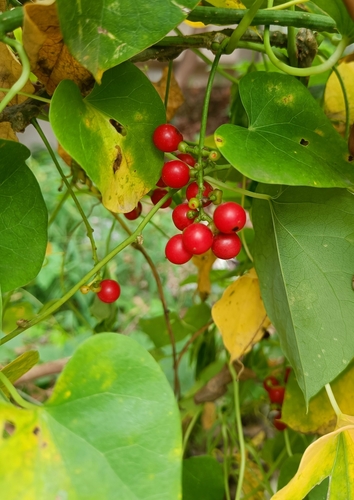
Guduchi (Giloy)
Tinospora cordifolia
Used for liver diseases and hepatoprotective in animal studies, yet in people it is a recognised cause of acute, often autoimmune-like, hepatitis.
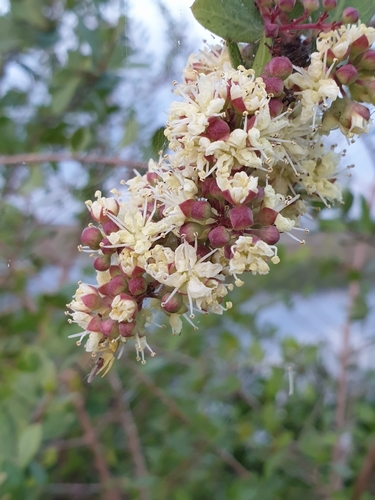
Henna
Lawsonia inermis
The Charaka and Sushruta Samhitas list henna for jaundice, and the bark is used for jaundice and enlarged liver and spleen; extracts protected rat livers from chemical injury, but there are no human studies.
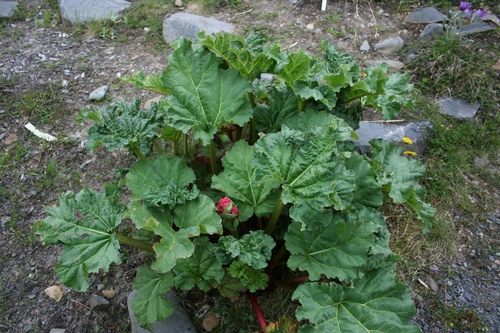
Himalayan rhubarb
Rheum australe
Herbal practitioners in Multan, Pakistan, use the dried bark powder as Revand chini for jaundice, and it is used for liver ailments in Chinese folk medicine. Extracts protected rat liver cells from carbon-tetrachloride injury; no human data.
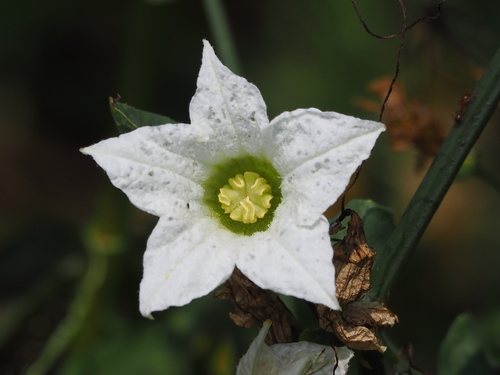
Ivy gourd
Coccinia grandis
Leaves used for jaundice; hepatoprotective effects have been reported only in laboratory and animal studies.
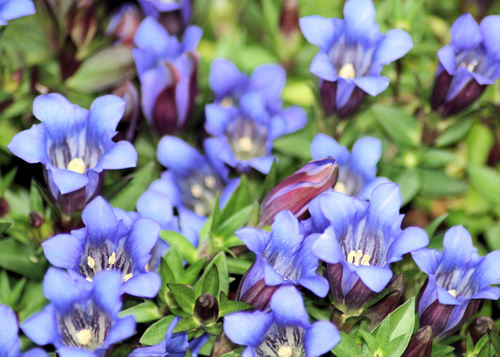
Japanese gentian
Gentiana scabra
Listed in pharmacopoeias for symptomatic treatment of liver disorders; extracts and gentiopicroside protected rodent livers against chemical injury. No human data.
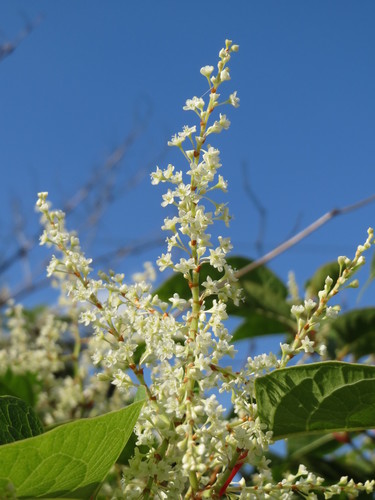
Japanese knotweed
Reynoutria japonica
Prescribed in TCM for hepatitis and jaundice and used as a hepatoprotective and bile-promoting drug, based on animal studies; ironically, it has itself been implicated in drug-induced liver injury.

Jelly ear (wood ear)
Auricularia auricula-judae
Irish folk records describe boiling it in milk to treat jaundice.
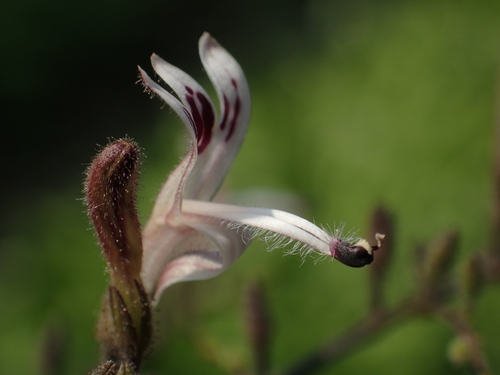
Kalmegh
Andrographis paniculata
A main ingredient of at least 26 Ayurvedic formulations for liver disorders; WHO lists hepatitis among pharmacopoeial uses. No good clinical trials.
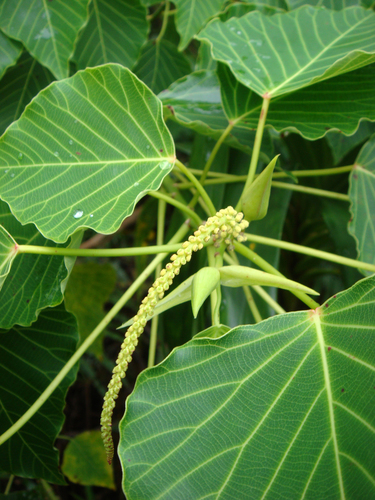
Mamala
Homalanthus nutans
Samoan healers on Savai'i use infusions of the stem bark to treat hepatitis; this use has not been tested clinically.
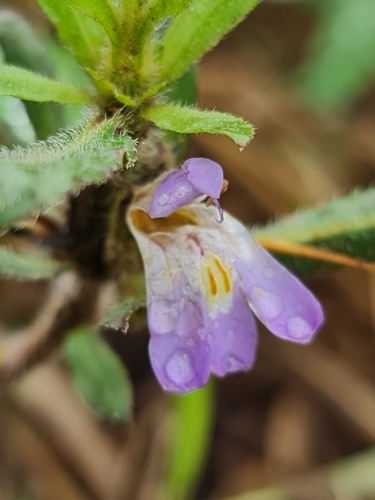
Marsh barbel
Hygrophila auriculata
Used for jaundice: the Tripuri people of north-east India drink a hot-water infusion of the dried root. Hepatoprotective effects are reported in animal studies.
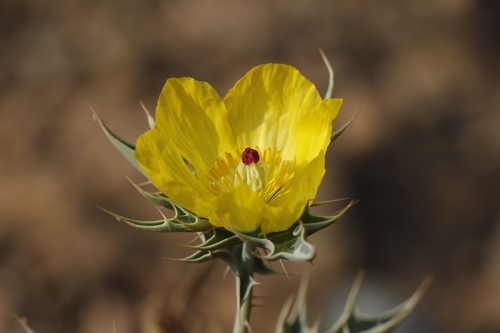
Mexican prickly poppy
Argemone mexicana
Listed among traditional uses for jaundice; not clinically tested.
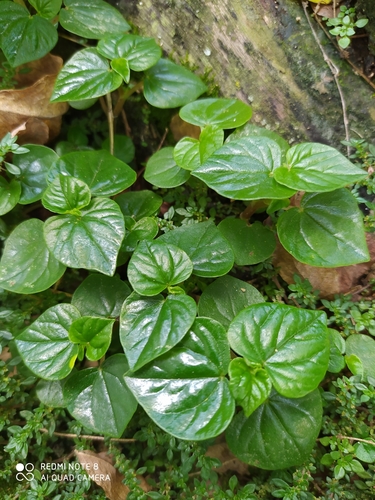
Shiny bush
Peperomia pellucida
Recorded among plants used for jaundice by communities in Morigaon District, Assam, India. No clinical evidence.
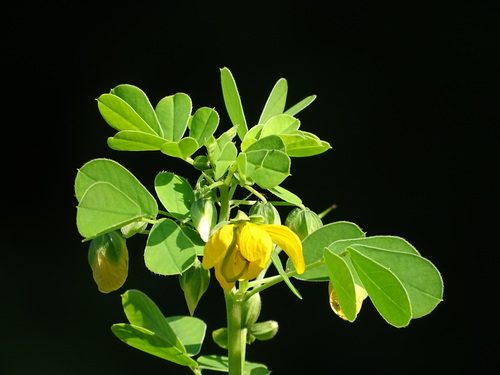
Sickle senna
Senna tora
Used in Chinese medicine as a liver-protecting medicine; animal studies point both ways, since major anthraquinones such as aurantio-obtusin have also caused liver toxicity in rats.
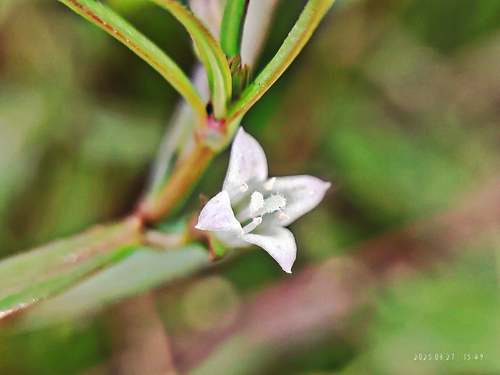
Spreading hedyotis
Scleromitrion diffusum
Used in China for hepatitis; often paired with Scutellaria barbata for liver cancer. Evidence is preclinical only.
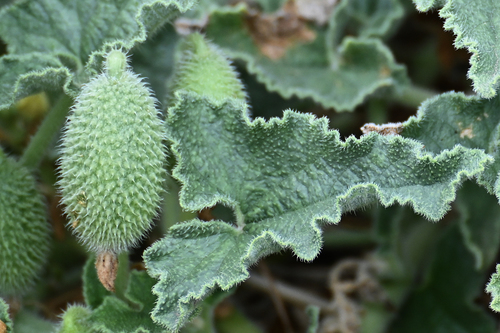
Squirting cucumber
Ecballium elaterium
Recorded in Tunisian, Algerian and Turkish traditional medicine for jaundice and liver disorders. Paradoxically, a 2015 case report describes acute cholestatic hepatitis after drinking it.
Evidence against
AgainstGood trials found no benefit.
Fo-ti
Reynoutria multiflora
Not a liver remedy: it is reported to cause inflammation-associated, idiosyncratic liver injury. In a prospective study of 72 outpatients taking it for 4 weeks, asymptomatic liver-enzyme rises occurred in 37.5% of HLA-B*35:01 carriers versus 4.7% of non-carriers.
Milk thistle
Silybum marianum
In chronic hepatitis C that had not responded to interferon, a US multicentre placebo-controlled trial (SyNCH, 154 people) found that silymarin at 420 or 700 mg three times daily did not lower liver enzymes more than placebo.