The Apothecary / Kidneys & bladder
Kidney disease
30 remedies
See a doctor if
Kidney disease needs medical care. Many herbs are cleared by the kidneys or can damage them (aristolochic acid causes kidney failure); never add herbs without your kidney team.
Reference, not prescription. Nothing here is medical advice. Herbs can interact with medicines and be dangerous in pregnancy; tell your doctor or pharmacist about anything you take.
Limited evidence
LimitedSmall or few trials, mixed results, or mainly lab and animal work.
Caterpillar fungus
Ophiocordyceps sinensis
A 2014 Cochrane review of 22 trials (1,746 people) found cordyceps preparations added to conventional treatment lowered serum creatinine and proteinuria and raised creatinine clearance, but the trials were low quality and no firm conclusion was possible.

Chaya
Cnidoscolus chayamansa
Leaf extract (100–200 mg/kg) largely prevented the rise in urea and creatinine and the kidney damage caused by long-term alcohol in rats. No human data were found.
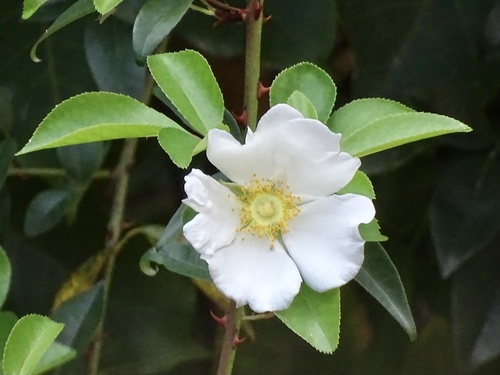
Cherokee rose
Rosa laevigata
Fruit extracts protected the kidneys in diabetic rats, and total flavonoids from the fruit reduced creatinine, urea and oxidative damage in rats with kidney ischaemia-reperfusion injury.

Cogongrass
Imperata cylindrica
A decoction reduced blood and protein in the urine in a rat model of IgA nephropathy, and the triterpenoid cylindrin reduced kidney fibrosis in mice. No human trials were found.
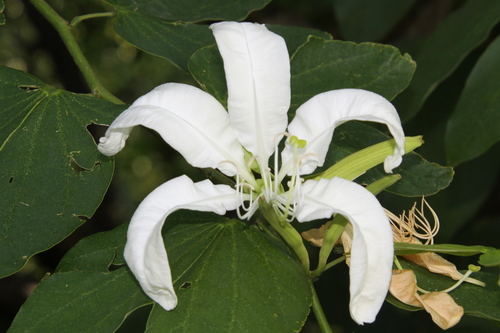
Cow's foot
Bauhinia forficata
Brazilian folk medicine uses the leaves as a diuretic and for kidney disorders. Leaf extracts and the flavonoids kaempferitrin and afzelin increased urine output in rats; there are no human studies.
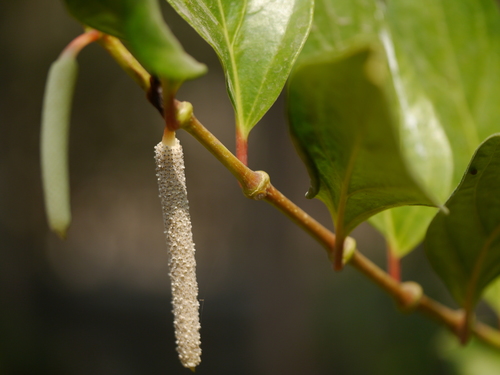
Cubeb
Piper cubeba
A single case report described a man with hypertensive chronic kidney disease whose creatinine and urea improved after 4 g a day of cubeb capsules for 6 weeks. One uncontrolled case cannot show an effect; earlier animal studies report nephroprotective activity.
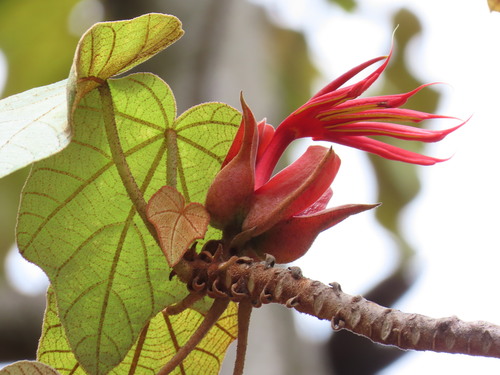
Devil's hand tree
Chiranthodendron pentadactylon
A flower infusion is used for kidney failure associated with diabetes. In diabetic rats given flower extract for six weeks, kidney oxidative-stress markers and kidney function measures improved, but blood glucose did not.

Giant dodder
Cuscuta reflexa
Used traditionally for kidney problems. The same extract reduced gentamicin-induced kidney damage markers in rats. Animal data only.
Gum arabic
Senegalia senegal
Many rat studies show protection against induced kidney damage, and small human studies report falls in urea, creatinine, phosphate and inflammatory markers in dialysis and chronic kidney disease patients. A 2024 review judged the human trials small, short and partly uncontrolled, and the evidence not yet robust enough to recommend it.

Indian kudzu
Pueraria tuberosa
Tuber extracts protected against drug-, chemical- and diabetes-induced kidney damage in rats and mice; no human data.
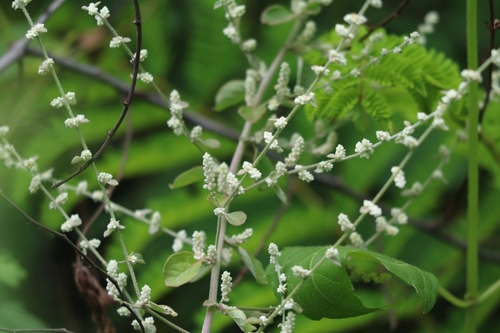
Mountain knotgrass
Aerva lanata
An ethanol extract (75–300 mg/kg) reduced blood urea and creatinine in rats with cisplatin- or gentamicin-induced kidney injury. In a four-patient Siddha case series on early diabetic nephropathy, Sirupeelai kudineer was followed by lower urea and creatinine and no reported adverse events. There was no control group. A Sri Lankan rat study found the herb damaged kidney-tubule cells (see safety).

Orient vine
Sinomenium acutum
Used in China for chronic nephritis and to reduce proteinuria; the evidence comes from small trials, and the case of severe agranulocytosis below occurred in a patient treated for kidney disease.
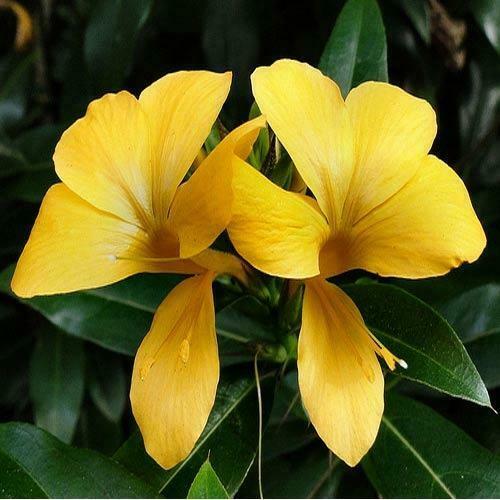
Porcupine flower
Barleria prionitis
Described as a common traditional remedy for kidney disease. In rats, extracts given at doses scaled from the Ayurvedic human dose reduced kidney injury caused by doxorubicin.
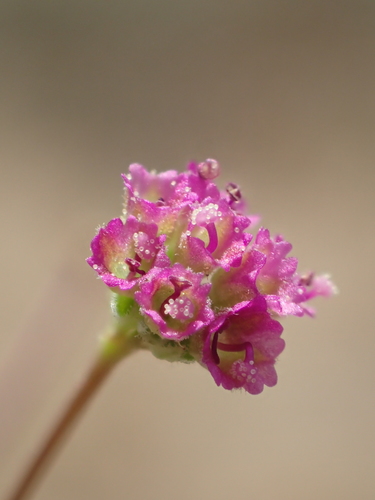
Punarnava
Boerhavia diffusa
Listed in the Ayurvedic Pharmacopoeia of India and used as a nephroprotective herb (e.g. in Punarnavadi kvatha); root extracts protected rat kidneys from cisplatin and methotrexate injury. In a 6-month clinical study of 25 patients with diabetic nephropathy, B. diffusa did not significantly reduce urinary protein, whereas ramipril did.
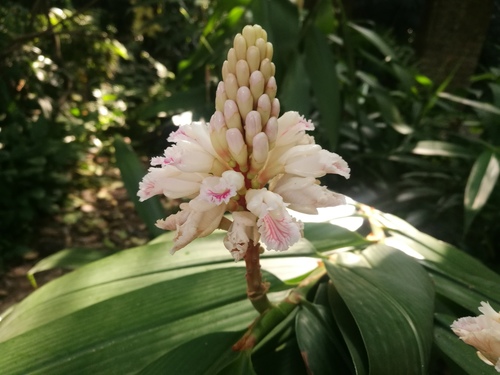
Sharp-leaf galangal
Alpinia oxyphylla
Extracts lowered blood glucose and reduced kidney damage in diabetic mice; it is being studied for diabetic kidney disease, but only in animals.
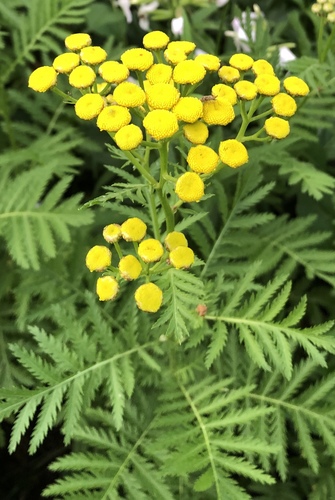
Tansy
Tanacetum vulgare
The Malecite and Micmac used the leaves for kidney trouble, and Moroccan traditional medicine uses them as a diuretic. In rats a water extract of the leaves (100 mg/kg by mouth) increased urine output to about the same 24-hour volume as furosemide. No human data.
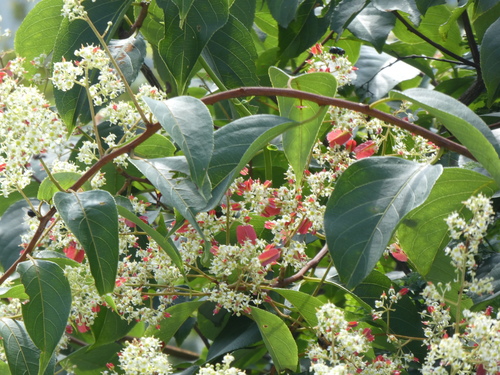
Thunder god vine
Tripterygium wilfordii
Meta-analyses of Chinese trials report benefit in membranous nephropathy and other kidney diseases (raised remission rates, lower proteinuria), but most included trials were at high risk of bias.
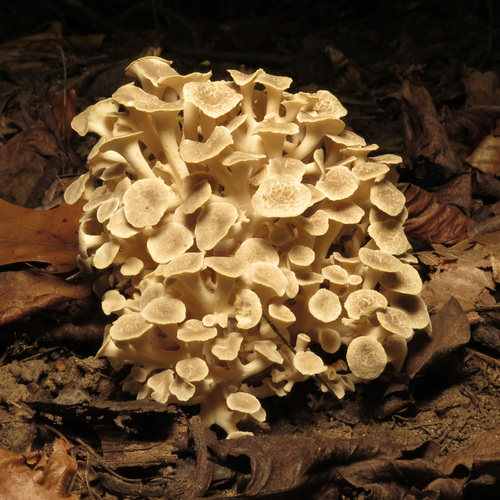
Umbrella polypore
Polyporus umbellatus
Long used in Chinese medicine for urinary and kidney disorders; reviews report kidney-protective effects in animal models only, with no controlled human trials.
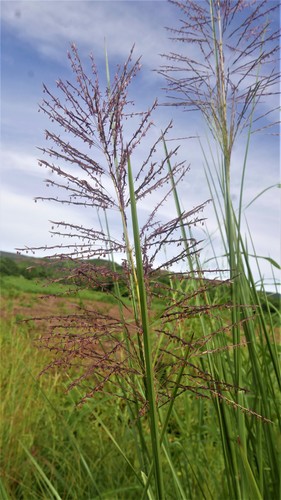
Vetiver
Chrysopogon zizanioides
A standardised aqueous root extract (25–100 mg/kg) reduced kidney damage from doxorubicin in rats. Animal work only.
Traditional use
TraditionalLong recorded use, essentially untested in clinical trials.
Cleavers
Galium aparine
Ojibwa, Micmac and Penobscot people used it for 'kidney trouble'. It is a traditional diuretic in sources cited by Beirami et al. No clinical studies were found.
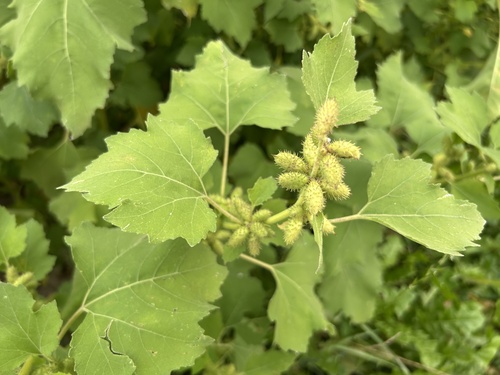
Cocklebur
Xanthium strumarium
Recorded Indigenous North American uses include the plant for diseased kidneys (Mahuna) and a decoction of the seeds for bladder ailments (Costanoan). The seeds are the most toxic part.
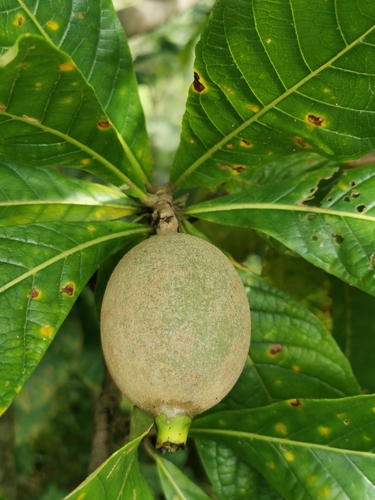
Genipap
Genipa americana
Brazilian ethnobotanical surveys repeatedly record the fruit, bark and other parts as diuretics and for kidney disorders. Not tested clinically.
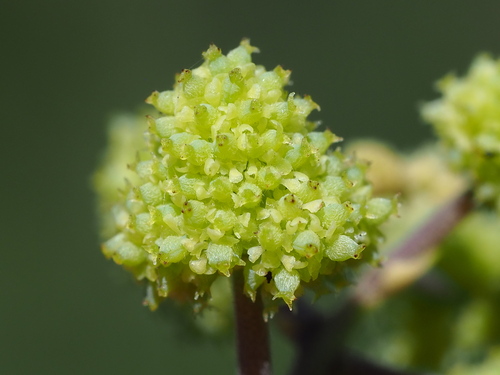
Han fang ji
Stephania tetrandra
Because of its diuretic action it is widely used in Chinese formulas for chronic kidney disease, including diabetic kidney disease; supporting evidence is from animal and cell studies.
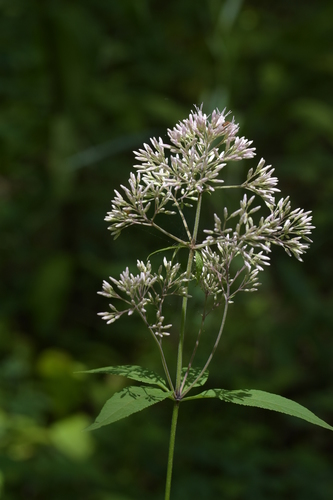
Joe-Pye weed
Eutrochium purpureum
Cherokee healers used a root infusion for kidney trouble and a compound root decoction for difficult urination; the Menominee used the plant for diseases of the genito-urinary canal. No clinical studies were found.
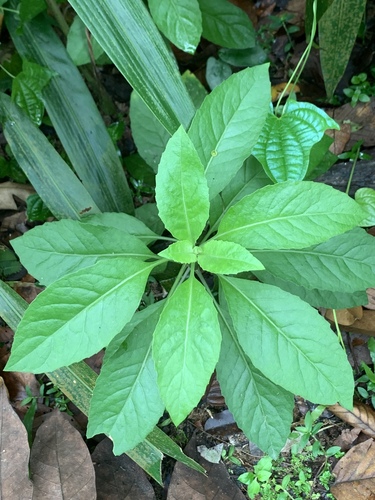
Longevity spinach
Gynura procumbens
In Indonesia the plant is widely used for kidney (renal) dysfunction; rat studies found leaf-extract formulations protected liver and kidneys from cisplatin damage.

Oregon grape
Berberis aquifolium
Okanagan-Colville took a root decoction, with chokecherry or kinnikinnick, for 'bad kidneys'.
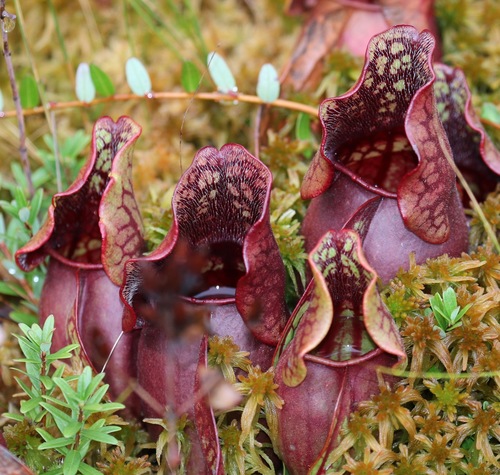
Purple pitcher plant
Sarracenia purpurea
The Algonquin, Mi'kmaq and Penobscot used the roots or plant for urinary difficulties and kidney trouble; Tete-de-Boule Algonquin used the roots as a diuretic. Nineteenth-century observers noted increased urine in people who drank it.
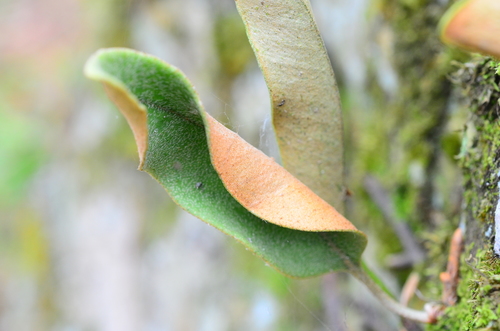
Tongue fern
Pyrrosia lingua
Small-leaved shi wei from P. lingua or P. petiolosa is traditionally used for nephritis, and shi wei is also used for blood in the urine.
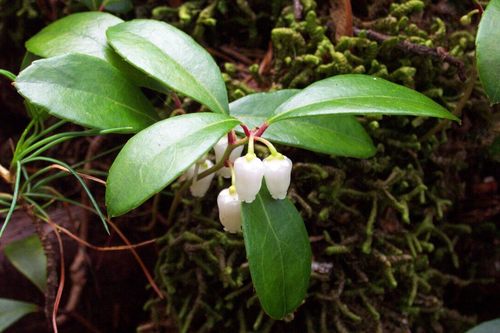
Wintergreen
Gaultheria procumbens
Delaware, Mohegan and Iroquois used infusions or compound decoctions of the plant as kidney medicine.
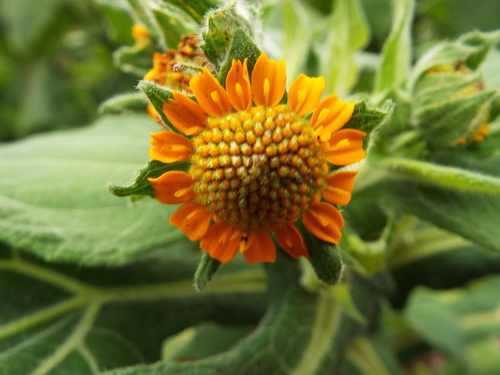
Yacón
Smallanthus sonchifolius
In Peruvian folk medicine the tubers are used for kidney problems; not tested.