The Apothecary / Kidneys & bladder
Urinary tract infections
69 remedies
See a doctor if
Fever, back pain, blood in urine, or any UTI in men, children or pregnancy.
Reference, not prescription. Nothing here is medical advice. Herbs can interact with medicines and be dangerous in pregnancy; tell your doctor or pharmacist about anything you take.
Strong evidence
StrongAn approved medicine, or consistent good-quality trials and reviews.
Moderate evidence
ModerateSeveral trials, mostly positive, or an EMA ‘well-established use’ monograph.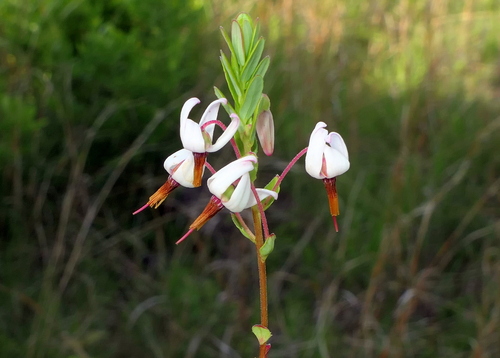
Cranberry
Vaccinium macrocarpon
Prevention only. The 2023 Cochrane review (50 trials, 8,857 people) found, with moderate certainty, that cranberry products reduced symptomatic, culture-confirmed UTIs overall (risk ratio 0.70). Benefit was seen in women with recurrent UTIs (RR 0.74), children (RR 0.46) and people at risk after a medical intervention (RR 0.47), but little or none in elderly institutionalised people, pregnant women or adults with neurogenic bladder. Compared with preventive antibiotics, it may make little or no difference. NCCIH stresses that cranberry is not a treatment for an existing UTI.
Nasturtium
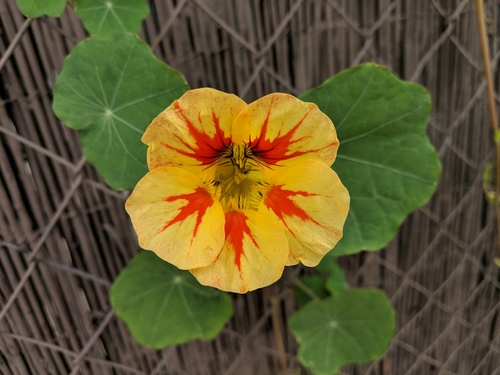
Tropaeolum majus
Nasturtium–horseradish tablets: in a phase III double-blind RCT of 217 women with recurrent cystitis, six months of prophylaxis cut the risk of recurrence by 36% versus placebo (HR 0.64; 36% vs 48% recurred by day 180), with adverse events similar to placebo. A smaller trial against co-trimoxazole for acute cystitis was stopped early and could not show non-inferiority. A 2022 systematic review found the phytotherapy evidence for recurrent cystitis too heterogeneous for firm recommendations.
Limited evidence
LimitedSmall or few trials, mixed results, or mainly lab and animal work.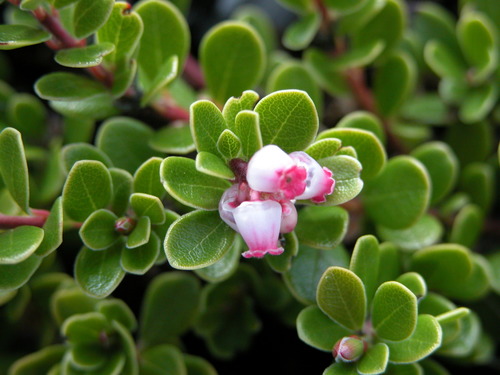
Bearberry
Arctostaphylos uva-ursi
EMA accepts traditional use for symptoms of mild recurrent lower urinary tract infections in adult women, after a doctor has excluded serious conditions, while noting no clinical studies of bearberry alone. A 2021 German double-blind trial in 398 women with uncomplicated cystitis compared bearberry extract (arbutin 105 mg, 2 tablets 3 times daily for 5 days) with a single dose of fosfomycin: antibiotic courses fell by 63.6%, but symptom burden was 36.5% higher and failed non-inferiority, and 8 women developed pyelonephritis on bearberry against 2 on fosfomycin.
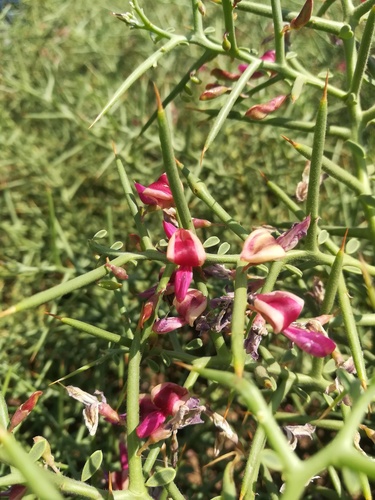
Camelthorn
Alhagi maurorum
Used for dysuria and urinary tract disorders; in catheterised mice an ethanol extract given for 7 days before infection lowered Proteus mirabilis counts in the kidneys.
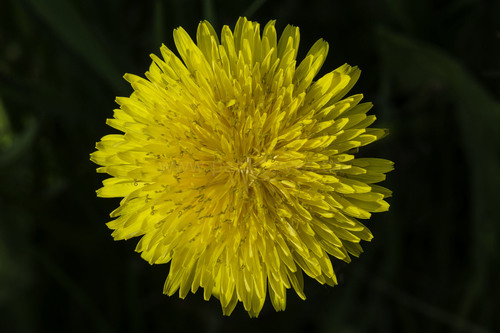
Dandelion
Taraxacum officinale
EMA traditional use to increase urine flow as an adjuvant in minor urinary complaints. A pilot study in 17 volunteers found a leaf extract increased urination frequency over the following hours; there are no larger trials.
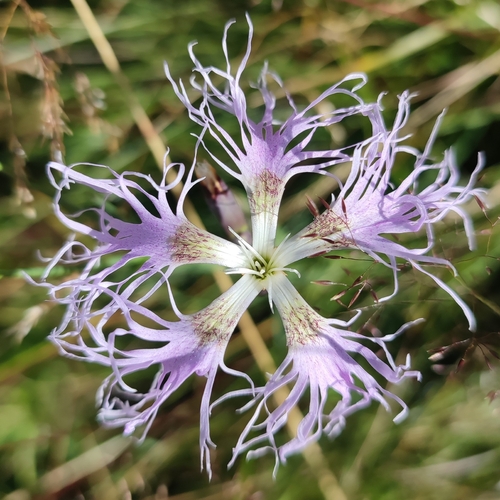
Fringed pink
Dianthus superbus
Qumai is traditionally used as a diuretic to relieve painful urination and for urinary tract infection. In a randomised trial in 122 women with recurrent UTI, Bazheng powder, a ten-ingredient formula containing 10 g D. superbus, gave clinical cure and recurrence rates similar to antibiotics, though antibiotics relieved symptoms better. The herb's own contribution cannot be separated from the formula's.

Heather
Calluna vulgaris
Used for urinary-tract infections in traditional medicine and as a tea for kidney and urinary-tract complaints in Austria. An aqueous extract inhibited E. coli, Enterococcus faecalis and especially Proteus vulgaris in vitro (MIC 2.5–20 mg/ml); there are no clinical studies.

Horseradish
Armoracia rusticana
In a manufacturer-sponsored phase III double-blind trial in 217 women with recurrent cystitis, the nasturtium–horseradish combination taken for six months gave a first-recurrence rate of 36% versus 48% on placebo (hazard ratio 0.64). A manufacturer-funded German database cohort also linked it to fewer early relapses than antibiotics. These test the combination, not horseradish alone.
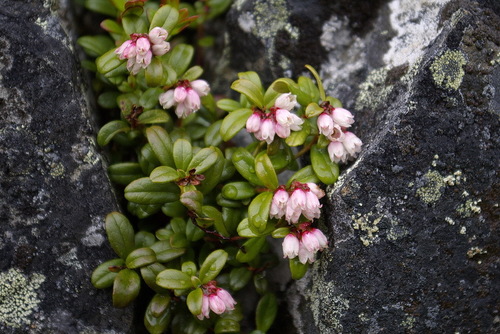
Lingonberry
Vaccinium vitis-idaea
In an open randomised trial in 150 Finnish women with E. coli bladder infection, 50 ml/day of cranberry-lingonberry juice concentrate for 6 months cut recurrences at 6 months from 36% (no treatment) to 16%. A 2024 review notes there is no clinical evidence for lingonberry alone. The leaves are a folk remedy for urinary infections.
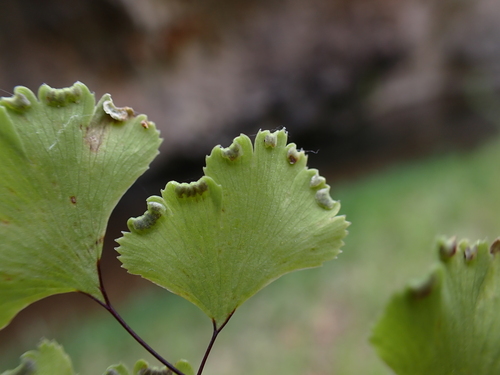
Maidenhair fern
Adiantum capillus-veneris
In a randomised trial in 66 women with uncomplicated UTI, a Unani powder of cucumber, bottle gourd, purslane, mallow and maidenhair, plus violet syrup, gave symptom relief and culture clearance similar to nitrofurantoin (82% vs 88% negative cultures). Small multi-herb study; the fern's own contribution is unknown.
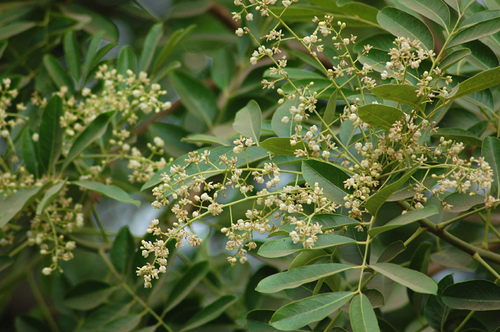
Senegal mahogany
Khaya senegalensis
Among the plants most cited for urinary tract infections in a Beninese survey. Bark extracts inhibited uropathogenic bacteria in vitro and a hydroethanolic extract increased urine output in rats; its pain-relieving effect in a rat cramp test was weak (22% inhibition).
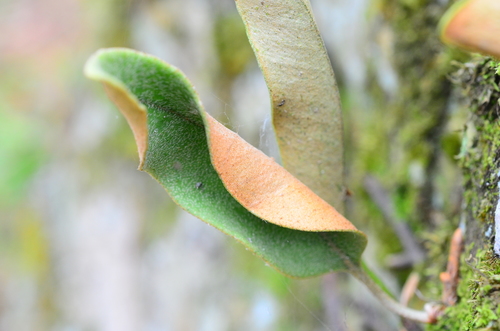
Tongue fern
Pyrrosia lingua
It is described as diuretic and 'strangury-relieving' and is used in China for urinary infections alongside antibiotics. In the laboratory, its caffeoylquinic acids (chlorogenic acid, sibiricose A5) combined with levofloxacin reduced biofilm formation by uropathogenic E. coli. These are laboratory data only.
Traditional use
TraditionalLong recorded use, essentially untested in clinical trials.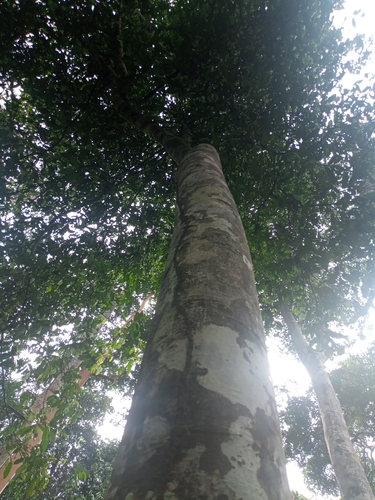
African yellow wood
Annickia chlorantha
Stem bark decoction is taken by mouth for urinary tract infections in West and Central African practice.
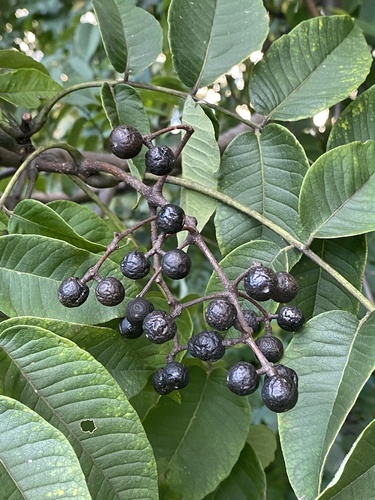
Amur cork tree
Phellodendron amurense
Listed for urinary tract infections in pharmacopoeias (WHO). The Chinese Pharmacopoeia uses it for painful, difficult urination from 'heat' and for urinary tract infection. No clinical trials of the bark.
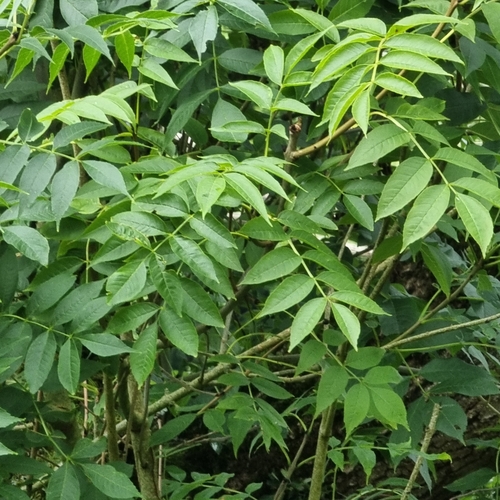
Ash
Fraxinus excelsior
EMA traditional use to increase urine flow and flush the urinary tract as an adjuvant in minor urinary complaints. EMA suggests the high mannitol content (about 16–29% of the leaf) may explain a mild diuretic effect; an aqueous Fraxinus excelsior extract increased urine and sodium excretion in rats.
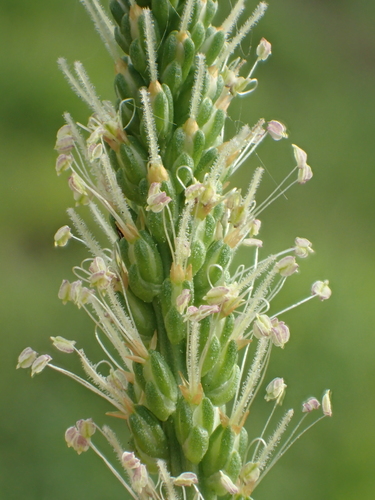
Asian plantain
Plantago asiatica
In Chinese medicine the seed is used for 'clearing heat and inducing diuresis for treating stranguria' (painful, difficult urination); the whole plant is described as diuretic and heat-clearing. Lab and animal studies report diuretic and anti-inflammatory effects; no controlled human trials were found.
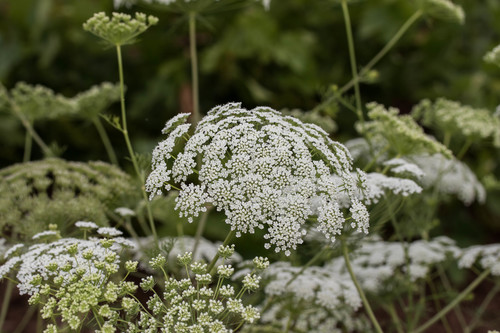
Bishop's weed
Ammi majus
Traditional use for urinary tract infections recorded by WHO; untested.

Black nightshade
Solanum nigrum
Used in Chinese medicine for urinary tract infections and poor urination, and as a diuretic with Alisma and Akebia for oedema.
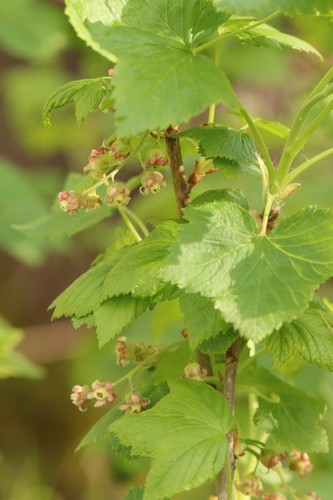
Blackcurrant
Ribes nigrum
EMA traditional use to increase urine and flush the urinary tract as an adjuvant in minor urinary complaints; not a treatment for infection. The diuretic effect is supported only by animal data and the leaf's high potassium-to-sodium ratio.
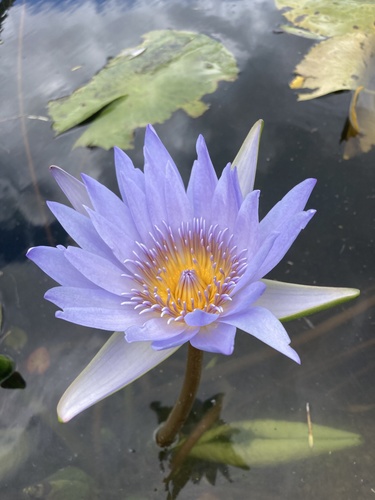
Blue water lily
Nymphaea nouchali
Ayurvedic and Siddha use for urinary disorders; seed and flower extracts inhibited several human pathogenic bacteria in vitro.

Buchu
Agathosma betulina
Its main traditional and 19th-century pharmacopoeial use, for kidney and urinary-tract infections and 'irritability of the bladder'. No clinical trials exist; in lab tests water and alcohol extracts and the essential oil were inactive against urinary pathogens, and only a solvent extract unlike any traditional preparation showed weak activity.
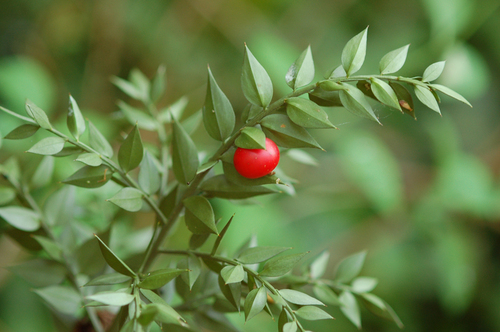
Butcher's broom
Ruscus aculeatus
Folk medicine has used the rhizome and root for urinary complaints and oedema; there is no clinical testing for this.
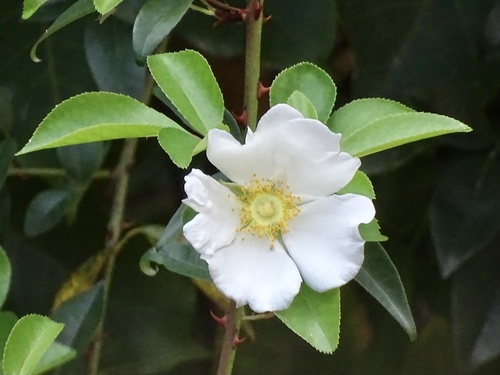
Cherokee rose
Rosa laevigata
Root is a main ingredient of Sanjin Tablets, a Chinese patent medicine indicated for acute and chronic pyelonephritis, cystitis and urinary tract infections; root extracts were antibacterial in vitro.
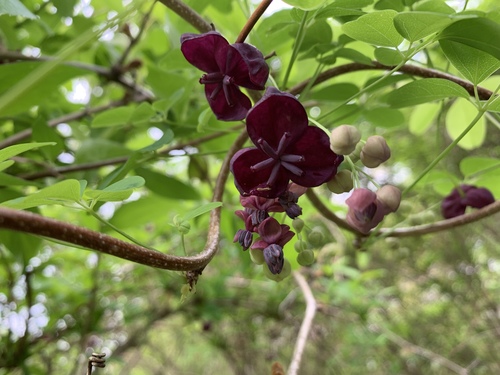
Chocolate vine
Akebia quinata
The stem has been used to treat urinary-tract inflammatory disease; it is a traditional diuretic. No clinical trials were found.

Clearing nut
Strychnos potatorum
In Indian folk practice a seed paste with tender coconut water is taken for urinary disorders and urine retention, and Ayurveda uses the seeds for strangury and urinary discharges.

Cogongrass
Imperata cylindrica
The Chinese Pharmacopoeia lists it for 'heat strangury with painful urination', and Ayurvedic texts (Sushruta) place Kusha among remedies for Mootrakruchchhra (painful urination). The Indian volunteer trial reported fewer pus cells and less albumin in the urine, but it did not test people with infections.
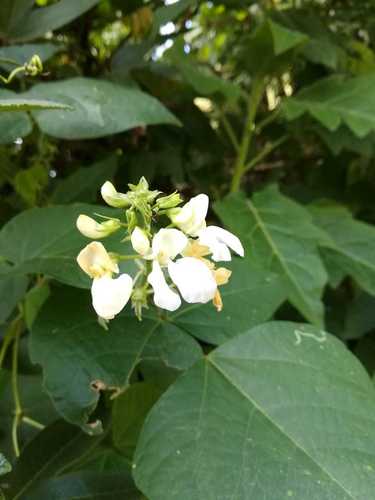
Common bean
Phaseolus vulgaris
EMA traditional use for the pods: to increase the amount of urine and flush the urinary tract, as an adjuvant in minor urinary tract complaints. This rests on long-standing use. There are no clinical studies of the pods.
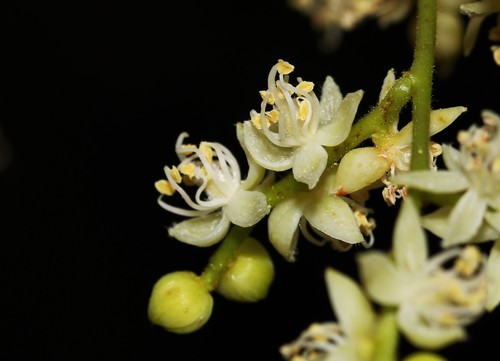
Copaiba
Copaifera officinalis
Ethnopharmacological uses include cystitis, urinary incontinence and gonorrhoea; no clinical evidence.
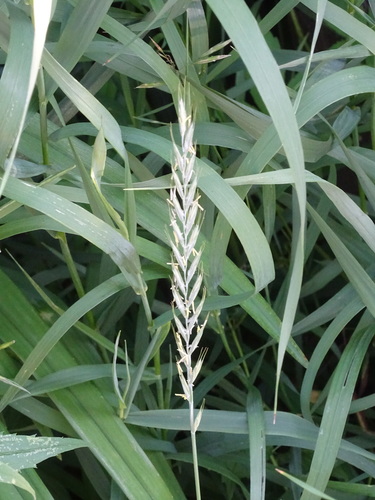
Couch grass
Elymus repens
EMA traditional use: to increase the amount of urine and flush the urinary tract, as an adjuvant in minor urinary complaints. The EMA found no well-controlled trials. In rats, a diuretic effect appeared only with a cold macerate, not with the infusions or decoctions actually used. A lipophilic p-coumaric ester from the rhizome stopped E. coli sticking to bladder cells in the lab.
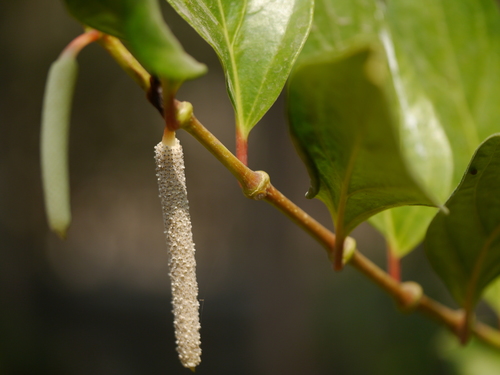
Cubeb
Piper cubeba
Unani formulations containing it (Jawarish Zarooni, Majoon-e-Antaki and others) are used for cystitis, retention of urine and gonorrhoea; extracts and oil inhibit bacteria in the lab, but this has not been tested in people.
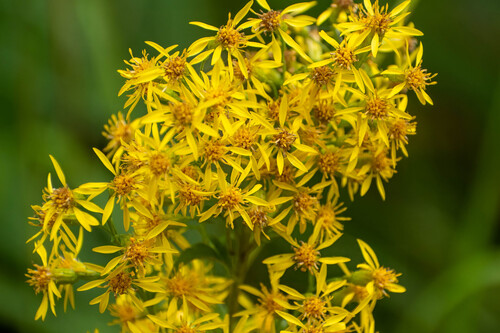
European goldenrod
Solidago virgaurea
EMA accepts traditional use 'to increase the amount of urine, as adjuvant in treatment of minor urinary complaints'. Open, uncontrolled post-marketing studies (22 to 1,487 people) reported fewer symptoms of cystitis and irritable bladder, but EMA's assessors judged their quality could not be evaluated and limited the indication to traditional use. It is an add-on to flushing, not a treatment for infection.
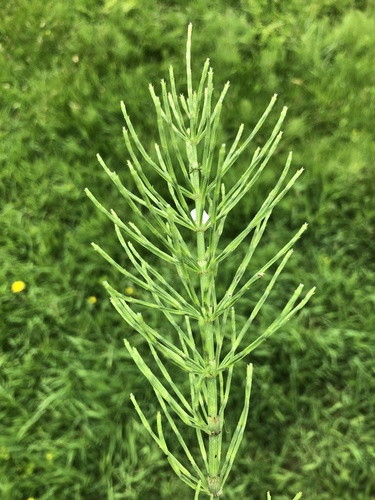
Field horsetail
Equisetum arvense
EMA traditional use: to increase urine flow and flush the urinary tract as an adjuvant in minor urinary complaints. In one double-blind trial in 36 healthy men, 900 mg/day of a dry extract for four days produced a negative fluid balance similar to hydrochlorothiazide 25 mg and unlike placebo, but EMA judged the trial too small and the extract too poorly described to support more than traditional use. A doctor should be seen for fever, painful urination, spasms or blood in the urine.
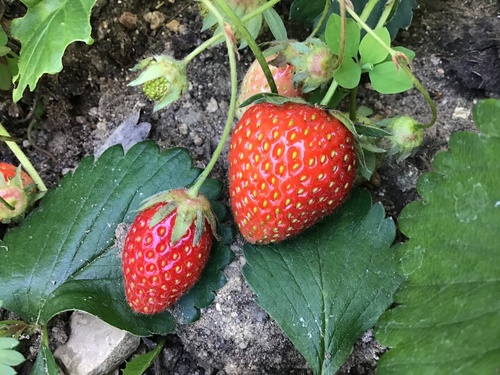
Garden strawberry
Fragaria x ananassa
EMA traditional use to increase urine flow and relieve minor urinary tract complaints, alongside drinking plenty of fluid. No clinical trials.

Greater burdock
Arctium lappa
EMA traditional-use indication: to increase urine output and flush the urinary tract, as an adjuvant in minor urinary complaints. Not for infection itself; EMA advises seeing a doctor if fever, painful urination, spasms or blood in the urine occur. No clinical trials.
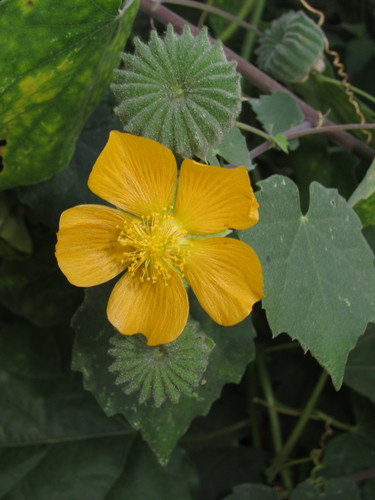
Indian mallow
Abutilon indicum
In Unani medicine the bark is prescribed for urinary complaints and strangury, leaf decoction for bladder inflammation, and seed powder for chronic cystitis. A seed extract was diuretic in animals; no human data.
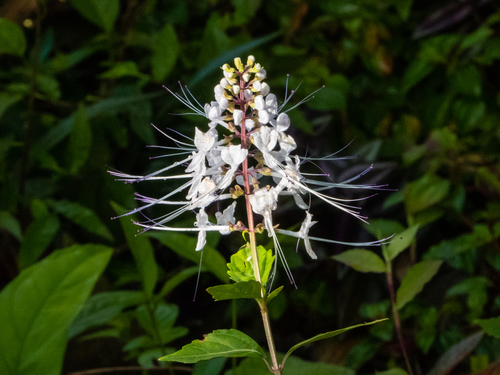
Java tea
Orthosiphon aristatus
EMA traditional use: to increase urine and flush the urinary tract as an adjuvant in minor urinary tract complaints. EMA judged the clinical data too weak for a well-established use; a 40-person crossover study found no change in urine output, and lab tests found the leaf flavones had no antibacterial action against urinary bacteria.
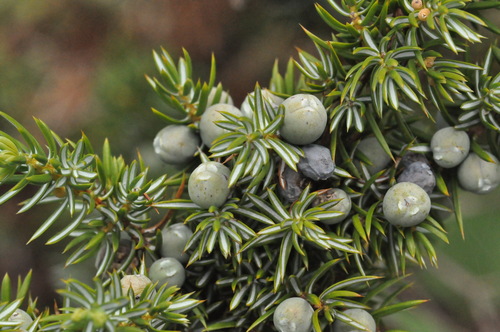
Juniper
Juniperus communis
EMA traditional use of the cone berry to increase urine and flush the urinary tract in minor urinary complaints. No clinical studies have been published; rat studies show increased urine output.

Kava
Piper methysticum
Formerly used in Western medicine as a liquid extract for inflammation of the urinary and genital tract (Martindale); not supported by modern evidence.
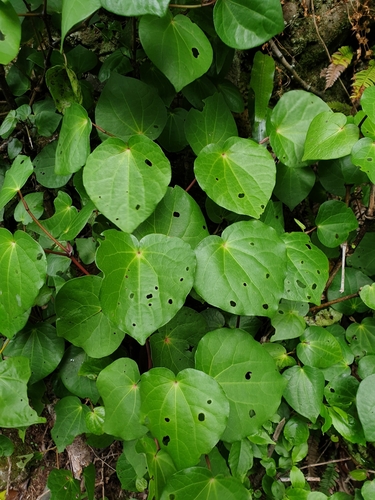
Kawakawa
Piper excelsum
Traditionally used for genitourinary infections and complaints.
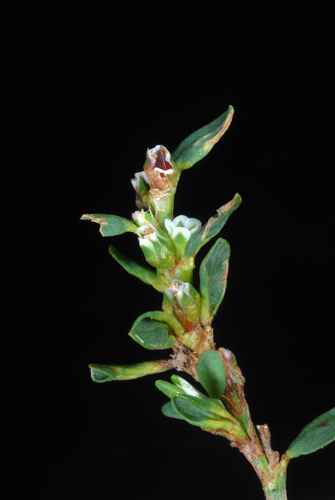
Knotgrass
Polygonum aviculare
EMA traditional use: to increase urine flow to flush the urinary tract as an adjuvant in minor urinary complaints. Chinese medicine uses bian xu for dysuria. No controlled trials.

Lophatherum
Lophatherum gracile
Listed for painful urination and used to 'induce diuresis'; a diuretic action (increased excretion of water, sodium and urea) is reported from laboratory and animal work only.
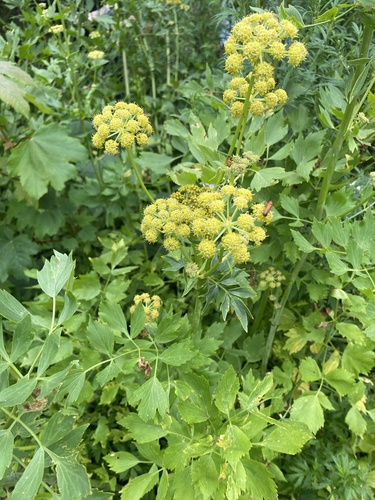
Lovage
Levisticum officinale
EMA traditional use: to increase the amount of urine to flush the urinary tract, as an adjuvant in minor urinary complaints. Commission E approved it for irrigation therapy in inflammation of the lower urinary tract. No published clinical trials; animal experiments gave only a slight or no diuretic effect.

Lungwort
Pulmonaria officinalis
Some ethnomedical sources describe infusions or decoctions for urinary disorders and cystitis, as a diuretic; untested.

Maize
Zea mays
The EMA draft monograph (2025) proposes traditional use for relief of symptoms of minor urinary tract complaints, to increase urine flow alongside drinking enough fluid. There are no good trials.
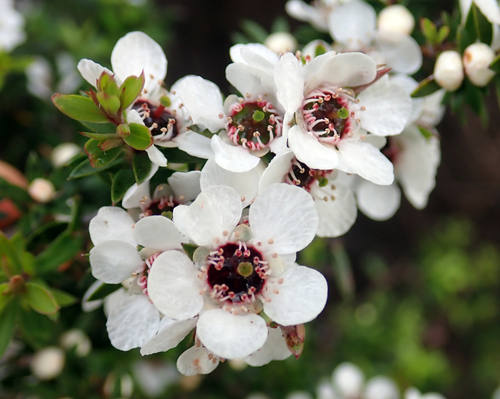
Mānuka
Leptospermum scoparium
Māori infusions were also used for urinary problems; not clinically tested.
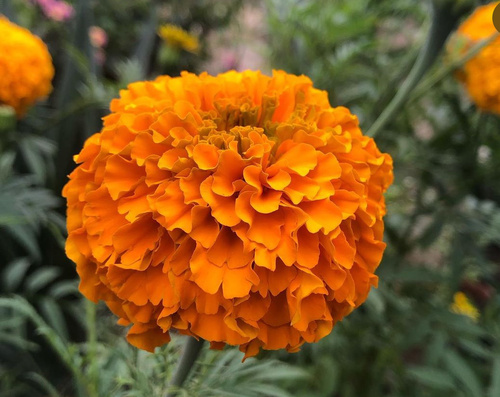
Mexican marigold
Tagetes erecta
Brunfels recorded it for bladder pain and painful urination, and to promote urination and expel bladder stones; extracts increased urine output in animals.
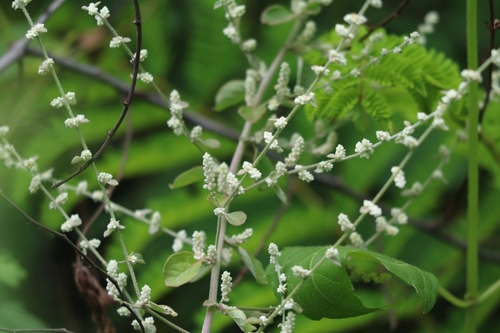
Mountain knotgrass
Aerva lanata
The root is described as demulcent and diuretic for strangury (slow, painful urination). Siddha texts list sirupeelai for urinary disorders (neeradaippu, moothira kiricharam). Not clinically tested for urinary infection.
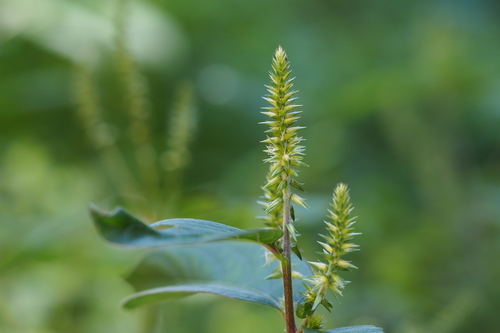
Ox knee
Achyranthes bidentata
Used for stranguria (painful, difficult urination) and oedema, as a diuretic.
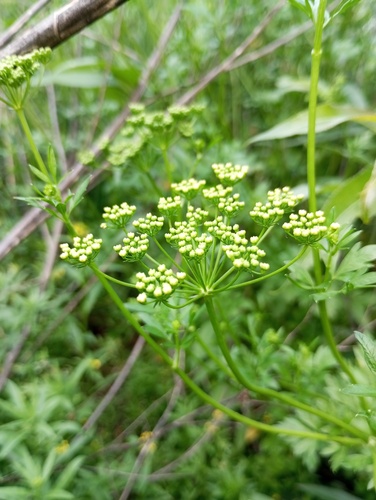
Parsley
Petroselinum crispum
Used in Greek and Roman medicine for urinary tract infections, and in 19th-century American medicine for retention of urine, strangury and gonorrhoea. No clinical evidence.
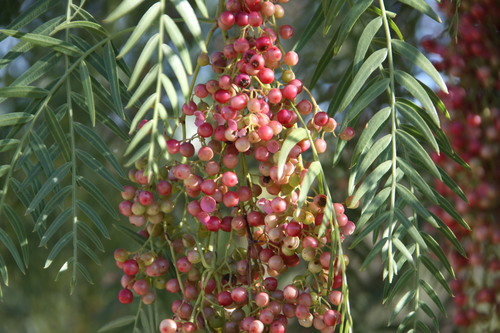
Peruvian pepper
Schinus molle
Mexican urban herbal practice (Guadalajara) records pirul for urinary tract infections and as a diuretic. No clinical data.
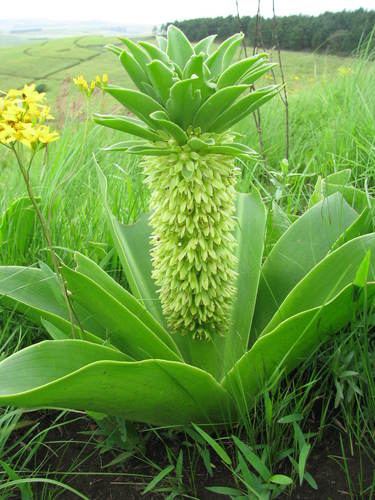
Pineapple flower
Eucomis autumnalis
The bulb is used for urinary diseases, and the genus more widely for kidney and bladder infections and venereal disease. In Limpopo markets the bulb is sold for sexually transmitted infections. Extracts of the genus showed antibacterial activity in laboratory screens. No clinical data.
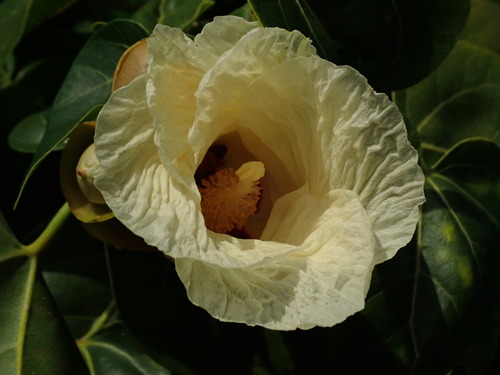
Portia tree
Thespesia populnea
The fruits are used for urinary-tract infections in the Cook Islands, and the bark for cystitis in French Polynesia.

Purslane
Portulaca oleracea
Chinese medicine also uses it to 'alleviate stranguria' (painful urination) and for leucorrhoea.
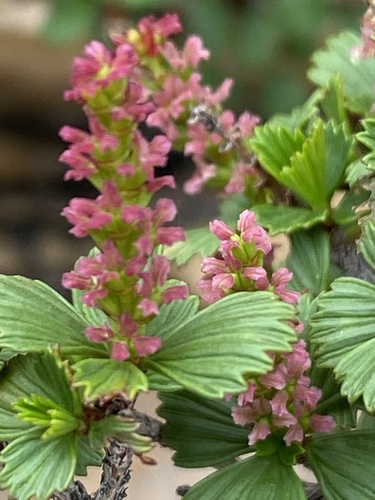
Resurrection bush
Myrothamnus flabellifolia
The upper aerial parts are reported in African traditional medicine for infections of the urinary as well as the respiratory system; untested clinically.
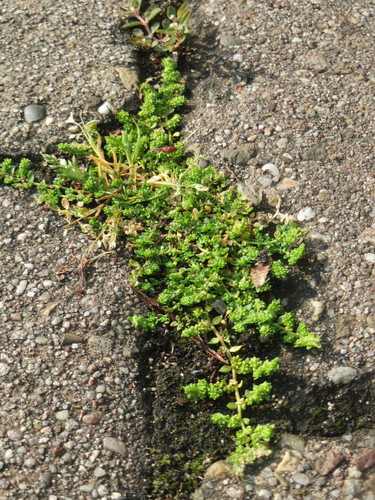
Rupturewort
Herniaria glabra
EMA traditional use: to increase the amount of urine to flush the urinary tract, as an adjuvant in minor urinary complaints, based on at least 30 years of use; older handbooks list it for chronic cystitis and urethritis. EMA found no clinical data. A decoction extract inhibited uropathogenic E. coli and its biofilms in the laboratory.
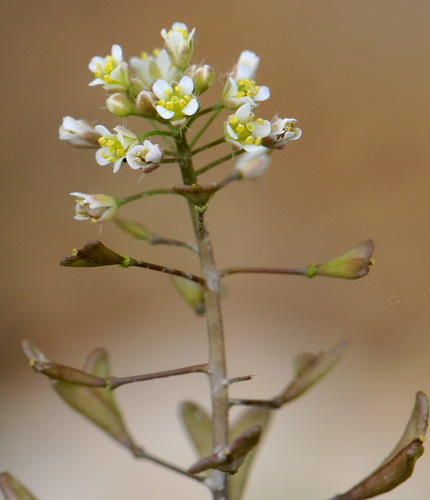
Shepherd's purse
Capsella bursa-pastoris
The British Herbal Pharmacopoeia (1983) listed it for acute catarrhal cystitis, combined with buchu; the EMA judged the data insufficient to include this use.
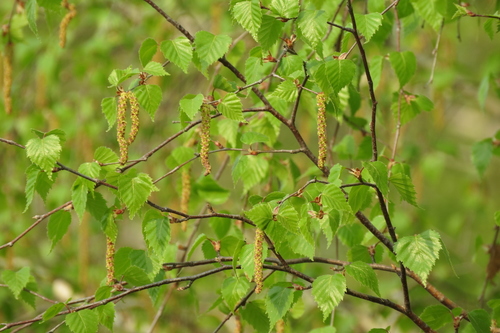
Silver birch
Betula pendula
EMA traditional use to increase the amount of urine and flush the urinary tract as an adjuvant in minor urinary complaints. Evidence is one pilot trial in 15 patients and an uncontrolled study; EMA judged this insufficient for well-established use. It is not a treatment for infection itself.

Small-flowered willowherb
Epilobium parviflorum
Tea is used in folk medicine for urethritis, micturition disorders and bladder and kidney complaints. No clinical evidence.
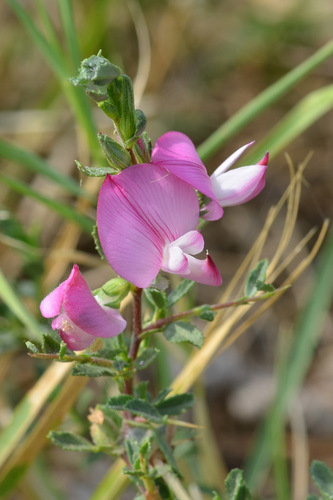
Spiny restharrow
Ononis spinosa
EMA traditional-use indication: to increase the amount of urine and flush the urinary tract as an adjuvant in minor urinary complaints. The HMPC found no clinical studies, so well-established use could not be supported. A doctor should be seen if fever, painful urination, spasm or blood in the urine appear.
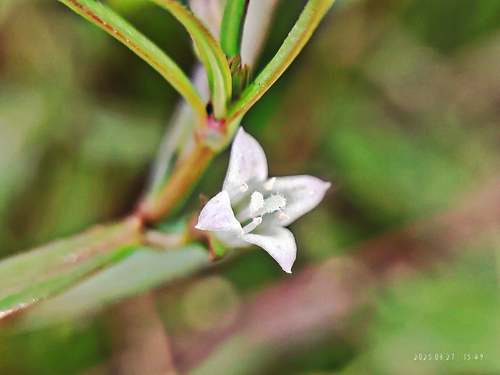
Spreading hedyotis
Scleromitrion diffusum
Used in China for urethritis and other inflammation-linked conditions; a water extract protected against kidney inflammation in mice.

Stinging nettle
Urtica dioica
EMA traditional use of nettle leaf and herb to increase urine and flush the urinary tract as an adjunct in minor urinary complaints, with plenty of fluid. Not a treatment for infection.
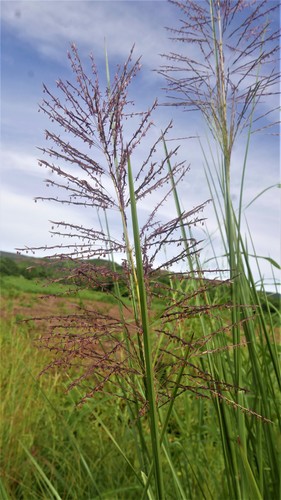
Vetiver
Chrysopogon zizanioides
Ayurvedic and ancient Tamil texts are reported to record its use for urinary tract infections and rheumatism. Not tested clinically.
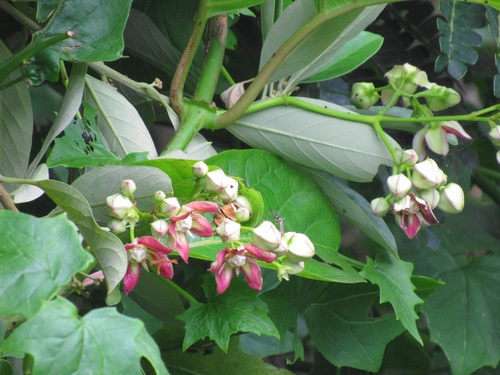
White's ginger
Mondia whitei
In Cameroon the roots are used for urinary tract infection, jaundice and headache, and the whole plant for diarrhoea.
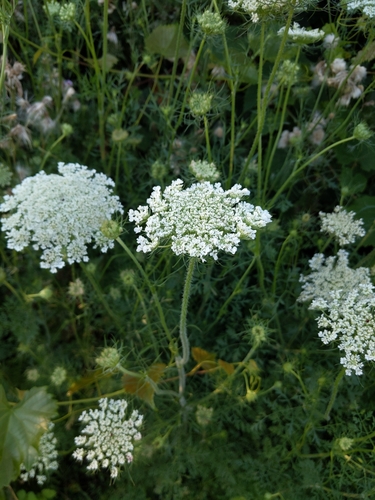
Wild carrot
Daucus carota
Wild carrot essential oil is used in European folk medicine as an antiseptic for cystitis and prostatitis. No clinical data.
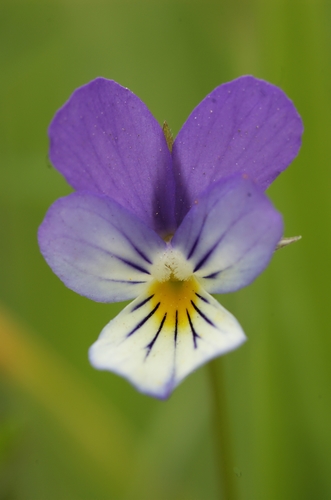
Wild pansy
Viola tricolor
Used traditionally as a diuretic for cystitis and painful urination; a Polish herbal tea is registered for mild urinary complaints. Early animal tests in rabbits and mice found no increase in urine volume. EMA did not accept this indication.
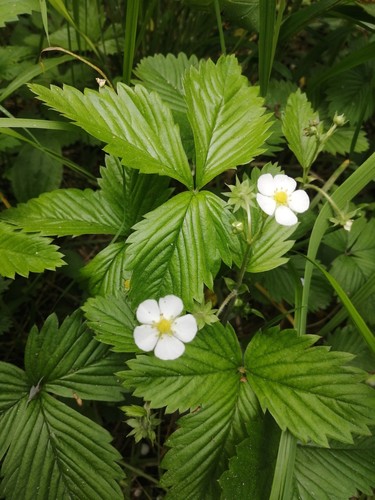
Wild strawberry
Fragaria vesca
EMA traditional use to relieve minor urinary tract complaints by increasing urine flow, alongside drinking enough fluid. Not tested in trials.
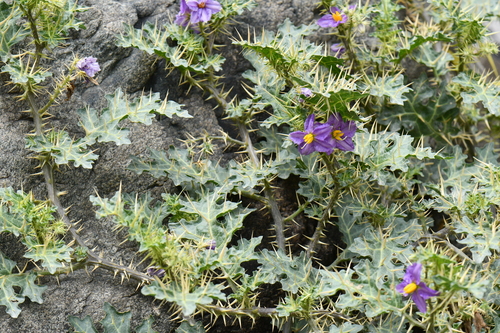
Yellow-berried nightshade
Solanum virginianum
Used for urinary problems; an aqueous extract (200–400 mg/kg) increased urine output in rats.
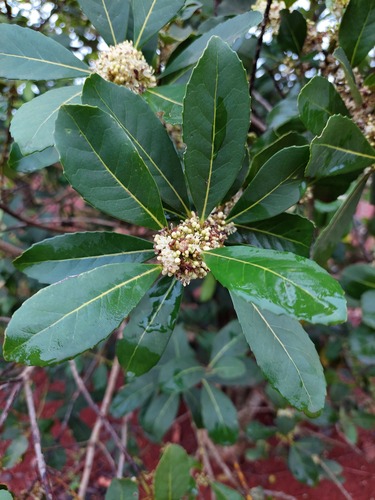
Yerba mate
Ilex paraguariensis
EMA traditional use as a herbal tea to increase urine flow and flush the urinary tract, as an adjuvant in minor urinary complaints. It does not treat infection; fever, painful urination, spasms or blood in the urine need a doctor.