The Apothecary / Blood sugar & hormones
Polycystic ovary syndrome
8 remedies
Reference, not prescription. Nothing here is medical advice. Herbs can interact with medicines and be dangerous in pregnancy; tell your doctor or pharmacist about anything you take.
Limited evidence
LimitedSmall or few trials, mixed results, or mainly lab and animal work.
Greater burdock
Arctium lappa
A 2026 randomised trial tested root powder on oxidative-stress markers in polycystic ovary syndrome.
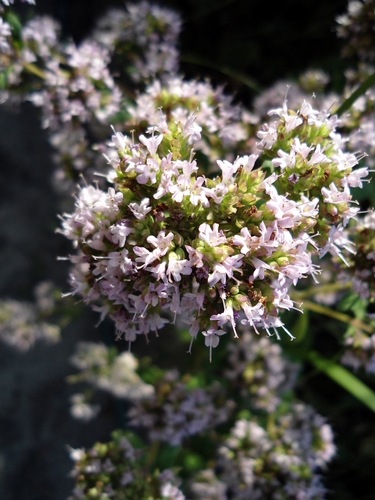
Marjoram
Origanum majorana
In a 1-month randomised trial in 25 women with PCOS, marjoram tea (0.2 g tea bags twice daily) lowered insulin resistance (HOMA-IR) and the adrenal androgen DHEA-S compared with placebo. A 3-month pilot of marjoram plus cinnamon tea (60 women, 36 completers) found small hormonal changes. No effect on fertility or cycles has been shown.

Purple loosestrife
Lythrum salicaria
In the same study, the extract lowered LH, FSH, testosterone and insulin in rats with letrozole-induced polycystic ovary syndrome. Animal work only.
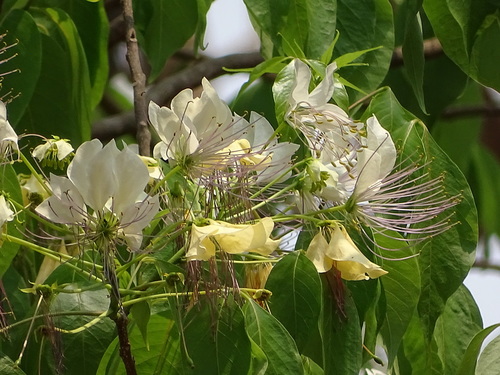
Sacred garlic pear
Crateva religiosa
A hydroalcoholic bark extract (100 and 200 mg/kg) normalised oestrous cycles, ovarian tissue and hormone levels in rats with letrozole-induced polycystic ovary syndrome. No human data.
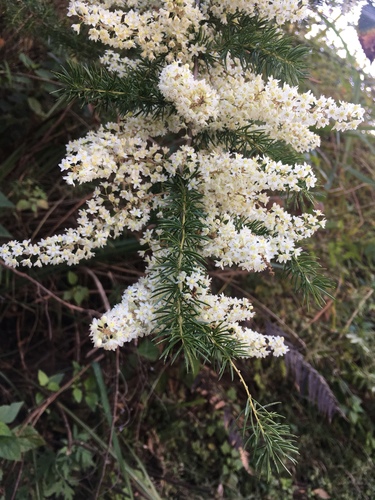
Shatavari
Asparagus racemosus
A 12-week randomised placebo-controlled trial in 70 women with polycystic ovary syndrome found fewer ovarian follicles, thicker endometrium and lower stress scores with extract, but no change in ovarian volume, hormones or BMI; pregnancy outcomes were not measured.
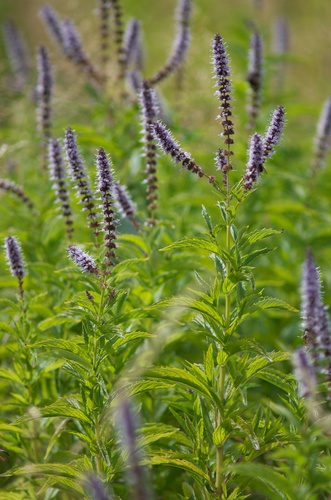
Spearmint
Mentha spicata
In a 30-day RCT in 42 women with PCOS and hirsutism, spearmint tea twice daily lowered free and total testosterone and improved self-rated hirsutism versus placebo tea, but objective hair scores did not change significantly (p = 0.12). An earlier 5-day uncontrolled study in 21 hirsute women found lower free testosterone.

Welsh onion
Allium fistulosum
In rats with letrozole-induced polycystic ovary syndrome, a root extract lowered the LH/FSH ratio, raised oestrogen and improved ovarian structure. Animal work only.
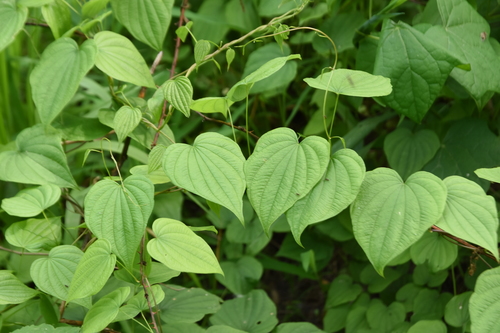
Wild yam
Dioscorea villosa
In an uncontrolled pilot study, 24 women with a non-hyperandrogenic type of PCOS took 600 mg wild yam (120 mg diosgenin) with vitamin D and α-lactalbumin for 6 months, and half had regular cycles at the end. With no control group and a combination product, the effect cannot be put down to wild yam. (abstract)