The Apothecary / Blood sugar & hormones
Weight
54 remedies
Reference, not prescription. Nothing here is medical advice. Herbs can interact with medicines and be dangerous in pregnancy; tell your doctor or pharmacist about anything you take.
Moderate evidence
ModerateSeveral trials, mostly positive, or an EMA ‘well-established use’ monograph.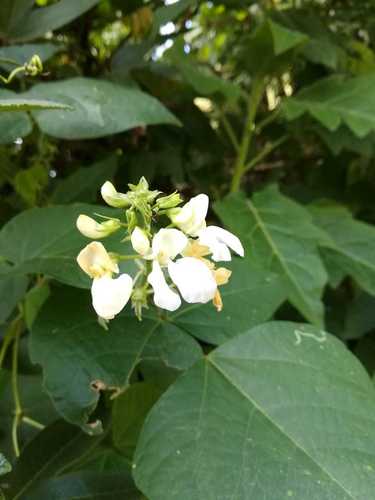
Common bean
Phaseolus vulgaris
Bean (seed) extracts, not pods: a 2026 meta-analysis of 8 randomised trials (543 adults with overweight or obesity) found white kidney bean extract reduced weight by about 1.6 kg, and also lowered BMI, fat mass and waist size, compared with placebo. It did not change fasting glucose or triglycerides, and no serious adverse events were reported.
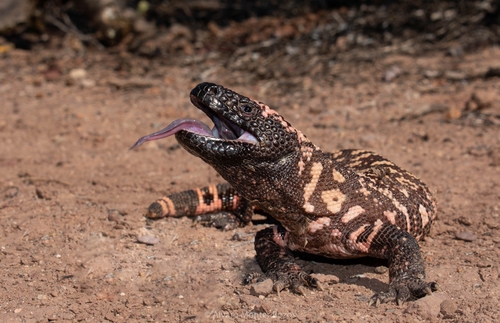
Gila monster
Heloderma suspectum
Exenatide produces modest weight loss through reduced appetite, useful in overweight people with type 2 diabetes; its successor liraglutide is also marketed as Saxenda (2014). The lizard and its venom are not a weight-loss remedy.
Limited evidence
LimitedSmall or few trials, mixed results, or mainly lab and animal work.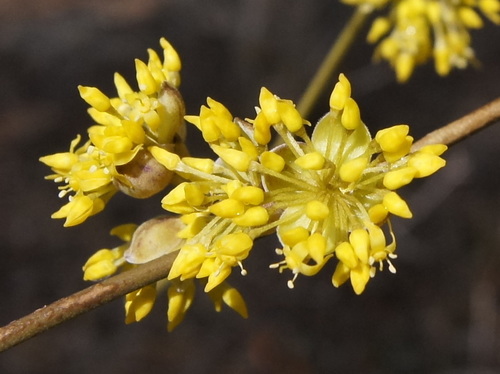
Asiatic dogwood
Cornus officinalis
One randomised double-blind trial in Korea (76 obese women, 12 weeks) found less body fat with a mixture of Cornus officinalis and Ribes fasciculatum; the herb alone has not been tested.

Black ginger
Kaempferia parviflora
Two 12-week double-blind placebo-controlled Japanese trials in overweight adults (76 and 80 people), using 150 mg extract or 12 mg purified polymethoxyflavones daily, found reductions in visceral and total abdominal fat measured by CT, with no related adverse events.
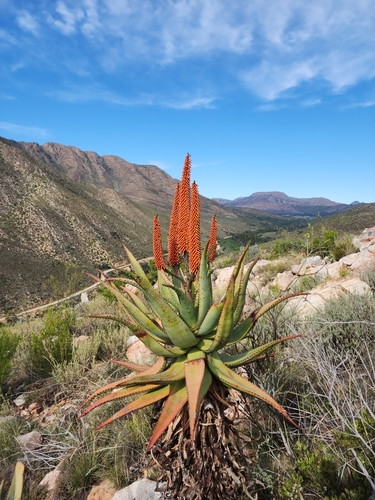
Cape aloe
Aloe ferox
A small study in 20 obese Romanian adults on diet plus Aloe ferox capsules (460 mg, in 2-week courses) against 20 on diet plus placebo reported lower BMI, LDL cholesterol and fasting glucose at 3 months. The authors attribute the effects to the laxative action and note it can only be used for limited periods because of side effects.

Chickweed
Stellaria media
Used for obesity in India. Extracts and juice inhibited fat- and starch-digesting enzymes and reduced weight-related measures in rodent studies; no human data were found.
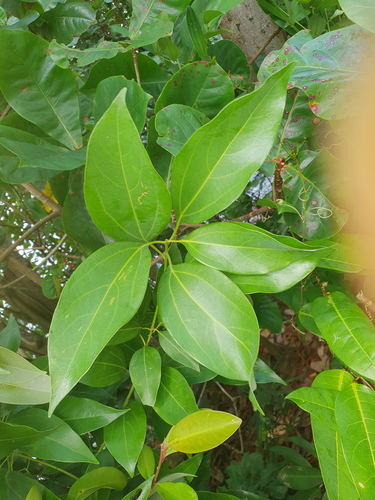
Chinese cassia
Cinnamomum cassia
Cinnamon supplements are promoted for weight loss, but NCCIH finds it unclear whether they help; higher-quality research would be needed.

Chinese ephedra (Ma huang)
Ephedra sinica
A 2003 meta-analysis found ephedra or ephedrine (often with caffeine) produced about 0.9 kg more weight loss per month than placebo, in trials no longer than six months, while raising the odds of psychiatric, autonomic and gut symptoms and palpitations 2.2- to 3.6-fold. NCCIH judges the small benefit not worth the serious risks.
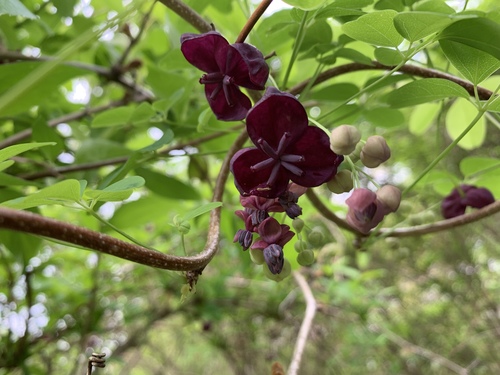
Chocolate vine
Akebia quinata
Used in Korea as a crude drug for obesity; fruit extract (400 mg/kg/day) reduced weight gain, fat mass and blood lipids in mice on a high-fat diet.
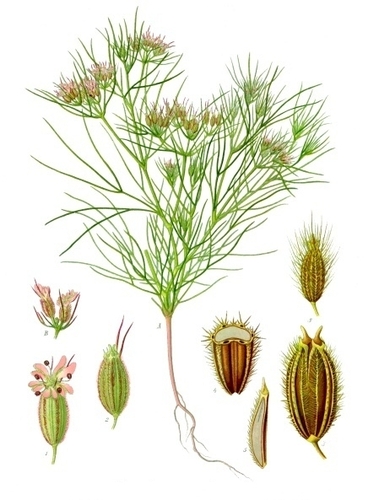
Cumin
Cuminum cyminum
In four trials waist circumference fell modestly (SMD −0.46; moderate certainty).
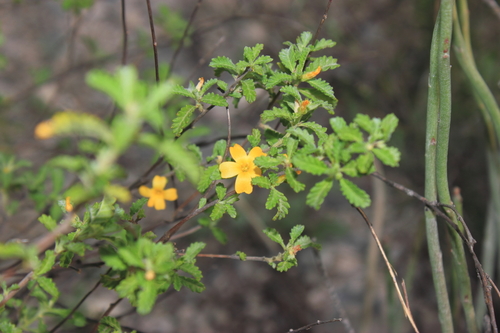
Damiana
Turnera diffusa
A South American herbal preparation of yerba mate, guarana and damiana (YGD) slowed stomach emptying and reduced body weight and food intake in small studies of overweight people; damiana's share cannot be separated.

Dog rose
Rosa canina
One 12-week trial in 32 overweight adults (100 mg extract daily) found small falls in abdominal visceral fat (−10%) and body weight (−2%).
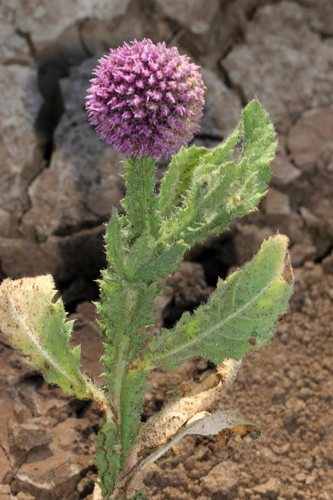
East Indian globe thistle
Sphaeranthus indicus
In a double-blind trial in 60 adults with obesity (BMI 30–40), 400 mg capsules of an S. indicus flower-head and Garcinia mangostana rind blend taken twice daily for 8 weeks, with a 2,000 kcal diet and walking, gave 3.74 kg more weight loss than placebo. A second trial by the same group also reported benefits. Both tested the blend, not S. indicus alone, and minor adverse events were similar to placebo.

Grains of paradise
Aframomum melegueta
In a 12-week double-blind placebo-controlled trial in 70 overweight adults, 250 mg of a 6-paradol-standardised seed extract twice daily increased energy expenditure and reduced visceral fat, body weight and BMI compared with placebo, with no adverse effects. A smaller 4-week single-blind crossover in 19 young women found a small reduction in visceral fat but no change in total fat. Both studies tested branded extracts.

Griffonia
Griffonia simplicifolia
Griffonia preparations rich in 5-HTP have been reported to increase satiety and reduce food intake and body weight in small studies.
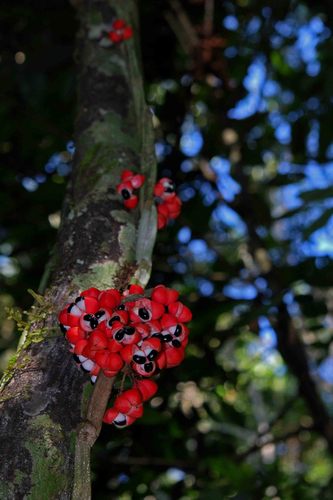
Guarana
Paullinia cupana
Studies are of mixtures: a yerba maté–guarana–damiana capsule slowed gastric emptying and was linked to more weight loss over 45 days in 47 volunteers, and a green tea–guarana mixture raised 24-hour energy expenditure. Guarana alone has not been shown to cause weight loss; France allows a traditional claim as an adjunct to slimming diets.
Gum arabic
Senegalia senegal
A 2026 meta-analysis of six randomised trials (476 adults) found small reductions in BMI (about 0.4 points) and body weight (about 1 kg) compared with placebo; trials were few and short.
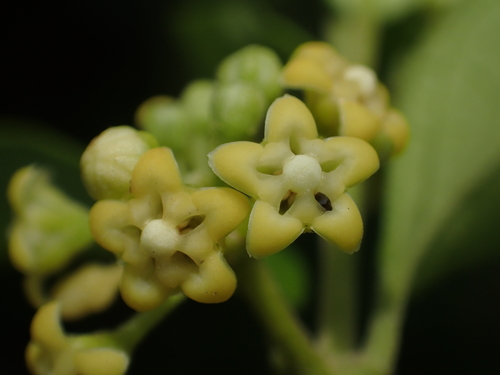
Gurmar
Gymnema sylvestre
Gymnemic acids suppress sweet taste for a short time; a systematic review of 33 human studies found inconsistent effects on appetite and food intake afterwards. Promoted in the US for weight loss without good evidence.
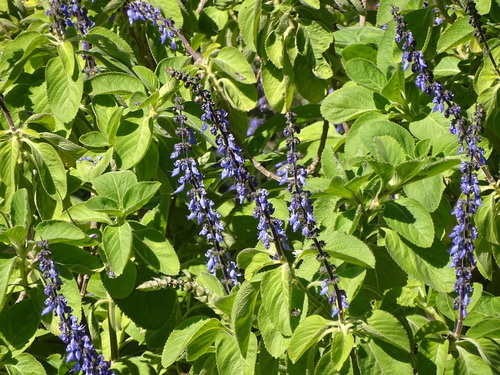
Indian coleus
Coleus barbatus
A 2026 systematic review found four randomised trials: the extract may reduce fat mass and body-fat percentage, but effects on weight were inconsistent. A 12-week trial in 60 overweight adults (250 mg extract twice daily) reported 1.9 kg more weight loss and 1.8 cm more waist reduction than placebo, with lower triglycerides.
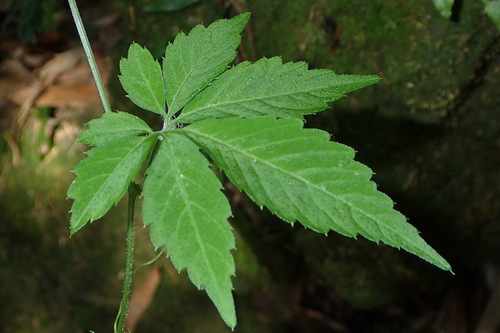
Jiaogulan
Gynostemma pentaphyllum
In a 12-week study of 80 Korean adults, 450 mg/day of a heat-processed extract reduced abdominal fat area, weight and body-fat percentage without adverse effects.

Kacip fatimah
Labisia pumila
A manufacturer-affiliated randomised, double-blind phase 2 trial in 133 people with obesity found 750 mg/day of the standardised extract SKF7 reduced body weight by about 2.9% and waist circumference by about 2.2% more than placebo.
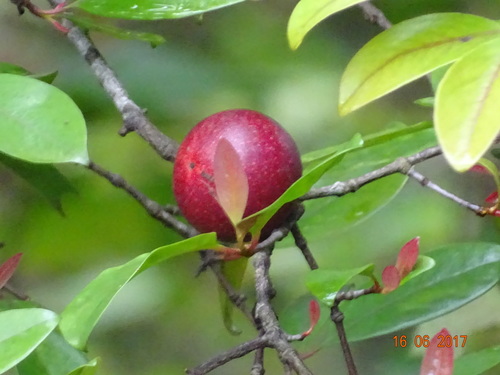
Kokum
Garcinia indica
Fruit extract (0.01% of diet) and garcinol-enriched fractions reduced weight gain and body fat in mice on a high-fat diet. Kokum contains hydroxycitric acid, the compound behind weight-loss supplements from the related Garcinia gummi-gutta, which have been linked to liver injury.

Lemon verbena
Aloysia citrodora
A 2026 meta-analysis of 11 trials (503 people, 3–12 weeks) found modest reductions in body weight (about 2 kg), total cholesterol and blood pressure, with larger effects in combined formulations; no effect on blood sugar.
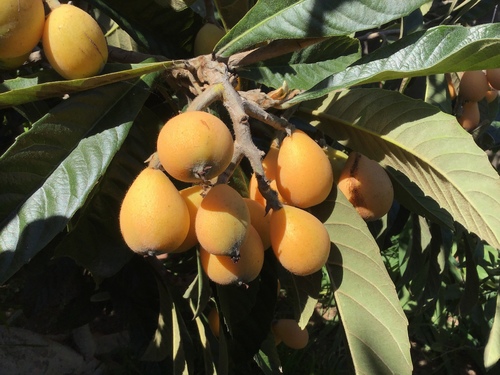
Loquat
Eriobotrya japonica
Leaf extract (≥200 mg/kg) reduced weight gain and improved lipids, but not blood glucose, in rats on a high-fat diet; traditional healers use it for weight reduction.
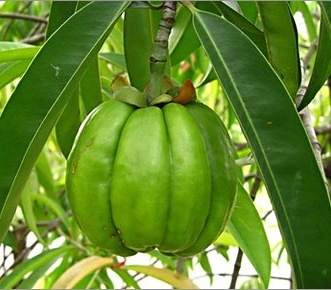
Malabar tamarind
Garcinia gummi-gutta
A 2011 meta-analysis of 9 randomised trials found HCA produced a small, statistically significant extra weight loss over placebo (0.88 kg), of uncertain clinical relevance; gastrointestinal side effects were twice as common in one trial. A 2026 review found evidence still inconsistent.
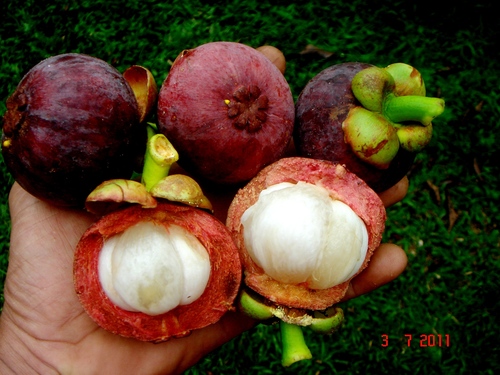
Mangosteen
Garcinia mangostana
Small studies found extracts useful for weight management and insulin sensitivity, but not for exercise fatigue or schizophrenia.

Nutgrass
Cyperus rotundus
In a 90-day randomised trial in 96 obese adults on diet and exercise, a standardised stilbene-rich extract (500 mg with 5 mg piperine twice daily) reduced weight, waist and blood lipids more than placebo, with no adverse events. A single trial; needs replication.
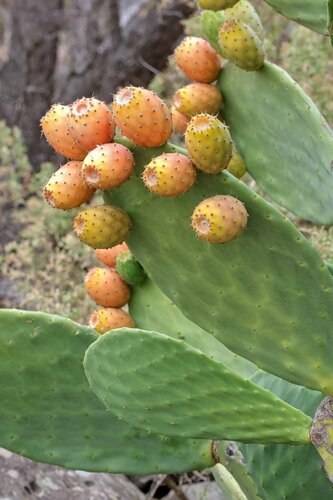
Prickly pear
Opuntia ficus-indica
A fibre product made from the pads (Litramine IQP-G-002AS) produced 3.8 kg versus 1.4 kg weight loss over 12 weeks in one trial; the review reporting this was written by the manufacturer's staff.

Roselle
Hibiscus sabdariffa
A 2024 meta-analysis of six small randomised trials (339 people) found no meaningful effect on body weight, BMI or waist size.

Satsuma
Citrus unshiu
A 12-week Korean trial in overweight adults found a combined extract of cogongrass, satsuma and evodia (YY-312, 2400 mg daily) reduced body fat by 1.6 kg vs 0.1 kg on placebo. The share due to satsuma is unknown.

Sea hibiscus
Hibiscus tiliaceus
In rats fed a high-fat diet, an ethanol leaf extract (250 and 500 mg/kg for 8 weeks) reduced weight gain, food intake and blood lipids. Animal data only.
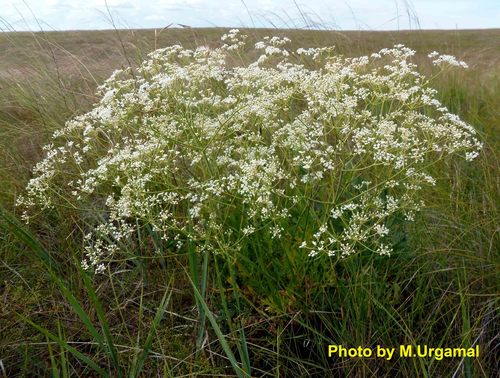
Siler
Saposhnikovia divaricata
Fang feng is one of 18 ingredients of the Kampo formula bofutsushosan. A meta-analysis of 7 trials (679 people with obesity) found the formula lowered BMI by about 0.5 kg/m² with high heterogeneity and no change in waist size, blood sugar or lipids. The weight effect has been linked to other ingredients, such as ephedra, not to fang feng.
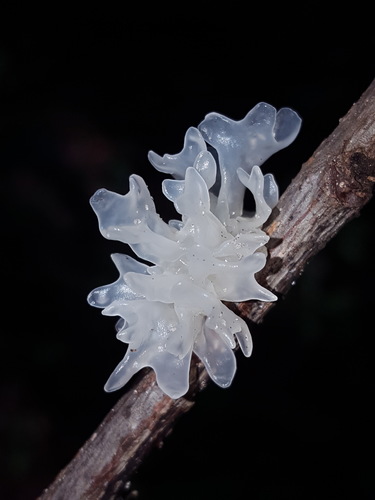
Snow fungus
Tremella fuciformis
In the same prediabetes trial, waist circumference fell by about 1.7 cm in the Tremella group, but body weight and BMI did not change.
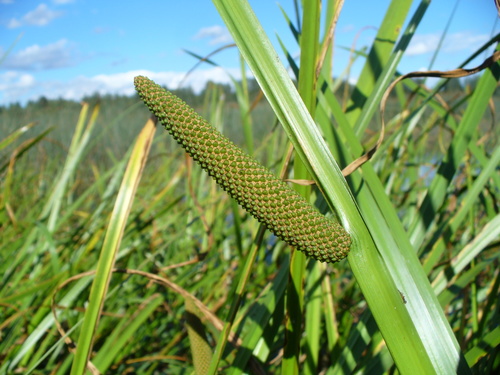
Sweet flag
Acorus calamus
Two small single-blind studies of rhizome powder (24 people with high blood lipids; 20 people with obesity) reported less skinfold thickness, hunger and fatigue after one month. These studies were too small and short to judge an effect on weight.
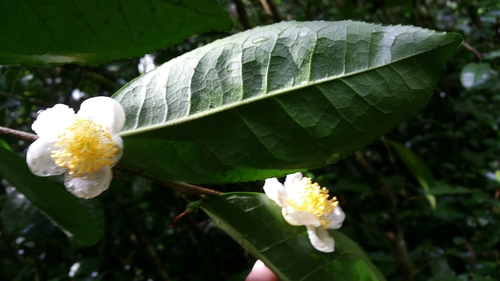
Tea plant
Camellia sinensis
NCCIH: catechins with caffeine may have a modest effect on body weight, depending on product and activity level.

Veldt grape
Cissus quadrangularis
Sold to help with fat loss and appetite. A 2025 randomised placebo-controlled trial in Cameroon (248 overweight adults, 300 mg extract daily for 16 weeks) reported about 5–6% weight loss. This is a single trial, and versions of its abstract report different figures; it has not been independently replicated.
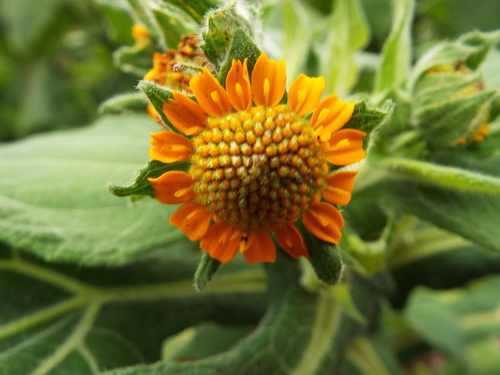
Yacón
Smallanthus sonchifolius
A 2026 meta-analysis of 7 trials (246 people) reported weight loss (−8.2 kg, 95% CI −16.0 to −0.4) but no significant change in BMI or waist size. The largest weight loss came from one trial in obese women.
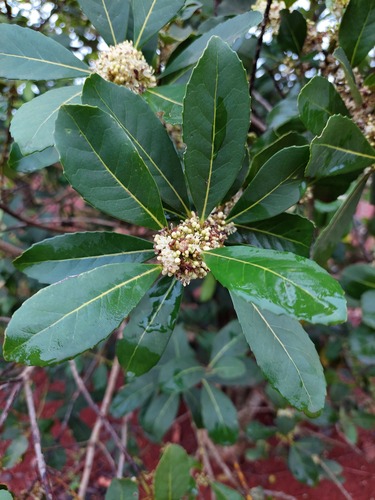
Yerba mate
Ilex paraguariensis
Weight loss in small trials was seen only with mixtures (mate with guarana and damiana, or with green tea and other ingredients), so EMA could not attribute it to mate. A small trial of mate extract alone showed a fall in respiratory quotient (more fat burned) but no change in energy expenditure.
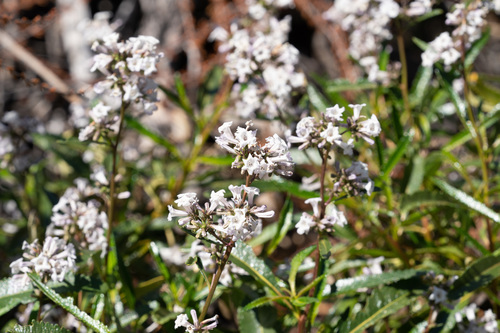
Yerba santa
Eriodictyon californicum
In a 12-week placebo-controlled trial in 49 overweight or obese women, a Santa herba extract reduced body weight (P = .042) and body fat in the obese subgroup. A single small trial.
Yohimbe
Pausinystalia johimbe
Promoted for weight loss and athletic performance; NCCIH finds not enough research to say it helps.
Traditional use
TraditionalLong recorded use, essentially untested in clinical trials.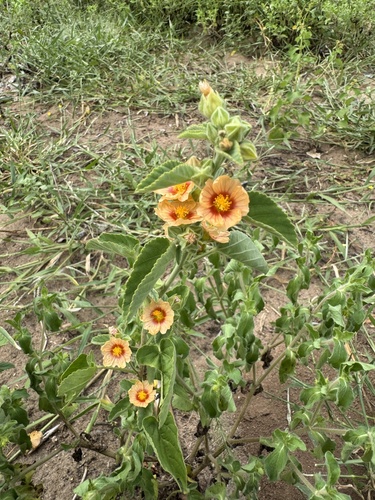
Bala
Sida cordifolia
Weight loss is among its recorded folk uses, but it has not been tested for it. The US FDA ruled in 2004 that dietary supplements containing ephedrine alkaloids, explicitly including those from Sida cordifolia, present an unreasonable risk of illness or injury.

Bladderwrack
Fucus vesiculosus
EMA traditional-use indication: as an adjuvant to a reduced-calorie diet to help weight loss in overweight adults, after serious conditions are excluded. This rests on long use; the few clinical studies used mixed products and were judged of limited value.

Cacao
Theobroma cacao
One of the three recurring historical uses identified by Dillinger and colleagues was to help emaciated patients gain weight.
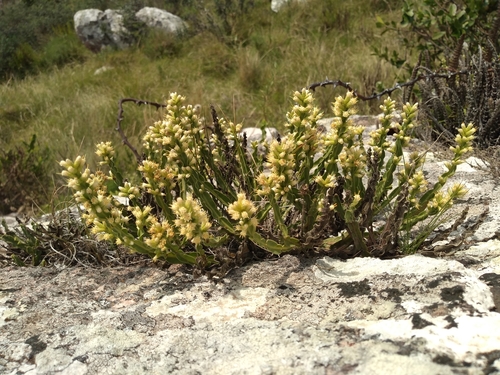
Carqueja
Baccharis crispa
The most-cited weight-loss plant across 33 Brazilian ethnobotanical surveys, but a systematic review found no scientific basis showing it reduces weight in overweight or obese people.
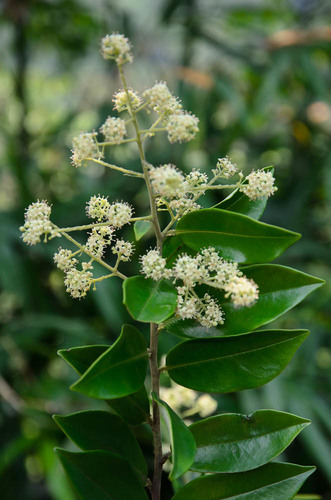
False black pepper
Embelia ribes
Recorded as frequently used in traditional weight-loss therapy; evidence is from animal studies only.
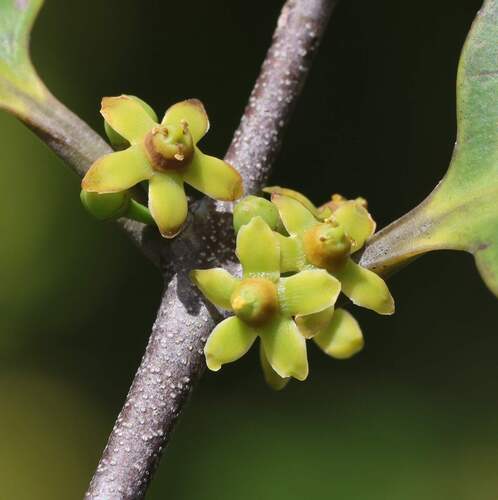
Kothala himbutu
Salacia reticulata
Sold in Japan as a food supplement for diabetes and obesity; weight effects are not established.
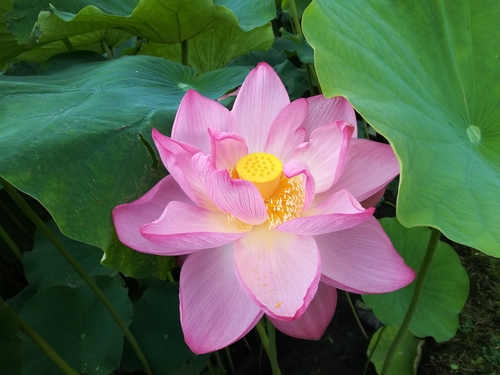
Sacred lotus
Nelumbo nucifera
Dry-leaf tea is drunk in China and Taiwan to lose weight. The leaf alkaloid nuciferine is studied in animals for obesity.
Evidence against
AgainstGood trials found no benefit.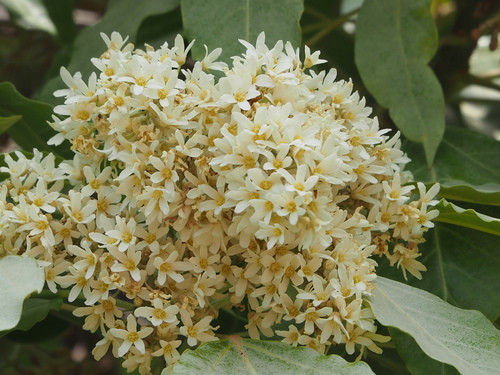
Candlenut
Aleurites moluccanus
Marketed for weight loss, but there is no evidence of benefit; products have caused heart block and fatal poisoning, and in one analysis all eight commercial 'candlenut' weight-loss supplements were actually yellow oleander seed.
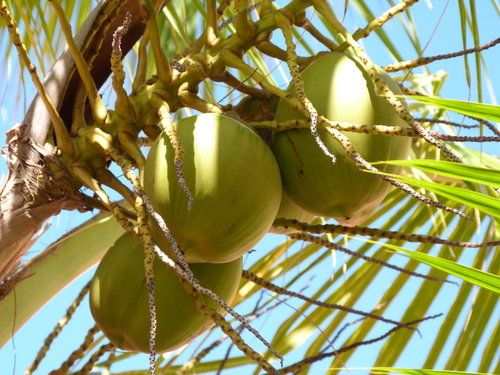
Coconut palm
Cocos nucifera
The same meta-analysis found no effect of coconut oil on body weight, body fat, waist size, blood sugar or inflammation compared with other oils.

Guang fang ji
Aristolochia fangchi
Belgian slimming pills that were supposed to contain Stephania tetrandra but contained A. fangchi caused kidney failure requiring dialysis or transplantation in many of the women who took them.
Guggul
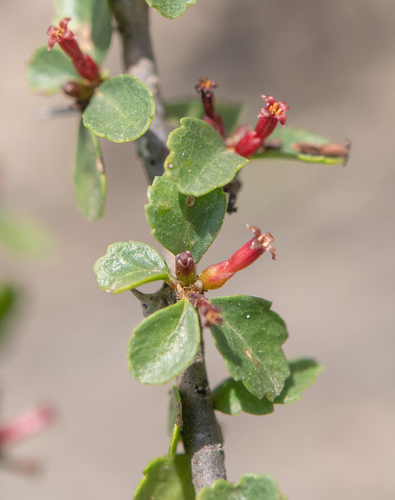
Commiphora wightii
WHO reports that clinical studies of the resin for obesity were negative.
Hoodia
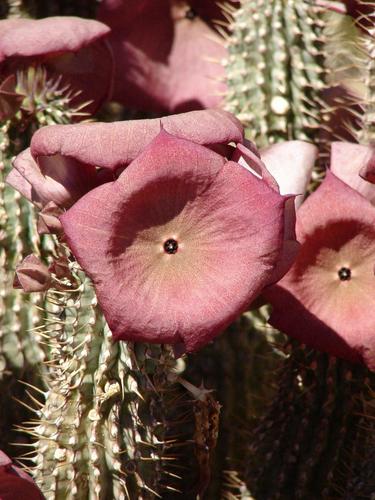
Hoodia gordonii
In the only randomised trial (Unilever, 2011), 49 overweight women took 1110 mg of purified extract or placebo twice daily for 15 days in a clinic: energy intake and body weight did not differ from placebo, while nausea, vomiting, odd skin sensations and rises in blood pressure, pulse, bilirubin and alkaline phosphatase were more common with hoodia. Appetite reduction has been seen in rats.

Sweet orange
Citrus x aurantium
A 2022 meta-analysis of 18 trials found synephrine (the main bitter-orange stimulant) did not produce significant weight loss and raised systolic blood pressure by about 6 mmHg and diastolic by about 4 mmHg with prolonged use. NCCIH: bitter orange has not been clearly shown to help any health purpose.
Wall germander
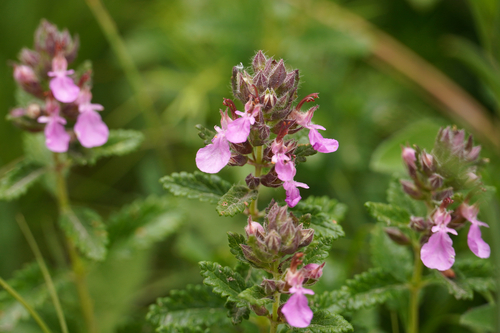
Teucrium chamaedrys
Marketed as a weight-loss aid, but no benefit has been shown and its use for slimming produced a cluster of hepatitis cases; the risk clearly outweighs any claimed effect.