La Botica / Pulmones y respiración
Resfriado común
117 remedios
Acude al médico si
Dificultad para respirar, fiebre alta más de tres días, o síntomas que mejoran y luego empeoran.
Referencia, no receta. Nada de esto es consejo médico. Las hierbas pueden interactuar con medicamentos y ser peligrosas en el embarazo; informa a tu médico o farmacéutico de todo lo que tomes.
Evidencia sólida
SólidaUn medicamento aprobado, o ensayos y revisiones de buena calidad y coherentes.
Evidencia moderada
ModeradaVarios ensayos, en su mayoría positivos, o una monografía de la EMA de ‘uso bien establecido’.
Evidencia limitada
LimitadaPocos ensayos o pequeños, resultados mixtos, o sobre todo estudios de laboratorio y en animales.
American ginseng
Panax quinquefolius
A systematic review of five trials (747 healthy adults, all of North American ginseng extract) found a non-significant trend to fewer colds (relative risk 0.70, 95% CI 0.48–1.02) and, in two trials, colds about 6 days shorter when it was taken preventively for 8–16 weeks. The reviewers judged the evidence insufficient for incidence or severity.
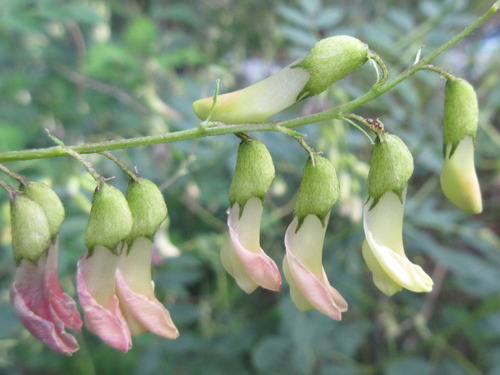
Astragalus
Astragalus mongholicus
WHO cites an old Chinese report of an aqueous extract lowering the incidence and shortening colds in 1,000 people, with study details unavailable. A 2016 Cochrane review found no placebo-controlled trial of astragalus alone for preventing repeated respiratory infections in children.
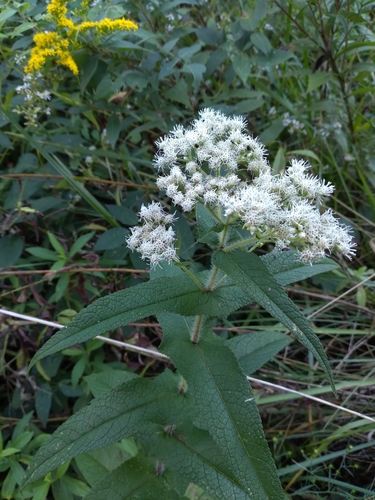
Boneset
Eupatorium perfoliatum
Taken for colds by the Cherokee, Iroquois and Mohegan; in Europe ethanolic extracts are used for fever and colds. A 2011 review judged the clinical data below modern standards but 'indicating positive tendencies' for colds.
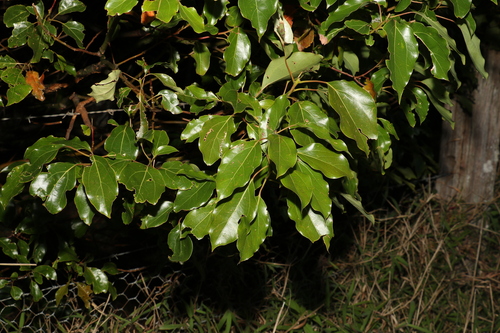
Camphor tree
Cinnamomum camphora
Camphor–menthol rubs and inhalants are used for cold symptoms; a 2023 review of the clinical literature found only a small number of studies and concluded that no definitive recommendation could be made.
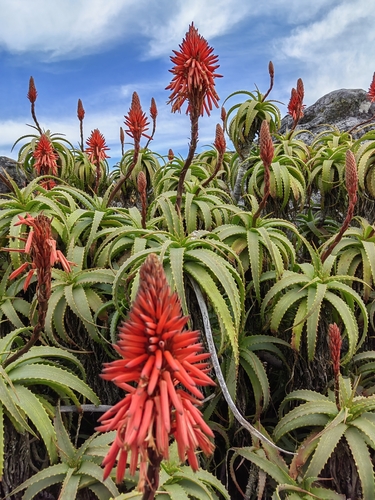
Candelabra aloe
Aloe arborescens
In an uncontrolled multicentre study of 6,764 children aged 3–18 with upper respiratory infections, doctors reported symptom reduction with an A. arborescens extract syrup (e.g. sore throat improved in over 81%); without a comparison group this cannot separate the syrup's effect from natural recovery.
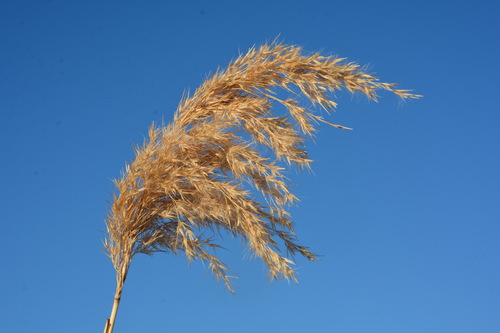
Common reed
Phragmites australis
A 2024 systematic review found 42 randomised trials (6,879 patients) of herbal mixtures containing Lu gen for acute respiratory infections; none tested the herb alone. Compared with placebo the mixtures improved cure rates (RR 1.60), but 38 of 42 trials were at high risk of bias and the certainty of evidence was low or very low.

Curlycup gumweed
Grindelia squarrosa
Taken for colds by Crow, Flathead and Ute people. In the lab, a G. squarrosa extract lowered inflammatory signals (IL-8, TNF-α, IL-1β, IL-6) in human nasal and bronchial cells, but it did not inhibit bacteria. There are no human trials.
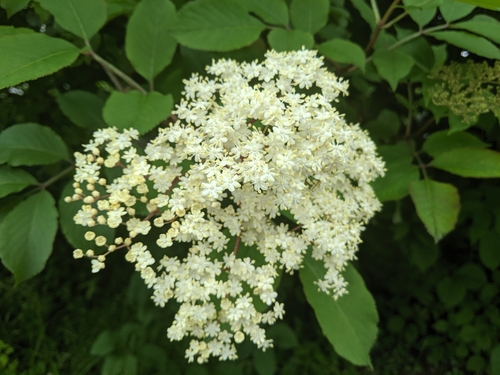
Elder
Sambucus nigra
In 312 air travellers, elderberry extract did not significantly reduce the number of colds (12 vs 17) but colds were shorter (57 vs 117 cold-days in total). A 2019 meta-analysis of 180 participants reported reduced upper-respiratory symptoms; NCCIH calls the evidence preliminary.
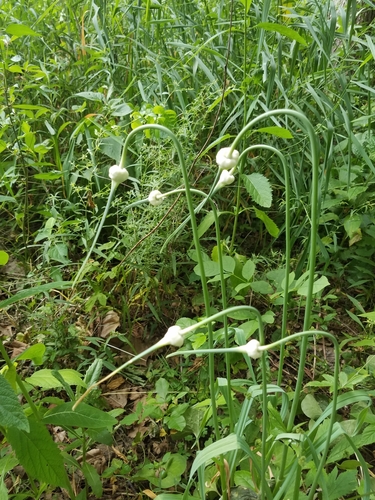
Garlic
Allium sativum
A Cochrane review found only one eligible trial (146 people): an allicin-containing supplement for 12 weeks was associated with fewer colds, but not faster recovery. EMA lists traditional use for relief of cold symptoms.
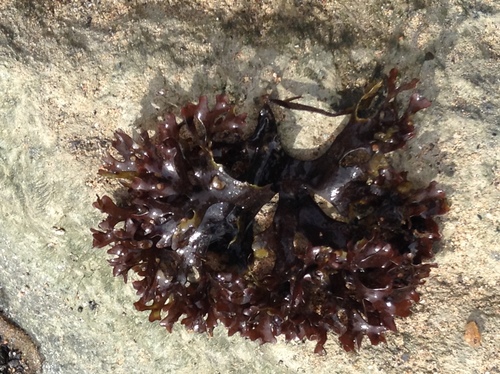
Irish moss
Chondrus crispus
A randomised double-blind trial in 200 adults found that a nasal spray of iota-carrageenan reduced common-cold symptoms. Note that commercial iota-carrageenan comes mainly from Eucheuma seaweed, not Irish moss, and eating sea moss is not the same as using a medicated spray.
Lemon
Citrus x limon
Evidence concerns vitamin C, not lemon itself: regular vitamin C slightly shortens colds (about 8% in adults) but does not prevent them in the general population, and taking it after a cold starts showed no consistent benefit.
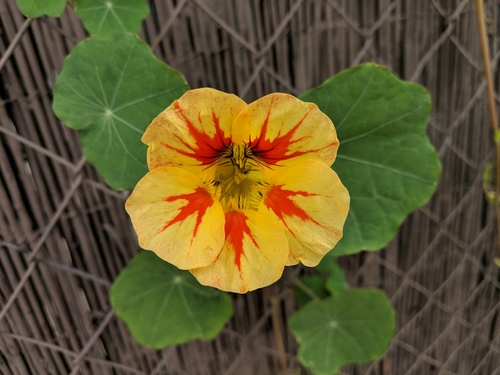
Nasturtium
Tropaeolum majus
A 12-week placebo-controlled trial in 344 people, summarised in a later paper, reported fewer colds on 3×2 tablets daily of the combination (13.3% vs 25.6% infection rate). Only this secondhand summary was read.

Purple coneflower
Echinacea purpurea
A Cochrane review (24 trials, 4,631 people) found no individual prevention trial with a significant result, though pooled results suggested a 10–20% relative risk reduction; only one of seven treatment trials showed shorter colds. EMA nonetheless grants well-established use of E. purpurea pressed juice for short-term prevention and treatment of colds.
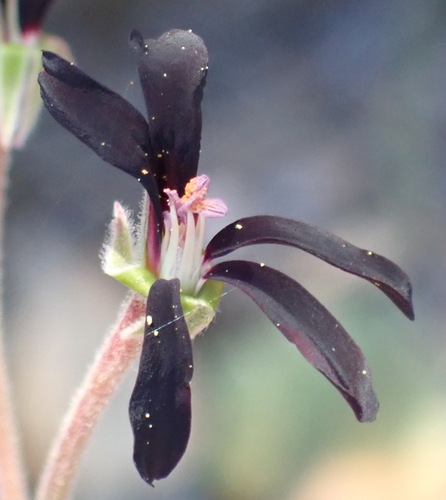
South African geranium (Umckaloabo)
Pelargonium sidoides
EU traditional-use indication for symptomatic treatment of the common cold. Cochrane found one trial showing benefit after 10 days but not after 5, with very low quality evidence.

Sweet orange
Citrus x aurantium
This is about vitamin C, not oranges as such. A Cochrane review found regular vitamin C did not prevent colds in the general population and shortened them only slightly (about 8% in adults); taking it once a cold had started showed no consistent effect.
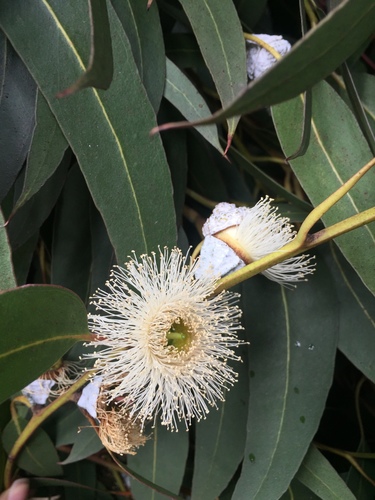
Tasmanian blue gum
Eucalyptus globulus
WHO describes a trial in which inhaled vaporised oil eased nasal congestion in 234 people with respiratory infections only during the first hour, and another in which inhaled oil did not change measured nasal airflow, though volunteers felt they breathed more freely (it stimulates cold receptors in the nose).

Tree turmeric
Coscinium fenestratum
A Sri Lankan traditional decoction of coriander and C. fenestratum is taken for colds and inflammation. In rats, the freeze-dried decoction at human-equivalent doses reduced paw swelling by 72–83% and raised antibody responses. This was a combination product in animals; there are no human trials.
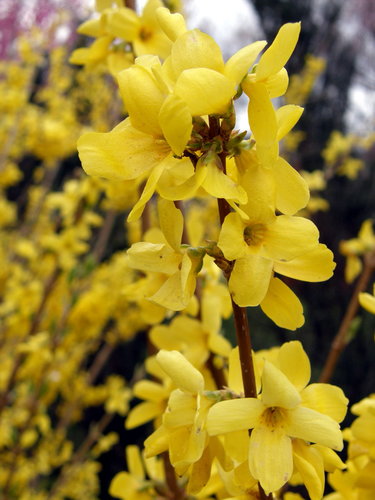
Weeping forsythia
Forsythia suspensa
In a Korean placebo-controlled trial, Yin qiao san granules (Lonicera and Forsythia formula) improved cold-symptom and quality-of-life scores, but only 128 of a planned 375 participants were enrolled before COVID-19 stopped the trial. The effect of forsythia on its own is unknown.

Western honey bee
Apis mellifera
A 2020 meta-analysis of 14 studies found honey improved combined cold symptoms, cough frequency and cough severity compared with usual care; comparisons with placebo were few and inconsistent.
Uso tradicional
TradicionalLargo uso documentado, prácticamente sin ensayos clínicos.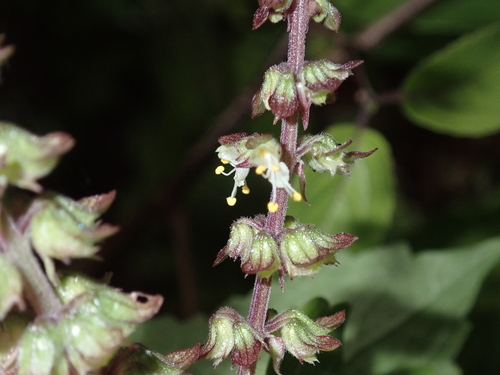
African basil
Ocimum gratissimum
In Cameroon the leaf juice is used for colds, cough, headache and giddiness and the infusion as a chest tonic; in Togo the infusion relieves cough. A 2026 review lists colds and flu as its leading uses.
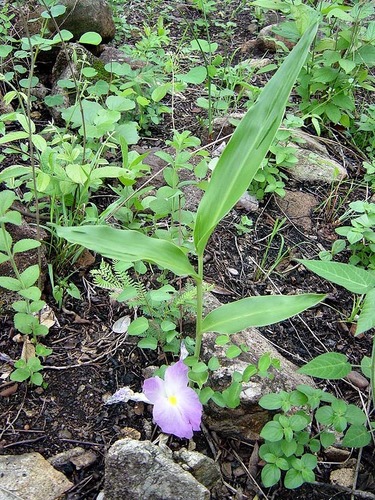
African ginger
Siphonochilus aethiopicus
Used by South African traditional health practitioners for colds, chest wheezing, coughs, influenza and sinus problems; the fresh rhizome is chewed.
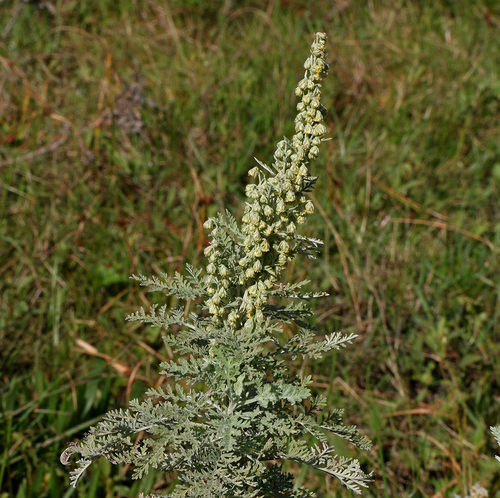
African wormwood
Artemisia afra
Long used against coughs, colds and fever; in a Northern Cape community study it was the most popular remedy for colds and flu, including during COVID-19, drunk as a boiled tea and also to prevent flu. No clinical trials.
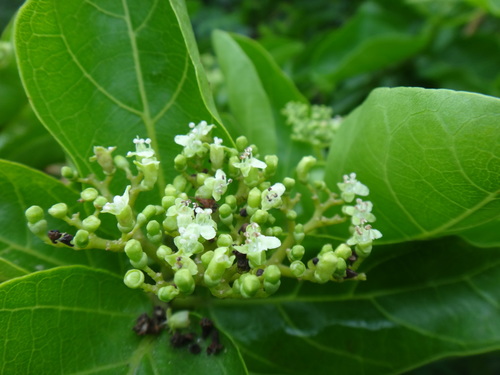
Agnimantha
Premna serratifolia
Leaves, rubbed with pepper, and flowers are used for colds in Indian folk practice.
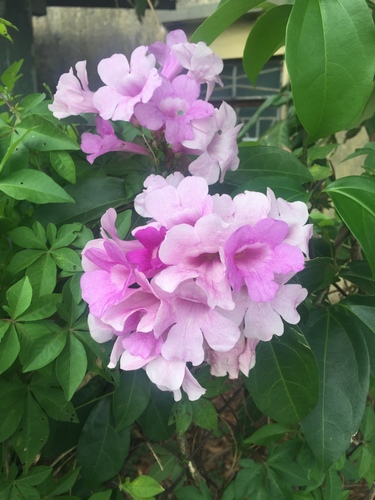
Ajo sacha
Mansoa alliacea
Used for colds and cough in Ecuador.
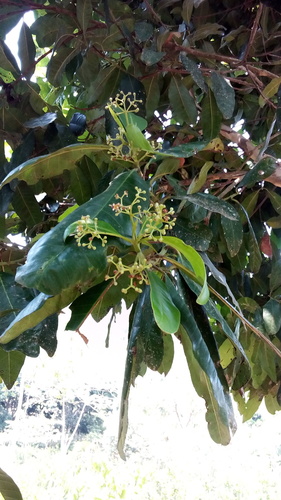
Allspice
Pimenta dioica
Hot allspice tea is a Jamaican folk remedy for colds; in India it has been used to relieve respiratory congestion.
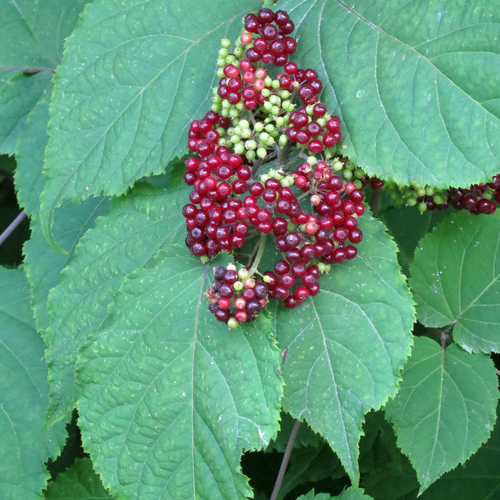
American spikenard
Aralia racemosa
Infusion of the roots used for head colds by the Maliseet and Mi'kmaq, sometimes with angelica root; the Eclectics used it for catarrhal affections.
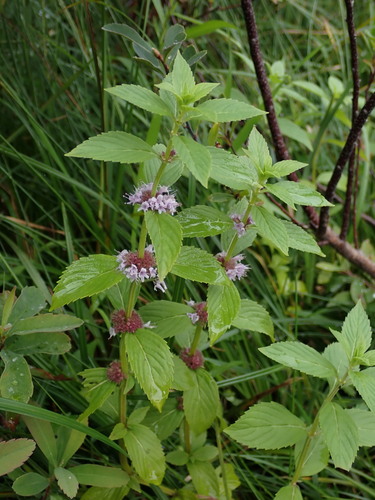
Asian mint
Mentha canadensis
First recorded in Shennong's Materia Medica for 'wind-heat' colds; in Chinese medicine it 'disperses wind-heat'. Cree, Flathead, Kutenai, Carrier and other nations drank infusions or decoctions of wild mint for colds.
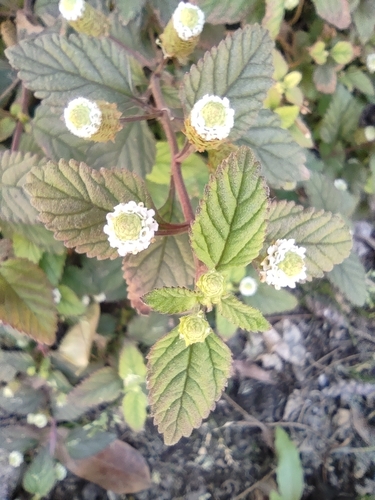
Aztec sweet herb
Lippia dulcis
Part of the same Aztec and later Latin American respiratory use.
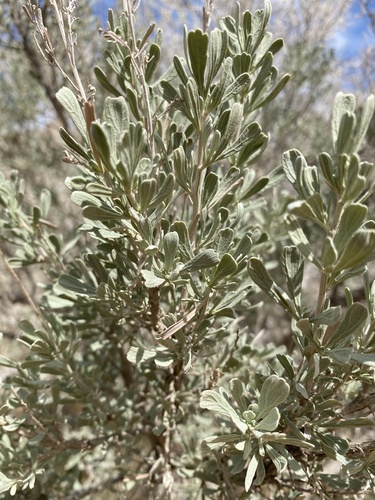
Big sagebrush
Artemisia tridentata
The most widely recorded use: Diegueño, Flathead, Gosiute, Havasupai and Kawaiisu people drank leaf infusions or inhaled the fumes of burning or boiled sagebrush for colds and runny noses.
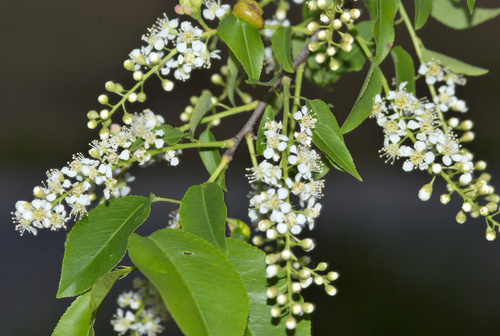
Black cherry
Prunus serotina
Infusions of bark, buds or leaves for colds among the Cherokee, Iroquois, Mohegan, Narragansett, Ojibwa, Rappahannock and Shinnecock.

Borage
Borago officinalis
Leaves and flowers are used in traditional medicine of several countries for respiratory disorders, colds and influenza, and as a mild diuretic, expectorant and sweat-inducer; no clinical trials.
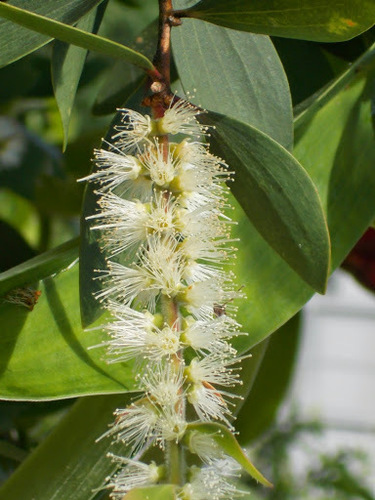
Cajuput
Melaleuca cajuputi
The oil has a long tradition of use, particularly in Indonesia, for colds, and the leaves are used as a tea or as an inhaled vapour for respiratory infections.
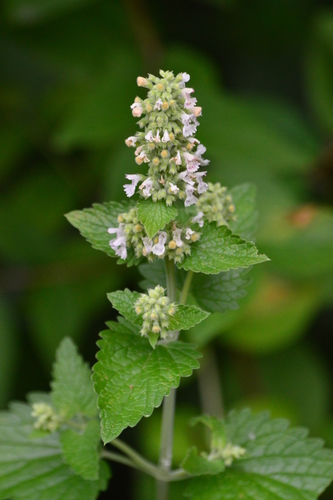
Catnip
Nepeta cataria
Warm catnip infusion, often with saffron, was a popular Eclectic remedy for colds and feverish illnesses in infants and young children; the Cherokee used catnip syrup with honey for colds and an infusion for babies' colds.
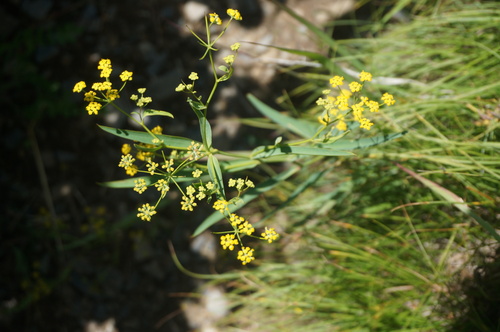
Chinese thorowax
Bupleurum chinense
The Chinese pharmacopoeia, cited by WHO, lists the root for fever, pain and inflammation with the common cold and influenza.
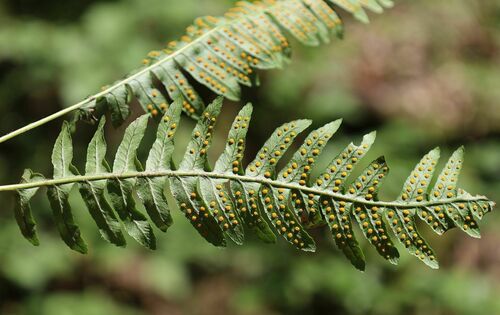
Common polypody
Polypodium vulgare
Part of the same EMA traditional indication, 'expectorant in cough and cold'. Norwegian folk use cooked the root in milk and sugar against the common cold.
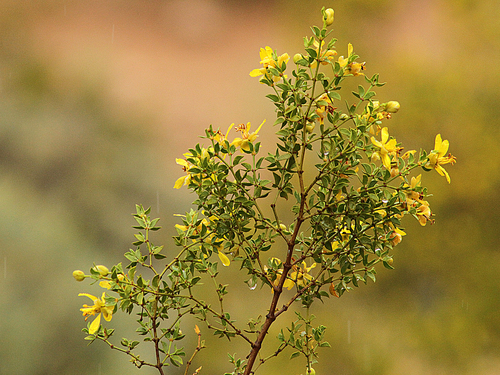
Creosote bush
Larrea tridentata
Leaf infusions or decoctions were drunk for colds by the Paiute, Shoshoni, Cahuilla and Hualapai, and the Pima drank a decoction of the gum. No clinical evidence.
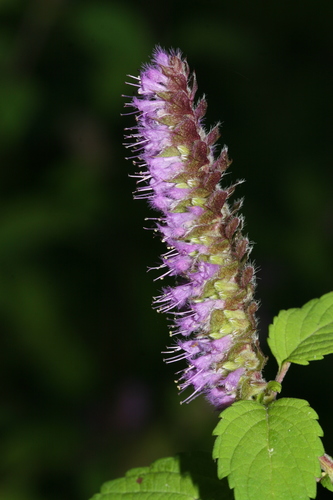
Crested late-summer mint
Elsholtzia ciliata
In Chinese medicine it is used for 'summer cold' with chills and fever and headache without sweating, on the theory that it induces sweating and relieves the exterior; no clinical trials of E. ciliata itself were found.

Devil's club
Oplopanax horridus
A decoction or infusion of the inner bark or roots is taken for colds by many peoples, including the Cowlitz, Gitksan, Oweekeno and Sanpoil; Alaska Natives use it for colds, cough and fever.

Dwarf rhododendron
Rhododendron anthopogon
An infusion of young fresh flowers is used for colds in Nepal, and Nepali herbal-tea use of the flowers covers the common cold and gastritis.
Elder
Sambucus nigra
EMA traditional use: elderflower for relief of early symptoms of the common cold, adults and adolescents over 12; the EMA notes that clinical studies with elderflower are lacking.
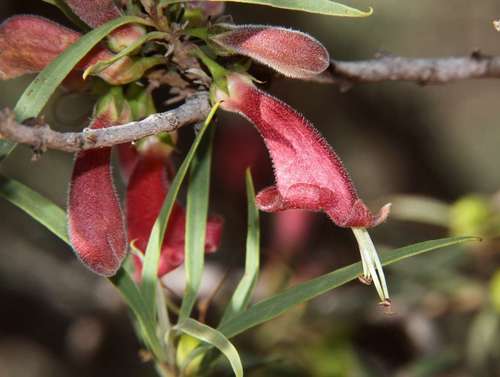
Emu bush
Eremophila longifolia
Drinking leaf decoctions is among the most frequently reported Eremophila treatments for colds. Not tested.

Eyebright
Euphrasia officinalis
Tinctures taken by mouth and a nasal ointment containing eyebright tincture are recorded for colds and runny nose; EMA found no adequate data for these preparations.
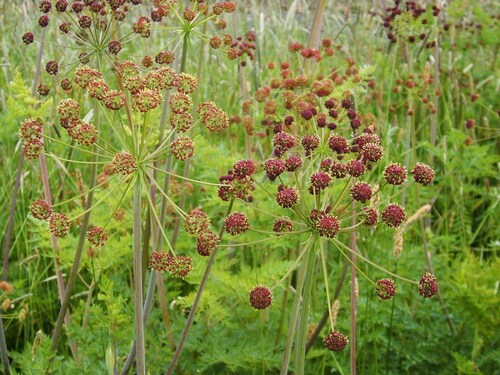
Fernleaf biscuitroot
Lomatium dissectum
Recorded as a cold remedy by Paiute, Shoshoni, Northern Paiute and other Great Basin peoples: a decoction of the root drunk, the root smoked with tobacco, or root chips thrown on a fire and the fumes inhaled.

Fever bush
Dicoma anomala
Used for colds and coughs by the Basotho; Lesotho HIV-positive users in one survey took the dried, crushed root mixed with water, and the literature they cited lists it for colds and fever.

Fever tea
Lippia javanica
Colds are the most frequently recorded use across its range; a leaf infusion is taken as a decongestant for colds and coughs in South Africa, Kenya and Zimbabwe. Essential oils from the leaves reduced respiratory microbes such as Klebsiella pneumoniae and Cryptococcus neoformans in lab time-kill studies.

Florist's chrysanthemum
Chrysanthemum x morifolium
The Chinese Pharmacopoeia (2020) lists juhua for 'wind-heat' colds, and it is a main ingredient of the cold remedy Sangju Ganmao Wan. Extracts are antibacterial and anti-inflammatory in lab studies, but no clinical studies were found.
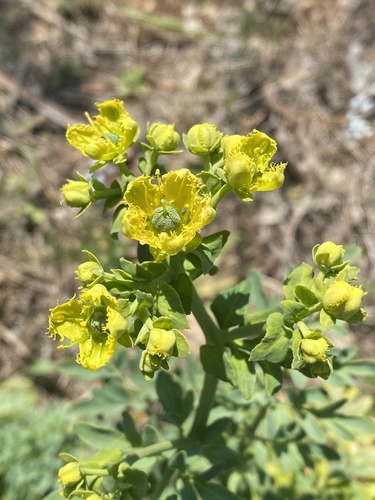
Fringed rue
Ruta chalepensis
Ethiopian surveys record it for the common cold, headache, fever, nausea and stomach ache, including among pregnant women. These records come from interviews, not trials.
Gambian tea bush
Lippia multiflora
Used by healers in Angola and elsewhere in Africa for colds, coughs and bronchial inflammation. Not clinically tested.
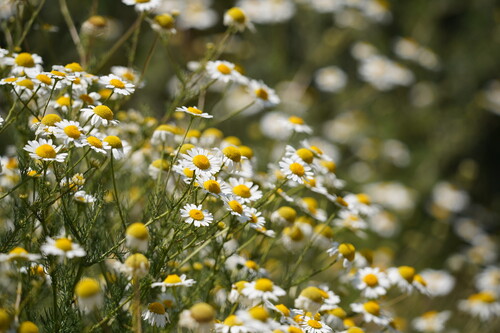
German chamomile
Matricaria chamomilla
Inhaling the steam of a chamomile infusion is an EMA traditional-use indication for relief of cold symptoms.

Ginger
Zingiber officinale
EMA traditional use for relief of common cold symptoms; Traditional Chinese Medicine uses fresh ginger to induce sweating at the start of a cold.
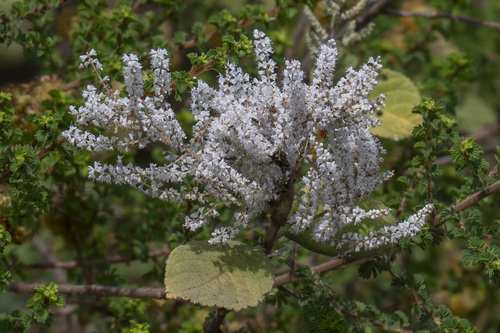
Ginger bush
Tetradenia riparia
Leaf infusions and steam inhalation are used across southern Africa for colds, flu and bronchitis. There are no clinical trials, and fatal poisonings have followed self-medication with too much hot-water extract for colds or flu.
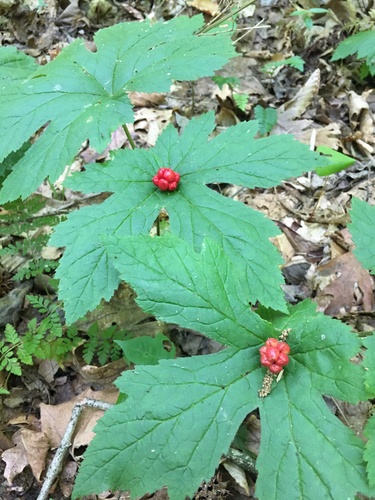
Goldenseal
Hydrastis canadensis
Promoted for colds and upper respiratory infections, but NCCIH states there is not enough evidence to know whether it helps any condition, and no rigorous studies in people.
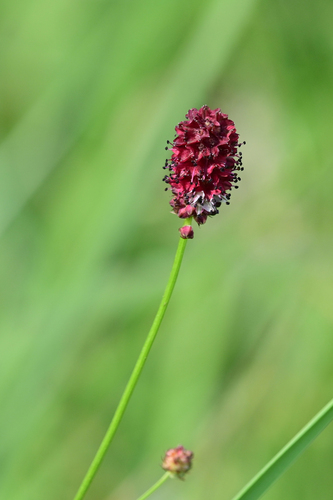
Greater burnet saxifrage
Pimpinella major
In Lower Austria the root is taken as a tea, in milk or as a liqueur for colds, flu, fever and infections. A dichloromethane root extract showed moderate NF-κB inhibition and strong activity in one cytokine-expression assay in vitro; no human studies exist.

Greek mountain tea
Sideritis scardica
Part of the same EMA indication; in Balkan folk medicine the tea is taken against colds, flu, sore throat and sinus congestion.
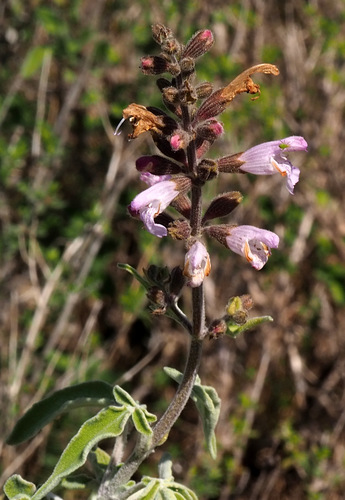
Greek sage
Salvia fruticosa
Infusions are used for coughs and colds in the Paphos district of Cyprus.
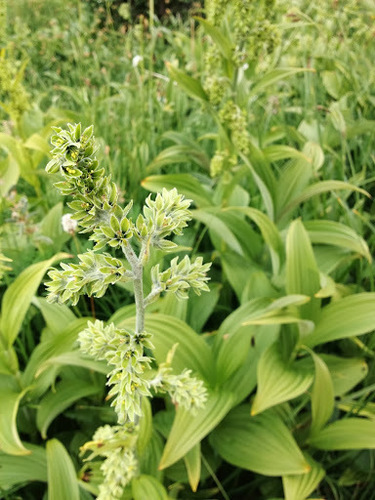
Green hellebore
Veratrum viride
Dried powdered root used as a snuff to cause sneezing and clear the nose in colds by the Iroquois, Okanagan-Colville, Salish, Kwakiutl, Haisla and others.
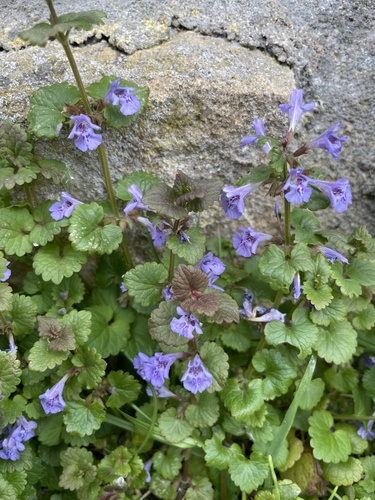
Ground ivy
Glechoma hederacea
The Cherokee drank an infusion for colds, and in Austria the herb is taken as tea for respiratory complaints, fever and flu. Not tested clinically.
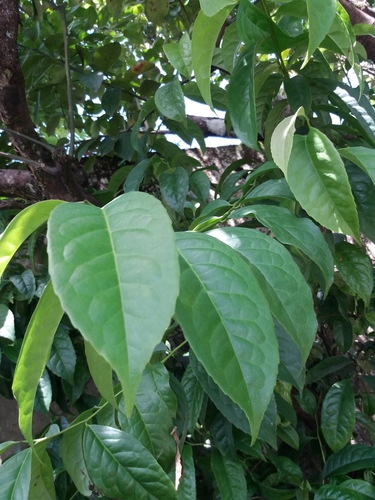
Guayusa
Ilex guayusa
Kichwa people mix the infusion with ginger, lime juice, chuchuwasi and cane liquor to treat colds.
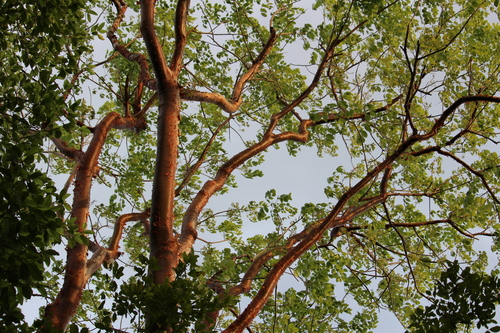
Gumbo-limbo
Bursera simaruba
Used in Mexico for colds, and by Haitian immigrants in Cuba as a decoction of the shoots with Annona squamosa root for catarrh.
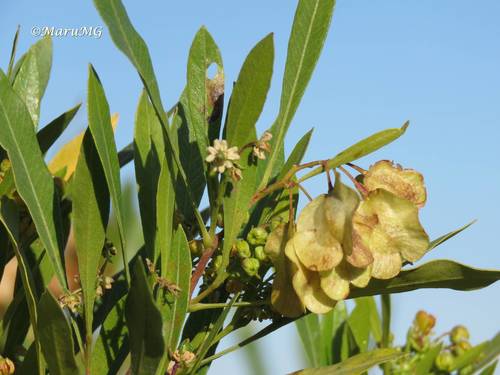
Hopbush
Dodonaea viscosa
A 2026 review notes that bark and leaf teas are used in several countries for colds, influenza, digestive disorders, thrush and measles; this rests on ethnobotanical records, not trials.
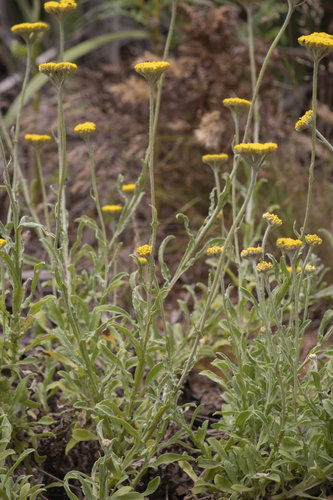
Imphepho
Helichrysum odoratissimum
Part of the same inhaled and fumigant uses for colds and flu recorded in South Africa and Lesotho; untested in people.
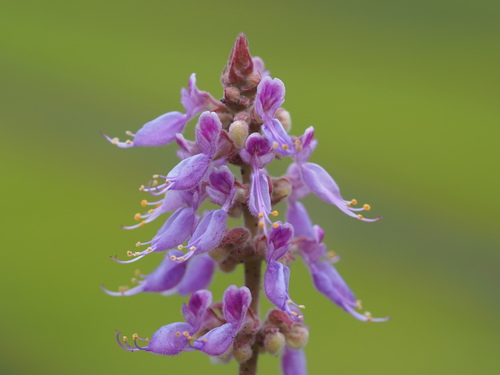
Indian borage
Coleus amboinicus
Part of the same Indian respiratory use of the leaf juice, including nasal congestion; untested clinically.
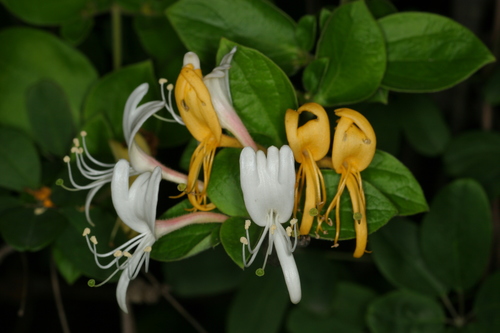
Japanese honeysuckle
Lonicera japonica
In Chinese medicine the buds treat 'exopathogenic wind-heat' (feverish colds) and are a main ingredient of Chinese Pharmacopoeia cold formulas such as Yin Qiao Jie Du Pian, with forsythia and mint. The herb alone has not been tested in controlled trials.
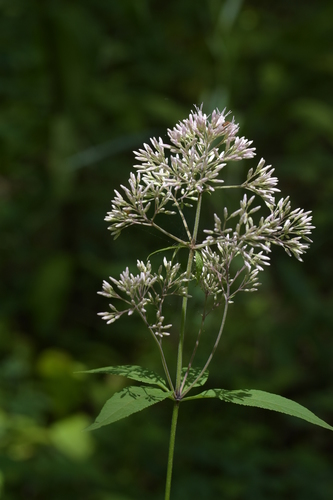
Joe-Pye weed
Eutrochium purpureum
The Chippewa inhaled the vapour of an infusion of the plant tops for colds.
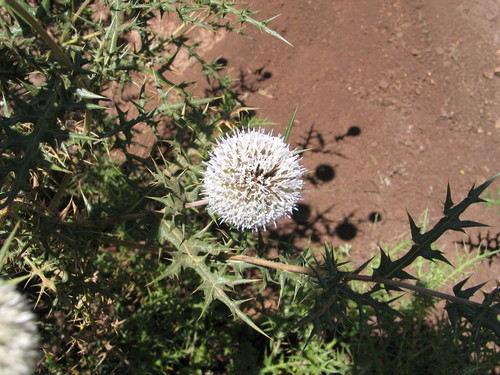
Kebericho
Echinops kebericho
Root smoke is inhaled for the common cold, cough and tonsillitis.

Kidney-leaved pelargonium
Pelargonium reniforme
EMA lists pelargonium root (P. sidoides and/or P. reniforme) as a traditional herbal medicine for the symptomatic treatment of the common cold, based on long-standing use. The clinical trials behind pelargonium products used P. sidoides extract (EPs 7630), not P. reniforme.
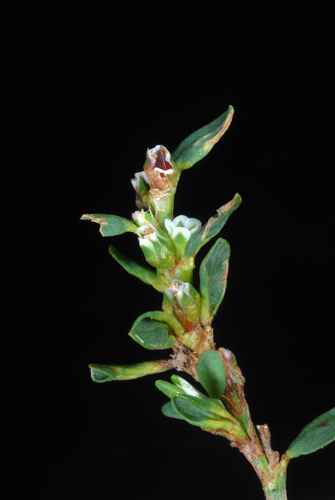
Knotgrass
Polygonum aviculare
EMA traditional use as a tea for relief of common-cold symptoms.
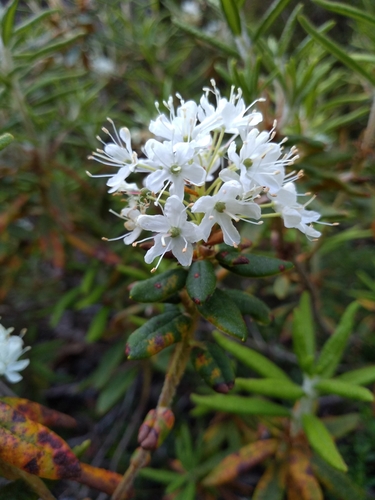
Labrador tea
Rhododendron groenlandicum
Abenaki, Algonquin, Haisla and Hanaksiala, and Kitasoo peoples drank infusions or decoctions of the leaves for colds and other respiratory ailments.
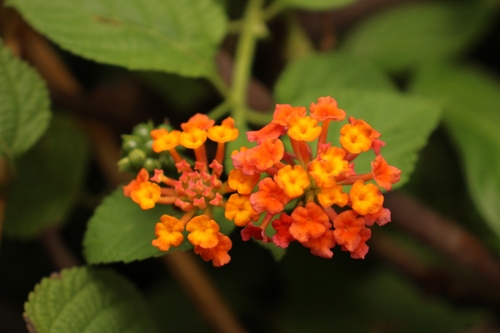
Lantana
Lantana camara
The Kikuyu of Kenya inhale crushed leaves for the common cold; in Minas Gerais, Brazil, a decoction or infusion is used for respiratory diseases and fever.
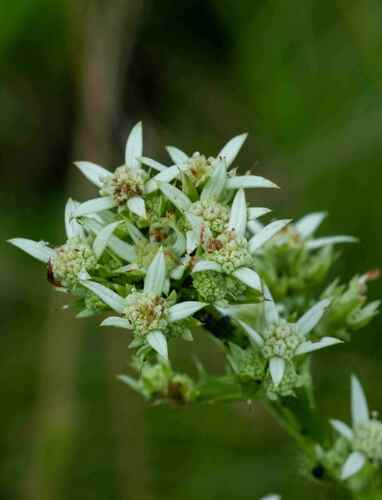
Larger tinsel flower
Alepidea amatymbica
Widely used in South Africa, Lesotho, Swaziland and Zimbabwe for colds, coughs and influenza: fresh or cooked rhizome is chewed or sucked, or dry material smoked and the smoke inhaled. No clinical trials have been published.
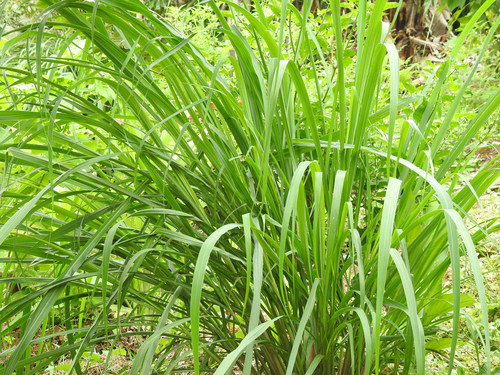
Lemongrass
Cymbopogon citratus
In Freetown, Sierra Leone, 85% of surveyed residents used lemongrass for colds.
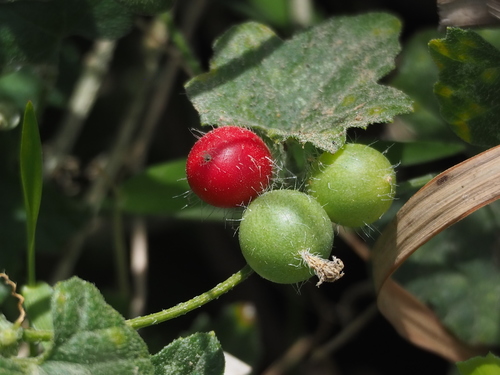
Madras pea pumpkin
Mukia maderaspatana
Leaf powder with rice for the common cold in Tamil Nadu; untested.

Mandravasarotra
Cinnamosma fragrans
Women of the Agnalazaha forest use the bark ('kanely') for colds and headache; Malagasy people use the essential oils for respiratory problems.
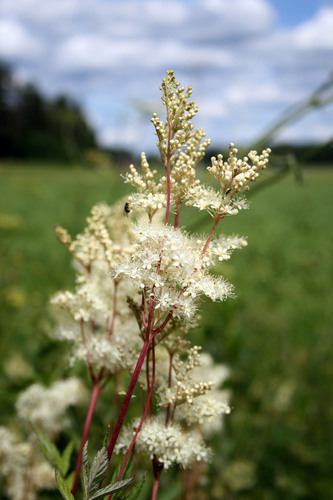
Meadowsweet
Filipendula ulmaria
EMA traditional use for supportive treatment of the common cold, started at the first signs; Commission E also listed herb and flower as supportive therapy for colds. No clinical data support it.
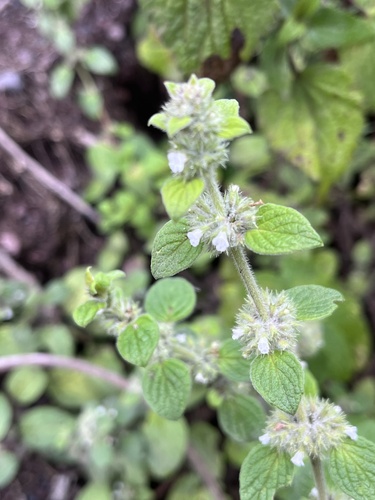
Muña
Minthostachys mollis
Leaf infusions are drunk for flu and colds in Incahuasi, Peru, and colds are among its listed uses in Ecuador and Peru generally. No clinical data.
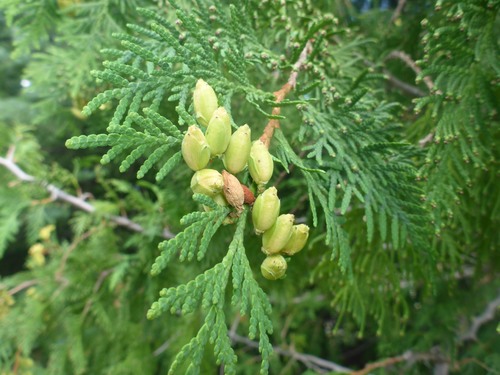
Northern white cedar
Thuja occidentalis
Algonquin people used branches in the steam bath for colds and fevers; the Iroquois inhaled steam from a leaf decoction for colds.
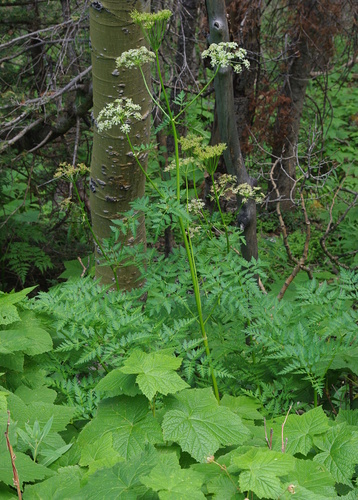
Osha
Ligusticum porteri
Used in the Rocky Mountain region for colds and flu and as an 'immune booster'; no clinical studies.
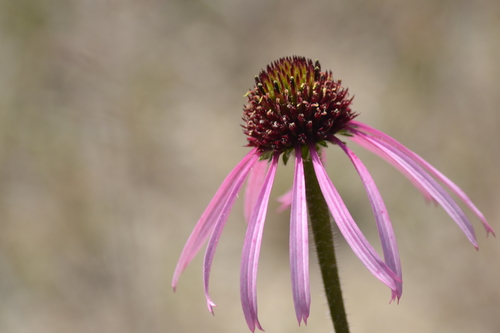
Pale purple coneflower
Echinacea pallida
EMA accepts traditional use of an ethanol dry extract (DER 4–8:1) and a 1:5 tincture for relief of common-cold symptoms, starting at the first signs. A randomised, double-blind trial in 160 adults with flu-like upper respiratory infections reported shorter illness (about 9–10 vs 13 days) with an E. pallida root extract equivalent to 900 mg root daily, but EMA found the extract poorly specified and the symptom score unvalidated. EMA notes there are no clinical data on prevention.

Pennyroyal
Mentha pulegium
Recorded in traditional medicine for colds (Luís & Domingues 2021) and in Moroccan traditional medicine for influenza, cough and respiratory ailments.

Peppermint
Mentha x piperita
EMA traditional use of the oil, inhaled or applied to chest and back, for relief of cough and cold symptoms in adolescents and adults.
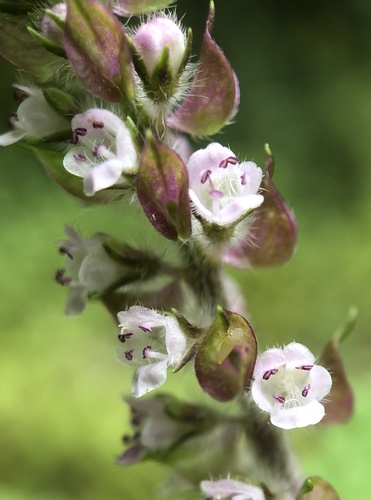
Perilla
Perilla frutescens
Chinese medicine uses the leaf to 'expel wind and disperse cold' for fever, chills, headache and stuffy nose.
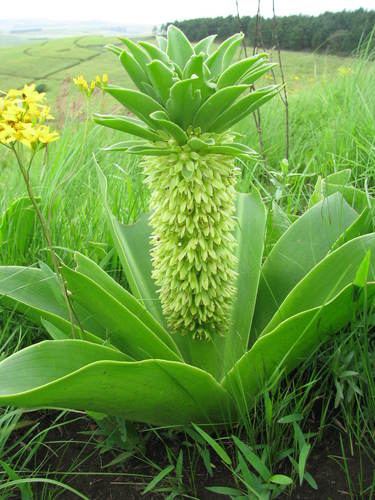
Pineapple flower
Eucomis autumnalis
Recorded in southern Africa as a treatment for colds and influenza, with no preparation specified. The subspecies clavata is used for coughs and respiratory ailments. There are no clinical data.
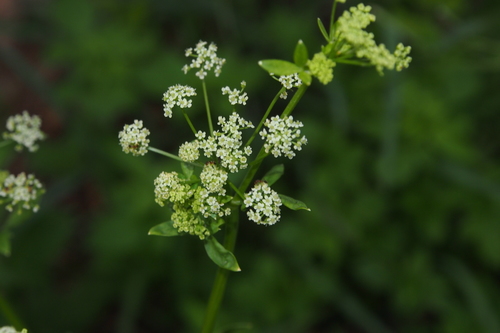
Qian hu
Peucedanum praeruptorum
Classical Chinese texts record its use for colds and headaches; the Chinese Pharmacopoeia describes it as dispersing wind-heat.
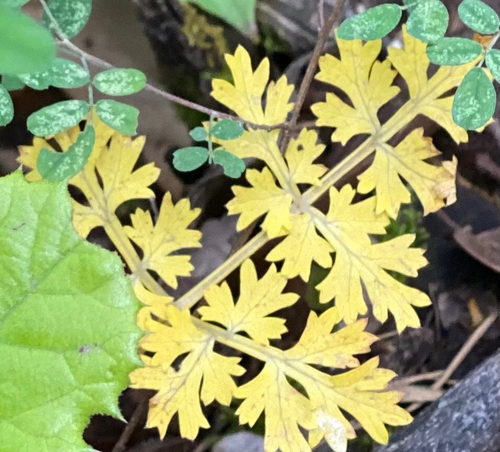
Qiang huo
Notopterygium incisum
Used as a diaphoretic (sweat-inducing) herb for colds in Chinese medicine; not clinically tested on its own.
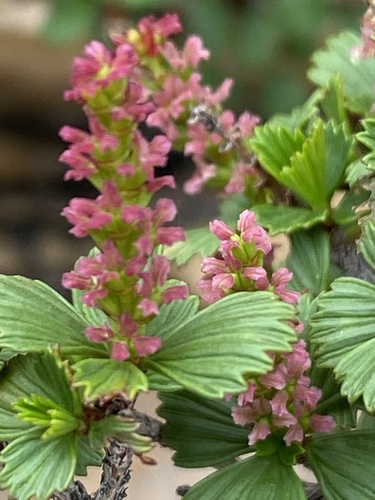
Resurrection bush
Myrothamnus flabellifolia
In south-central Zimbabwe the leaves and twigs are boiled and drunk as a remedy for colds and other chest complaints; reviewers also record use for chest and upper-respiratory infections. No clinical studies were found.
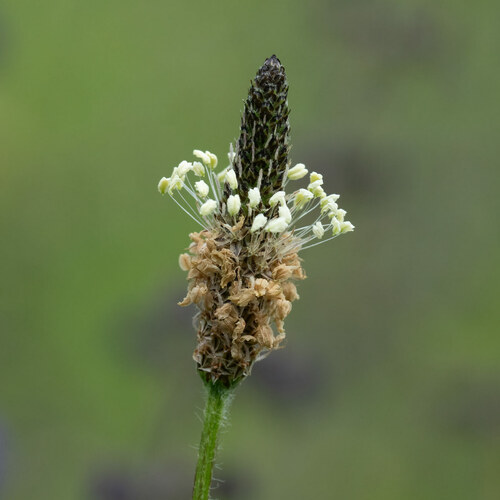
Ribwort plantain
Plantago lanceolata
Covered by the same EU indication: relief of cough associated with colds.
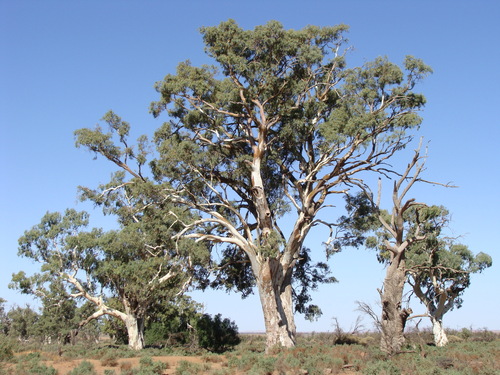
River red gum
Eucalyptus camaldulensis
Young leaves were burnt in Aboriginal 'smoke baths' for colds, fevers, flu and general sickness, and leaf decoctions were used for coughs and colds. In Zimbabwe a leaf extract is drunk with lemon and guava leaves for cough, flu and fever.

Rosary pea (Jequirity)
Abrus precatorius
Indian folk medicine uses the plant for colds and fevers, among many other complaints. Support comes only from lab studies.
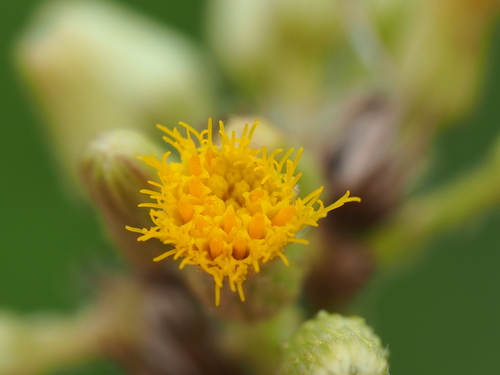
Sambong
Blumea balsamifera
Used for the common cold in the Philippines; in Thailand the dried leaves are smoked like a cigarette for sinusitis and cough.
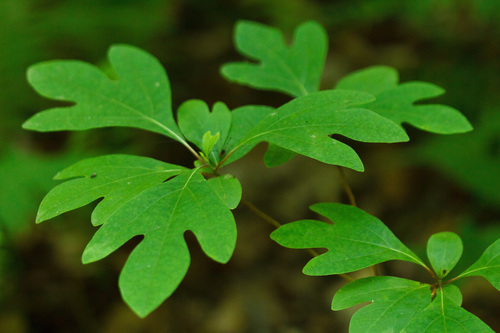
Sassafras
Sassafras albidum
Cherokee and Iroquois took root infusions for colds; an Eastern Kentucky survey found the root still made into tea for respiratory symptoms such as bronchitis.
Schizonepeta
Nepeta tenuifolia
Jing jie is commonly sold in Chinese proprietary medicines for the common cold and fever; a 2002 clinical-pharmacology review called for studies to show efficacy and safety. No controlled human trials of the herb alone were found.
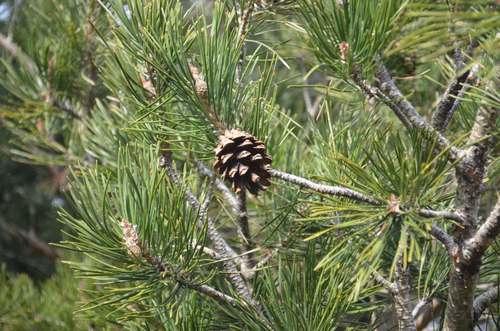
Scots pine
Pinus sylvestris
In one Transylvanian village people inhale the scent of fresh shoots against colds; syrups and decoctions of pine cones are also made there. Matthioli's herbal gave pine cones, bark, seeds and resin in medicated wine for fevers, colds and coughs.
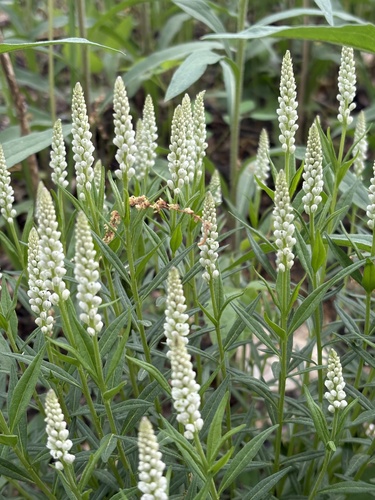
Seneca snakeroot
Polygala senega
Cherokee use for colds and as a sweat-inducing remedy, and Blackfoot use of a root decoction for respiratory diseases, as recorded in the Native American Ethnobotany Database.
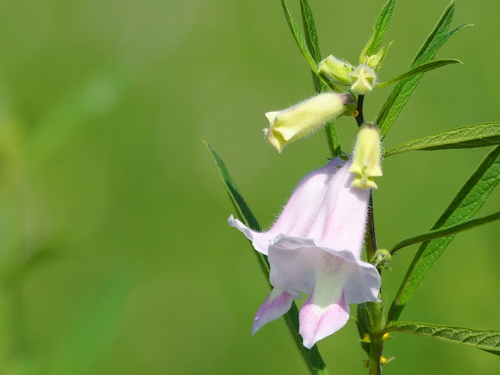
Sesame
Sesamum indicum
Ayurveda recommends sesame oil, and sesame-oil-based Anu taila, for daily oral gargling and nasal application (nasya) to protect against upper respiratory infections; India's Ministry of AYUSH included this in COVID-19 preventive guidance. Human trials of this use were not found.
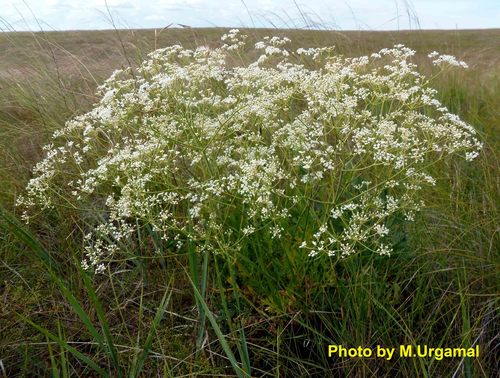
Siler
Saposhnikovia divaricata
Its classical action is 'dispelling wind and relieving exterior symptoms', and it is widely used in China for the common cold and headache. No trials of the herb alone were found.
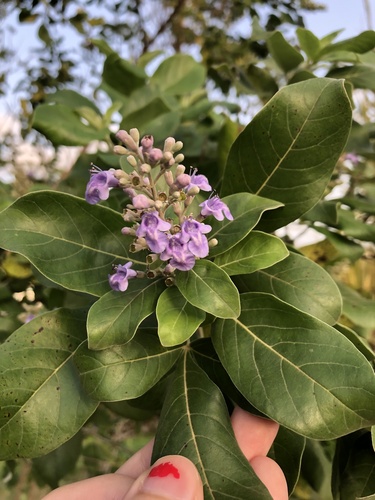
Simpleleaf chaste tree
Vitex trifolia
Used in TCM for 'wind-heat' colds and in Korea for upper respiratory infections and allergic diseases.
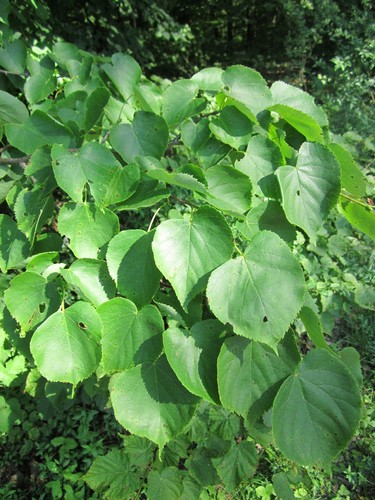
Small-leaved lime
Tilia cordata
EMA traditional-use indication: relief of symptoms of the common cold, accepted on the basis of more than 30 years of use. The only clinical report the EMA assessors found was an open study of 30 people with catarrh who inhaled lime-flower steam or coloured-water steam. It had no statistical analysis, so it could not be assessed.
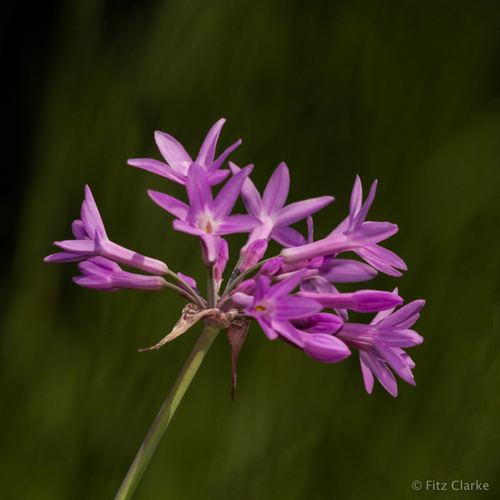
Society garlic
Tulbaghia violacea
Used for colds in South African folk medicine; untested.
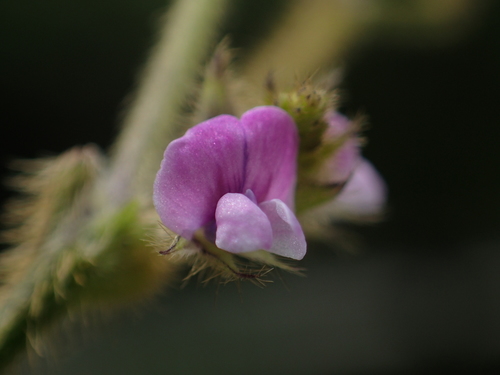
Soybean
Glycine max
In Chinese medicine lightly fermented soybean (dan dou chi) is used to induce sweating in colds and fevers with headache, often with spring onion or gardenia. Not tested in trials.
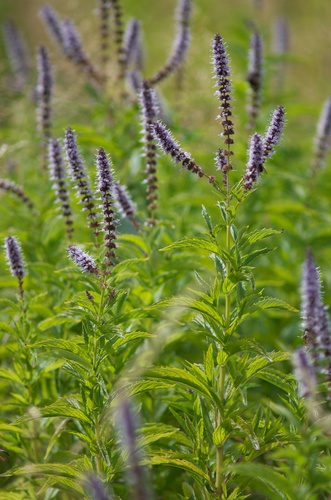
Spearmint
Mentha spicata
In Aseer province, Saudi Arabia, a leaf decoction or infusion is drunk or inhaled for colds and respiratory distress; it was the most-cited medicinal plant there, with cloves. Traditional uses elsewhere include cold, cough, asthma and fever.
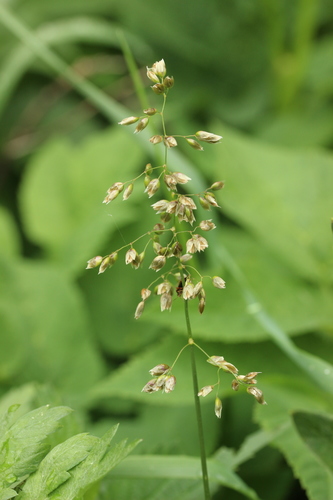
Sweetgrass
Anthoxanthum nitens
Blackfoot people inhaled the smoke of burning leaves for colds; the Flathead used an infusion for colds and fevers, and with meadow-rue seeds for congested nasal passages. No clinical studies.
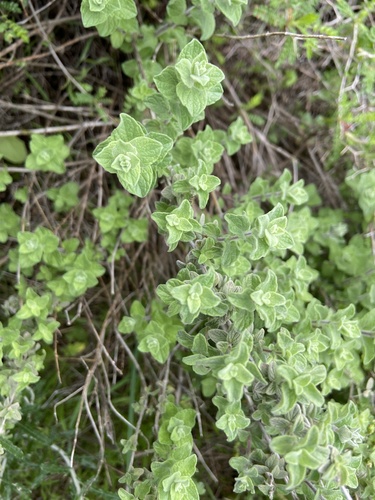
Syrian oregano
Origanum syriacum
Used for colds in Arab folk medicine and mainly for cold symptoms in Turkey.
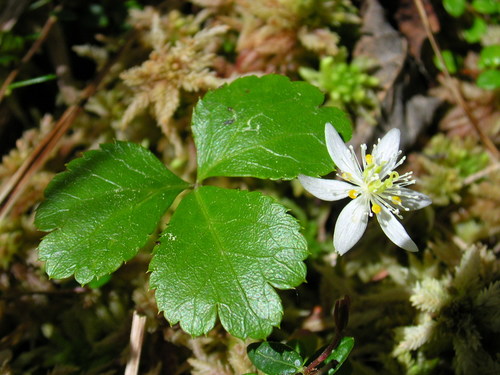
Threeleaf goldthread
Coptis trifolia
Abenaki people used a decoction with another plant for colds, and the plant for coughs; the Tête-de-Boule (Algonquin) boiled the roots for serious colds and respiratory troubles.
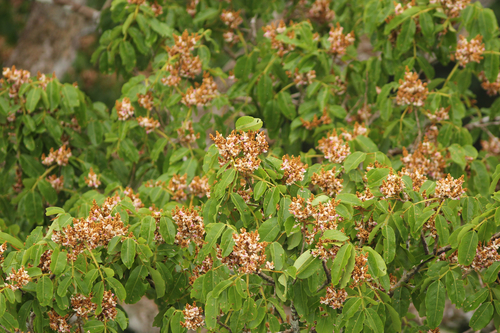
Tonka bean
Dipteryx odorata
The Guajajara people of southern Maranhão use the seeds to relieve congestion. Healers in São Luís and nearby cities use them for respiratory ailments.

Welsh onion
Allium fistulosum
Used as a folk remedy for the common cold in Japan and, in traditional Korean medicine, for the common cold and febrile disease. No clinical trials were found.
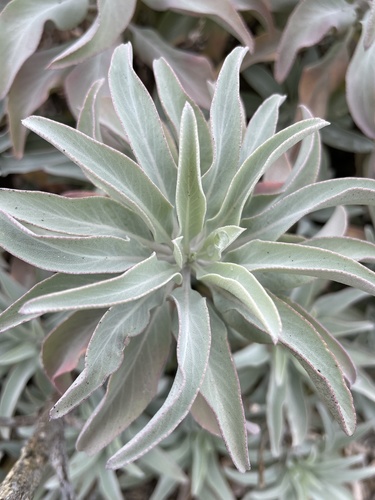
White sage
Salvia apiana
Cahuilla people ate and smoked the leaves and used them in the sweathouse for colds; Diegueño people drank a leaf decoction for colds. Chumash use as a cold remedy is also reported.
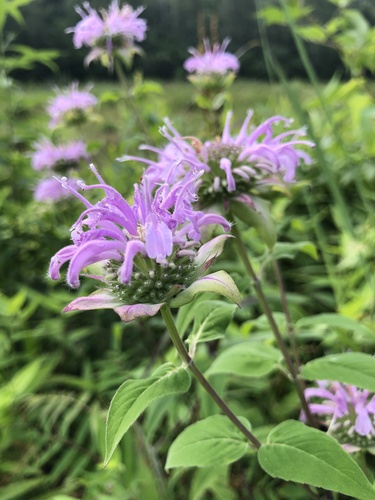
Wild bergamot
Monarda fistulosa
Recorded as a cold remedy by the Cherokee (leaf poultice), Chippewa (plant tops), Flathead (infusion, or plants hung on walls) and others. No clinical trials.
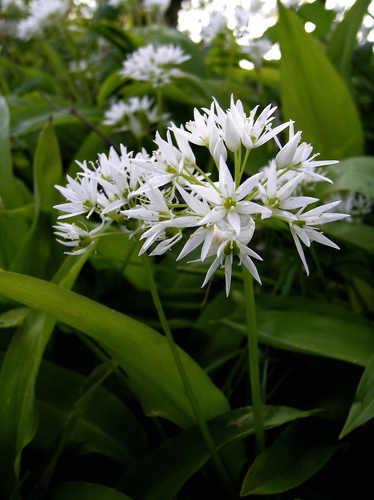
Wild garlic
Allium ursinum
Often used in European folk medicine for colds with fever and for bronchitis. Untested clinically.

Wild ginger
Asarum sieboldii
Used in more than 40 Chinese patent medicines for colds, runny nose and cough with phlegm; the Kampo formula maobushisaishinto, containing Asiasari Radix with ephedra and processed aconite, is used in Japan for the common cold.
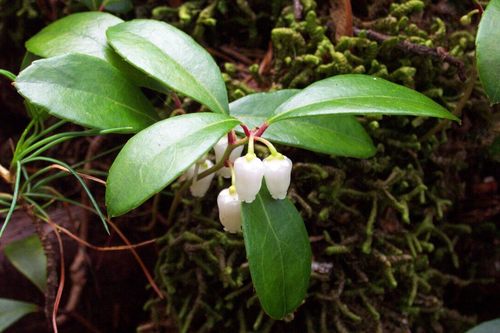
Wintergreen
Gaultheria procumbens
Algonquin, Cherokee, Chippewa and Iroquois took the leaf or plant infusion for colds; the Tête-de-Boule (Atikamekw) also applied the whole plant to the chest as a poultice and drank leaf tea for grippe.
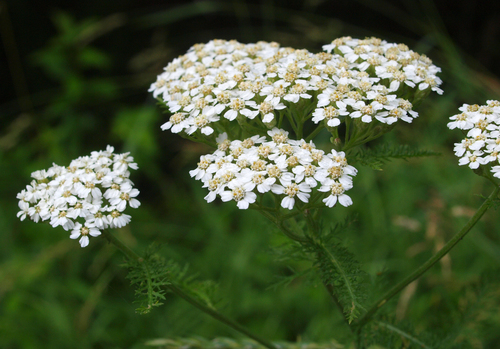
Yarrow
Achillea millefolium
Infusions were given for colds and fevers by the Abnaki, Algonquin and other nations; untested in trials.
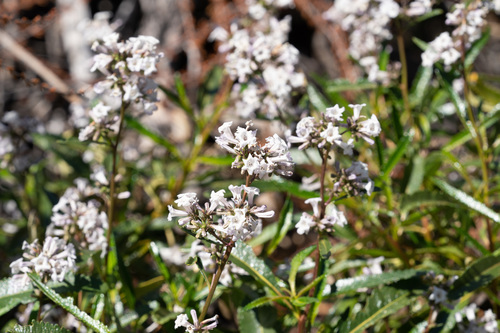
Yerba santa
Eriodictyon californicum
One of the most widely recorded uses: Atsugewi, Costanoan, Karok, Kawaiisu, Miwok and Yurok people chewed the plant or drank the tea for colds.
Evidencia en contra
En contraBuenos ensayos no hallaron beneficio.Kudzu
Pueraria montana var. lobata
Kakkonto, a Japanese Kampo formula, is widely used for early colds both on prescription and in self-medication. In a randomised trial of 340 adults treated within 48 hours of onset, it was no better than a Western multi-symptom cold remedy at preventing colds from getting worse (22.6% vs 25.0%).
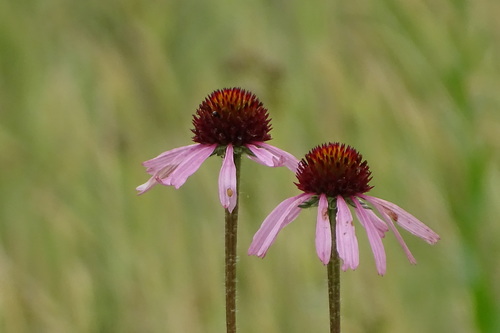
Narrow-leaved coneflower
Echinacea angustifolia
In a 2005 trial in 399 volunteers deliberately infected with a rhinovirus, three different E. angustifolia root extracts, given before or after the challenge, had no significant effect on infection rates or symptoms. A Cochrane review of all echinacea products (24 trials, 4631 people) found no clear benefit for treating colds and at most a weak preventive effect of questionable clinical relevance. EMA nevertheless registers the root as a traditional remedy for supportive treatment of colds, on the basis of long use.
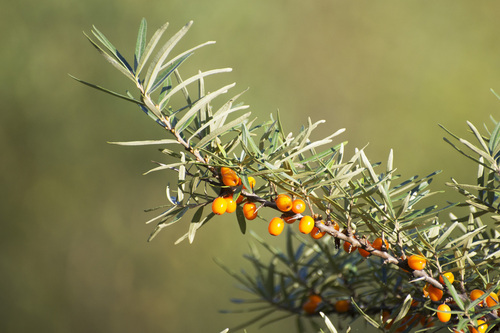
Sea buckthorn
Hippophae rhamnoides
In a placebo-controlled trial in 254 healthy adults, sea buckthorn berries did not reduce the number or duration of colds or digestive infections, though C-reactive protein fell slightly.