La Botica / Pulmones y respiración
Tuberculosis
30 remedios
Acude al médico si
La tuberculosis solo se cura con un tratamiento antibiótico completo. Una tos de más de tres semanas, sudores nocturnos o tos con sangre requieren pruebas.
Referencia, no receta. Nada de esto es consejo médico. Las hierbas pueden interactuar con medicamentos y ser peligrosas en el embarazo; informa a tu médico o farmacéutico de todo lo que tomes.
Evidencia limitada
LimitadaPocos ensayos o pequeños, resultados mixtos, o sobre todo estudios de laboratorio y en animales.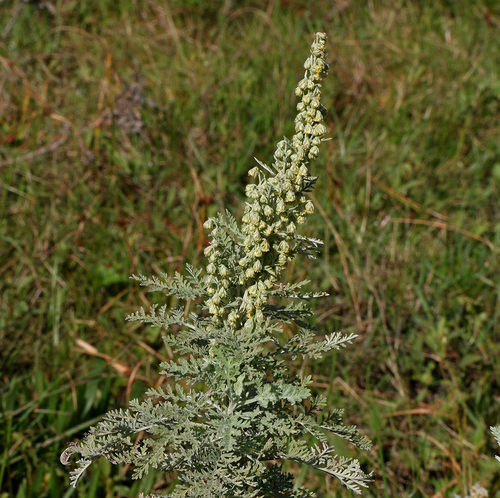
African wormwood
Artemisia afra
Extracts and an O-methylflavone from the plant killed Mycobacterium tuberculosis, including non-replicating bacteria, in laboratory studies; no human data.
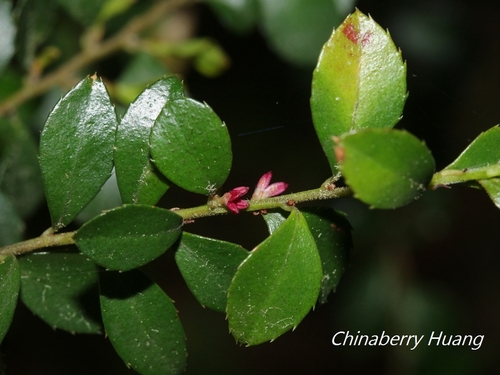
Cape myrtle
Myrsine africana
Seeds used in Kenya for tuberculosis and lung conditions; fruit extracts from Pakistan showed antimycobacterial activity in vitro.
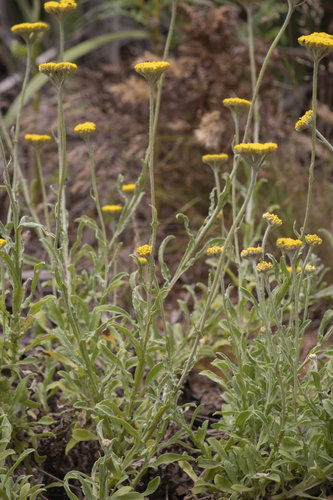
Imphepho
Helichrysum odoratissimum
Leaves or whole plant are used for tuberculosis in Mpumalanga. In the laboratory an acetone extract inhibited Mycobacterium tuberculosis H37Rv at 0.5 mg/mL while a water extract was inactive at 5 mg/mL; these are weak activities and there are no animal or human studies.

Kidney-leaved pelargonium
Pelargonium reniforme
Root extracts are used in South Africa for tuberculosis. They showed weak activity against M. tuberculosis (MIC about 10 mg/ml) and fatty-acid fractions inhibited fast-growing mycobacteria in the lab; there is no clinical evidence, and tuberculosis needs standard drug treatment.
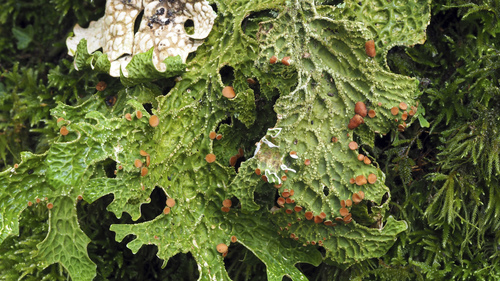
Lungwort lichen
Lobaria pulmonaria
The classic folk use. In 2026 an acetone extract inhibited Mycobacterium tuberculosis (IC50 7.7 µg/ml) and stictic acid, fukinanolide A and scrobiculin were active against six multidrug-resistant clinical isolates in the laboratory, at concentrations well below those toxic to human macrophages. Test-tube work only; not a treatment for TB.
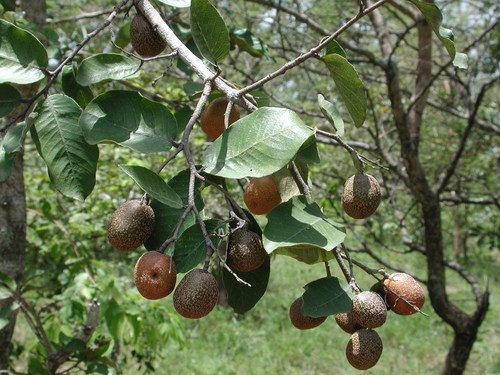
Mobola plum
Parinari curatellifolia
In Bukoba district, Tanzania, the bark and root (omunazi) are used for HIV/AIDS-related opportunistic infections: tuberculosis, chronic diarrhoea, skin rashes, herpes zoster and herpes simplex. Leaf extracts inhibited Mycobacterium smegmatis, a laboratory stand-in for TB bacteria, in vitro (MIC 25 µg/ml) and blocked its biofilm formation. Laboratory work only.
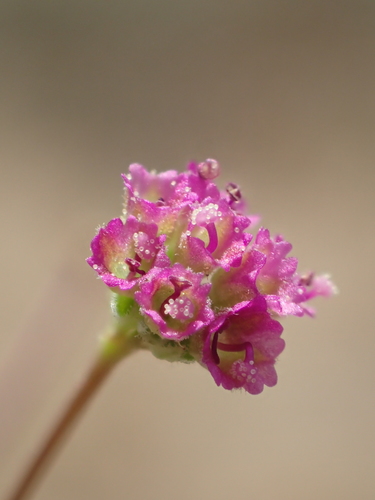
Punarnava
Boerhavia diffusa
In a trial of 50 people with newly diagnosed pulmonary tuberculosis, adding B. diffusa extract to chemotherapy relieved cough in 80% at 4 weeks versus 52% of controls and fever sooner; a single small study.
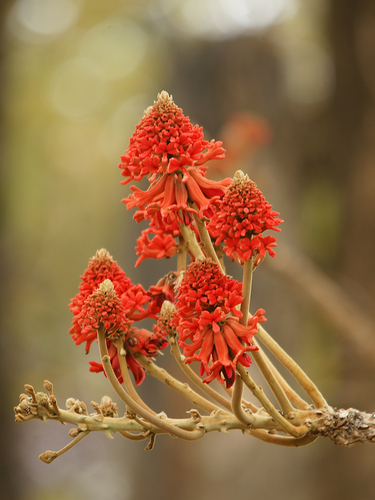
Red-hot-poker tree
Erythrina abyssinica
Decoctions are used for tuberculosis and cough in Uganda, Kenya, Tanzania, Burundi and Zimbabwe. A methanol root extract inhibited M. tuberculosis in the laboratory, but only at concentrations more than a thousand times higher than isoniazid (MIC 0.39 mg/ml against the standard strain).
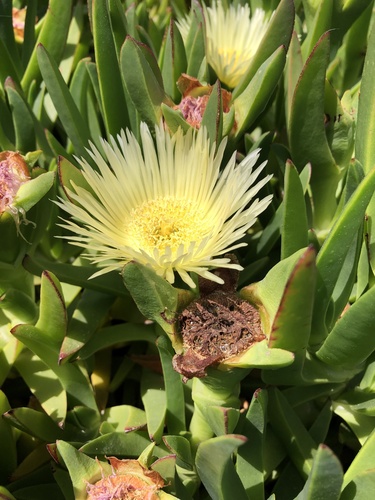
Sour fig
Carpobrotus edulis
Used for tuberculosis (with honey or olive oil) and by Eastern Cape healers for infections in HIV/AIDS patients. A methanol extract did not kill multidrug-resistant M. tuberculosis or MRSA directly, but inhibited their growth once they were inside human macrophages in vitro. It is not a substitute for TB treatment.
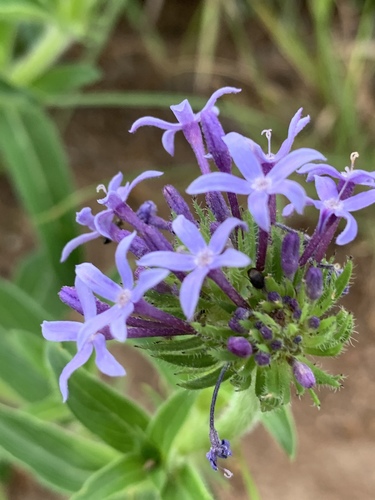
Wild verbena
Pentanisia prunelloides
Used for tuberculosis and related symptoms; it was one of the plants singled out for further study against drug-resistant TB after lab screening.
Uso tradicional
TradicionalLargo uso documentado, prácticamente sin ensayos clínicos.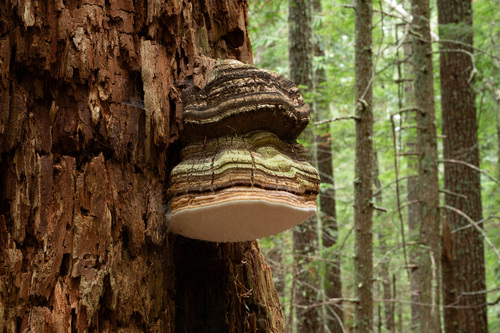
Agarikon
Laricifomes officinalis
Haisla and Hanaksiala people took a decoction of the ground fungus for tuberculosis.
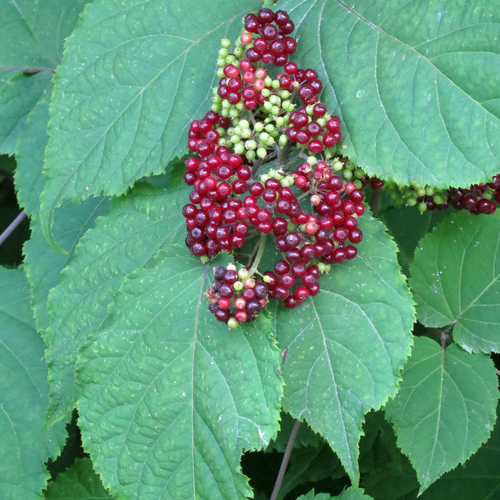
American spikenard
Aralia racemosa
Root infusions or decoctions were taken for tuberculosis or 'consumption' by the Algonquin, Iroquois, Maliseet and Mi'kmaq, and 'for lung diseases' by the Cherokee. No evidence of any effect.
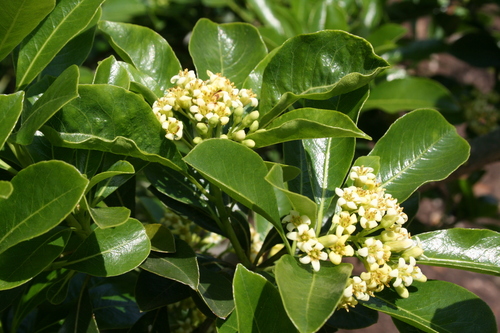
Cheesewood
Pittosporum viridiflorum
Tuberculosis is one of the diseases for which it is used in African traditional medicine.
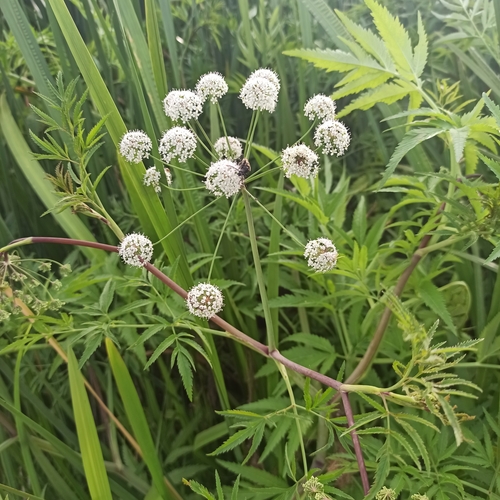
Cowbane
Cicuta virosa
Historical Hungarian sources record its use against tuberculosis, especially scrofula (tuberculous inflammation of the lymph glands). The record is one of deaths: in 1868 a market vendor confessed to giving a six-year-old girl with tuberculosis a decoction of the root in milk, and she died that evening. There is no evidence of benefit.
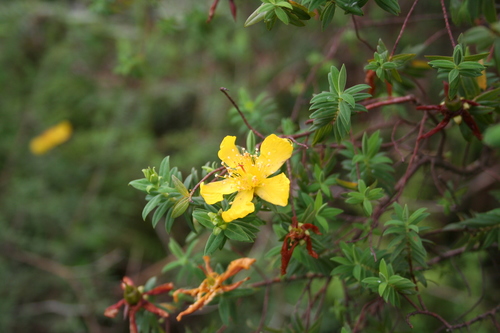
Curry bush
Hypericum revolutum
Herbalists in Uganda use it to treat tuberculosis. No studies against TB bacteria were found among the sources read.
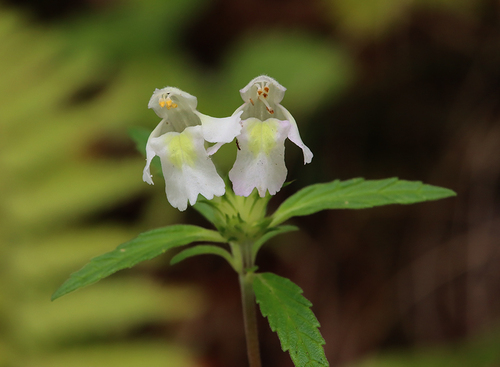
Downy hemp-nettle
Galeopsis segetum
Once prized as a remedy for consumption, and still called 'very popular' for pulmonary tuberculosis by Madaus in 1938. There is no evidence that it treats tuberculosis, which needs antibiotic treatment.
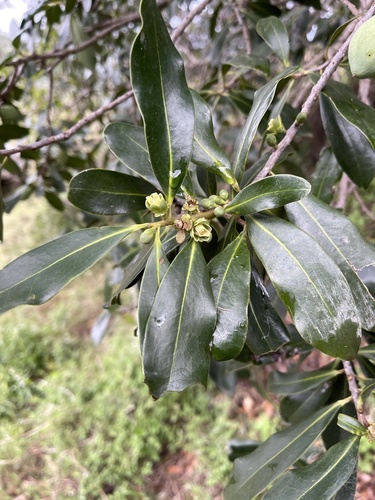
East African greenheart
Warburgia ugandensis
Used across East Africa for coughs and colds, and in Uganda for cough and tuberculosis. Methanol/dichloromethane bark extracts showed moderate, bactericidal activity against drug-sensitive and multidrug-resistant Mycobacterium tuberculosis in the laboratory; water extracts were weak. No clinical studies.
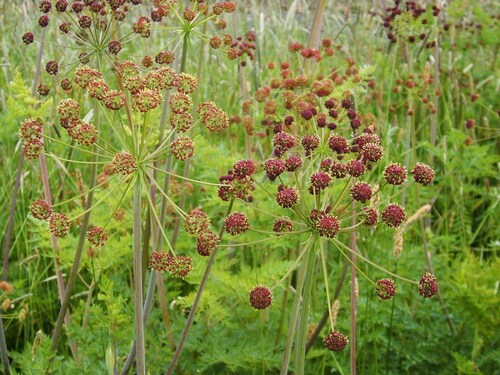
Fernleaf biscuitroot
Lomatium dissectum
Nez Perce, Okanagan-Colville, Paiute and Shoshoni used root infusions or decoctions, or smoked the pulverized root, for tuberculosis. Untested; tuberculosis needs standard antibiotic treatment.
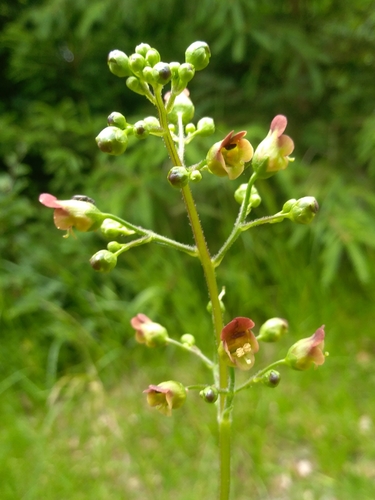
Figwort
Scrophularia nodosa
Albanian communities in south Kosovo apply the aerial parts to 'saraxha' (cutaneous tuberculosis), and the same topical use is recorded in North Macedonia. Untested; tuberculosis needs standard antibiotic treatment.
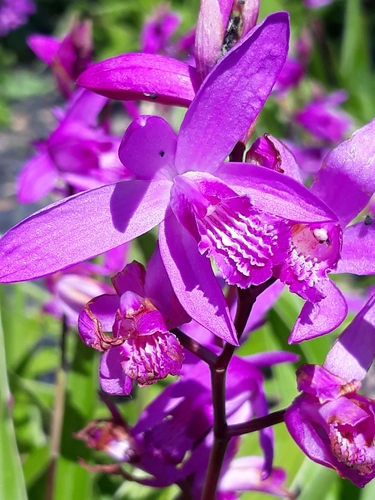
Hyacinth orchid
Bletilla striata
Physicians in Korea and Japan have used it for tuberculosis and whooping cough, according to a 2019 review; there are no modern trials.
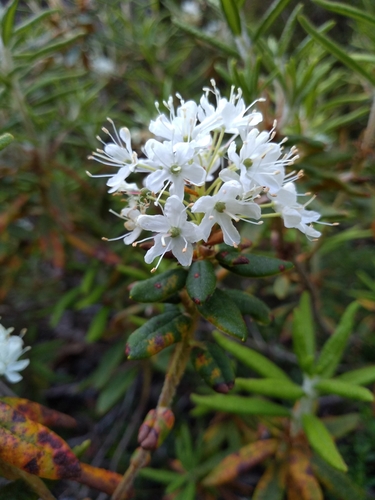
Labrador tea
Rhododendron groenlandicum
Haisla and Hanaksiala people took a leaf infusion for tuberculosis, and Woods Cree a decoction for pneumonia and whooping cough. There is no clinical evidence; tuberculosis needs standard drug treatment.

Lungwort
Pulmonaria officinalis
Historically used for 'consumption' and coughing of blood; the 1918 US Dispensatory called its virtues doubtful. Not an alternative to TB treatment.
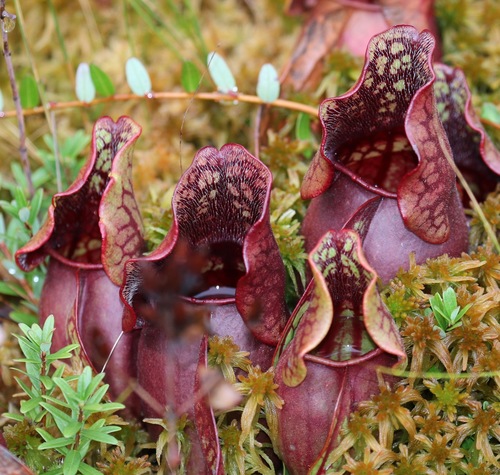
Purple pitcher plant
Sarracenia purpurea
The Maliseet (Malecite) and Mi'kmaq took infusions for consumption; Mi'kmaq root decoctions and Penobscot infusions were taken for spitting blood and other lung complaints.

Scurvy grass
Cochlearia officinalis
A review of Romanian children's folk medicine (1860s–1970s) records the leaves for tuberculosis or scrofula; the authors list it only as a lead for future antitubercular research. No laboratory or clinical data were cited.
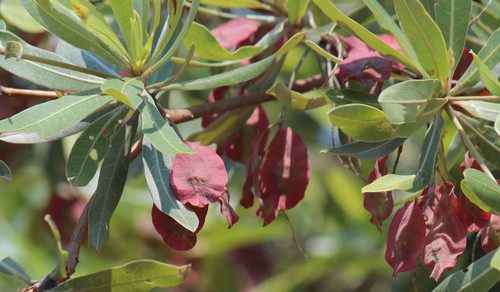
Silver cluster-leaf
Terminalia sericea
Tuberculosis is among its main recorded uses; no clinical data were found.
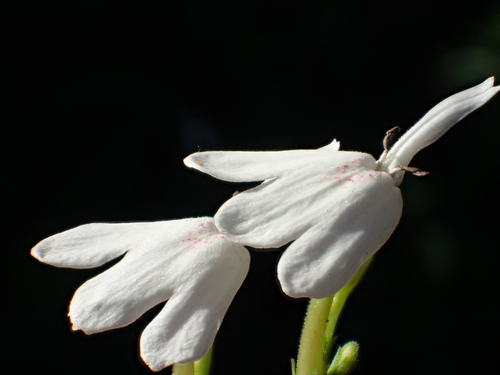
Snake jasmine
Rhinacanthus nasutus
Stem and leaves are used for pulmonary tuberculosis and the tea is marketed for 'early-stage tuberculosis'; no clinical evidence, and TB needs standard treatment.
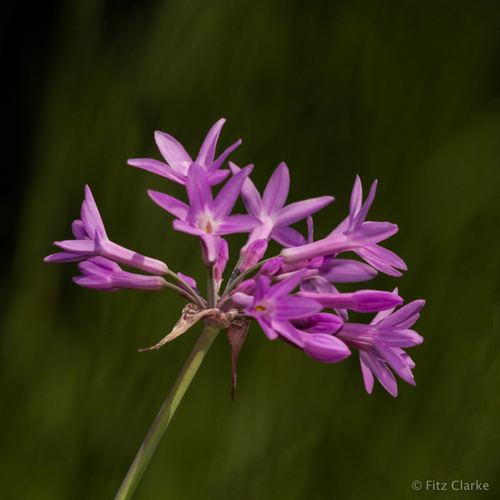
Society garlic
Tulbaghia violacea
Recorded folk use for tuberculosis and bacterial infections; extracts showed only weak antibacterial activity in vitro.
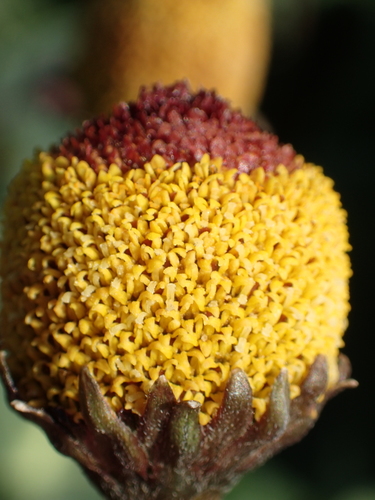
Toothache plant
Acmella oleracea
Inhabitants of the Amazon basin in Brazil traditionally use jambu to treat tuberculosis; not clinically tested.
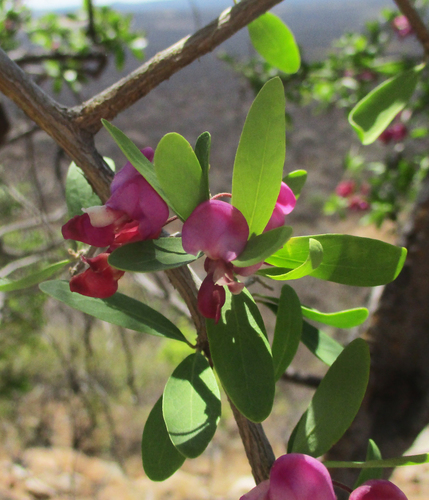
Violet tree
Securidaca longepedunculata
Listed among its traditional African uses; not clinically tested.
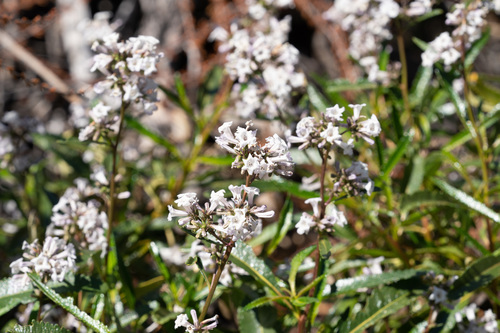
Yerba santa
Eriodictyon californicum
Costanoan, Karok and Round Valley peoples took it for tuberculosis (consumption). There is no evidence it treats TB.