 NL·0613
Herbarium of the Nature Library
- Name
- Ortygornis pondicerianus
- Family
- Phasianidae
- Native to
- SE Iran and the Persian Gulf through Pakistan, India and Nepal's terai to Sri Lanka; introduced to the Andaman Islands, Hawaii and elsewhere
- Habitat
- Dry scrub, Farmland, Semi-desert
On eBird ↗
Gray Francolin
Live sightings near you, the range map, bar charts of when it is seen, and Macaulay Library photos and recordings.
Grey francolin
Ortygornis pondicerianus
Also calledTeetar (Urdu/Hindi/Punjabi) · Francolinus pondicerianus (former name)
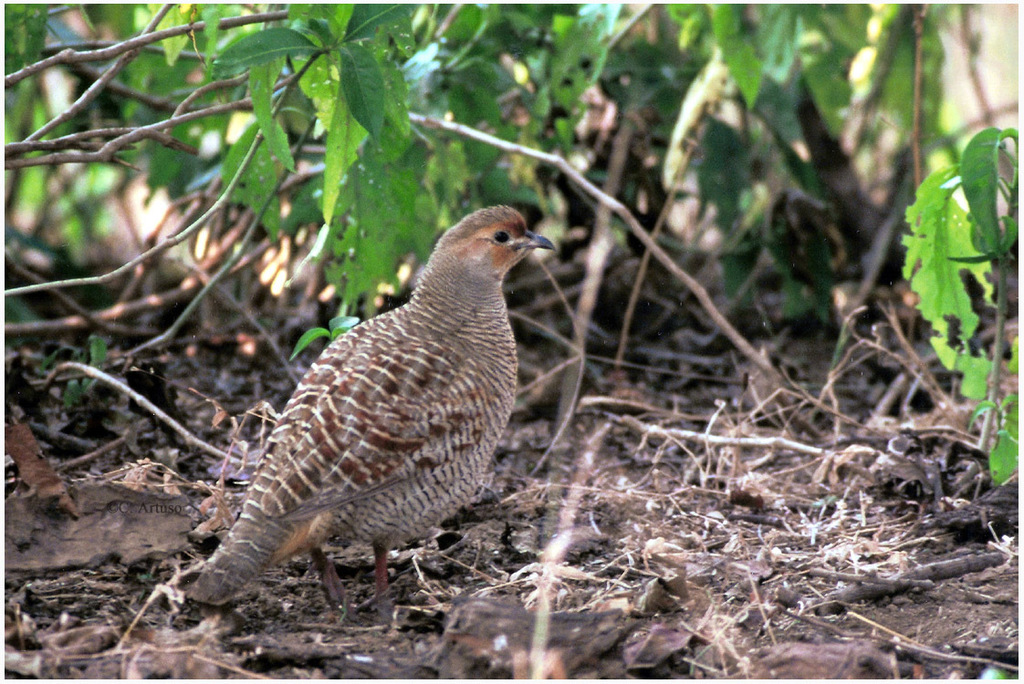
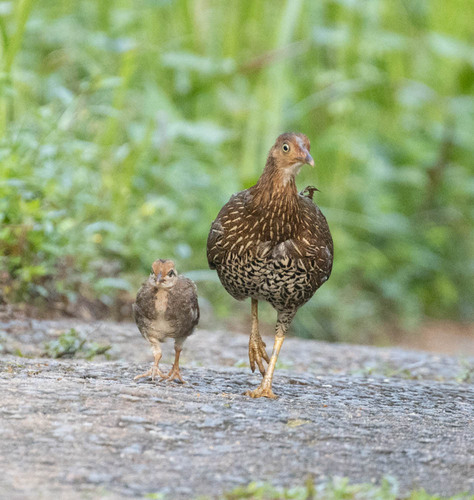
A finely barred grey-brown partridge of dry plains whose loud, rhythmic calls ring across the farmlands of Pakistan and India at dawn. It is the 'teetar' of village life, long kept as a caged songbird and fighting bird in Punjab.
The grey francolin is a species of francolin found in the plains and drier parts of the Indian subcontinent and Iran. This species was formerly also called the grey partridge, not to be confused with the European grey partridge. They are mainly ground-living birds and are found in open cultivated lands as well as scrub forest and their local name of teetar is based on their calls, a loud and repeated Ka-tee-tar...tee-tar, which is produced by one or more birds. The term teetar can also refer to other partridges and quails. During the breeding season, calling males attract challengers, and decoys were used to trap these birds especially for fighting. Wikipedia
What it can do
- iThrives in arid scrub and cultivated plains with little cover
- iiMales call in duet with neighbours to proclaim territory
- iiiPrefers running to flight, escaping through crop fields
In the field
Field marks
- aGrey-brown upperparts finely barred with buff and chestnut
- bPale, densely cross-barred underparts
- cRufous-buff throat bordered by a thin dark line
- dChestnut outer tail feathers visible in flight
- Voice
- A loud, ringing, repeated 'ka-tee-tar, ka-tee-tar' or 'pateela-pateela', often accelerating; one of the defining dawn sounds of the Indus plains
- Not to be confused with
- Black francolin male is black with a white cheek and chestnut collar; females of Black francolin have a chestnut patch on the hindneck; Painted francolin (central India) is spotted white on black.
- Where to see it
- Common in dry farmland and scrub across Punjab and Sindh, Thar Desert fringes and peninsular India
- When
- Resident year-round
Listen
Looking for field recordings…
Life & habits
- Diet
- Seeds, grain, shoots and insects such as termites and beetles
- Habitat
- Open dry plains, thorn scrub, farmland edges and semi-desert
- Size
- About 30–34 cm long
Pairs and small coveys forage on the ground in early morning and late afternoon and roost in thorny trees and bushes at night.
Where it lives
Recorded sightings
—
geo-referenced records in GBIF, from museums, herbaria and field observers.
Native range
SE Iran and the Persian Gulf through Pakistan, India and Nepal's terai to Sri Lanka; introduced to the Andaman Islands, Hawaii and elsewhere
Drag the globe to turn it. Dots are where records exist, not a range map; darker means more records.
In the old herbals & bestiaries
No plate in the Source Library names this exact species, so these show its closest relatives as the old naturalists drew them: same genus, or the same kind of animal. Click a plate to read the page it came from, with translation.

In the stacks
Searching the stacks…
Every page naming Ortygornis pondicerianus in the Biodiversity Heritage Library →
Marginalia
The calling teetar in a cane cage is a traditional sight in rural Punjab, and sayings about the bird recur in Punjabi and Urdu folk speech; teetar fighting was a widespread village pastime.
Curiosity
The species name pondicerianus refers to Pondicherry, the French colony in southern India from which early specimens reached Europe.
Kinship
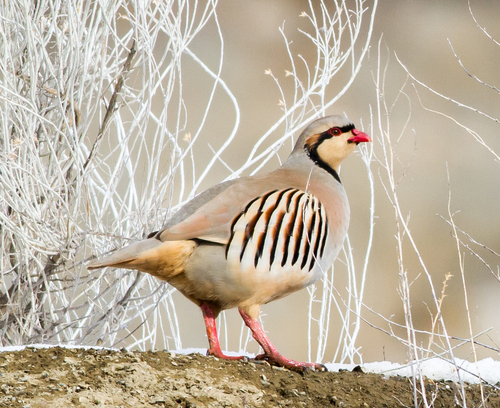
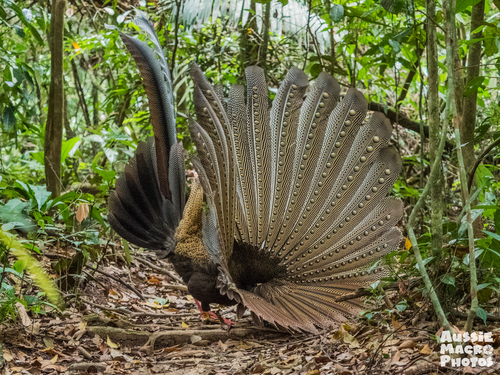


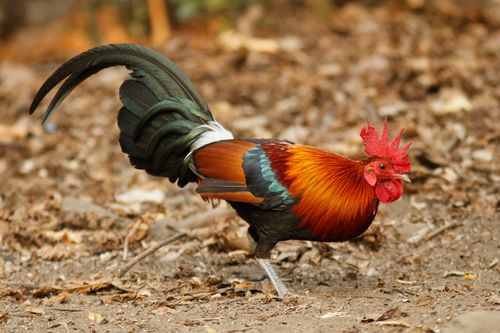
Photographs: iNaturalist contributors under the licences shown. Records: GBIF.org. Historical plates: Source Library (CC BY-SA 4.0; originals public domain). Summary text: Nature Library editors and Wikipedia (CC BY-SA). Medicinal and edibility notes are historical and educational, not advice. iNaturalist taxon 1289691.