 NL·0340
Herbarium of the Nature Library
- Name
- Charadrius melodus
- Family
- Charadriidae
- Native to
- Breeds on the Atlantic coast from Newfoundland to North Carolina, around the Great Lakes, and on the northern Great Plains; winters on the south Atlantic and Gulf coasts, the Bahamas, the Caribbean and Mexico
- Habitat
- Sandy beaches, Lakeshores, Alkali wetlands, River sandbars
On eBird ↗
Piping Plover
Live sightings near you, the range map, bar charts of when it is seen, and Macaulay Library photos and recordings.
Piping plover
Charadrius melodus
Also calledChorlo chiflador (Spanish) · Pluvier siffleur (French)
A small, sand-coloured plover that nests on open beaches and lakeshores, where its eggs are almost invisible. Beach development and disturbance made it a flagship of shorebird conservation, with nests now fenced and patrolled across its range.
The piping plover is a small, sand-colored shorebird that nests and feeds along coastal sand and gravel beaches in North America. The adult has yellow-orange-red legs, a black band across the forehead from eye to eye, and a black stripe running along the breast line. This chest band is usually thicker in males during the breeding season, and it is the only reliable way to tell the sexes apart. The bird is difficult to see when it is standing still, as it blends well with open, sandy beach habitats. It typically runs in short, quick spurts and then stops. Wikipedia
What it can do
- iEggs and chicks are camouflaged against pale sand
- iiAdults perform broken-wing displays to lure predators from nests
- iiiChicks feed themselves within hours of hatching
- ivFoot-trembles on wet sand to startle invertebrates
In the field
Field marks
- aPale, dry-sand upperparts — paler than any other North American ringed plover
- bBright orange legs
- cBreeding: short orange bill with a black tip, single black breast band and black forehead bar
- dWinter: bill all dark, breast band faint or partial
- Voice
- A soft, clear, whistled 'peep-lo' or 'peep', like a piped note.
- Not to be confused with
- Semipalmated Plover has a dark mud-brown back. Snowy Plover has dark legs and a thin black bill. Wilson's Plover has a heavy black bill and pinkish legs.
- Where to see it
- Cape Cod and Long Island beaches, Sleeping Bear Dunes (Michigan), Chicago's Montrose Beach, and Gulf coast beaches of Texas and Florida in winter.
- When
- Breeding grounds Apr–Aug; winter coasts Aug–Apr
Listen
Looking for field recordings…
Life & habits
- Diet
- Marine worms, insects, small crustaceans and molluscs
- Habitat
- Open sandy beaches, sandbars and alkali flats with sparse vegetation
- Size
- 17–18 cm; 43–63 g
- Lifespan
- Up to about 11 years
It runs in short bursts and stops abruptly, typical of plovers.
Where it lives
Recorded sightings
—
geo-referenced records in GBIF, from museums, herbaria and field observers.
Native range
Breeds on the Atlantic coast from Newfoundland to North Carolina, around the Great Lakes, and on the northern Great Plains; winters on the south Atlantic and Gulf coasts, the Bahamas, the Caribbean and Mexico
Drag the globe to turn it. Dots are where records exist, not a range map; darker means more records.
In the old herbals & bestiaries
No plate in the Source Library names this exact species, so these show its closest relatives as the old naturalists drew them: same genus, or the same kind of animal. Click a plate to read the page it came from, with translation.

History of Animals, Book I: On Viviparous Quadrupeds
Relative · Conrad Gessner · 1554 · p.431

Theater of Earthly Creatures
Relative · Anonymous · 1672 · p.260

Experiments on the Generation of Insects
Relative · Francesco Redi · 1668 · p.218

History of Animals, Book I: On Viviparous Quadrupeds
Relative · Conrad Gessner · 1554 · p.872

Historiae Animalium Liber III: De Avium Natura
Relative · Conrad Gesner · 1555 · p.727

A voyage to the islands Madera Barbados Jamaica Vol. 1
Relative · Hans Sloane · 1707 · p.634

A voyage to the islands Madera Barbados Jamaica Vol. 1
Relative · Hans Sloane · 1707 · p.633

The Book of Household Management
Relative · Mrs Isabella Beeton · 1861 · p.595
In the stacks
Searching the stacks…
Every page naming Charadrius melodus in the Biodiversity Heritage Library →
Marginalia
Two Great Lakes piping plovers named Monty and Rose nested on Chicago's Montrose Beach from 2019, the first in the city in decades, and became local celebrities.
Curiosity
The Great Lakes population fell to fewer than 20 pairs in the 1980s before intensive protection helped it grow again.
Kinship

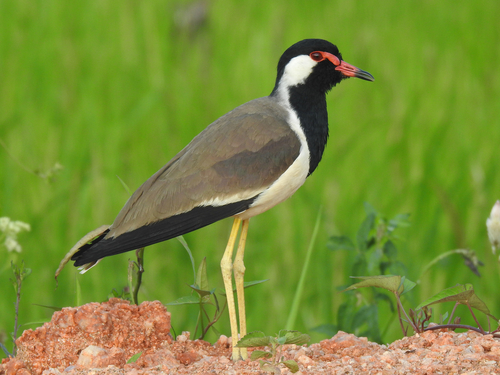
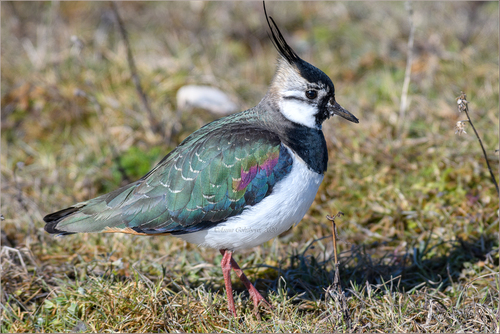

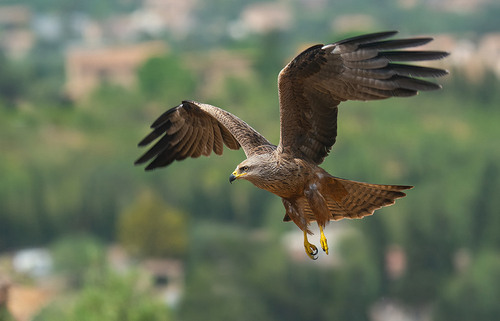
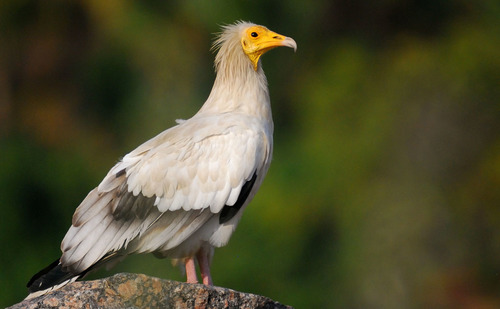
Photographs: iNaturalist contributors under the licences shown. Records: GBIF.org. Historical plates: Source Library (CC BY-SA 4.0; originals public domain). Summary text: Nature Library editors and Wikipedia (CC BY-SA). Medicinal and edibility notes are historical and educational, not advice. iNaturalist taxon 4798.