 NL·0343
Herbarium of the Nature Library
- Name
- Vanellus vanellus
- Family
- Charadriidae
- Native to
- Breeds across temperate Europe and Asia from Ireland to the Pacific; winters in western Europe, North Africa, the Middle East, South Asia and China
- Habitat
- Wetland, Farmland, Temperate grassland
On eBird ↗
Northern Lapwing
Live sightings near you, the range map, bar charts of when it is seen, and Macaulay Library photos and recordings.
Northern lapwing
Vanellus vanellus
Also calledKızkuşu (Turkish) · Kiebitz (German) · Vanneau huppé (French) · Avefría (Spanish) · Kievit (Dutch) · Peewit (English dialect)
A crested, iridescent plover of fields and wet meadows, named for the 'lapping' sound of its floppy, rounded wings in its tumbling display flight. Breeding numbers have fallen sharply with farming changes across Europe.
The northern lapwing, also known as the peewit or pewit, tuit or tewit, green plover, or pyewipe or just lapwing, is a bird in the lapwing subfamily. It is common through temperate Eurosiberia. Wikipedia
What it can do
- iTumbling display flight with wing-throbbing sound and wild calls
- iiParents mob crows and foxes and perform distraction displays to lure predators away
- iiiChicks feed themselves within hours of hatching
- ivCold-weather movements can shift huge flocks hundreds of kilometres in a day
In the field
Field marks
- aLong, wispy black crest
- bDark green upperparts with purple and bronze gloss
- cBlack breast band, white belly, orange undertail
- dBroad, rounded black-and-white wings in flight
- Voice
- A plaintive, wheezy 'pee-wit' and wild, twisting display song 'pee-wit wit-wit eeze'.
- Not to be confused with
- No other European bird has the long crest. Sociable lapwing is sandy with a dark cap and white eyebrow. Golden plover, often in mixed winter flocks, has pointed wings and spangled golden upperparts.
- Where to see it
- Wet meadows of the Netherlands, Somerset Levels and RSPB reserves in England; huge winter flocks across western Europe and the Nile Delta.
- When
- Resident or partial migrant in western Europe; summer visitor further east; winter visitor to the Mediterranean and Middle East
Listen
Looking for field recordings…
Life & habits
- Diet
- Earthworms, beetles, leatherjackets and other soil invertebrates
- Habitat
- Wet grassland, spring-sown fields, marshes; mudflats and pastures in winter
- Size
- 28–31 cm; wingspan 82–87 cm; 130–330 g
- Lifespan
- Typically 4–5 years; record over 20
Feeds with a 'stop-run-tilt' action and patters its feet on the ground to bring worms up.
Where it lives
Recorded sightings
—
geo-referenced records in GBIF, from museums, herbaria and field observers.
Native range
Breeds across temperate Europe and Asia from Ireland to the Pacific; winters in western Europe, North Africa, the Middle East, South Asia and China
Drag the globe to turn it. Dots are where records exist, not a range map; darker means more records.
In the old herbals & bestiaries
Woodcuts and engravings matched from the Source Library’s scanned books by name. Plates marked “relative” show a close kin rather than this exact species. Click a plate to read the page it came from, with translation.


In the stacks
Searching the stacks…
Every page naming Vanellus vanellus in the Biodiversity Heritage Library →
Marginalia
In Friesland the first lapwing egg of spring is traditionally presented to the province's King's Commissioner; since collecting was banned, the hunt continues as a search without taking.
Curiosity
Its English name comes from Old English 'hleapewince', referring to its leaping, wavering flight.
Kinship
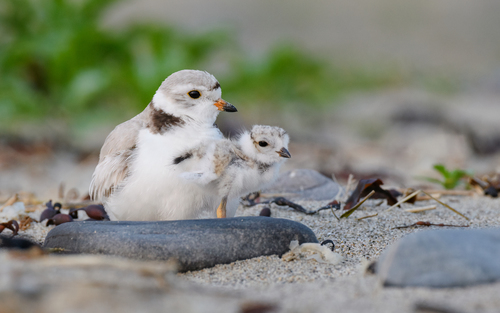
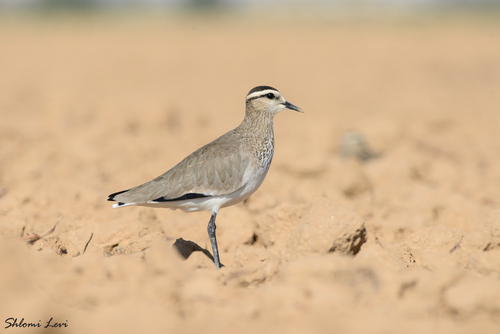
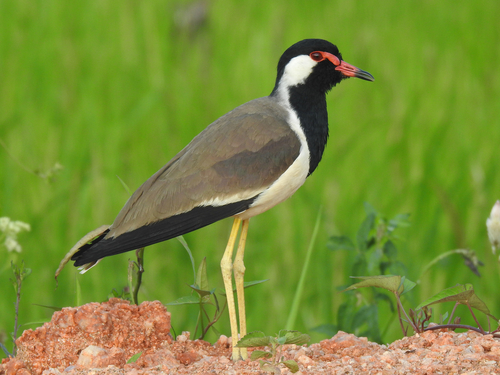


Fact-checked: 1 correction made to this sheet. Photographs: iNaturalist contributors under the licences shown. Records: GBIF.org. Historical plates: Source Library (CC BY-SA 4.0; originals public domain). Summary text: Nature Library editors and Wikipedia (CC BY-SA). Medicinal and edibility notes are historical and educational, not advice. iNaturalist taxon 4857.