 NL·0429
Herbarium of the Nature Library
- Name
- Elephas maximus
- Family
- Elephantidae
- Native to
- India, Sri Lanka, Nepal, Bhutan, Bangladesh, Myanmar, Thailand, Laos, Cambodia, Vietnam, southern China, Malaysia, Sumatra and Borneo
- Habitat
- Tropical forest, Grassland, Scrub, Riverine forest
Asian elephant
Elephas maximus
Also calledHāthī (Hindi/Urdu) · Gaja (Sanskrit) · Yānai (Tamil) · Aliya (Sinhala) · Chāng (Thai) · Gajah (Malay/Indonesian) · Xiàng 象 (Chinese)
The largest land animal in Asia, a forest elephant that has worked, fought and worshipped alongside people for more than 4,000 years. Fewer than about 50,000 remain in 13 countries, the largest share in India, increasingly squeezed into fragmented forest where conflict with farmers kills both people and elephants.
The Asian elephant, also known as the Asiatic elephant, is the only living species in the genus Elephas. It is the largest living land animal in Asia and the second largest living elephantid in the world. It is characterised by its long trunk with a single finger-like process; large tusks in males; laterally folded large ears and wrinkled grey skin that is partly depigmented on the trunk, ears or neck. Adult males average 4 t in weight and females 2.7 t. It has a large and well developed neocortex of the brain, is highly intelligent and self-aware, being able to display behaviours associated with grief, learning and greeting. Three subspecies are recognised—E. m. maximus, E. m. indicus and E. m. sumatranus. Wikipedia
What it can do
- iTrunk contains tens of thousands of muscle fascicles and ends in one finger-like tip that can pick up a single fruit
- iiCommunicates with low-frequency rumbles partly below human hearing
- iiiOpens forest, digs waterholes in dry riverbeds and disperses large seeds
- ivFemales lead herds using decades of remembered routes and water sources
In the field
Field marks
- aSmaller, rounded ears than African elephants; head with twin domes on top
- bBack level or arched (convex), highest in the middle
- cSingle finger-like projection on the trunk tip
- dOnly some males have tusks; many males (makhnas) and all females have none or tiny tushes
- eSigns: large round footprints 40–50 cm across, fibrous dung boli, debarked and broken trees
- Voice
- Trumpets when excited or alarmed; also deep rumbles, roars, and high squeaks and chirps.
- Not to be confused with
- African savanna and forest elephants have huge ears, a saddle-backed profile and two finger tips on the trunk. Only captive animals could be confused.
- Where to see it
- Nagarhole–Kabini and Bandipur (Karnataka); Corbett (Uttarakhand); Kaziranga (Assam); Periyar (Kerala); Minneriya and Kaudulla 'Gathering' (Sri Lanka, July–September); Udawalawe (Sri Lanka); Kui Buri (Thailand)
- When
- Resident; dry-season gatherings near reservoirs and rivers
Listen
Looking for field recordings…
Life & habits
- Diet
- Grasses, bark, roots, leaves, bamboo and fruit; also crops such as paddy, sugarcane and banana
- Habitat
- Forest, grassland and scrub with access to water
- Size
- Shoulder height 2–3.2 m; males up to about 5,000 kg
- Lifespan
- About 60 years
Herds of related females and young are led by a matriarch; adult males roam alone or in loose groups and enter musth, a period of high testosterone and aggression marked by fluid from the temple glands.
Where it lives
Recorded sightings
—
geo-referenced records in GBIF, from museums, herbaria and field observers.
Native range
India, Sri Lanka, Nepal, Bhutan, Bangladesh, Myanmar, Thailand, Laos, Cambodia, Vietnam, southern China, Malaysia, Sumatra and Borneo
Drag the globe to turn it. Dots are where records exist, not a range map; darker means more records.
In the old herbals & bestiaries
No plate in the Source Library names this exact species, so these show its closest relatives as the old naturalists drew them: same genus, or the same kind of animal. Click a plate to read the page it came from, with translation.

The Tudor Pattern Book (Herbal-Bestiary)
Relative · Anonymous · 1525 · p.72

Tractado de las Drogas y Medicinas de las Indias Orientales
Relative · Cristóvão da Costa · 1578 · p.450

Viatorium, hoc est, de montibus planetarum
Relative · Maier, Michael · 1651 · p.-48

Theater of Earthly Creatures
Relative · Anonymous · 1672 · p.14

Manuscript containing illustrations of strange beasts and men, women and children. (Italian MS 63)
Relative · Anonymous · 1700 · p.49

Worksop Bestiary
Relative · Anonymous · 1185 · p.82

History of Monsters
Relative · Ulisse Aldrovandi · 1642 · p.445

Margarita philosophica
Relative · Reisch, Gregorius · 1504 · p.465

Vorpforte der Schul-Unterweisung
Relative · Comenius, Jan Amos · 1678 · p.46

Theater of Earthly Creatures
Relative · Anonymous · 1672 · p.114
In the stacks
Searching the stacks…
Every page naming Elephas maximus in the Biodiversity Heritage Library →
Marginalia
Ganesha, the elephant-headed Hindu god of beginnings, and Airavata, the white elephant of Indra, make it a sacred animal across India. Elephants appear on Indus Valley seals, and an elephant is carved from the rock above Ashoka's edicts at Dhauli in Odisha.
Curiosity
In Sri Lanka fewer than one in ten male elephants carries tusks.
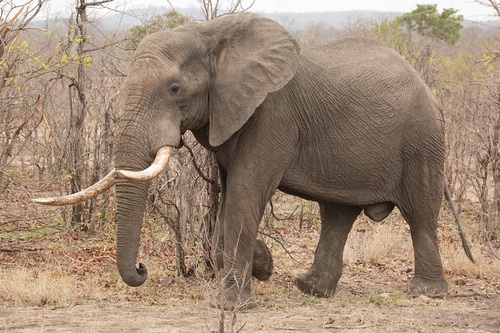
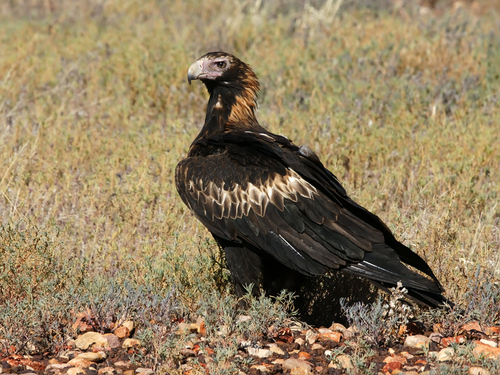
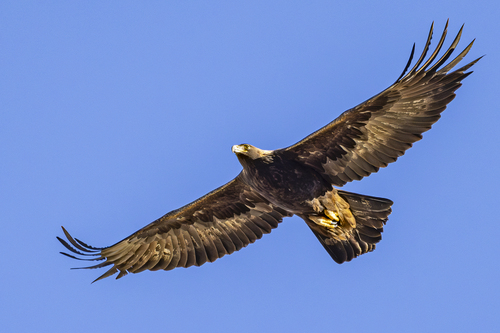
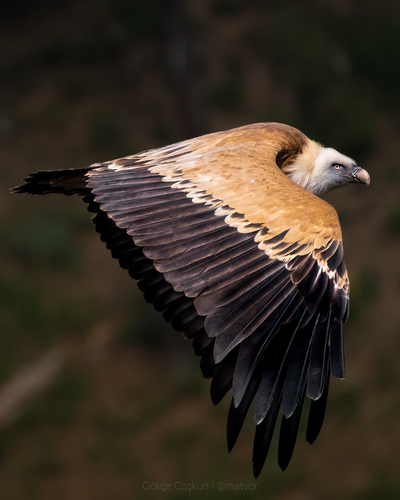
Kinship


Fact-checked: 1 correction made to this sheet. Photographs: iNaturalist contributors under the licences shown. Records: GBIF.org. Historical plates: Source Library (CC BY-SA 4.0; originals public domain). Summary text: Nature Library editors and Wikipedia (CC BY-SA). Medicinal and edibility notes are historical and educational, not advice. iNaturalist taxon 43697.